- Have any questions?
- +86 15953537010
- admin@wepower-electronic.com


1)Exploring the Fundamentals of Radar Level Transmitters
How Radar Level Transmitters Operate in Industrial Applications
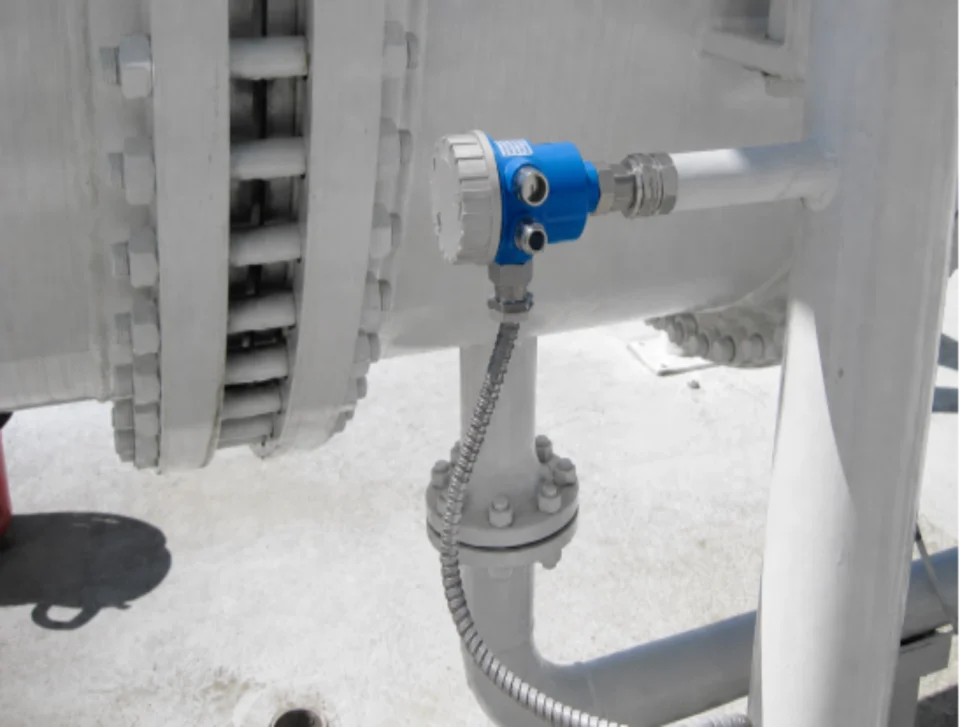
Radar Level Transmitters are smart tools. They measure levels of stuff like liquids, solids, or slurries in tanks or vessels. These devices use a simple idea called time-of-flight. A radar sensor sends out microwave pulses. These pulses bounce off the material’s surface. The time it takes for the signal to come back shows how far the material is from the sensor.
The WERD-800 series radar sensor is a 26Ghz high-frequency microwave pulse radar level gauge. It sends out an electromagnetic wave, about 11 mm long, through the radar antenna system. The wave reflects off the material’s surface, focused by the bell antenna. A microprocessor then reads this echo signal to give accurate level measurements.
These measurements turn into a 4-20mA analog output signal. This signal works smoothly with automation systems like PLCs or DCS. It helps with real-time monitoring and control.
2)Key Differences Between Contact and Non Contact Radar Level Transmitter Technologies
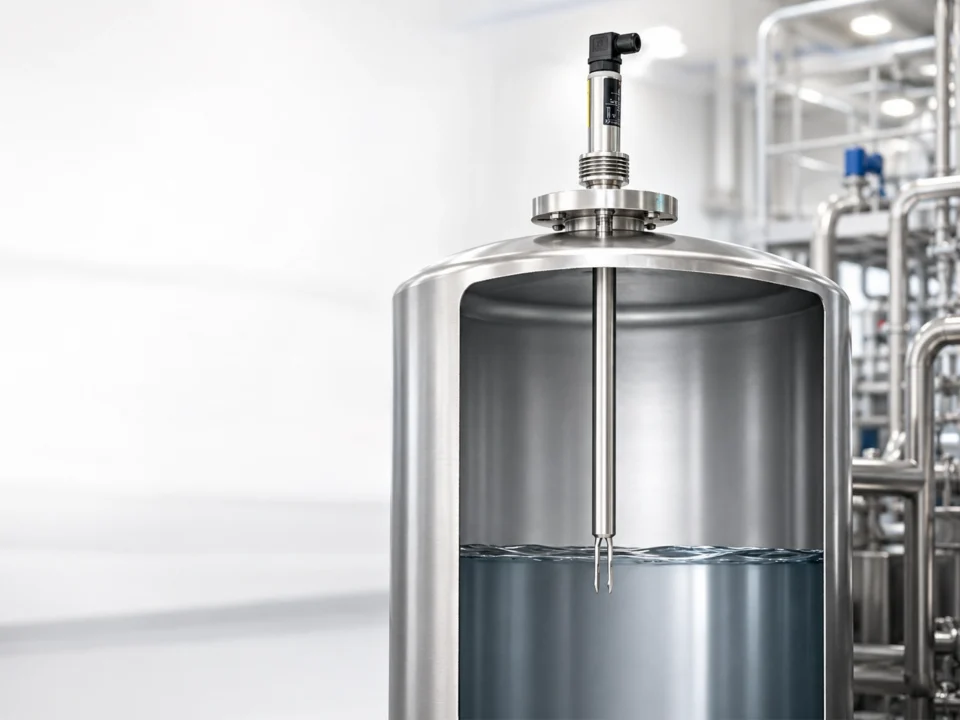
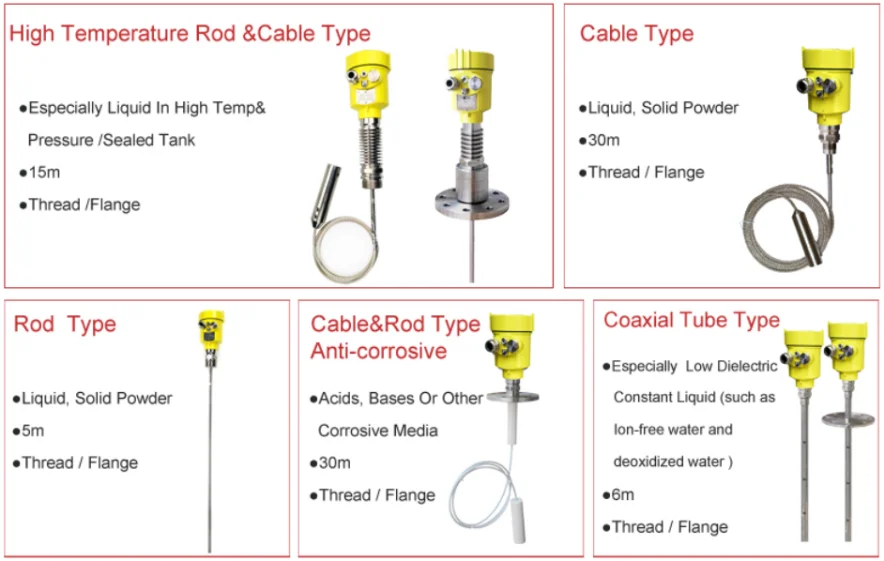
Radar level transmitters come in two types: contact and non-contact. Contact systems, like the Guided Wave Radar Sensor, use a probe that goes into the tank. The probe guides a microwave signal to measure the level.
Non-Contact Radar Level Transmitters, however, send signals through the air. They don’t touch the material. Guided Wave Radar might be a bit more accurate in some cases. But non-contact radar level transmitters work well for many materials, like liquids, slurries, and solids. This makes them handy in tough settings.
3)Advantages of Non Contact Radar Level Transmitter in Harsh Environments
Performance in High-Temperature and High-Pressure Conditions
Modern non-contact radar sensors, like the WERD-9X Series 80G FM Radar Level Meter, are built tough. They work well in extreme heat, with temperatures ranging from -40°C to 500°C. They also handle pressures up to 2MPa. This makes them perfect for high-pressure vessels in industries like oil refining or power generation.
Suitability for Dusty, Vaporous, or Turbulent Process Conditions
Non-contact radar level transmitters are great in messy environments. They work well despite dust clouds or vapor layers. Their strong penetrability means they keep measuring accurately even with adhesion or condensation. This is useful in places like cement silos or food production areas with steam.
4)Enhancing Operational Efficiency with Non Contact Radar Level Transmitters
Reduced Maintenance Due to No Mechanical Contact
Since non-contact radar level transmitters don’t touch the material, they avoid buildup problems. This cuts down on maintenance needs and saves money over time. With no moving parts, there are fewer things that can break. This leads to longer gaps between service checks.
Long-Term Stability and Reliability in Continuous Operations
Devices like the Wepower’s Non-Contact Radar Level Transmitters Series give steady results. They use smart signal processing to stay accurate. The radar sends and receives signals about 80 times per second. This fast rate keeps readings stable, even if tank levels change quickly.
Minimizing Downtime Through Remote Monitoring Capabilities
Modern radar level transmitters come with HART or RS-485 Modbus communication. This lets operators set up and check the devices from far away. They can fix problems without climbing tanks or stopping production. This cuts downtime a lot.
5)Safety and Compliance Benefits of Non Contact Radar Level Measurement
Eliminating Contamination Risks in Hygienic or Food-Grade Applications
In places like food and beverage plants, cleanliness is key. Non-contact Radar Level Transmitters don’t touch the product, so they don’t cause contamination. They use sanitary connections like tri-clamp fittings. These support clean-in-place (CIP) processes without taking apart equipment. This is perfect for dairy tanks or beverage mixers that need to meet strict food safety rules.
Meeting Industry Safety Standards in Hazardous Zones
Wepower’s GWR Level Transmitter has explosion-proof ratings like ExdiaIICT6. This makes them safe for risky places like petrochemical plants with flammable gases. Proper setup with threaded or flanged connections ensures they work safely under strict rules.
Supporting Intrinsically Safe and Explosion-Proof Installations
These radars consume very little power and are intrinsically safe for Zone 0/1 areas. Their strong design meets safety and environmental standards, with IP67-rated enclosures to protect against dust and water.
6)Cost-Efficiency Over Time: A Strategic Investment
Lower Lifecycle Costs Compared to Contact-Based Solutions
Non-contact radar level transmitters may cost more at first than simple tools like floats or ultrasonic sensors. But they save money over time. They need less maintenance and are very reliable. This avoids costs from frequent cleaning or replacing parts, which contact-based systems often need.
Extended Service Life Reducing Replacement Frequency
These devices are built to last. They use strong materials like stainless steel housings and corrosion-resistant antennas. Some, like the Guided Wave Radar Sensor, have optional coatings for extra protection against chemicals. This makes them last longer in tough conditions.
Energy Efficiency Benefits in Continuous Monitoring Scenarios
Non-contact radar level transmitters use little power, usually under 1W. This saves energy in big plants with many tanks. Their quick response time, less than 1 second, also reduces delays in processes. This boosts overall plant efficiency.
Frequently Asked Questions (FAQ)
How does a non-contact radar level transmitter differ from ultrasonic level sensors?
Ultrasonic level sensors use sound waves, which can get disrupted by vapor or dust. Non-contact radar level transmitters use microwaves. These pass through vapors better, giving steadier readings in different conditions.
Are non-contact radar level transmitters suitable for solids?
Yes. They work great for bulk solids like grains or powders. Their narrow beam angles reduce false echoes from vessel walls, even in dusty silos.
Do I need frequent recalibration once installed?
No. Most modern units are pre-set. You can adjust them remotely using HART communication without stopping operations.
Will tank geometry affect measurement accuracy?
Odd tank shapes can cause issues due to reflections. But advanced echo processing software handles this well. It ensures reliable results, even in tanks with odd shapes or things like stirrers inside.
Which industries typically use non-contact radar level transmitters?
Industries like oil and gas, chemical plants, water treatment, and food processing use them a lot. They need reliable monitoring in tough conditions where other methods struggle.
Wepower Electronic Co., Ltd., based in Yantai since 2003, offers help 24 hours a day on workdays. They also give great support after you buy to fit your needs.