- Have any questions?
- +86 15953537010
- admin@wepower-electronic.com

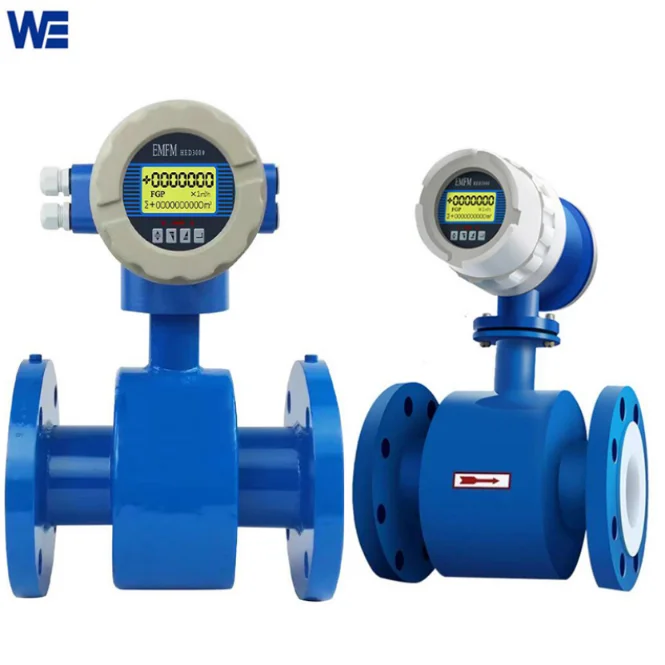
1)Principles Behind Magnetic Flow Meter Transmitters
Faraday’s Law and Its Role in Flow Measurement
Every Magnetic Flow Meter Transmitter relies on a basic scientific idea. It’s Faraday’s Law of Electromagnetic Induction. Electromagnetic flow meters function only with conductive substances.
These include liquids such as water. They operate based on Faraday’s law of induction. A conductive fluid moving through a magnetic field creates a voltage. This voltage ties directly to the fluid’s speed.
So, it serves as a solid sign of flow rate. The flow meter produces a magnetic field. The liquid passing through carries positive and negative ions. The magnetic field pulls these + and – ions apart. That causes a voltage gap in the liquid. The faster the liquid moves, the more power, or voltage, it builds up.
Signal Generation and Transmission
Electrodes along the pipe wall pick up this created voltage. Then, the Electromagnetic Flow Transmitter handles these signals. It turns them into standard outputs. These are usually analog or digital signals.
Control systems use them for watching or automating tasks. A big plus is the absence of moving parts. This cuts down on mechanical damage.
2)Key Features of Electromagnetic Flow Transmitters
Compatibility with Conductive Fluids
The main limit, and also a strong point, of a magnetic flow meter transmitter is its need for fluid conductivity. Electromagnetic Flow Meters handle only conductive liquids. So, fluids like drinking water, wastewater, and many chemical mixes fit well.
Good options include drinking water, rainwater, groundwater, water-based solutions, acids, alkaline solutions, and more. But non-conductive stuff, such as distilled water or hydrocarbons, fails to produce useful signals.
Material Options for Liners and Electrodes
Different liner materials like PTFE, rubber, or ceramic help with lasting strength and chemical fit. Electrode choices vary too. Common ones are stainless steel, Hastelloy, or platinum.
They match the conductivity and harshness of the process media. Picking the right combo reduces wear. It also keeps things running steady over time.
3)Functional Capabilities in Industrial Applications
Performance Across Diverse Process Conditions
Wepower’s engineers design magnetic flow meter transmitters to handle changing pressure and temperature. Their non-intrusive setup lets them stay accurate in rough or pulsing flows. Plus, these flow meters can take high temperatures and high pressure.
Application Versatility from Sludge to Solvents
They manage dirty, thick, or gritty fluids well. This makes them useful for several areas:
- Water treatment plants
- Chemical processing
- Food and beverage operations
- Mining and slurry applications
So, even liquids with high viscosity get measured. That includes sludge, mud, or liquid manure. These can have solid bits in them.
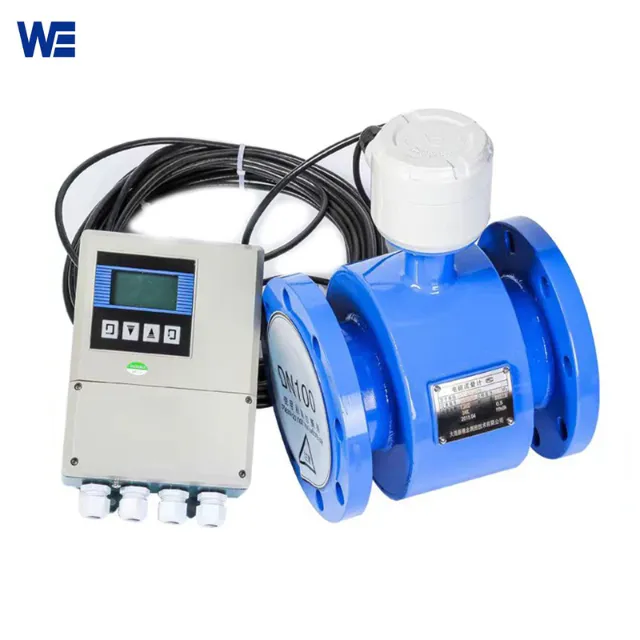
4)Installation Considerations for Optimal Operation
Best Practices for Installation Location and Orientation
To get the best results, place the magnetic flow meter in a pipe section with enough straight pipe upstream. That’s usually 5x the pipe diameter. Downstream needs about 3x diameter.
Don’t put it at high points. This avoids trapping gas. Horizontal setup works best. It stops sediment from building up at electrodes.
Grounding and Electrical Shielding Requirements
Electrical noise poses a big problem in factory settings. Add grounding rings or electrodes. They steady the measurement. Use shielded cables. This keeps the signal clear.
5)Integration with Industrial Systems
Communication Protocols for Data Transmission
Magnetic Flow Meter Transmitters provide several output choices:
- 4–20 mA current loops
- Pulse signals
- HART
- Modbus
- Profibus
These allow quick data sharing with SCADA or DCS systems.
Interfacing with Automation Infrastructure
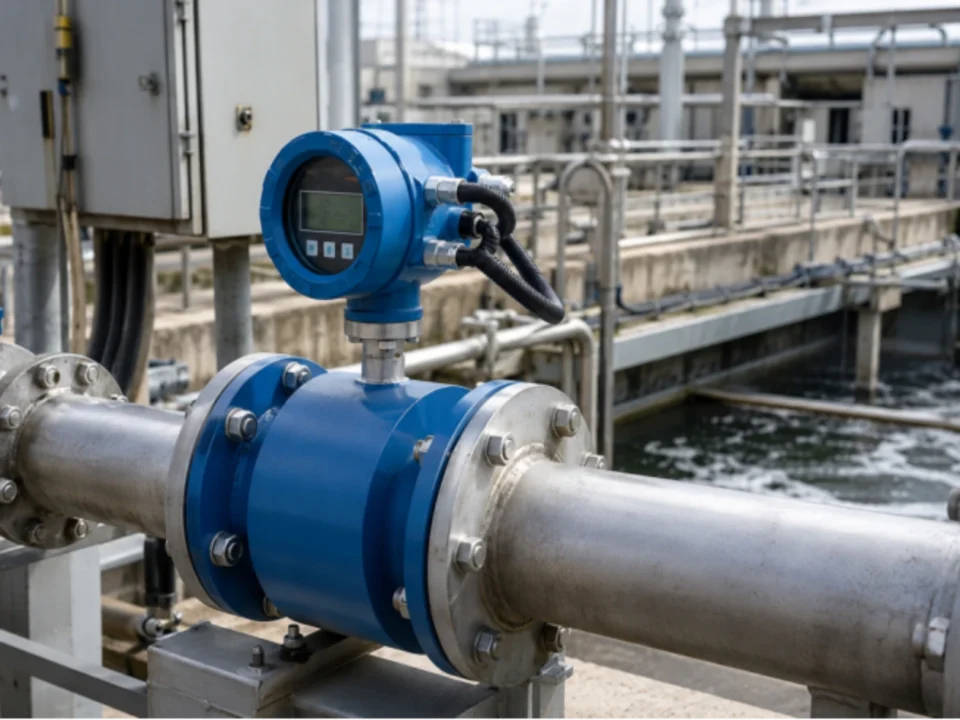
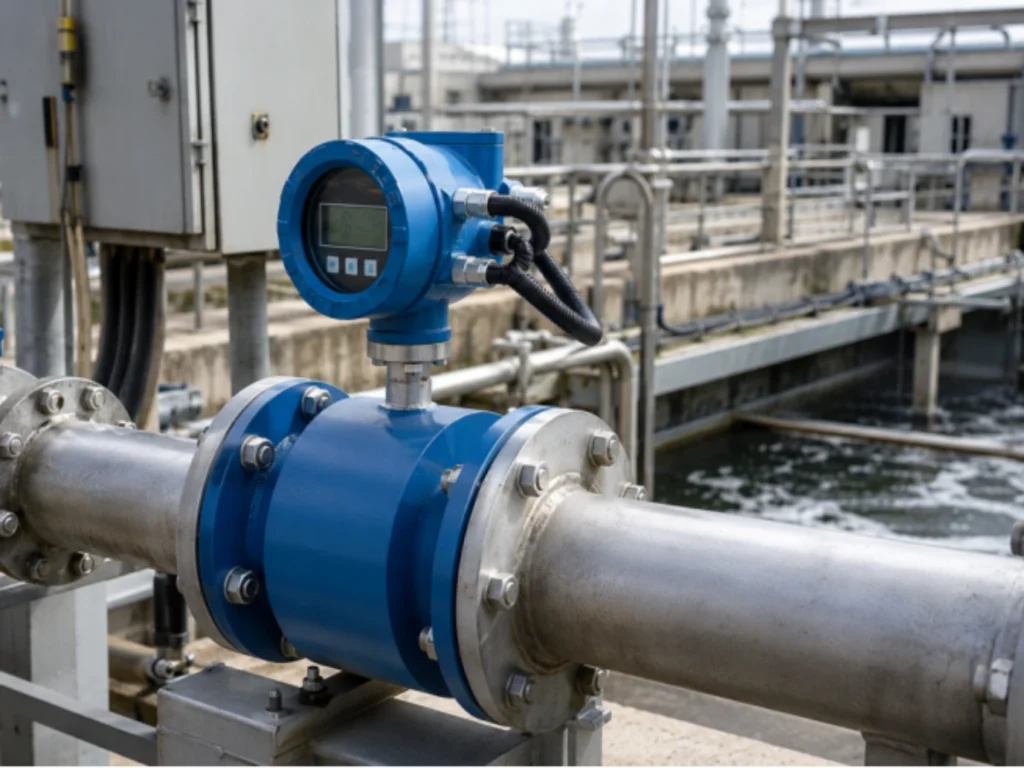
Linking to PLCs, or Programmable Logic Controllers, is simple. Many models have local digital displays. They make on-site checks and setup easy.
6)Sizing and Range Selection Guidelines
Flow Range Determination Based on Pipe Size and Velocity
Right sizing boosts accuracy and life span. Usual tips are:
- Flow speeds from 0.3 to 10 m/s
- Steer clear of over-ranging. It avoids signal twists.
| Pipe Diameter | Recommended Flow Range (m³/h) |
| DN25 | 0.5-8.8 |
| DN50 | 2.1-35.5 |
| DN100 | 8.4-141.3 |
Considerations for Viscous or Low-Velocity Fluids
Slow or heavy fluids might dip below what the meter catches. For those: Turn on signal boost options. Pick electrode materials that cut down on coating buildup
7)Maintenance Practices and Operational Longevity
Routine Maintenance Requirements for Reliable Performance
Magnetic flow meters need little upkeep. Still, regular checks help. Look at electrodes for scale or buildup. Check zero-point calibration now and then
Troubleshooting Common Issues in Mag Meter Systems
Usual troubles are:
- Signal drops from air bubbles
- Non-conductive media sent through by mistake
- Grounding problems or cable faults
8)Selecting the Right Magnetic Flow Meter Transmitter Model
Criteria Based on Process Conditions and Application Needs
Choosing a model hinges on:
- Fluid conductivity
- Pressure and temperature range
- Pipe size and layout
- Required communication protocol
Each bit influences how the transmitter works in your setup.
Role of Technical Support in Model Configuration
Wepower offers expert help with setup. This ensures models fit process needs just right. In lots of factory automation jobs, where exact flow checks matter, makers like Wepower supply custom electromagnetic fixes. They match tough process wants.
9)Practical Applications Across Industries
Use Cases in Water Treatment and Environmental Monitoring
Magnetic flow meters aid utilities in tracking effluent discharge precisely. It’s a must for rules.
Contributions to Chemical Processing Efficiency
These tools give exact control for dosing in batch reactors or steady pipelines. Real-time flow info helps fine-tune chemical use. It cuts waste too.
10)Advances in Transmitter Technology
Developments in Signal Stability and Processing Algorithms
New transmitters use better algorithms. They block electrical noise. So, readings stay smooth even when flow shifts.
Trends Toward Compact Designs with Integrated Displays
Smaller designs with built-in displays ease setup. They boost use in the field. As needs grow for tough field tools, firms like Wepower keep pushing new magnetic flow meter transmitters. They mix reliability with simple linking.
FAQs
Q: Can magnetic flow meters measure gas or oil?
No, they only work with conductive liquids.
Q: What is the minimum conductivity required for accurate measurement?
Typically above 5 µS/cm.
Q: How do I know if my fluid is conductive enough?
Check its chemical composition; water-based fluids usually qualify.
Q: Is recalibration necessary after installation?
No, Wepower’s magnetic flowmeters are calibrated and set with parameters required for the on-site operating conditions before leaving the factory.
Q: Are magnetic flow meters safe for corrosive chemicals?
Yes, if properly lined and using compatible electrode materials.