- Have any questions?
- +86 15953537010
- admin@wepower-electronic.com

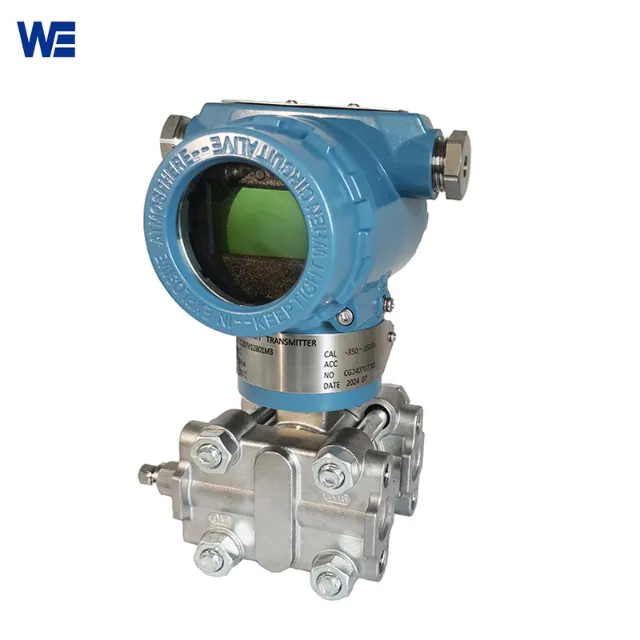
1)Why This HART vs 4–20 mA Debate Matters
Many factories still rely on traditional 4–20 mA analog loops for their pressure transmitters. These setups have been around for decades, handling basic measurements just fine. But engineers face pressure to go digital, add more visibility, and cut downtime.
That’s where HART comes into play. The big question boils down to this: when does upgrading make real sense, and when is a conventional 4–20 mA Pressure Transmitter still enough? Is the HART upgrade worth it?
2)Conventional 4–20 mA Pressure Transmitters: Although Simple and Robust, but it is Limited as well
The common 4-20mA pressure transmitter utilizes a basic current loop for sending signals which works by varying current from 4 mA to 20 mA based on measuring pressure data.
These analog Pressure Transmitters shine in tough spots. They have good performance at resisting noise, transmitting over long distances without hassle, and it is common that everyone in the field knows how to handle them. Maintenance is cheap cost because parts and replacements is reasonable and affordable cost.
But they only send one process variable at a time. No extra details on device health or diagnostics. Troubleshooting often falls back on manual checks and gut feel. In a busy plant, that can add up to extra headaches.
And yeah, sometimes folks overlook how the 4-20mA current loop limits future tweaks. It served well in older setups, but modern demands push for more.
3)What Is a HART-Enabled Digital Pressure Transmitter?
A HART pressure transmitter overlays digital communication on the same 4–20 mA loop using frequency shift keying. It keeps the analog signal intact while adding a layer of smarts.
This Digital Pressure Transmitter With HART still outputs the familiar 4–20 mA for primary values. Yet it packs in extras like device status, diagnostic alerts, and even secondary measurements or calculated data. Handy for spotting issues early.
Smart pressure transmitters like these support point-to-point connections or multidrop modes. Multiple masters can talk to them, making integration smoother without overcomplicating things.
4) HART vs Regular4–20 mA Pressure Transmitters
Let’s start the HART vs 4-20mA pressure transmitter comparison. Here’s a straightforward list for the key points:
- Signal and Data: A conventional analog 4-20mA pressure transmitter sticks to one process value. That’s it. In contrast, a smart HART pressure transmitter delivers the main value plus status updates, diagnostics, and bonus variables. More info at your fingertips.
- Accuracy and Rangeability: Traditional 4–20 mA units deal with analog drift over time, and their rangeability tops out around 5:1 or so. HART versions use digital compensation for better stability. They handle wider ranges, often 100:1, with flexible zero and span adjustments.
- Commissioning & Maintenance Effort: Setting up a 4–20 mA device means on-site tweaks, jumpers, and handwritten notes. Tedious. HART allows remote configuration, online checks, and batch parameter downloads. Cuts the legwork.
- Troubleshooting & Downtime: Faults in 4–20 mA loops often request breaking wires, multimeters, hunts stepby step . Time sinks. HART provides error codes, event logs, and diagnostics to pinpoint problems fast, slashing downtime.
- Scalability & Integration with DCS/PLC/SCADA: Analog setups integrate basically but lack depth. HART scales up easily, feeding rich data into control systems for better oversight.
No surprise some plants drag their feet on changes. But these differences add up in bigger operations.
5)Cost and ROI: When Does a HART Pressure Transmitter Pay for Itself?
Upgrading to a HART pressure transmitter involves upfront costs. The device itself might run 20-50% more than a plain 4–20 mA model. Add in potential HART multiplexers, software tools, or handheld communicators, and the bill climbs.
On the flip side, savings kick in quick. Commissioning time drops by half in many cases. Fault finding shrinks from hours to minutes. Fewer false alarms mean less unnecessary shutdowns, saving big on lost production.
For one mid-size chemical plant working with Wepower to standardize on HART pressure transmitters, the main business case was simply fewer callouts and faster troubleshooting on about 60 critical loops.
HART upgrade ROI shines in high-stakes environments. Reduce maintenance costs, and it often justifies itself.
6)When a Conventional 4–20 mA Pressure Transmitter Is Still “Good Enough”
There is no need to overcomplicate things When the number of loops is small as well as simple maintenance. Alternatively, if there is no DCS or SCADA system and only basic indicators and alarms are available, a common 4-20 mA pressure transmitter can be utilized.
7)Practical Upgrading Method: From Only Analog to HART-Ready
Ready to move?
- Inventory existing pressure loops. Rate them by criticality, fault rates, and maintenance pain.
- Check if your DCS or PLC handles HART. Might need input modules or software updates.
- Pick pilot loops. Go for high-impact ones like boiler main steam, key pump outlets, or safety interlocks.
- Enable HART on current 4–20 mA wiring—no rewiring needed. Just swap transmitters and configure.
- Roll out wider. Build routines for diagnostics and upkeep to lock in gains.
HART implementation flows smoother this way. HART integration with PLC or DCS unlocks the full potential.
Vendors like Wepower often suggest starting with 5–10 of your most maintenance-intensive pressure loops, so you can quickly see whether HART diagnostics actually reduce callouts in your plant.
8)Industry Examples: Where HART Really Shines vs 4–20 mA
HART Pressure Transmitter applications stand out in demanding fields.
In oil and gas, remote sites and unmanned wellheads benefit from HART’s diagnostics. Pressure monitoring stays reliable without constant visits.
Power generation deals with high temps and pressures. HART cuts drift issues in power plant pressure transmitters, keeping things steady.
Chemical and pharma sectors need traceability for batches and compliance. HART logs data for pharmaceutical process pressure control, easing audits.
Food and beverage face frequent CIP/SIP cycles. HART tracks device wear from temperature swings, preventing surprises.
These spots show HART’s edge. In oil and gas pressure measurement, it just makes sense for tough conditions.
9)Quick Decision Checklist: Is the HART Upgrade Worth It for You?
Run through this to decide on HART vs 4-20mA decision checklist:
- Do key loops fail often, eating up time?
- Need diagnostics or asset management systems?
- Got a DCS/PLC that supports HART?
- Short on staff, with maintenance always rushed?
- Facing pressure to boost uptime or efficiency?
- Budget for initial spend, eyeing long-term saves?
Tally yeses. Four or more? Upgrade now. Two or three? Just key loops. Fewer? Stay with 4–20 mA, check back later.
Simple way to cut through the noise.
10)A Balanced View on HART vs 4–20 mA
HART isn’t a must-have for every plant. It’s a solid choice for operations with scale and complexity, where diagnostics pay off big.
For critical pressure loops, the value in remote access and insights often dwarfs the extra cost. But in simple systems, traditional 4–20 mA holds its ground just fine.
Weigh your setup against the HART vs 4-20mA pressure transmitter pros and cons. Make the call that fits.
FAQ
Q: What are the differences between HART type pressure transmitter and conventional 4–20 mA transmitter?
A conventional 4–20 mA pressure transmitter only sends one analog process value,
A HART pressure transmitter sends the same 4–20 mA signal as well as digital data ,for example, status, diagnostics, configuration.
Q: Do I need to add new wiring to upgrade to HART?
No. HART works on the same two-wire 4–20 mA loop.
You normally don’t need new wiring—just one HART-compatible host, handheld communicator, or just I/O card to entry digital data.
Q: Can I make HART and non-HART pressure transmitters in onw same plant?
Yes. HART and non-HART transmitters can work together on different loops.
Each loop behaves independently, so mixing them is common and does not affect performance.
Q: How much more accuracy is a HART-enabled pressure transmitter in practice?
The accuracy is depended on the specific model, but HART transmitters mainly use digital compensation and smart sensors, offering high stability and lower drift than analog transmitters.
Q: Is HART still popular compared to newer digital protocols?
Yes. HART remains widely used because it combines analog compatibility with digital diagnostics.Even with protocols like Fieldbus or Ethernet-based systems, HART is still the most common smart-device standard globally.
Wepower Electronic is engaged in both conventional pressure transmitter and Hart Protocal pressure transmitter 20 years, we are able to offer you the professional advice and excellent China pressure transmitters!