- Have any questions?
- +86 15953537010
- admin@wepower-electronic.com


Introduction
In food and pharmaceutical plants, close control of liquids is critical. Workers need accurate readings of level and pressure. Safety comes first. A single wrong value may cause wasted batches, poor quality, even health risks for people. That is why trusted instruments are so important in these fields.
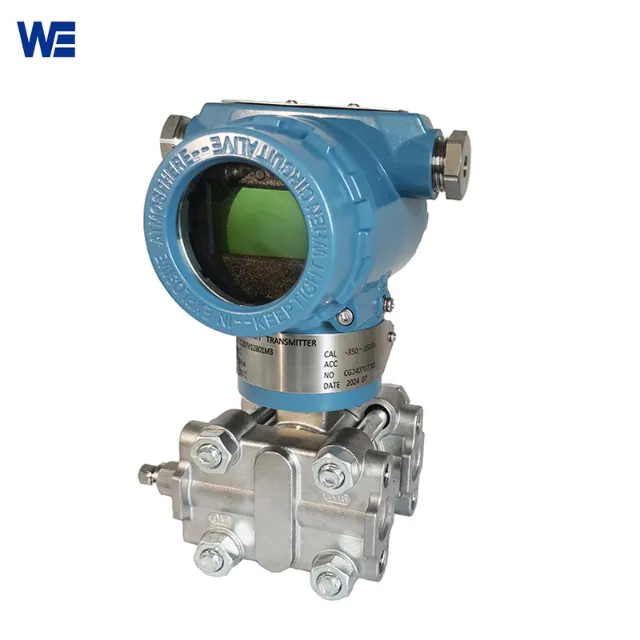
A Diaphragm Seal Level Transmitter is one of those devices. It uses a special design that keeps the sensor away from direct contact with the liquid. The seal protects it and passes the pressure through a safe fluid. For places where hygiene and safety are strict, this type of transmitter is more than useful. It is vital. Makers like Wepower Electronic provide diaphragm seal solutions that meet these needs across global food and pharma plants.
1)Why Hygiene and Accuracy Matter in Food and Pharma
Strict Industry Regulations
Food and pharma lines follow tough rules. Standards such as GMP or FDA demand that all gear in contact with product be clean, smooth, and safe. Any part that touches the medium must resist corrosion. It must also be easy to wash so no bacteria remain.
Accuracy is another pillar. In pharma, even a small mistake in level or pressure can ruin a batch. In food, a tiny error can change flavor or texture. So, transmitters must give steady readings no matter the process condition.
Risks of Using Conventional Pressure Transmitters
Standard transmitters face many limits. Thick liquids can block them. Sticky media may coat the sensor. Corrosive fluids may damage the body. In dairy or drug production, leftover liquid can carry into the next run, causing contamination. These problems raise safety issues and slow down production.
2)What is a Diaphragm Seal Level Transmitter?
Basic Working Principle
During operation, the diaphragm transmits the process pressure to the filling fluid, and the filling fluid transmits the pressure to the sensing diaphragm of the sensor. The sensing diaphragm changes under pressure, and the sensing diaphragm and electronic components convert this change into a corresponding output signal.
Key Design Features
Modern Diaphragm Seal Level Transmitters are built for stable service.
Hygienic metals like 316L stainless steel, Hastelloy, titanium, and tantalum are used for diaphragms.
They offer flanges or Tri Clamp for clean pipe fitting.
High temperature silicone oil transfers pressure without leaking.
Strong housings and IP67 safety ratings make them ready for rough sites.
Based on product guides, we know that designs with careful welding and tested fill fluids reduce drift and keep accuracy over long use.
3)Benefits of Diaphragm Seal Level Transmitters in Food and Pharma
Preventing Cross Contamination
Contamination between batches is a major fear. If residue stays in a sensor, it may spoil the next lot. Diaphragm Seal Level Transmitters lower this risk. They have smooth surfaces. They are easy to clean and support CIP (clean in place) and SIP (steam in place). That means quick cleaning and safer operation.
Safe Handling of Aggressive or Toxic Media
Some food or pharma processes need acids, bases, or solvents. If a normal sensor is used, it may fail or leak. The diaphragm seal holds these fluids back. The medium never enters the sensor body. For toxic or harmful fluids, this makes a big safety difference.
Accurate Measurement in Complex Media
Liquids like syrup, cream, or drug slurry are heavy and sticky. They often contain solids. A seal stops clogging and keeps the sensor free. So, the transmitter still shows stable readings even when liquids are hot, thick, or mixed with particles.

4)Typical Applications in Food and Pharma
Dairy and Beverage Production
In milk plants, transmitters track tanks and cream lines. In beverage plants, they follow juice or beer levels. The diaphragm surface is smooth and hygienic, so no flavor or smell is changed.
Pharmaceutical Manufacturing
Pharma needs both sterile and accurate tools. Diaphragm Seal Level Transmitters fit fermenters, reactors, and purified water systems. They meet hygiene rules while giving ±0.1% span accuracy, as found in WE3051 series devices.
Cleaning and Sterilization Processes
CIP and SIP cycles are daily jobs. These transmitters survive steam cleaning at +250 °C. Accuracy is not lost, even after many rounds of cleaning. This keeps them reliable for long runs of production.
5)Why Choose Wepower Electronic for Diaphragm Seal Solutions
Proven Product Quality (WE3051 Series)
Since 2003, Wepower has made transmitters for tough jobs. The Diaphragm Seal Level Transmitter offers ±0.1% accuracy, strong seals, and a wide choice of diaphragm materials.
Flexible Installation Options
No two plants are the same. Wepower offers ANSI, DIN, JIS, and Tri Clamp setups. This wide range makes it easier to connect with existing pipes or tanks.
Service and Support
Picking the right diaphragm can be tricky. Wepower Electronic provides full service, from early advice to after sales care. This means customers get help during setup and support during operation.
Conclusion
For food and pharma, safety and hygiene always come first. Diaphragm Seal Level Transmitters give both. They protect against contamination, keep workers safe from leaks, and handle heavy or hot fluids without clogging.
Wepower Electronic delivers transmitters that fit the strict demands of these industries. With proven quality, flexible fittings, and reliable support, they remain a strong partner for safe and accurate measurement.
FAQ
Q1: Why is a Diaphragm Seal Level Transmitter better than a standard transmitter in pharma?
A1: Because it blocks direct contact, avoids contamination, and supports hygienic rules.
Q2: Can Diaphragm Seal Level Transmitters handle CIP and SIP cleaning?
A2: Yes, they can take high temperature cleaning and sterilization cycles.
Q3: What Diaphragm Materials Are Suitable For Food And Pharma Use?
A3: SS316L, Hastelloy, titanium, and tantalum are common hygienic grade choices. Wepower guarantees that all materials meet the standards.
Q4: Are Diaphragm Seal Pressure Level Transmitters accurate enough for small batch production?
A4: Yes, with ±0.1% accuracy, they support both large and small production runs.
Q5: Does Wepower provide custom solutions for food and pharma clients?
A5: Yes, Wepower offers custom setups, materials, and connection types for industry needs.