- Have any questions?
- +86 15953537010
- admin@wepower-electronic.com

Introduction
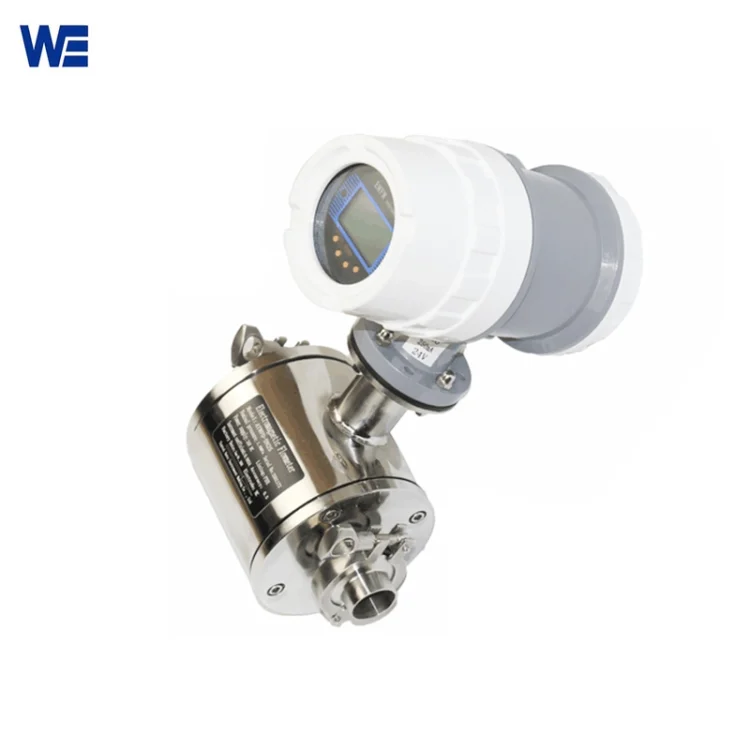
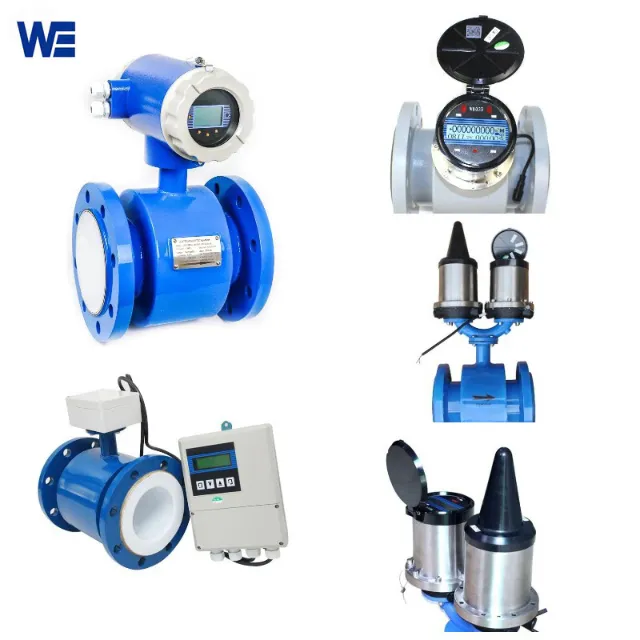
Accurate flow measurement keeps industrial automation running smooth. Without it, production may malfunction, resulting in wasted resources and time. The Magnetic Flow Meters face challenges like buildup or shifts in conditions that throw off readings. Calibration can fix these, boosts reliability, and cuts down on costly errors. Simple as that.
1)Magnetic Flow Meter Calibration
What is Calibration? Why It Matters?
Calibration is that adjust a Flow Meter so its readings match a known standard. In flow measurement, this ensures the device reports the right volume or rate of liquid passing through.
It directly impacts accuracy. Improper calibration can lead to overestimation or underestimation, thus affecting the quality of the measured medium and other factors. Process efficiency suffers too. Factories might produce subpar products or face shutdowns. Get it right, then everything flows better.
Types of Errors in Magnetic Flow Meters
Zero drift happens when the meter shows flow even with no liquid moving. It’s sneaky, often from electrode issues or magnetic field changes.
Linearity error creeps in across different flow rates. The meter might be spot on at low speeds but way off at high ones. Noise interference? That’s electrical buzz from nearby equipment scrambling signals.
Environmental factors play a big role. Temperature swings expand materials, altering measurements. High vibration shakes things loose. Even fluid properties, like the increase or decrease in conductivity in certain mixtures, can skew results. These aren’t rare; they hit most setups eventually, especially in harsh plants.
2)Calibration Methods
Laboratory Calibration
Lab calibration tests the meter under controlled conditions using a standard reference flow, such as a gravimetric system or calibrated pump.
Pros include top precision and full diagnostics. Techs can spot hidden flaws. Cons? It’s expensive and requires removing the meter, causing downtime. Not ideal for big installations where pulling equipment means halting production lines. Still, for critical apps, it’s worth the hassle.
Field/On site Calibration
On site calibration keeps the meter in place. Start by isolating the section, then run known flows through it.
Step by step: Shut off flow, check for leaks. Introduce a reference fluid at set rates. Compare meter output to a portable standard. Adjust as needed.
Tools include portable flow references, multimeters for signals, and software for data logging. Equipment like clamps or simulators helps simulate conditions without full disassembly. This method saves time, but accuracy depends on the tech’s skill.
Digital and Automatic Calibration
Modern meters come with built in self calibration features. They run diagnostics automatically, checking coils and electrodes without stopping operations.
Wepower Electronic instruments simplify calibration with smart sensors that adjust in real time. Their models use algorithms to correct for drift, making routine checks quicker. No need for constant manual tweaks; the system handles most of it.

2)Step by Step Field Calibration Guide
- Preparing the meter and pipeline comes first. Drain the line completely. Inspect for debris or damage. Make sure theflowmeter is grounded properly to avoid electrical problems.
- Establish baseline measurements next. With no flow, record the zero point. Then, pump fluid at low, medium, and high rates. Note the readings each time.
- Adjusting zero and span follows. Zero out any offset at standstill. Span adjustment scales the output to match full range. Use the meter’s interface or software for these tweaks.
- Verification against a standard reference seals it.Compare to a certified device. If off by more than tolerance, recalibrate. Sometimes,you need to repeat this loop a few times till it sticks.
- Safety and precaution tips: Wear PPE, lock out power sources. Watch for pressure buildup. And hey, if the fluid’s hazardous, doublecheck seals. One slip, and it’s a mess nobody wants.
3)Troubleshooting Common Calibration Issues
Low conductivity or turbulent fluids cause headaches. Conductivity below spec? The meter can’t generate a strong signal. Additives might help, but test first. Turbulence from bends or pumps distorts flow profiles. Install straighteners upstream to calm it down.
Electrode coating or liner wear builds up over time. Coatings from minerals insulate electrodes, faking low flow. Clean with approved chemicals. Worn liners let leaks or erode signals. Replace them before calibration fails flat.
Signal noise and environmental interference often stem from poor installation. Ground loops or nearby motors buzz in. Shield cables better. Relocate if possible. In one case, a factory fixed noise by just rerouting wires—simple fix, big difference.
4)Best Practices for Long Term Accuracy
Recommended calibration frequency varies. For clean water, every year or two. Harsh chemicals? Check quarterly. Follow manufacturer guidelines, but monitor performance trends to adjust.
Record keeping and historical comparison matter a lot. Log every calibration: dates, adjustments, conditions. Compare over time to spot patterns, like gradual drift signaling wear.
Maintenance tips to extend Flow Meter lifespan: Flush lines regularly. Avoid extreme pH fluids if not rated. Inspect electrodes during shutdowns. Keep firmware updated. These habits prevent surprises, keeping accuracy high without constant overhauls.
Conclusion
Key takeaways: Regular calibration catches errors early, ensures precise readings. Master field methods for quick fixes, troubleshoot common snags to stay ahead.
Proper calibration enhances industrial efficiency by minimizing waste, improving quality control. Processes run smoother, costs drop.
For over 20 years, Wepower Electronics has been dedicated to precision automation and has made precise measurement easier through innovative tools.
FAQ
Q: How often should the magnetic flow meter be calibrated?
A: Recommended frequency varies by application; generally 6–12 months.
Q: Can calibration be done without stopping the process?
A: Some digital meters allow live adjustments; field calibration may require flow interruption.
Q: What equipment is needed for accurate field calibration?
A: Standard reference flow, calibration tools, and sometimes portable calibration rigs.
Q: How to handle low conductivity or corrosive fluids during calibration?
A: Special electrode materials and liners may be required; follow manufacturer guidelines.
Q: Can a magnetic flow meter self calibrate automatically?
A: Modern instruments offer auto calibration features but verification is recommended.