- Have any questions?
- +86 15953537010
- admin@wepower-electronic.com

1)Introduction
Picking the perfect level measurement tool might seem easy at first. But, if you’ve ever managed a big water tank or an oil storage system, you know it’s not so simple. Float ball level switches are old but trusty devices. They’re popular because they’re accurate, easy to use, and work in many situations.
If you’re trying to find the best Float Ball Level Switch for water, fuel, or even harsh liquids, this guide will help. It explains the key points clearly. By the end, you’ll know what suits your needs, what details to check, and why custom options can matter a lot.
3)What Is a Float Ball Level Switch?
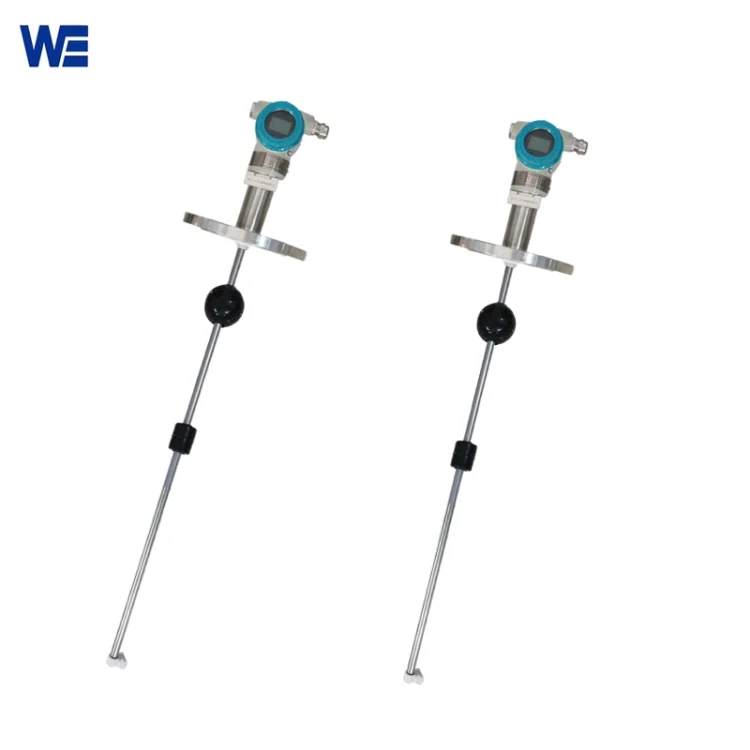
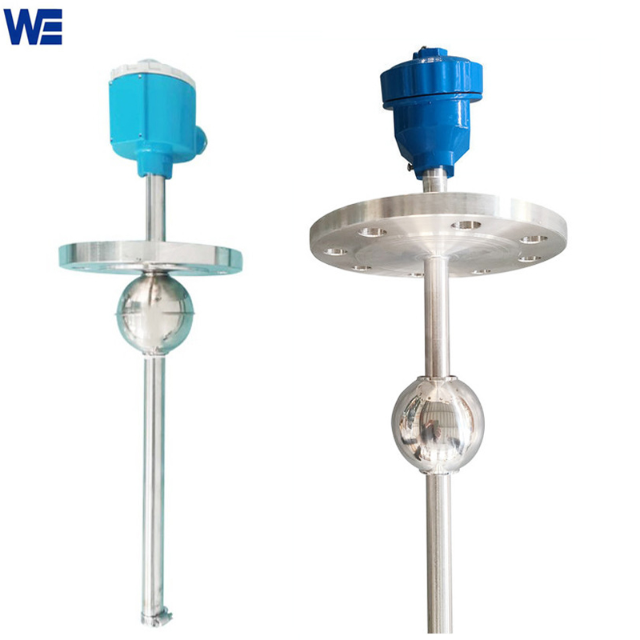
A Ball Float Type Level Switch is a tool placed on top of a tank. It tracks the liquid level inside. The idea is simple: a floating ball rises or falls with the liquid. This movement turns into a signal, usually 4-20mA, for controlling or checking the system.
Here are some important specs to know:
- Measuring Range: 299 mm to 8999 mm
- Power Supply: 24VDC
- Accuracy: ±5 mm to ±10 mm
- Medium Density: 0.5–2 g/cm³
- Working Temperature: -40℃ to 200℃, depending on custom changes
- Pressure Level: up to 10 MPa
- Wetted Materials: SUS304, SUS316L, PP, and more
- Protection Class: IP65
In short, these switches are tough, flexible, and surprisingly up to date despite their basic design.
3)Why Tank Type and Medium Matter
You can’t just grab any device off the shelf. The tank’s type and the liquid inside affect your choice. Let’s break it down clearly.
1. For Water Tanks
Water tanks are common in city water systems, factories, or cooling setups. You may need a Float Switch for Water Tank. Here’s what to think about:
- Temperature Range: Usually stays between -40℃ and 100℃.
- Material Choice: Stainless steel like SS304 or SS316L works well.
- Accuracy Needs: ±10 mm is often good enough for water systems.
For example, imagine a commercial building with a 3000 mm deep water tank. A float ball level switch with IP65 protection can easily handle pump control tasks.
2. For Fuel and Oil Tanks
Fuel tanks bring unique challenges. They hold flammable or thick liquids and are often outdoors.
- Temperature Resistance: Can go up to 200℃ with custom options.
- Accuracy: ±5 mm is often needed to prevent overfilling dangers.
- Float Size: Bigger floats, like ¢75 mm, work better for oil’s density.
For instance, a diesel tank in a transport yard needs precise measurements for safe loading. A switch with a ¢75 ball and SUS316L material gives both accuracy and strength.
3. For Corrosive Liquids
Harsh liquids, like strong acids or alkalis, can be tricky. They can damage the wrong materials quickly.
- Protective Materials: PP or PTFE parts are a must.
- Customization: You’ll likely need a tailored solution, as standard steel won’t last.
For example, in a chemical plant with a tank of hydrochloric acid, a PP float switch with PTFE lining prevents fast wear.
4)Key Parameters to Consider When Choosing
When picking a float ball level switch, use this handy checklist:
When selecting a Float Level Sensor, consider key parameters: the measuring range must match tank depth, while a 24VDC power supply integrates easily. A 4-20mA output signal ensures compatibility with industrial systems.
Accuracy of ±5 mm is ideal for fuel, ±10 mm for water. Larger floats suit viscous liquids, and the working temperature matters for hot or outdoor tanks. Choose wetted materials like SUS316L for oil or PP/PTFE for corrosive liquids. For pressurized tanks, ensure pressure resistance up to 10 MPa. These factors ensure reliable performance tailored to specific liquid and tank conditions.
5)Customization Options and Why They Matter
Not every tank is standard. Some are very deep. Others hold super hot liquids or need special fittings. That’s when custom designs save the day.
Yantai Wepower Electronic Co., Ltd. offers tailored float ball level switch solutions. The company specializes in automation tools, providing full support from production to technical help and R&D. Wepower can craft custom switches for unique flanges, high temperatures, or corrosive liquids.
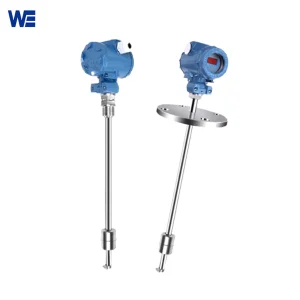
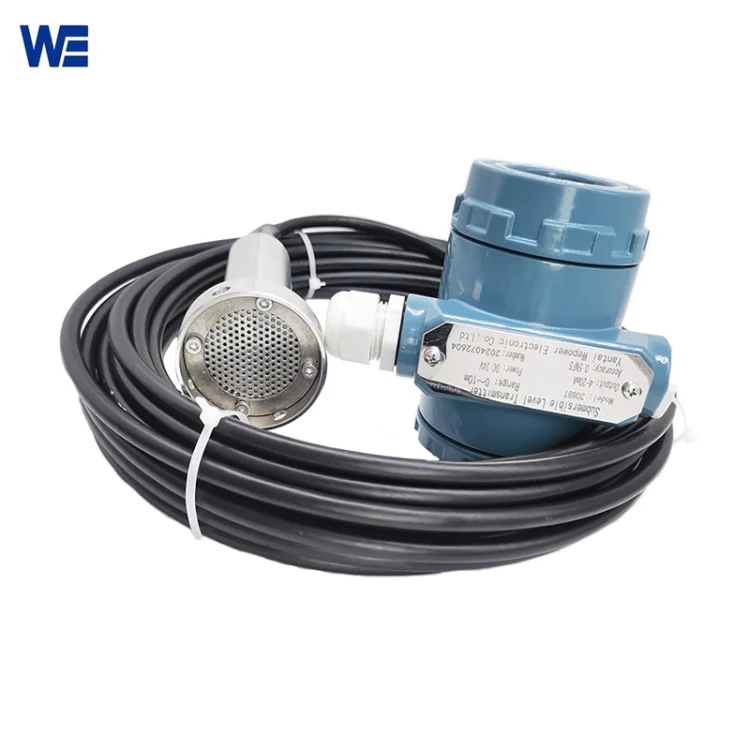
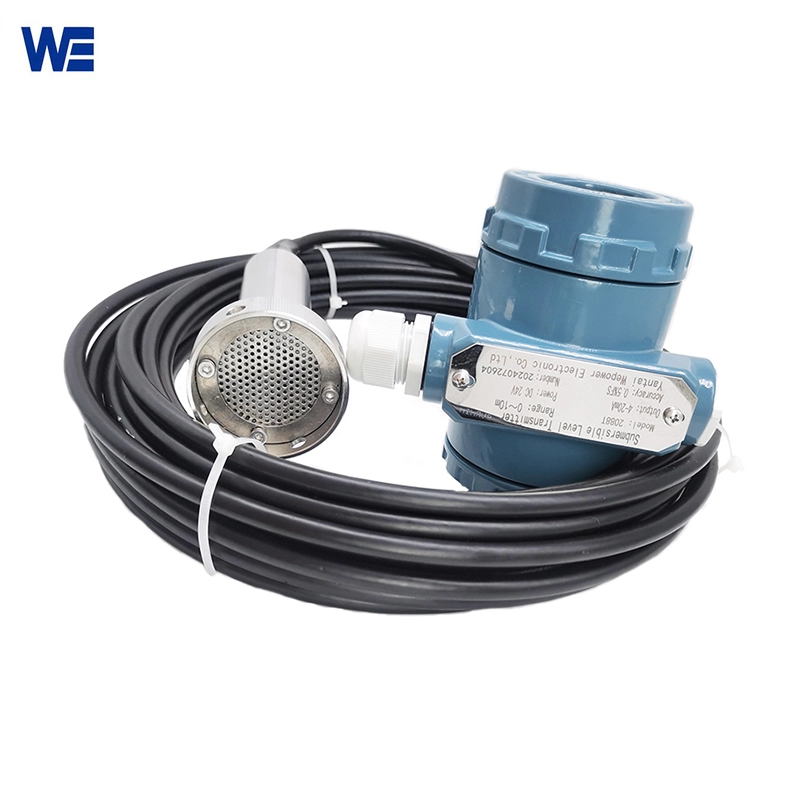
Float ball level switches are reliable and budget friendly. But Wepower also offers other tools for different needs:
- Ball Floating Level Meter: Perfect for basic level checks.
- Reed Type Level Sensor RS485: Gives digital signals for smart systems.
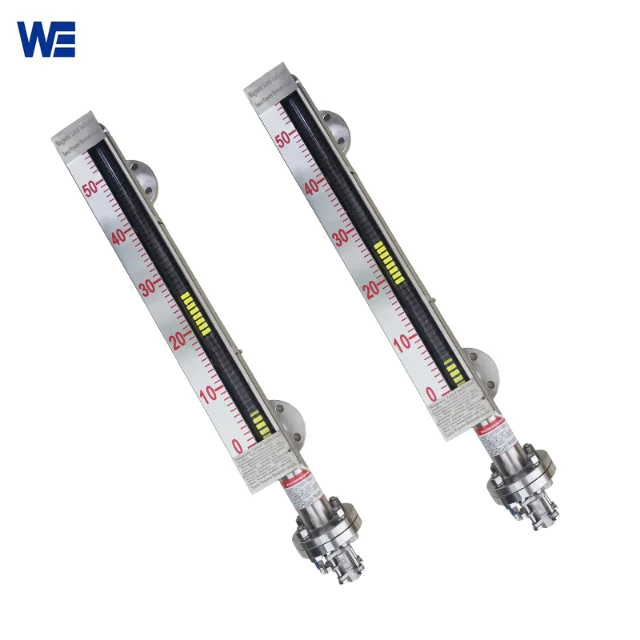
- Magnetic Float Level Transmitter: Offers higher accuracy and continuous readings.
- Float Switch for Water Tank: Simple to install for homes or businesses.
Each tool meets slightly different needs. Yet, they all share strong builds and flexibility.
6)Example: A Chemical Plant Upgrade
A medium sized chemical plant in northern China faced constant issues. Their imported float switches failed fast. Aggressive solvents ate away at the sensors in just months. Then, they switched to Wepower’s custom PP float ball level switch with PTFE lining. The result? The switches lasted over 2 years instead of less than 6 months.
The plant manager was surprised. He said, “We thought all float switches were pretty much the same. But the right custom design stopped our downtime and kept things running smoothly.”
Conclusion
Choosing the right float ball level switch isn’t just about tech. It’s about safety and saving money too. Think about the liquid, the tank’s details, and custom options. This helps avoid breakdowns and boosts reliability. Wepower’s expertise and product range make picking the right tool easier and more dependable.
FAQs
How to choose the right float ball level switch for water and oil tanks?
Start by checking the liquid type and tank depth. Also, consider accuracy and material needs. Water tanks often use basic stainless steel switches. Oil tanks need tighter accuracy and sometimes bigger floats.
Can float ball level switches handle corrosive liquids?
Yes, but only with proper materials. For harsh liquids, PP or PTFE switches are best. Wepower provides these custom options.
What is the difference between a float ball level switch and a magnetic float level transmitter?
A float ball level switch detects specific levels. A magnetic float level transmitter gives continuous measurements with better accuracy.
What is the typical lifespan of a float ball level switch?
With the right materials, they can last years. In harsh or hot settings, lifespan depends on choosing the correct custom design.
Why is accuracy important in choosing a float ball level switch for oil tanks?
Overfilling or underfilling fuel tanks can cause safety risks or waste. It may also break rules. An accuracy of ±5 mm is often needed for oil.