- Have any questions?
- +86 15953537010
- admin@wepower-electronic.com

1)Factors to Consider When Choosing a Radar Level Transmitter
Importance of Measurement Accuracy in Radar Transmitters
Getting the right measurements is super important for a radar level transmitter. It helps keep process control systems working well. Accurate devices make sure you know the exact level of materials. This stops problems like overflows or shortages. It also keeps processes running smoothly. For example, Wepower’s radar sensor is really precise. It sends and receives electromagnetic waves at light speed. Then, its smart microprocessor figures out the time difference. This gives steady measurements and sends a 4-20MA signal to work with automation systems easily.
The Role of Process Conditions in Selecting a Radar Level Transmitter
Conditions like heat, pressure, dust, or steam matter a lot when picking a radar transmitter. Some devices are built for tough spots. For instance, the high temperature radar level transmitter with purge handles high heat and dusty areas well. Its non-contact design means it doesn’t wear out or get dirty. Checking these conditions helps you pick a radar level transmitter that works great in your specific setup.
Material Compatibility and Its Impact on Selection
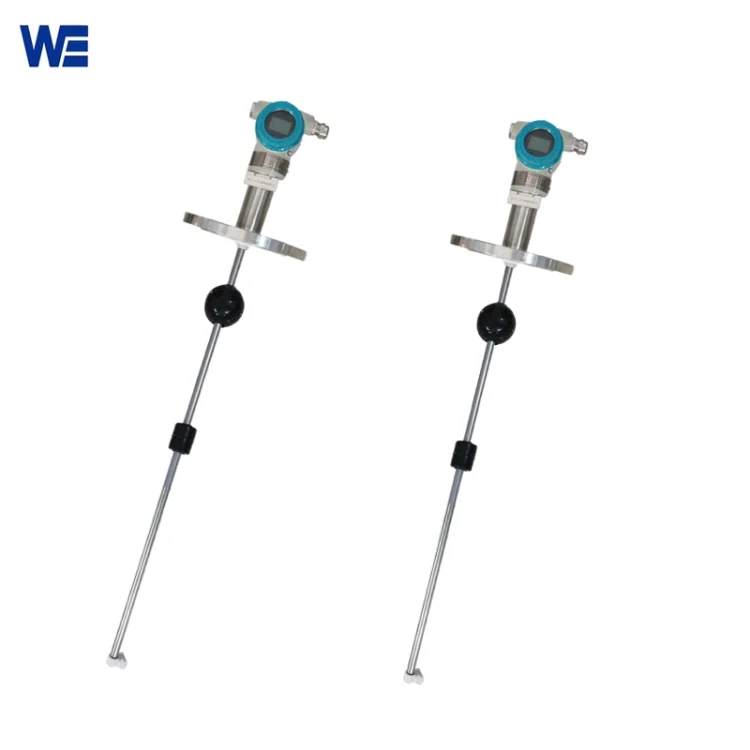
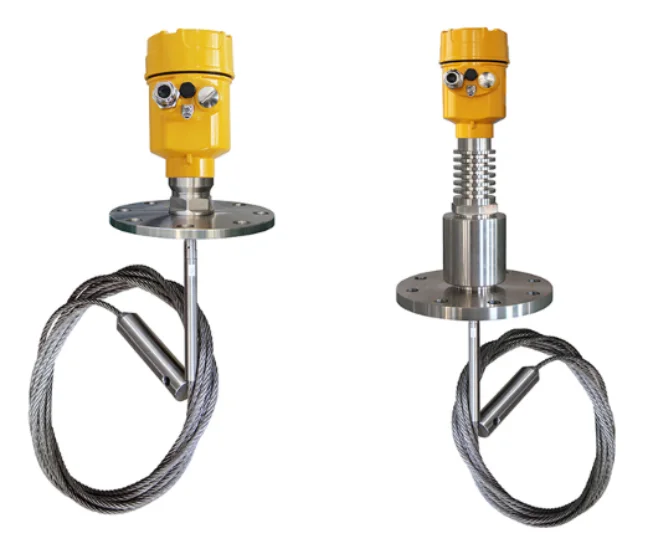
The radar transmitter must work with the stuff you’re measuring, like liquids, powders, or solids. Different materials need different solutions. For example, a guided wave radar level transmitter uses steel cables or rods. These are good for materials with low dielectric constants or high-pressure jobs. They work in both metal and non-metal tanks, making them super flexible for many industries.
Evaluating Installation Requirements for Optimal Performance
You need to think about tank size, shape, and how to mount the radar level transmitter. Small devices with tiny antennas are great for tight spaces. The WERD-9X series 80GHz FM radar level meter is a good example. It uses millimeter-wave tech and has small launch angles. This makes measurements super accurate, even in small spots. Also, make sure the highest material level stays out of the measurement dead zone. This keeps readings correct.
2)How to Choose the Right Radar Level Transmitter for Your Application
Assessing Specific Application Needs for Accurate Selection
To pick the right radar transmitter, you need to know your job’s needs. Think about the material type, like liquid or solid. Consider the environment, like heat or dust. Also, check the measurement range and signal type you want. For example, industrial storage tanks do well with high-frequency radar transmitters like 26GHz ones. They have strong anti-interference powers, so they work great in tough spots.
Understanding Frequency Range and Its Relevance in Different Environments
The frequency of a radar transmitter changes how it works in different places. High-frequency ones, like 80GHz Radar Level Transmitter, have narrow beams. They’re super precise, especially in small tanks. Lower-frequency radars are better at cutting through dust but might not be as exact. Picking the right frequency helps your radar level transmitter do its best in your setup.

3)Why Choose Wepower Electronic Co., Ltd.?
Expertise in Automated Instruments Since 2003
Wepower Electronic Co., Ltd., located in Yantai’s seaside city, has been a big name in automated tools since 2003. Our long experience means we make awesome radar level transmitters. We offer smart solutions that fit many industry needs.
Comprehensive Technical Support and After-Sale Services
Wepower Electronic gives help any time you need it. Our skilled team supports you during setup, use, and fixes. This makes sure your radar transmitter works great from start to finish.
Commitment to Quality and Customer Satisfaction
Wepower Electronic cares about making top-quality products. We keep improving our radar level transmitters to meet new industry needs. Our focus on happy customers means you get reliable, high-performing devices.
4)Benefits of Using a Radar Level Transmitter in Industrial Applications
Enhanced Efficiency Through Precise Measurement Capabilities
Radar level transmitters give super accurate measurements. This helps industries keep track of material levels easily. Devices like the WERD-60X guided wave radar level transmitter use smart echo tech. They give exact results, even in tough conditions, making work smoother.
Reliability Under Challenging Process Conditions
Radar transmitters are tough. They work well in extreme heat, high pressure, or dusty places. They don’t lose accuracy or break down easily, so they’re great for hard industrial jobs.
Long-Term Cost-Effectiveness for Industrial Operations
A good radar level transmitter saves money over time. Their strong build means less fixing and upkeep. They also work well with automation systems, which boosts work efficiency and cuts costs.
Frequently Asked Questions (FAQ)
What is a radar level transmitter used for?
A radar level transmitter measures levels of liquids or solids in tanks. It sends electromagnetic waves that bounce off the material and come back to the device.
How do I choose between guided wave and non-contact radars?
A guided wave radar level transmitter is great for high-pressure or low-dielectric materials. It uses steel cables or rods. Non-contact radar transmitters are better when you don’t want the device touching the material.
Can radar transmitters work in dusty environments?
Yes! Models like Wepower’s radar level meters have strong anti-interference skills. They work well in dusty or steamy conditions.
What factors affect the accuracy of a radar level transmitter?
Things like setup alignment, heat, pressure, material type, and dead zones can change accuracy. Picking the right radar transmitter helps avoid these issues.
Why should I consider Wepower Electronic’s products?
Wepower Electronic makes smart radar level transmitters. They’ve got years of know-how, great support, and a focus on quality to meet your industry needs.
For more info about our products or help from our team at Wepower Electronic Co., Ltd., reach out today!