- Have any questions?
- +86 15953537010
- admin@wepower-electronic.com

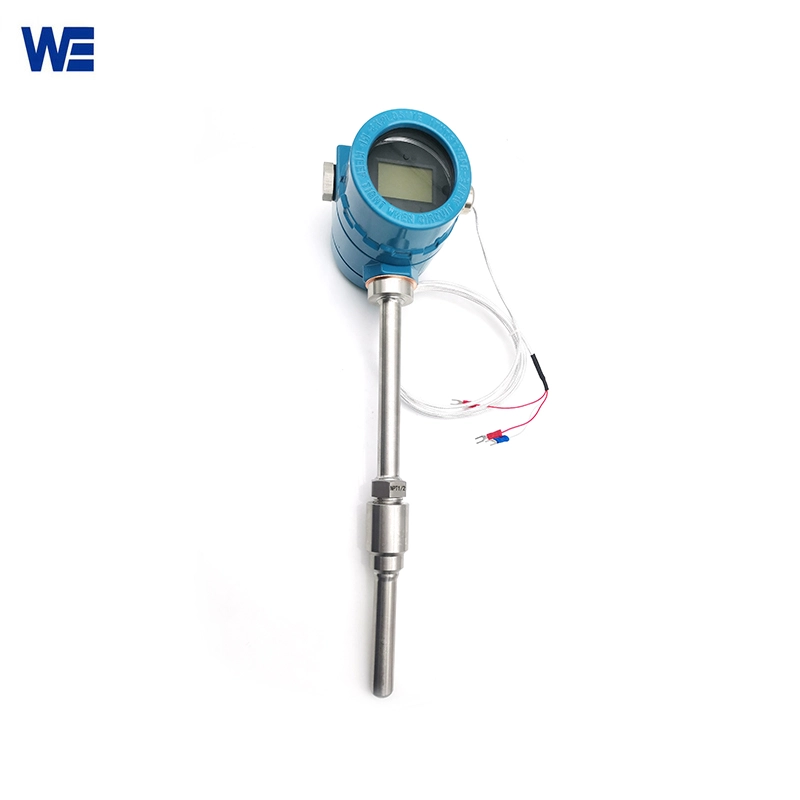
Selecting the right temperature transmitter is not just about picking a model with the top specs—it’s about fitting the device to your process, surroundings, and future needs. The wrong pick can cause wrong data, more upkeep, or even system stops. The right one brings steadiness, safety, and good performance in many industrial uses.
1)Key Factors in Selecting a Temperature Transmitter
Evaluating Measurement Range Requirements
To be honest, define the lowest and highest temperatures that your application will meet. For example, if you watch a furnace in a chemical plant, you may need to measure temperatures up to 1600°C. But HVAC applications may only require a range between -20°C and 100°C.How to handle this kind of situation?
Avoid to select a transmitter with much broader range than you need. Not only can increase costs, but it might also lower measurement detail. The transmitter’s type determines the recommended measurement range, for example, thermocouples like type B can measure 600-1600°C, while RTDs like Pt100 are suitable for -200 to 850°C.
Assessing Accuracy and Stability Requirements
Figure out the level of exactness required for your specific application. In drug making, even a ±0.1°C mistake might be too much. But for regular HVAC control, ±1°C might be enough.
The HART LCD Temperature Transmitter WZPB Serie offers accuracy of 0.1% for RTD and 0.2% for thermocouples. Also check long term drift—“Long term stability is 0.1°C/year or 0.05%/year.” This is key in systems that don’t allow frequent recalibration.
Choosing Between Analog and Digital Output Signals
Analog (4–20 mA) stays common due to its ease and resistance to noise over long distances. However, digital options like HART or Modbus provide checks and multi variable sending.
The two wire temperature transmitter can convert different types of input signals into standard 4~20mA output signal and supports HART communication protocol.
Check if it works with your control system—some DCS platforms need certain signal types. In big places with long cable runs, digital signals help keep signal quality better.
2)Sensor Compatibility and Performance Characteristics
Selecting the Appropriate Sensor Type (RTD vs Thermocouple)
RTDs (like Pt100) are known for their precision and consistency but are limited in temperature range (up to ~850°C). Thermocouples (like type K or S) deal with much higher temperatures but with a bit less precision.
For cold applications (e.g., -200°C), go with RTDs. For steel making processes over 1200°C, thermocouples are your best choice.
Importance of Response Time in Dynamic Processes
In quick changing settings—say in engine testing or heat treatment—slow response could lead to unsafe waits. RTDs usually have slower response than thermocouples, but you can improve that by sensor placement.
Also think about mechanical design: armored sensors are tough but may slow response time because of thicker protection layers.
3)Environmental Considerations for Harsh Conditions
Evaluating Protection Ratings (IP grade Standards)
If your transmitter works in water spray, dust, or harsh fumes, IP65 or higher (or NEMA 4X) enclosures are necessary. For washdown areas like food lines, use sanitary rated enclosures.
The transmitter’s ABS shell and anti surge, anti lightning design enhance reliability under harsh conditions.
Durability in High Vibration or High Humidity Environments
In moving or industrial applications with shaking (e.g., compressors or turbines), make sure the transmitter housing and mounting can handle mechanical stress.
Humidity is another thing—pick transmitters with sealed enclosures and materials that resist corrosion for long term use.
4)Installation and Integration Aspects
Mounting Configurations and Process Connections
Depending on space limits and setup style, you may choose from DIN rail mount (common in control cabinets), wall mount, or direct sensor integration.
The integrated two wire temperature transmitter module is installed in the junction box of thermocouple or RTD products.
Process connections also count—threaded types work well for general industries; flanged or sanitary fittings are needed in clean environments like food processing.
Electrical Interface and Wiring Considerations
Plan your wiring with care. Use shielded cables to stop EMI problems. Grounding practices should follow your industry rules—bad grounding often causes noisy signals or odd readings.
5)Operational Support and Lifecycle Costs
Evaluating Supplier Support and Documentation Availability
Choose makers who offer strong support—installation manuals, calibration certificates, wiring diagrams are must haves. “Users can use buttons or HART communication equipment for configuration settings.”
Wepower Electronic stands out here by offering lifetime technical support along with detailed manuals and user guides.
Long-term Maintenance and Replacing Plan
Choose models that support easy recalibration and quick sensor replacement. Diagnostics like loop current monitoring or alarm outputs help with planning upkeep.
6)Application Specific Recommendations by Industry Environment
Industrial Manufacture Setting (e.g., Chemical Plants)
These places demand explosion proof certifications and housings that resist corrosion. Thermocouples with built in transmitters are preferred for high temperature pipelines.
Wepower Electronic provides rugged transmitters ideal for such tough conditions across chemical, petroleum, and metallurgy sectors.
Food & Beverage Processing Environments
Clean design is crucial—sanitary grade probes with smooth finishes prevent bacterial growth. Look for EHEDG or 3A certified solutions.
Also to be prompt response time for accurate control during CIP (clean in place) processes.
HVAC Systems in Commercial Buildings
Here, low cost and enough precision are key. An RTD based system with 4–20 mA output can handle most indoor climate control needs well.
Preconfigured Wepower temperature transmitters can simplify installation in BMS systems without compromising reliability.
Energy Sector Applications (e.g., Power Plants)
High heat tolerance and steady output under load changes are a must. Backup transmitters may be necessary in safety critical spots like turbine exhaust lines. Temperature coefficient ≤25ppm/℃ F.S ensures output remains stable even under thermal shifts.
About Wepower Electronic
Wepower Electronic, a trusted temperature transmitter manufacturer based in China’s Yantai ETDZ zone, offers tailored automation solutions spanning temperature, pressure, flow, level, density and viscosity measurements. With deep roots in industrial process automation, their devices are engineered for long term stability and field reliability.
FAQs
Q1: Can I use one transmitter model for both RTD and thermocouple?
Yes, many Wepower models support multiple sensor types with selectable input configurations.
Q2: What are the differences between 2 wire RTD and 4 wire RTD?
2 wire setups are simpler but less accurate; 4 wire offers better compensation for lead resistance.
Q3: How often recalibrate the temperature transmitter?
It depends on actual site conditions—typically annually, but harsh environments may require more frequent checks.
Q4: Does HART protocol interfere with the analog signal?
No—“HART signal is transmitted synchronously with the 4~20mA current signal output by the temperature transmitter.”
Q5: Can I install transmitters outdoors without enclosures?
Only if they’re rated for outdoor use—check IP ratings before installation.