- Have any questions?
- +86 15953537010
- admin@wepower-electronic.com

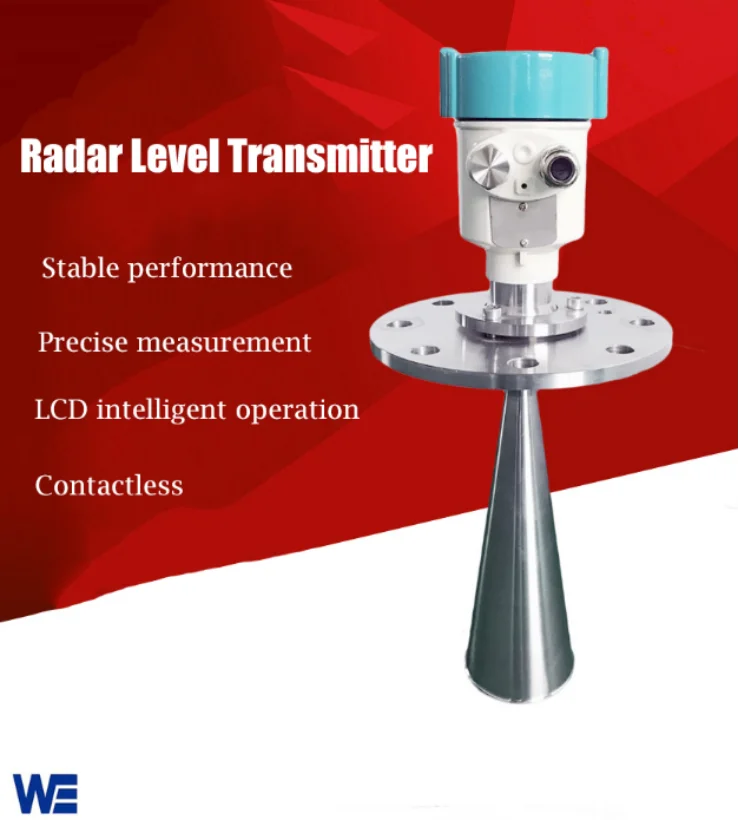
1)Common Signs of a Faulty Radar Level Transmitter
Unsteady or Wobbly Readings
A clear sign of a problem with a non contact radar level transmitter is when readings jump around a lot. If the material in the tank stays steady but the readings change, something might be wrong. The device could have issues inside, or something outside might be messing it up.
No Signal or Missing Signal
Another big clue is when the radar transmitter stops sending a signal altogether. This means it might not be sending out microwaves properly. Or, it could mean the reflected waves aren’t coming back. Devices like the WERD series radar level sensors use their antennas to send and catch electromagnetic waves quickly. If the antenna is damaged or blocked, the signal might disappear completely.
Too Many False Alarms
False alarms from a radar level transmitter can be annoying and risky in factories. These alarms happen when something messes with the measurements. For instance, wet stuff on the antenna or a lot of dust buildup can trick the device. This causes it to give wrong readings or set off alarms for no reason.
2)Causes of Faults in Non Contact Radar Level Transmitters
Weather and Surroundings Affecting Performance
The environment can really affect how a non contact radar level transmitter works. Things like very hot or cold temperatures, lots of moisture, or changing pressure can make it less accurate. The Wepower’s radar level meters are built for tough conditions, like high heat or materials that are hard to measure. But even these strong devices can struggle if the surroundings are too harsh without regular care.
Interference from Nearby Objects or Machines
Nearby objects or machines can mess up the signals from a radar transmitter. For example, metal tanks might bounce signals in odd ways. Other electronic gadgets could also create noise that confuses the device. The 80G radar level meter has a narrow antenna beam and good anti-interference features to help avoid these problems. Still, interference can sometimes cause issues.

Mistakes During Setup
Setting up a radar level transmitter wrong is a common reason for problems. If the antenna isn’t lined up right or placed in the wrong spot, it won’t work well. Also, not paying attention to the device’s blind zones can cause errors. For instance, with the WERD-9X series, you need to make sure the measured level doesn’t go into the dead zone area.
3)Steps to Diagnose Issues in a Radar Level Transmitter
Checking Power and Wires
Start by making sure your radar level transmitter has steady power. Check all the wires to see if they’re tight. Loose wires or changing power can stop the device from working right.
Looking at the Antenna for Damage or Dirt
Take a close look at the antenna. Check for any damage or stuff like dust stuck on it. A dirty antenna can block signals from being sent or received properly.
Making Sure Settings Are Correct
Check that the device’s settings match what you need for your tank or application. Wrong settings can lead to bad measurements or make the radar transmitter act up.
4)When to Seek Professional Assistance for Repairs or Replacement
Spotting Hard-to-Fix Technical Problems
If simple checks don’t fix the radar level transmitter, you might need expert help. Problems with the device’s insides, like its circuits or software, are too tricky for most people to handle alone.
Deciding Between Fixing or Replacing
Think about whether fixing the device is worth the cost. Compare it to buying a new one. Newer models, like the 80G radar level meter, have better accuracy and work faster. If fixing the old one costs too much, getting a new one might save money in the long run.
5)Frequently Asked Questions
Q: How do I know if my non contact radar level transmitter needs recalibration?
If readings keep changing even when the tank’s contents don’t, it’s probably time to recalibrate.
Q: What surroundings most often cause problems for these transmitters?
Very hot or cold weather, lots of moisture, and pressure changes can mess up performance.
Q: Can I clean my radar transmitter’s antenna myself?
Yes, you can wipe it gently with a soft cloth to clear dust or dirt. Don’t use rough materials that might scratch it.
Q: What should I do if my device keeps giving false alarms?
Look for things like wet spots on the antenna. Also, check if the settings are correct.
Q: When should I think about replacing my radar transmitter?
If repairs happen too often or cost too much, consider a new model. Advanced ones from Wepower Electronic might work better.
Reach out to Wepower Electronic for more details about our dependable products for all kinds of industrial needs! Based in Yantai since 2003, we provide top-notch technical support and after-sale services to meet your needs.