- Have any questions?
- +86 15953537010
- admin@wepower-electronic.com


Running tanks, pipelines, or chemical containers means you need the right tools to keep things moving smoothly. Pressure level transmitters and differential pressure transmitters are both common picks, but they’re built for different jobs. Choosing the wrong one might mess up your measurements, jack up repair costs, or even create safety risks.
If you’re an engineer or buyer hunting for trustworthy gear, teaming up with a solid supplier is key. Wepower Electronic has loads of real world experience in level and pressure measurement. They’ve got a big lineup of products, like pressure transmitters, flow meters, and smart digital tools, all designed for tough spots like chemical plants, food factories, water treatment facilities, or oil and gas rigs. Best of all, they don’t just sell stuff, they offer helpful advice and tech support to keep you from making pricey mistakes. Curious? Check out their about page or reach out for tips tailored to your setup.
Let’s break down how these two transmitters work and figure out which one’s right for you.
What Is a Pressure Level Transmitter?
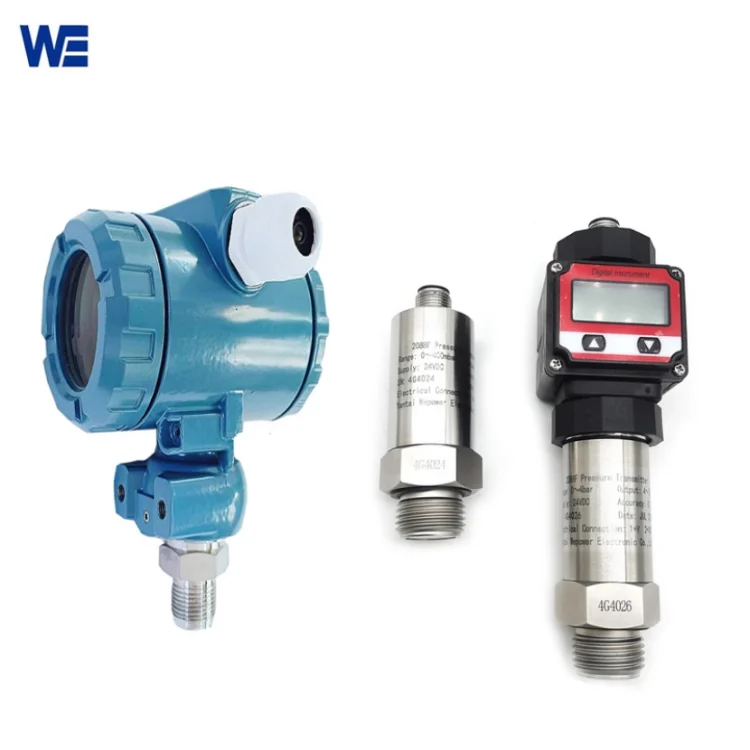
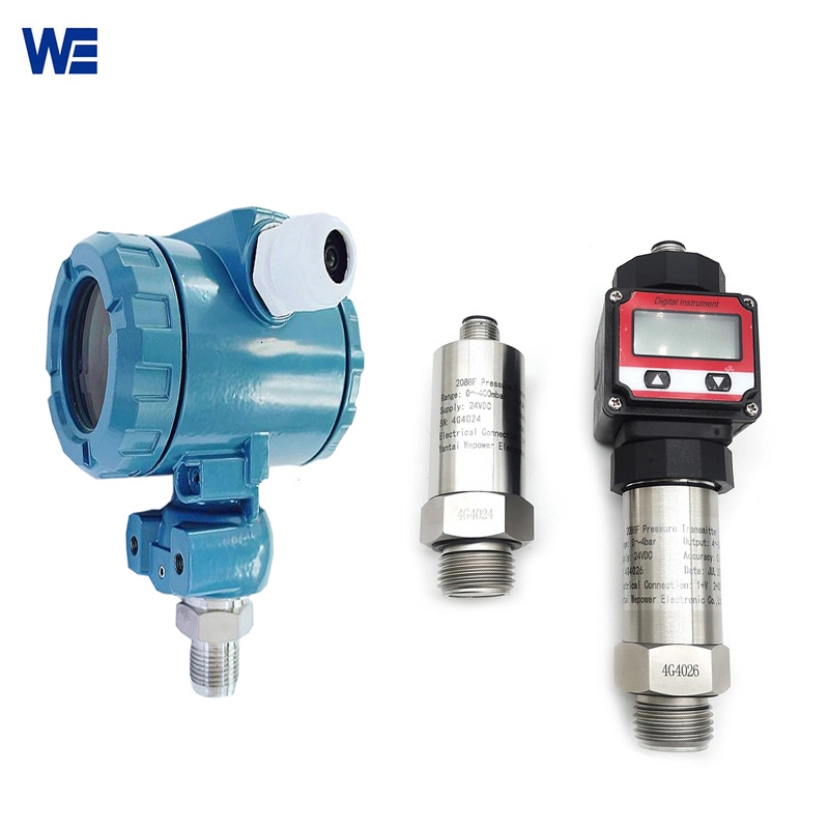
A pressure level transmitter is a tool that figures out how much liquid is in a tank or vessel. It does this by measuring the pressure from the liquid’s weight and turning it into an electrical signal. The logic is straightforward: deeper liquid means more pressure on the sensor’s diaphragm. That makes it a dependable way to track levels.
The Pressure Level Transmitter is awesome for liquids, slurries, or even gooey stuff if you use it with a flange or diaphragm seal. Take the WE3051LT series, for example, it’s got cool features like 0.1% accuracy, explosion proof casings, and HART communication for tweaking settings from afar. These perks matter a ton in places like oil refineries or food plants, where bad readings or constant recalibrations can cause headaches.
Where Does a Pressure Level Transmitter Excel?
This type of transmitter is a champ in simple liquid setups. Say you’re at a water treatment plant keeping an eye on a settling tank with clean water. A stainless steel 316L diaphragm gets the job done nicely.What is more , in some chemical plants where you might handle with harsh stuff like acids or alkalis,thus ,diaphragms made of tougher materials like Hastelloy C-276, Monel, or Tantalum is the most safe and relibale choice. These options keep your gear safe from rusting out too soon.
Other big win? These pressure transmitters can handle crazy conditions, for instance ,working temperature from −40 °C up to +250 °C. That’s why this type level pressure transmitter is popular for site with super cold storage tanks or blazing hot reactors.
What Is Differential Pressure Transmitter-DP transmitter ?
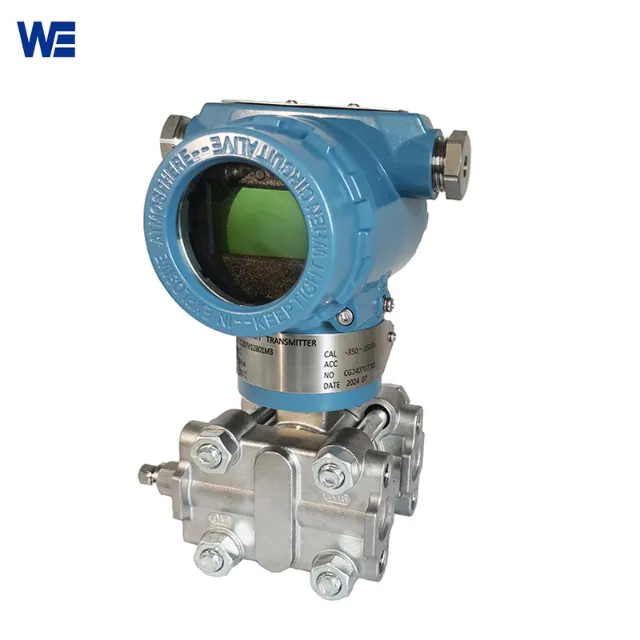
Differential pressure transmitter measures the difference between two pressure points. Instead of just measuring the liquid’s weight at one spot, it compares the high pressure side to the low pressure side. Then, it turns that difference into info about level or flow.
The Differential Pressure Level Transmitter is a lifesaver for sealed vessels, pressurized tanks, or processes where vapor pressure can throw off your numbers. By factoring in the vapor pressure, it gives you a clear picture of the liquid’s actual height.
Where Does a Differential Pressure Transmitter Excel?
This transmitter is your go to for closed systems under pressure. Imagine a chemical reactor with lots of vapor pressure. A basic pressure transmitter might give you wonky readings because it doesn’t account for the vapor pushing against the liquid. A differential model fixes that. It hooks one port to the liquid side and another to the vapor side, so you get the real liquid pressure.
These are also great for boiler drum level checks. Boilers have steam pressure that shifts all the time. Without adjusting for that, your readings could be all over the place. A differential transmitter keeps things steady, even when pressure or temperature jumps around.
Which One Should You Choose?
It all depends on your setup. Got open tanks, water reservoirs, or systems where vapor pressure isn’t a big deal? A pressure level transmitter is usually enough. It’s straightforward, cheaper to set up, and doesn’t need much upkeep.
When you work with pressurized systems, sealed containers, or places where vapor pressure messes with measurements, choose differential pressure transmitter is the ideal solution. Yes, it’s a bit more complicated, but it can ensure you more reliable in tricky situations.
Both options is equipped HART protocols, you can adjust settings or calibrate them remotely easily. They also offer explosion- proof model, IP67 protection, and materials like 316L stainless steel or special alloys to match the special measuring medium.
Key Factors For Final Decision
Process Conditions
Temperature and pressure matter a lot. Some devices can handle up to 10 MPa and 250 °C. But not every model works for every tank, so check the specs.
Medium Properties
Nasty acids need special diaphragms. Thick, sticky liquids do better with plug in flanges. Clean water? Plain stainless steel is fine.
Accuracy and Stability
If you need 0.1% accuracy and steady results for two years, pick a transmitter with a solid history. Features like auto zero tweaks and digital temperature fixes help keep readings on point.
Installation Space
Flanged models take up more room but are easier to clean. Smaller threaded ones fit tight spaces like small tanks or pipes. Differential systems might need extra tubing or valves.
FAQ
Q1: Can a pressure level transmitter work in a sealed pressurized tank?
It’ll give you readings, but they won’t be spot on. Vapor pressure adds to the liquid pressure, so a differential pressure transmitter is the smarter pick.
Q2: What diaphragm material should you choose for corrosive liquids?
Stainless steel 316L is common and applied for most occasions. For strong acids, alkalis, or salty conditions, go with Hastelloy C-276, Monel, or Tantalum.
Q3: How accurate are these transmitters?
Pressure level transmitters can hit ±0.1% of span. Differential ones are also super precise if you set them up right.
Q4: Do these transmitters support digital communication?
Yup, most new models have HART protocol. That lets you tweak settings remotely and connect to digital control systems.