- Have any questions?
- +86 15953537010
- admin@wepower-electronic.com

1)The Challenge of Measuring Heat in Industrial Furnaces
As is well known that the high-temperature furnaces place extremely high demands on the accuracy of temperature measurement. Think metal smelting, ceramic sintering, or heat treatment setups. These environments demand sensors that handle extreme heat without failing. Stability, quick response times, and heat resistance are non-negotiable.
Many systems suffer from signal drift or errors because the wrong sensing tech was picked. RTD or thermocouple? It makes all the difference.
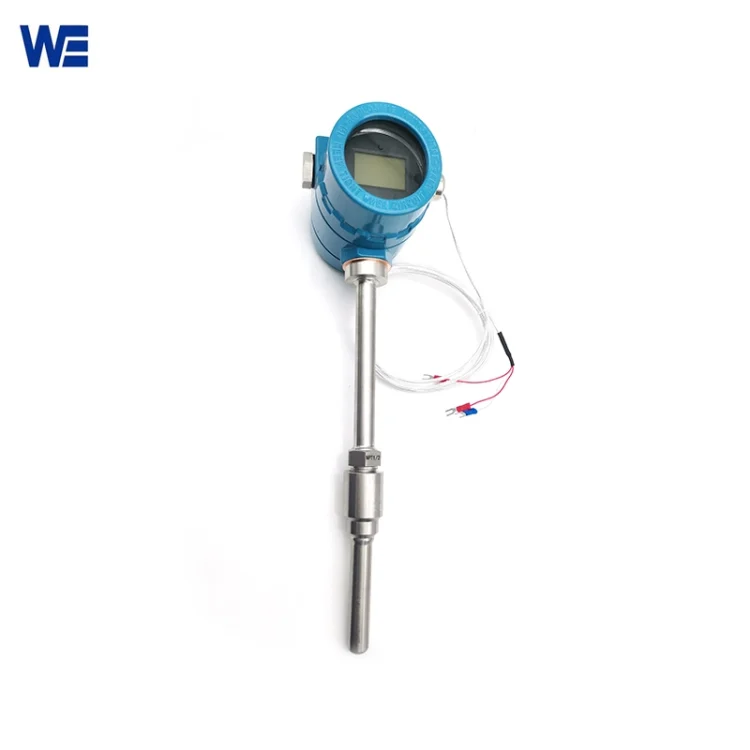
Stable and precise furnace control depends on selecting the right thermocouple temperature transmitter or PT100 temperature transmitter.
2)RTD vs Thermocouple Sensors
Before jumping into temperature transmitters, let’s cover the basics of the temperature sensors themselves. It sets the stage for why one might edge out the other in a blazing furnace.
RTD (Resistance Temperature Detector)
RTDs work on a simple idea: The electrical resistance of a metal changes with temperature. Platinum is common for this.
The electrical resistance of a metal changes with temperature.
They shine in precision and repeatability. You get consistent readings every time.
But here’s the catch. The normal operating temperature of a typical RTD is usually around 500°C. If Push them higher, and they start to degrade.
Thermocouple
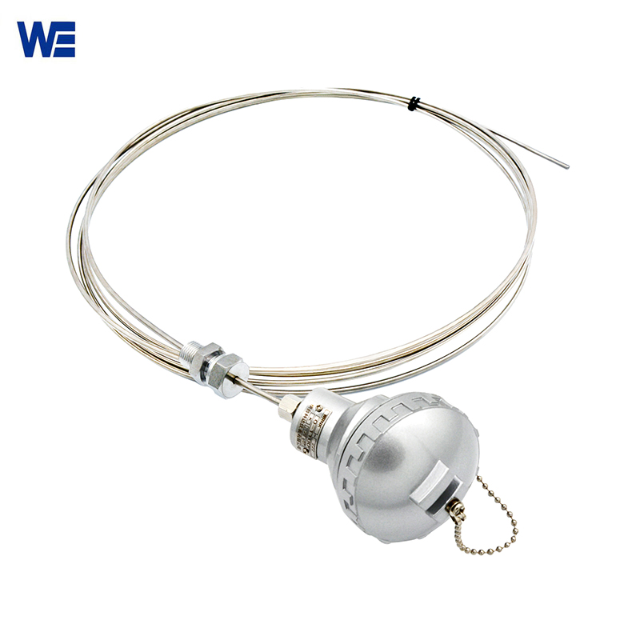
The principle of the thermocouple is that it is made by connecting two different metals. Heat at one end creates a voltage difference.
The principle of a thermocouple is that it is made by connecting two different metals.
Their big win? They handle temperatures up to 1000°C or even higher. Perfect for intense heat.
Downside: stability is not perfect. Drift can creep in over time.
While an RTD temperature transmitter offers superior precision at moderate heat, only a thermocouple temperature transmitter can withstand the extreme conditions of industrial furnaces. Sometimes, you hear folks mix them up, but the principles are distinct.
3)The Role of Temperature Transmitters in Furnace Systems
Transmitters aren’t just add-ons. They’re the bridge between raw sensor signals and usable data.
- In a furnace, the transmitter takes weak thermal signals and turns them into robust 4-20 mA or digital outputs. This matters for control systems.
- They fight interference, allow long-distance transmission, and handle cold-end compensation for thermocouples.
- Reliable signals lead to better product quality and energy savings. Skimp here, and the whole operation suffers.
- An RTD thermocouple transmitter ensures that even under severe heat and vibration, signal accuracy is maintained for precise furnace control.
Wepower’s transmitters are designed with advanced cold-junction compensation and noise isolation technology, making them ideal for furnace automation and monitoring systems. It’s like having a shield against the chaos inside those furnaces.
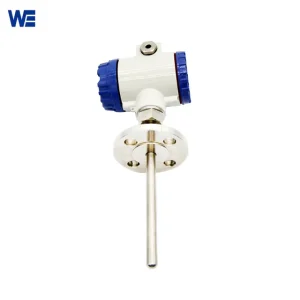
4)RTD vs Thermocouple Transmitters in High Temperature Environments
How do these temperature transmitters stack up in scorching conditions? Let’s break it down by key factors.
| Parameter | RTD Temperature Transmitter | Thermocouple Temperature Transmitter |
| Temperature Range | Up to ~500°C | Up to 1000°C |
| Accuracy | ±0.1°C typical | ±1°C typical |
| Response Time | Moderate | Fast |
| Durability | Sensitive to heat shock | Highly resistant |
| Long-Term Drift | Minimal | More noticeable |
| Cost | Slightly higher (sensor cost) | More economical |
| Best Use Case | Low/medium temperature, stable environments | High-temperature furnaces, foundries, kilns |
The Thermocouple Signal Temperature Transmitter is the most sensible option if the working temperature is more than 800°C. Nonetheless, the PT100 temperature transmitter continues to provide unparalleled accuracy in preheat portions or lower temperature zones.
Ever notice how some setups hybridize them? A combo can cover all bases, but it adds complexity.
5)Common Challenges in Furnace Temperature Measurement
Furnaces aren’t forgiving. Issues pop up that can tank your measurements. Knowing them helps avoid pitfalls.
Signal Drift and Calibration Loss
Frequent heat cycles wear on sensors. Drift sneaks in.
Regular calibration keeps things in check. Skip it, and accuracy tanks.
Electrical Noise from Heavy Equipment
Big power gear in furnaces throws off electromagnetic interference.
Shielded cables and differential inputs cut the noise. Simple fixes, big impact.
Mechanical Stress and Vibration
Heat expansion and contraction stress wires. Breaks or fluctuations follow.
Robust mounting helps. Vibration dampers too.
Cold Junction Compensation Errors
A classic thermocouple headache. The reference end must stay compensated.
Poor handling leads to errors stacking up.
A high-quality RTD thermocouple transmitter can compensate for these variables, maintaining accurate data flow even in the harshest furnace environments.
Wepower integrates built-in diagnostics and intelligent compensation algorithms to ensure accuracy and reduce maintenance cycles in high-heat systems. It’s those little tech tweaks that save downtime.
One side note: in older furnaces, wiring from the 80s might amplify noise issues. Upgrading pays off quick.
6)Best Practices for Selecting the Right Transmitter
Picking the right temperature sensors isn’t guesswork. Follow the checklist below.
- Maximum process temperature: Know your peak heat. Don’t underspec.
- Desired accuracy and repeatability: Precision needs vary by process.
- Sensor replacement frequency: Factor in how often you’ll swap them.
- Signal transmission distance: Long runs need strong outputs.
- PLC/DCS system integration:Verify compatibility for smooth control.
If the furnace temperature is 1000℃ or higher, Wepower recommends selecting thermocouples with advanced noise reduction capabilities to ensure long-term performance.
Need guidance? Absolutely no problem! Wepower’s technical team will assist customers in choosing the appropriate model between RTD and thermocouple transmitters to achieve optimal performance. We have extensive experience, having worked on projects ranging from small boilers to large smelters.
Conclusion: Precision Under Pressure
Wrapping up, RTD transmitters excel in precision but bow out at higher temps. Thermocouples tackle the heat head-on, though drift requires watching.
The key? Match the tech to your needs. Stable transmitter features lock in accurate control over time.
Whether you need a dedicated thermocouple temperature transmitter for high-temperature environments or an RTD thermocouple transmitter for mixed systems, Wepower Electronic recommends that accuracy and stability be your top priorities.
In the end, it’s about keeping that furnace humming without surprises. Smart choices here boost efficiency and cut headaches.
FAQ
Q: What’s the main difference between RTD and thermocouple transmitters?
Their working principles, temperature measurement ranges, and applicable scenarios are all different. RTD transmitters offer higher accuracy but max out around 500°C; thermocouple transmitters handle up to 1000°C with faster response.
Q: Why do signals drift in high-temperature furnaces?
Heat cycles, vibration, and electrical noise wear sensors; regular calibration and good shielding help.
Q: Can I use an RTD temperature transmitter in a 1000°C furnace?
No, If the temperature reaches 1000°C, Wepower recommends using the thermocouple.
Q: How does Wepower improve transmitter reliability in furnaces?
Built-in cold-junction compensation, noise isolation, and smart diagnostics cut errors and maintenance.