- Have any questions?
- +86 15953537010
- admin@wepower-electronic.com

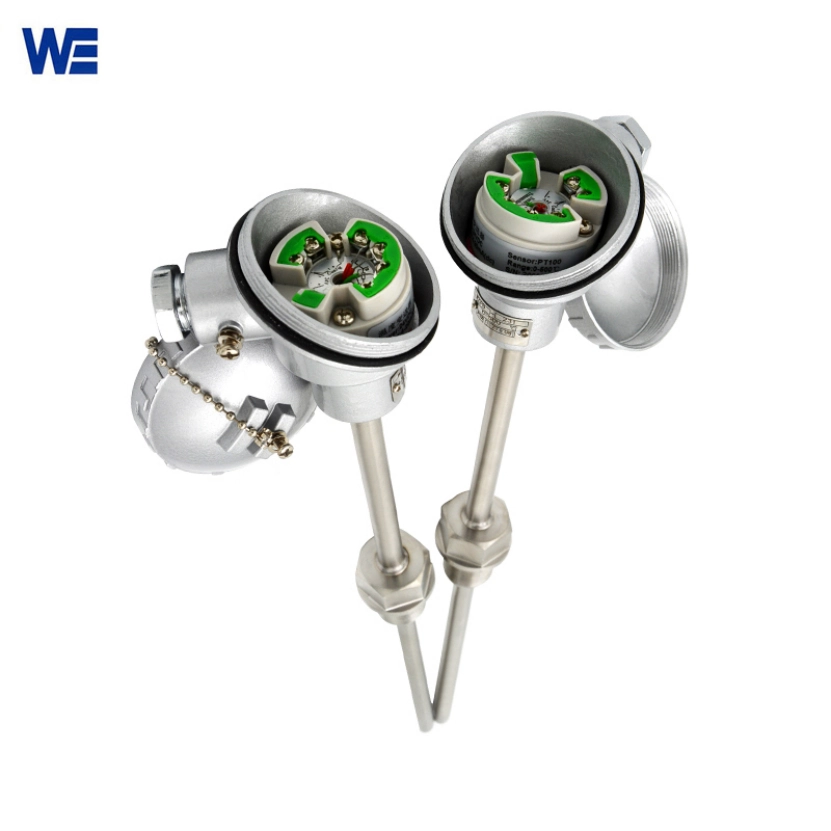
High temperature sensors act as hidden protectors in today’s factories. They watch over jet engines and manage furnaces. These devices keep operations safe and smooth. The top ones, such as k type thermocouple probes, multipoint RTDs, and thermocouple transmitters with 4–20mA output, mix smart building with tough stuff. They handle very hot places well.
Understanding High Temperature Sensors
High temperature sensors turn heat into electric signals. People can read, show, or send these signals. Designs differ based on the setting and needed exactness.
Types of High Temperature Sensors
Overview of k type thermocouple probes
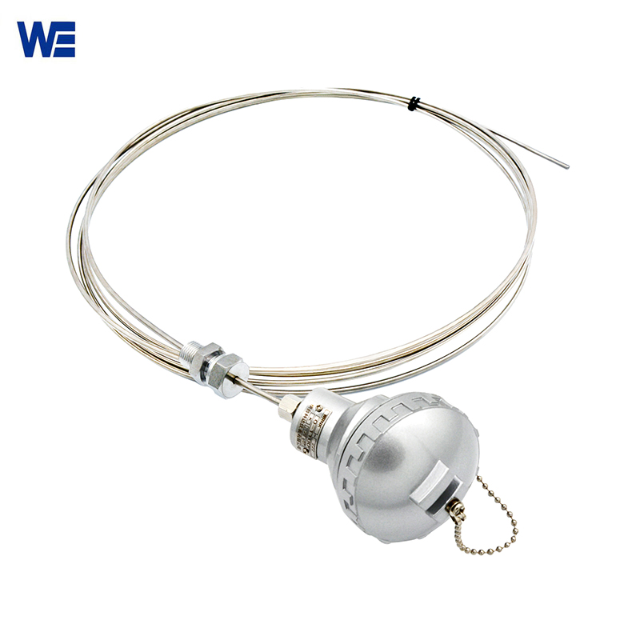
Industrial thermocouples measure and control temperature. Workers often pair them with display tools or electronic controls. They check the heat of liquids, steam, gases, and solid surfaces. This happens in processes from -40-1700°C. K type thermocouple probes use nickel-chromium and nickel-silicon mixes. They cover a broad range up to 1300°C. These probes last long and fit many fields.
Multipoint RTDs and their applications
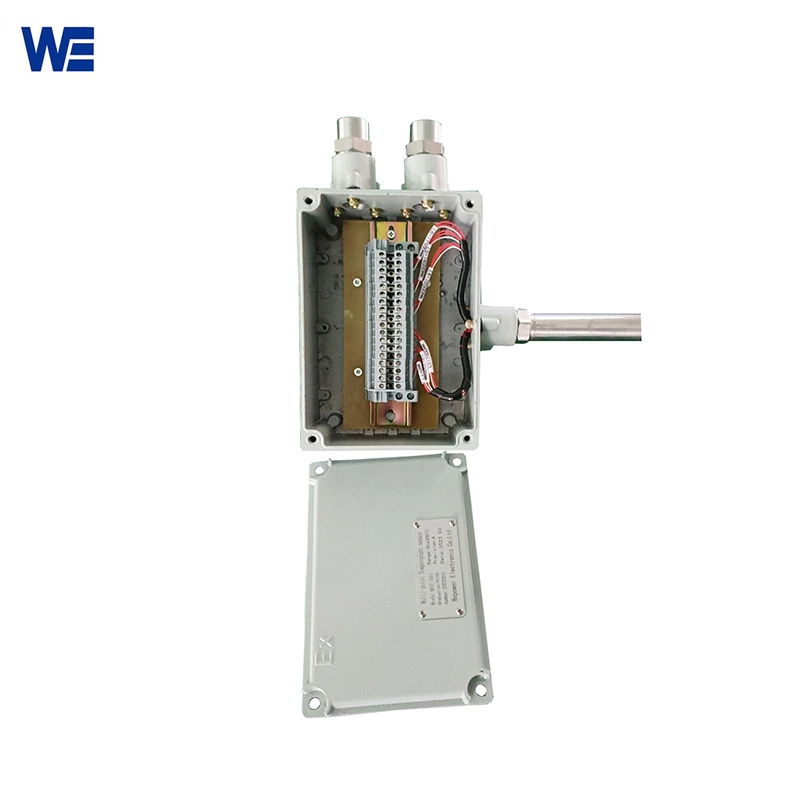
Multipoint temperature transmitters give heat readings at many spots on one probe. This suits big tanks, reactors, or pipes where even heat matters. Platinum types like Pt100 or Pt1000 stay very exact even in hot spots up to 850°C.
Thermocouple transmitters with 4–20mA output
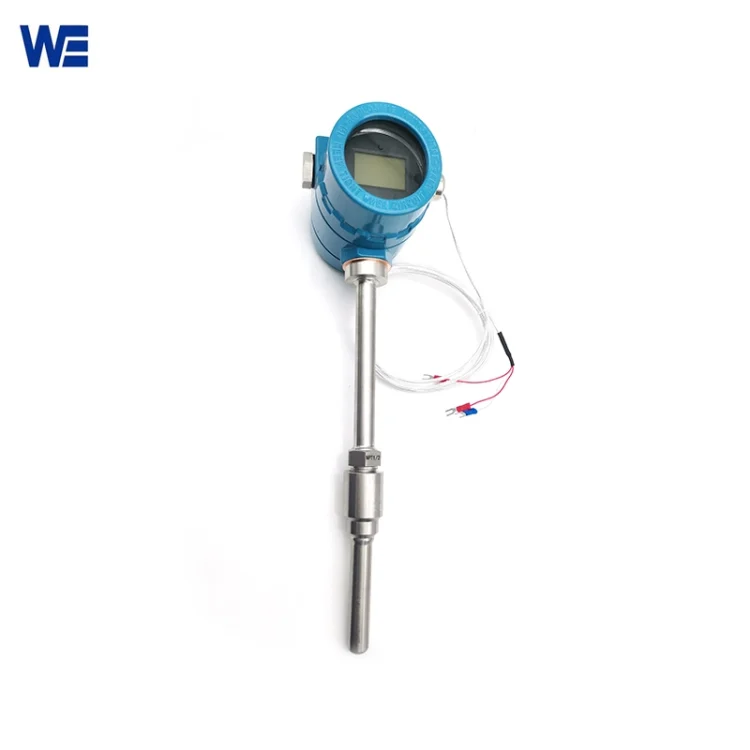
Two-wire temperature transmitter changes various input signals into standard 4 ~ 20mA output signal. These devices make sending signals over far distances easy. They cut down on mix-ups. It has exact measurement, good fight against interference, steady work, and trust. Low heat shift, small power use, and long life add to its value. HART communication fits well with control setups.
- Key Features of High Temperature Sensors
- You need to know its functions before picking one.
- Temperature range capabilities:Some sensors like Type B thermocouples can reach up to 1800°C.
- Durability:Protective tubes made from materials like Inconel600 or corundum ensure longevity.
- Sensitivity and response time:Armored thermocouples feature fast thermal response times—often less than three seconds for a 10–90% step change.
| Sensor Type | Range (°C) | Accuracy | Response Time |
| K Type Thermocouple | -40 to +1300 | ±1°C | <3s |
| Pt100 RTD | -200 to +850 | ±0.2°C | <3s |
| Type B Thermocouple | +200 to +1800 | ±2°C | <5s |
Applications of High Temperature Sensors
High temperature sensors play key roles in many areas. There, exact control decides safety and good work.
Industrial Manufacturing
In tough factory spots like steel making or glass work, these sensors watch oven conditions all the time. They stop too much heat. They also keep quality rules. Operators get live info from transmitters with 4–20mA outputs in control systems. This helps them choose wisely.
Aerospace and Defense
Jet engines face huge heat. So, k type thermocouples often sit inside engine test setups. They give true readings during checks. Their job goes to flight safety tools too. Early spots of odd heat stop big problems.
Energy Sector
From old power plants to new ones like solar towers, hot monitoring keeps things steady. Multipoint RTDs check heat changes in boilers or turbines. This info helps plan fixes ahead. It cuts stop times and boosts good work.
Innovations in High Temperature Sensor Technology
Factories move to smarter auto systems. Sensor tech grows with them through steady new ideas.
Wireless Technology
Sensors with wireless links cut wire mess and setup costs. They allow checks from afar in risky spots. But, you must fix signal mix-ups. Stable power matters too, mainly in hot areas.
Smart Sensors and IoT Integration
IoT links turn old sensors into clever tools. They check themselves and adjust from afar. Live number checks let workers watch trends anywhere. This betters fix plans and cuts surprise breaks.
Advanced Materials and Coatings
Fresh metal mixes and clay covers fight rust or wear in heat better. These changes make sensors last longer. They keep exact measures under heat push.
Choosing the Right High Temperature Sensor
Picking the best sensor means matching needs with place limits.
Temperature Range Requirements
Each job needs a certain heat span. For example, ovens might need Type S or B thermocouples over 1600°C. Chemical tanks may pick RTDs under 850°C for better exactness.
Environmental Conditions
Harmful gases or shakes can harm sensors fast if wrong stuff is used. Stainless steel (316L) or Inconel600 guard tubes fight these well.
Calibration and Accuracy
Steady checks keep trust over time. Long -term stability 0.1℃ / year or 0.05%/ year shows how even work stays with good care plans.
Future Trends in High Temperature Sensors
New tech hints at better work and green ways in heat check systems.
Sustainability and Energy Efficiency
Makers now focus on green builds that use less power. They keep full work. This worry grows in all factory areas.
Enhanced Data Analytics
Big data checks in sensor nets help spot patterns. This leads to fix plans that cut surprise stops.
Miniaturization and Integration
Tiny built-in designs fit small spots without losing exactness. This trend fits air parts where less weight counts a lot.
Advancements in Materials
Studies on tiny clay structures and top metals push limits for lasting in spots over 1800°C.
Wireless Technology Integration
Next types may mix wireless send with smart checks. This makes self-run systems that adjust based on place feedback.
Wepower Electronic stands as one of the established manufacturers specializing in industrial automation instrumentation. The company provides complete measurement solutions covering level, flow, pressure, temperature, density, and viscosity applications across process industries worldwide. Our temperature series—including armored models—demonstrates how practical design meets technological precision for demanding operations requiring reliable high-temperature sensing solutions.
FAQs
Q: Why use a multipoint RTD instead of multiple single-point sensors?
It provides multi-location readings within one assembly for better thermal profiling efficiency.
Q: What does temperature transmitter with 4–20mA output do?
It converts sensor signals into standardized current outputs suitable for long-distance transmission without noise interference.
Q: How often should high temperature sensors be calibrated?
Typically once per year or according to manufacturer guidelines depending on operating conditions.
Q: Which industries benefit most from high-temperature sensor innovations?
Sectors such as aerospace, metallurgy, chemical processing, energy generation, and advanced manufacturing gain significant advantages from modern sensor technology advances.