- Have any questions?
- +86 15953537010
- admin@wepower-electronic.com

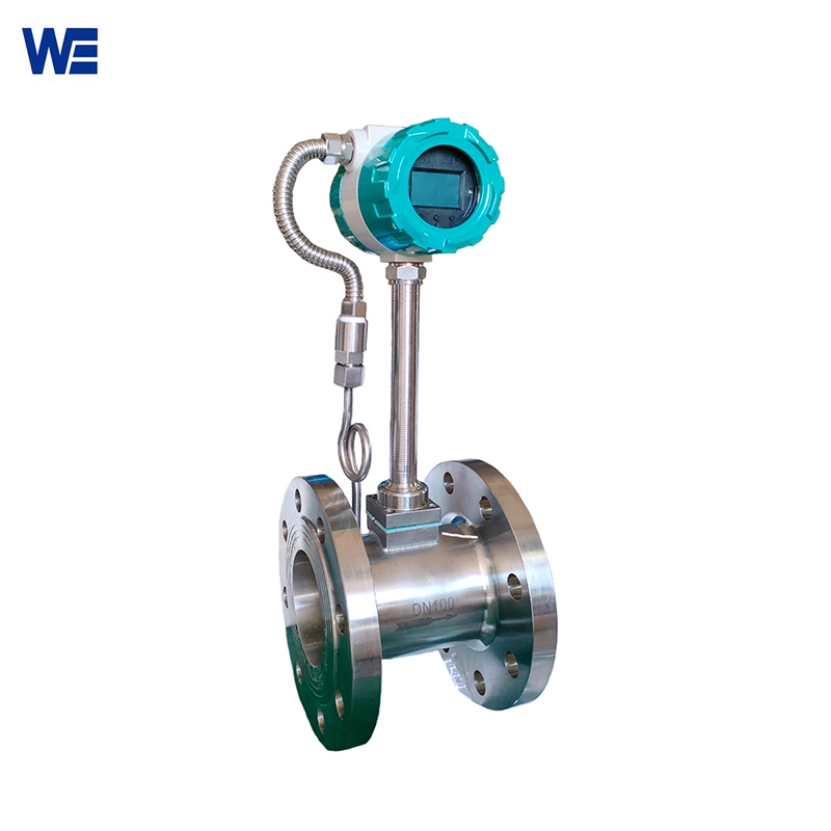
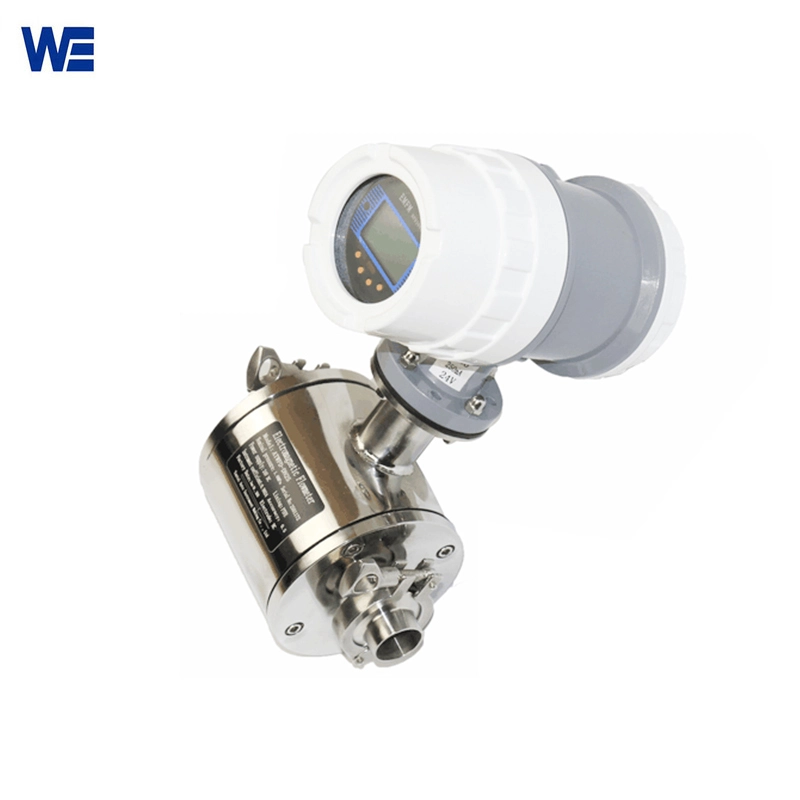
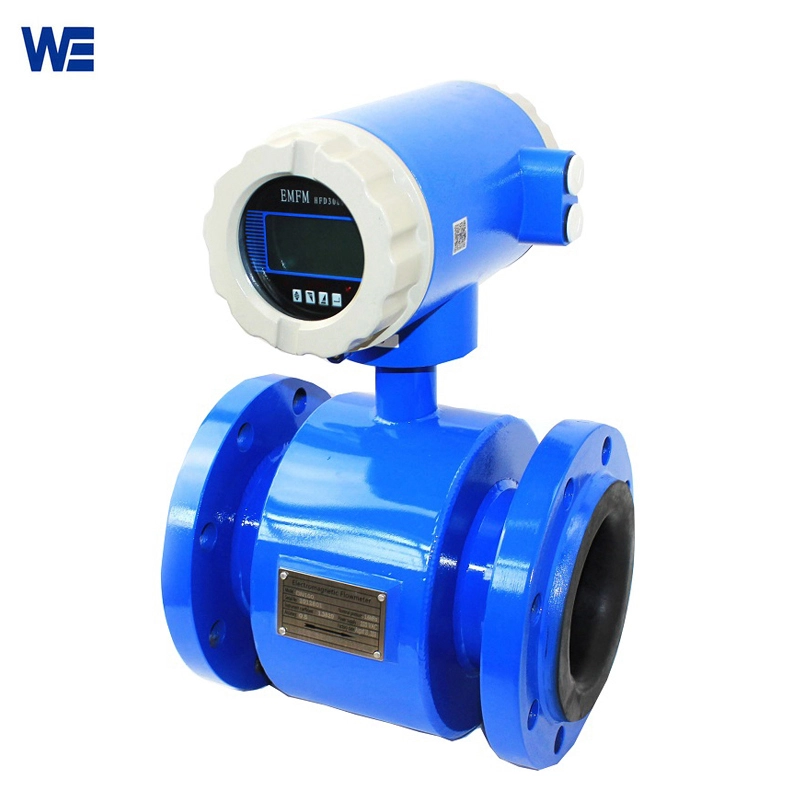
Natural gas flow measurement needs exactness, dependability, and fit with different work settings. Various flow meter types meet special needs. They go from very accurate turbine meters to mass flow meter. Each kind gives special benefits. These depend on the stuff, setup place, and needed exactness.
1)Gas Turbine Flow Meters for High Accuracy
Working Mechanism of Turbine Flow Meters
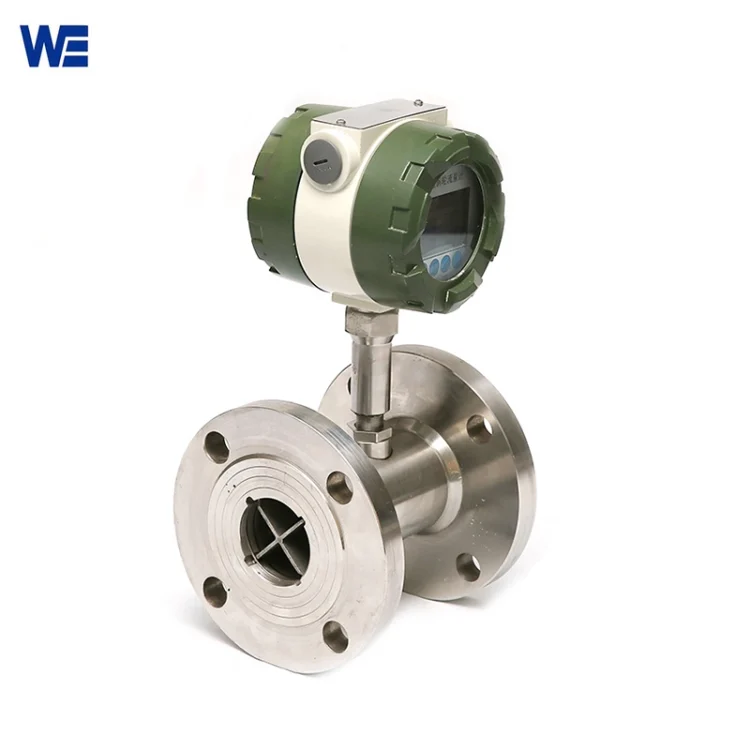
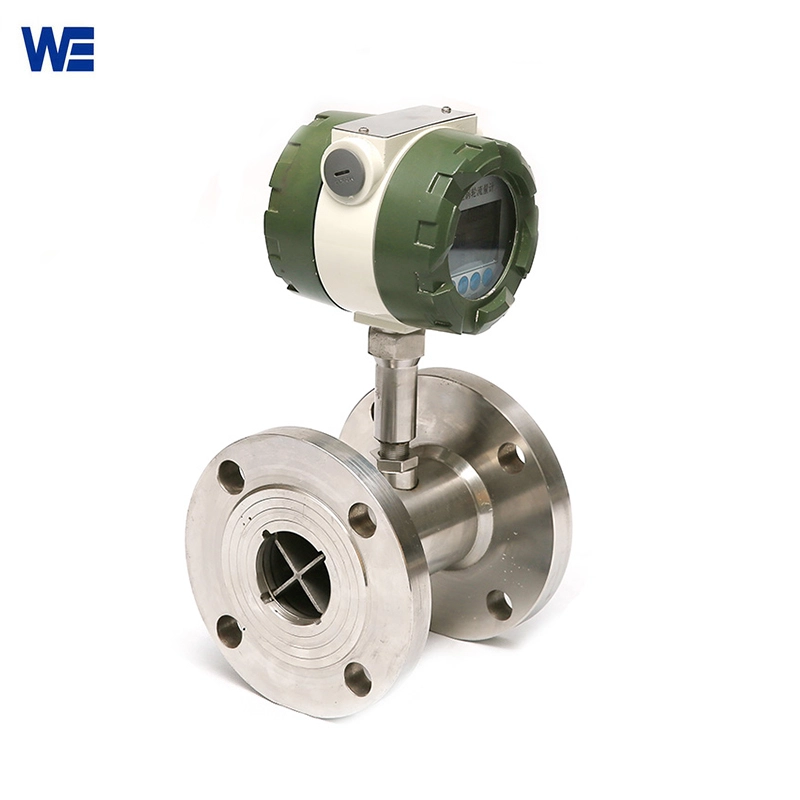
Turbine flow meters get used often for their exactness in checking clean and even gas or liquid flows. Gas goes through the turbine case. It makes an inside rotor turn. As the rotor turns, an electrical signal comes up in the pickup coil. The rate of this signal matches the speed of the fluid. You can change that into volume flow rate.
The rotor has an important job. It touches the measured medium straight. The quicker the gas or liquid goes, the faster the rotor spins. This moving part turns into an electrical pulse output. That shows flow rate by units , such as cubic meters per hour (m³/h) or liters per minute (L/min).
Considerations When Using Turbine Flow Meters
Exactness counts a lot on setup and fluid state. Items that change flow, such as bends, valves, and reducers, can hurt exactness. To cut down swirling, a straight pipe part is suggested. It’s usually 10 times the pipe width upstream and 5 times downstream. Bubbles or trapped air can twist readings too. So, keeping enough backpressure matters a bunch.
Upkeep calls for regular checks and gentle care of inside pieces. Handle the rotor with care. Even tiny scratches or dents can mess with exactness. Steady looks ensure even work over time.
| Parameter | Typical Value |
| Repeatability | ±0.2% |
| Accuracy | ±1% ; ±0.5% |
| Temperature Range | -20°C to +110°C |
| Pressure Rating | Max 25 MPa |
Wepower Electronic integrates turbine technology with our industrial automation line, offering robust gas flow meter solutions designed for long-term stability in process control systems.
2)Coriolis Flow Meters for Mass Flow Precision
How Coriolis Flow Meters Operate
Coriolis flow meters shine for their skill to check mass flow straight instead of volume. LK series mass flowmeter is a new type of flow meter developed according to Coriolis force principle to directly measure the mass flow of fluid in closed pipelines. Inside the meter, one or more vibrating tubes shake at their normal rate.
When fluid flows, the Coriolis force Fc affects the medium bits in the pipeline. The two half parts of the pipeline twist in opposite ways. This makes a phase gap. That gap matches the mass flow rate. Sensors spot this shift. They turn it into exact mass flow info.
Key components include:
- Vibrating measurement tubes (often made from 316L stainless steel).
- Drive coils generating oscillation.
- Pick-up sensors detecting phase differences.
- A transmitter converting signals into digital outputs.
Importance of Mass Measurement in Gas Flow
Mass checking stays steady despite heat or pressure swings. Those are big deals with squeezable gases like natural gas. Medium density: proportional to vibration frequency of measuring tube. So, Coriolis meters give right readings even in shifting work states.
They’re indispensable in custody transfer applications, LNG processing, and quality control systems where every kilogram counts. Wepower Electronic’s Coriolis-based gas flow meter models combine this precision with rugged construction suitable for cryogenic liquids such as LNG.
3)Differential Pressure Flow Meters as a Classic Choice
Operating Principles of Differential Pressure Flow Meters
Differential pressure (DP) flow meters lean on Bernoulli’s principle. When fluid goes through a tight spot like an orifice plate or venturi tube, its speed rises while pressure falls. The pressure gap before and after this tight area links to volume flow rate.
Common DP elements include:
- Orifice plates– simple and cost-effective.
- Venturi tubes– lower energy loss due to streamlined design.
- Pitot tubes– used primarily for air or gas velocity measurement.
A transmitter measures this differential pressure and converts it into a standardized output signal (e.g., 4–20 mA).
Types of Elements in Differential Pressure Flow Meters
Each element fits different jobs:
- Orifice plates fit general-purpose gas lines.
- Venturi tubes perform best in large-diameter pipelines requiring low permanent loss.
- Pitot tubes do well in HVAC systems andstack emissions monitoring.
Though it is older technology than other flow meters, DP meters remain reliable workhorses across industries due to simplicity and broad compatibility with existing systems.
Wepower Electronic keeps building advanced natural gas flow meter solutions. It mixes these four main techs—turbine, ultrasonic, Coriolis, and differential pressure. This helps meet many industry needs, from oil refining to nature watching. As a professional manufacturer specialized in automation sensors for level, temperature, density, viscosity, and pressure measuring, Wepower Electronic emphasizes field reliability over marketing claims—a philosophy appreciated by engineers who value consistency than flashiness.
Frequently Asked Questions
Q: Which type gas flow meter provide the highest accuracy?
Coriolis mass flow meters generally deliver superior accuracy because they measure mass directly rather than calculating from volume changes.
Q: Are turbine flow meters appropriate for dirty gas?
Not ideally—they perform best with clean fluids since debris can damage rotors or reduce accuracy.