- Have any questions?
- +86 15953537010
- admin@wepower-electronic.com

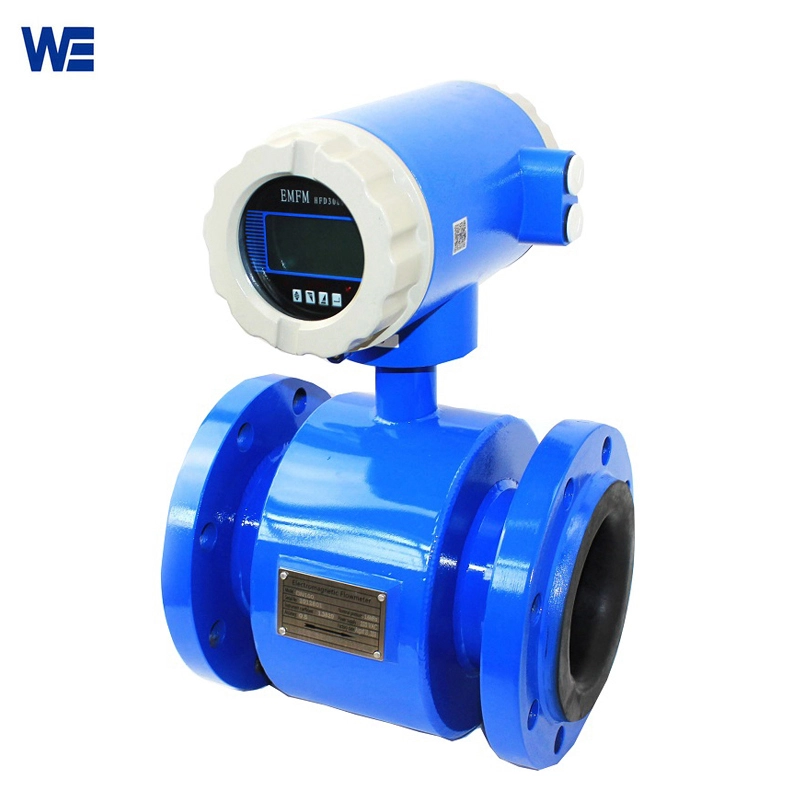
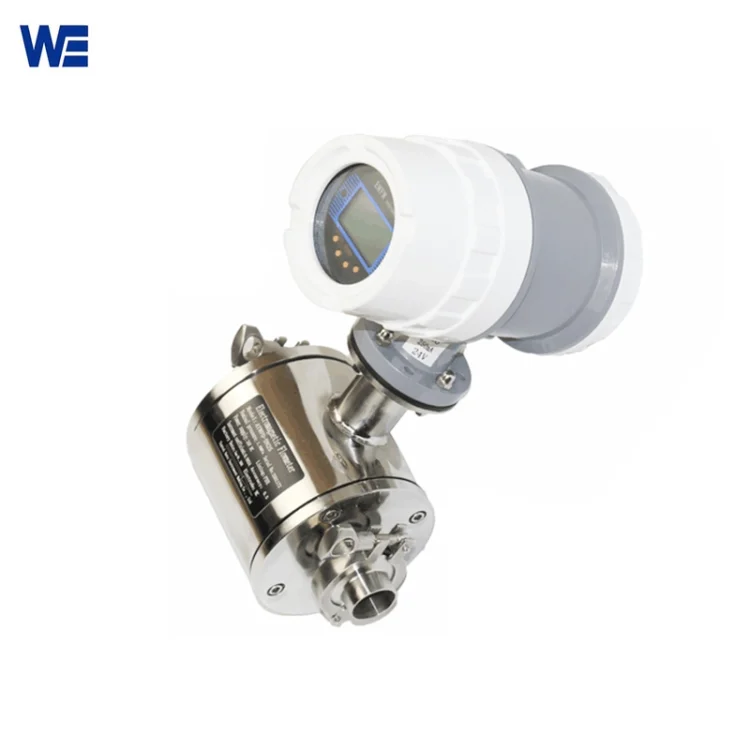
Electromagnetic flow meters, also known as magnetic flow meters, are a popular pick for accurate and non-intrusive measurement of fluid flow in many industrial spots. Their special working idea and tough build make them really good for tasks with conductive, harsh, or thick liquids full of bits. If you need a meter that mixes good accuracy with little upkeep and lasting dependability, electromagnetic flow meters are a strong choice.
1)Overview of Electromagnetic Flow Meters
Basic Operating Principle
The core principles of electromagnetic flow meters is Faraday’s Electromagnetic Induction Law. This law says that when a conductive fluid moves through a magnetic field, it creates a voltage based on the fluid’s speed. Electrodes inside the flow tube catch this voltage signal. Then, it gets processed to find the flow rate. The voltage ties right to the average fluid speed, the magnetic field power, and the gap between electrodes.
This way works just with conductive fluids—usually those with conductivity over 5 µS/cm—so it won’t fit hydrocarbons or very pure water. But in its right range, the method gives solid results without poking into the flow.
Core Components and Construction
An electromagnetic flow meter has three main parts: coils that make the magnetic field, electrodes that spot the created voltage, and a flow tube where fluid goes through. The inside of the flow tube gets lined with non-conductive stuff—like PTFE, rubber, or ceramics—picked for how well it matches the fluid’s chemicals.
The non-intrusive setup of magnetic flow meters means small pressure drop. And it skips moving parts that might break down over time. This build fits great for processes where keeping flow steady matters a lot.
2)Key Features of Magnetic Flow Meters
- No moving bits touch the process fluid.
- They deal well with rough or harsh fluids because of protective liners.
- The full-bore shape keeps pipeline flow smooth by cutting down blocks.
This setup works especially good for dirty fluids, thick mixes, or liquids with floating solids.
Accuracy and Repeatability in Flow Measurement
Magnetic flow meters give steady work over a wide range of flow speeds. Their accuracy often sits between ±0.2% to ±0.5% of the reading. Plus, they don’t get thrown off much by changes in temperature or pressure—which helps in spots where conditions shift often. Once set up right, they seldom need tweaks unless things change a bunch.
Digital Signal Processing and Diagnostics
Current electromagnetic flow meters come with digital signal processing (DSP) tech. It boosts noise cutting and signal steadiness. Smart checks can spot problems like dirty electrodes or air bubbles, which could mess up accuracy. Many units have clever transmitters too. These let you set up, watch, and log data from afar—a big help in automated setups.
3)Benefits of Using Electromagnetic Flow Meters
Low Maintenance Requirements
Since no mechanical parts sit inside the pipe:
- There’s much less wear.
- Regular upkeep jobs are few.
- Long working life cuts overall costs.
Calibration stays put over time unless conditions shift hard from the start.
Compatibility with Diverse Fluids and Applications
Magnetic flow meters handle a lot:
- They measure wastewater, thick mixes, acids, food-safe liquids, and even pulp blends.
- Work stays the same if the liquid is clean or messy.
- Good for flows going both ways without new setups.
Wepower Electronic specializes in industrial automation measurement instruments and provides tailored solutions for level, flow, pressure, temperature, density, and viscosity across diverse process control applications.
Environmental and Safety Advantages
The sealed style of magnetic flow meters stops leaks—an key point in chemical or clean industries. Measurement happens without contact, so risk of dirt mixing in drops low—real important in food or drug making. Also, they use pretty low power while running, which fits with saving energy aims.
4)Integration into Process Control Systems
Communication Protocols and Output Options
Electromagnetic flow meters now back many communication types like HART, Modbus, Profibus, and more. Outputs often include 4–20 mA analog signals plus digital pulses. This range lets them fit with old and new systems both.
Interfacing with SCADA and DCS Platforms
Magnetic flow meters link easy into control systems like SCADA or distributed control systems (DCS). Live data sending helps better choices and lets you look at trends. You can set alarms based on things like flow speed or conductivity for ahead-of-time handling.
5)Application Areas Across Industries
Water and Wastewater Management Systems
In city water setups:
- Magnetic flow meters help exact billing by following use.
- Treatment spots use them to check incoming and outgoing flows.
- Their fight against buildup and dirt keeps accuracy going even in spots with lots of growth.
Chemical Processing Plants
The liners that resist eating away suit rough chemical flows:
- They back precise adding in batch mixers.
- Stuff like PTFE or PFA guards sensors in high-push uses.
- They keep measurement solid despite chemical ups and downs.
Food, Beverage, and Pharmaceutical Production
For clean uses:
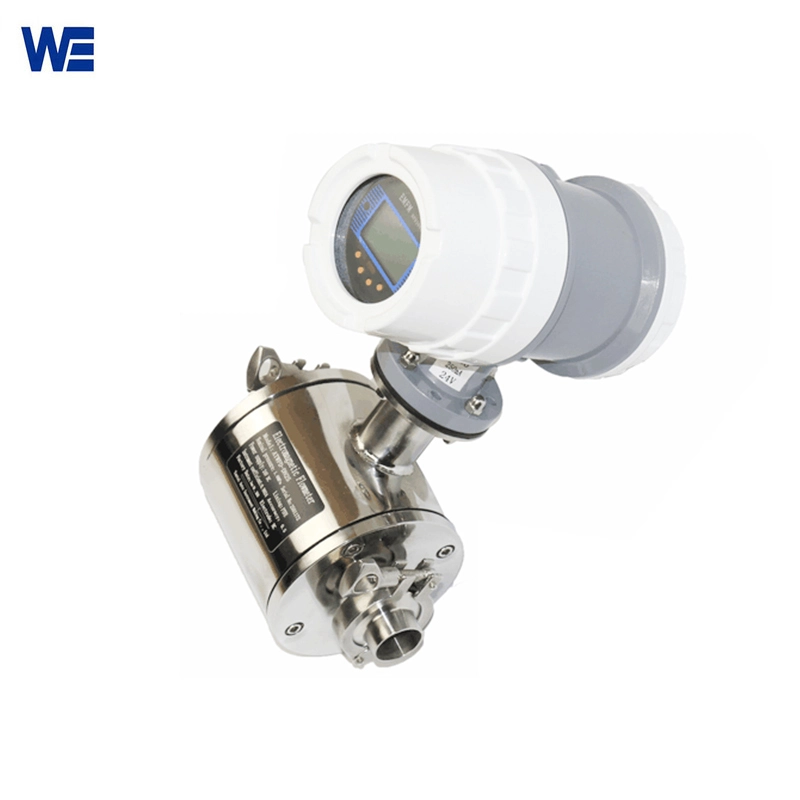
- Magnetic meters meet sanitary rules.
- Work with CIP (Clean-in-Place) and SIP (Sterilize-in-Place) systems.
- Their top measurement accuracy aids recipe steadiness and quality checks.
Wepower Electronic offers magnetic flow meter solutions designed specifically to meet sanitary requirements while maintaining process reliability.
6)Factors Influencing Meter Selection
Fluid Characteristics That Affect Performance
Key points to think about include:
| Factor | Importance |
| Conductivity | Must exceed 5 µS/cm |
| Temperature | Depends on liner material |
| Pressure | Limited by tube & flange specs |
| Entrained Air | Can affect signal stability |
Picking the right liner and electrode stuff makes sure best work across various fluid types.
Installation Considerations
Good setup matters a ton:
- Grounding has to be solid to stop electrical mix-ups.
- Usually needs 5–10 pipe diameters of straight pipe before and after.
- Can go horizontal or vertical based on room and flow way.
7)Comparing Magnetic Flow Meters with Alternative Technologies
Differences from Ultrasonic and Turbine Flow Meters
Here’s how they compare:
| Feature | Magnetic | Ultrasonic | Turbine |
| Requires Conductivity | Yes | No | No |
| Moving Parts | No | No | Yes |
| Affected by Viscosity/Dirt | No | Sometimes | Yes |
| Accuracy Stability | High | Moderate–High | Medium |
Turbine meters wear out over time; ultrasonic ones do fine with clean fluids but might have trouble in bubbly or solid-filled flows. Magnetic meters handle that in-between stuff really well.
Situations Favoring Magnetic Flow Meter Use
Pick magnetic meters when:
- You want small pressure loss.
- Lasting dependability beats starting cost.
- Upkeep reach is hard after putting in.
8)Product Innovations in Electromagnetic Flow Metering
Technological Enhancements in Modern Designs
New ideas keep coming:
- Wireless parts like Bluetooth let far-off checks.
- Small transmitter shapes fit into tight spots.
- Better self-checks cut surprise stops.
Customization Options Available from Manufacturers
Makers like Wepower Electronic offer choices such as:
- Many liner materials matched to certain fluids.
- Built-in or far-mount transmitter types based on space limits.
- User-set outputs for stronger process link-up.
FAQs
Q: Can electromagnetic flow meters measure non-conductive fluids?
No, they require a minimum fluid conductivity (typically >5 µS/cm) to function accurately.
Q: How often do magnetic flow meters need calibration?
Under stable conditions, they require minimal recalibration due to their stable design.
Q: Are these meters suitable for high-temperature fluids?
Yes, but temperature limits depend on the liner material chosen during specification.
Q: What causes signal noise in magnetic flow measurements?
Common issues include poor grounding, air bubbles in the fluid, or electrode fouling.
Q: Can electromagnetic meters be used in vertical piping?
Yes, as long as the pipe remains full during operation, orientation is flexible.