- Have any questions?
- +86 15953537010
- admin@wepower-electronic.com

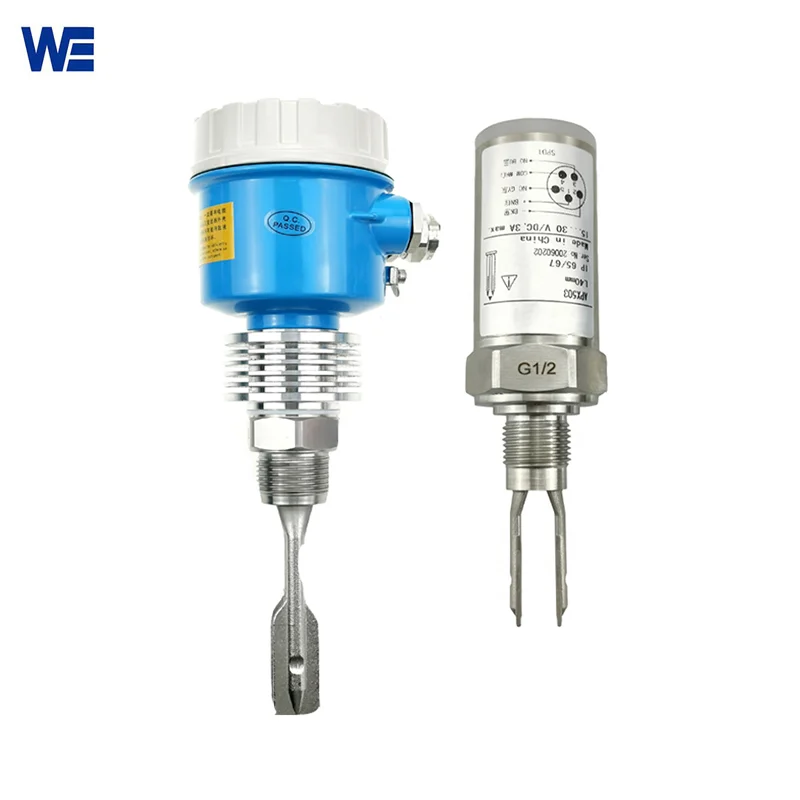
1)Key Features of Tuning Fork Level Switch Technology
How Vibrating Fork Level Switches Operate
Tuning Fork Level Switches work using a special crystal. This crystal makes the fork shake at its normal speed. When the fork touches material, the shaking changes a lot. The speed, strength, and timing shift. The device’s electronics notice these changes. They turn them into a switch signal. This signal helps detect the level of liquids or solids accurately.
The fork shakes at about 1100Hz. This speed avoids mix-ups from machine vibrations. It keeps the sensor correct and trustworthy. Even in places with big machines, the tuning fork stays steady.
Material Compatibility and Application Versatility
Tuning fork level switches work with many materials. They handle liquids and solids well. For example, they can check oil in fuel tanks or powder in silos. The parts that touch materials are often stainless steel (304/316). This makes them strong against rust. So, they are great for food factories, chemical plants, drug-making, and metal industries.
Compact Design and Easy Installation
This device is a small liquid level switch. It uses short tuning fork technology. The body and fork are tough stainless steel. It fits many liquid tasks. Its tiny size works in small spaces like narrow tanks or pipes. Most models have threaded or clamp fittings. These make setup fast and simple. No tricky adjustments are needed.
2)Comparing Tuning Fork Level Switches with Other Common Technologies
Tuning Fork vs. Float Type Level Switches
Float switches rely on floating to work. They need to move inside the tank. Tuning fork sensors, however, have no moving parts in the tank. This makes them less likely to break or get stuck. They are more dependable over time.
Tuning Fork vs. Capacitance Level Switches
Capacitance sensors look for changes in electrical properties. But they often need new settings when the material changes. Tuning fork level transmitters don’t need this. They work based on shaking, not electricity. This makes them easy to use right away.
Tuning Fork vs. Ultrasonic and Radar Level Sensors
Ultrasonic and radar sensors measure levels all the time. But foam, dust, or steam can confuse them. Tuning forks focus on one point. They stay accurate even with steam or rough conditions.
3)Advantages of Using a Vibrating Fork Level Switch in Industrial Applications
High Sensitivity to Liquid and Solid Media
Tuning forks are very sensitive. They work with liquids (density ≥ 0.5g/cm³) and solids (density ≥ 0). This lets them spot light powders or thin liquids. Other devices might miss these.
Reliable Performance in Harsh Environmental Conditions
Tuning forks handle tough settings. They come in models with high protection, explosion-proof features, and resistance to heat or pressure. They work from -30℃ to 150℃ and up to 2MPa pressure. This makes them perfect for chemical reactors or high-pressure pipes.
Maintenance-Free Operation and Long Service Life
Tuning forks have no moving parts. This means no wear and tear. They need little upkeep. They are easy to use and don’t need adjustments. They work reliably for a long time. This is great for faraway places where fixing things is hard.
4)Enhanced Safety and Efficiency with Tuning Fork Level Switches
Fail-Safe Functionality for Critical Processes
Tuning forks can be set for safe high or low alerts. If the system fails, it goes to a safe mode. You can choose the alert type based on need. This is vital in risky industries. It prevents spills or empty runs.
Minimizing Downtime Through Accurate Point-Level Detection
Tuning forks give exact switch points. They avoid false alerts from foam or buildup. This makes them quick, reliable, and steady. Fewer mistakes mean less downtime. This boosts work efficiency.
5)Innovations in Vibrating Fork Level Switch Design by Wepower Electronic
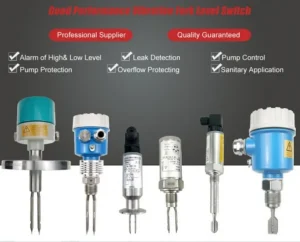
Advanced Signal Processing for Greater Accuracy
The device uses high-quality chips. These chips are fast and reliable. They improve signal collection. This keeps readings steady even if materials change slightly during work.
Customization Options for Industry-Specific Needs
Wepower Electronic Co., Ltd. offers custom solutions. They provide explosion-proof cases or wider temperature ranges. All are based on what clients need (≤50 characters).
Frequently Asked Questions (FAQ)
What is a tuning fork level switch?
A tuning fork level switch uses vibrating prongs. A crystal makes them shake. It checks if the prongs are in liquid, air, or solid material. The change sends a signal for alerts or control.
How does a Tuning Fork Level Sensor differ from float switches?
Float switches need to move to work. They float on liquid. Tuning forks sense changes through shaking. They have no moving parts in the tank. This makes them more reliable.
Can a tuning fork level transmitter handle corrosive chemicals?
Yes. Most models use stainless steel 316 parts. These resist rust from harsh chemicals in industrial tasks.
Is calibration required before use?
No. Tuning forks are simple to use. They don’t need setup or adjustments. You can install them and start right away.
Where can I use a fork type level sensor?
You can use it in many places. Examples include food tanks, drug vessels, chemical reactors, fuel storage, and even slurry systems. It works well with different densities materials.
For more details on our automated tools, including temperature, density, flow and pressure series, contact Wepower Electronic today! Located in the coastal city of Yantai, we’ve been working on production, marketing, technical support, research, and development since 2003. Our skilled team offers 24-hour technical help and after-sale support.