- Have any questions?
- +86 15953537010
- admin@wepower-electronic.com

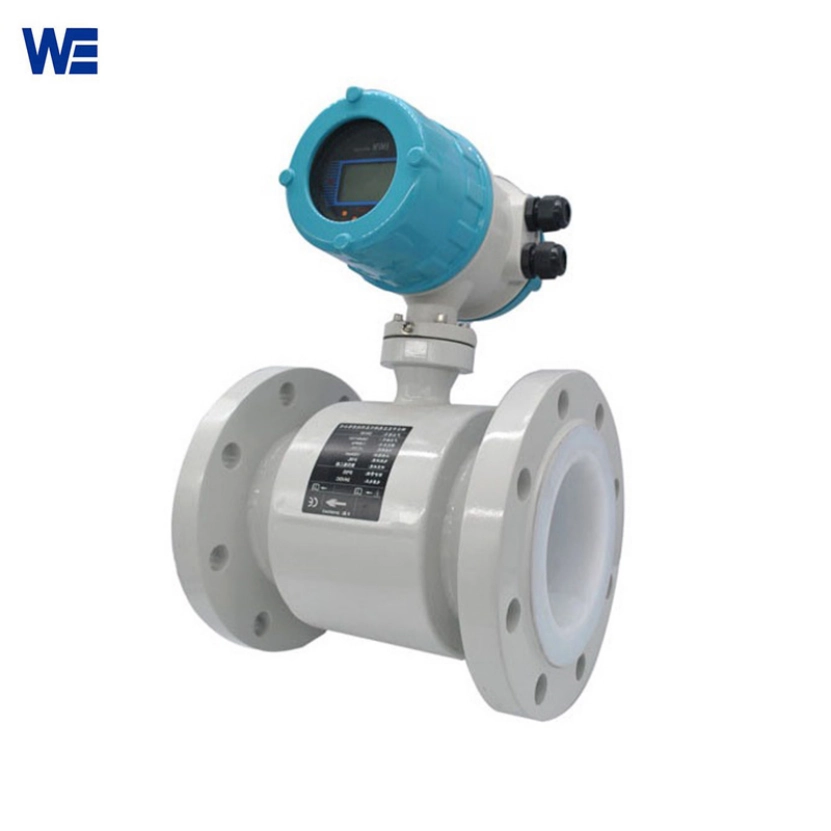
Ferric chloride (FeCl₃) is an important chemical in wastewater treatment, metal etching, and industrial water cleaning. But measuring it right stays one of the hardest tasks for engineers. The top sensors for ferric chloride come from materials that fight rust and are made to deal with tough liquids — usually radar level transmitters, magnetic flow meters, etc. with chemical barriers.
Why Measuring Ferric Chloride is Difficult
Ferric chloride is very harsh on things. It attacks most metals and even some plastics hard, so normal tools break down fast. Its nature to pull in water from the air can change its strength and weight during checks. Plus, FeCl₃ often forms crystals when it meets air or shifts in heat, and that blocks sensor openings or covers their parts.
Common Issues Faced by Engineers
Engineers deal with two big problems: matching materials and lasting power. Many basic sensors just can’t last long with ferric chloride. The liquid’s strong oxidizing traits eat away at stainless steel parts and break down seals from regular rubber or silicone.
The harsh side of ferric chloride also hurts how sensors stay tuned. When the chemical mixes with sensor stuff, it causes readings to shift over time. That’s why sensors for FeCl₃ need to use materials that don’t react, such as PTFE, PVDF, or ceramics.
Best Level Sensors for Ferric Chloride
Types of Level Sensors Suitable for Ferric Chloride
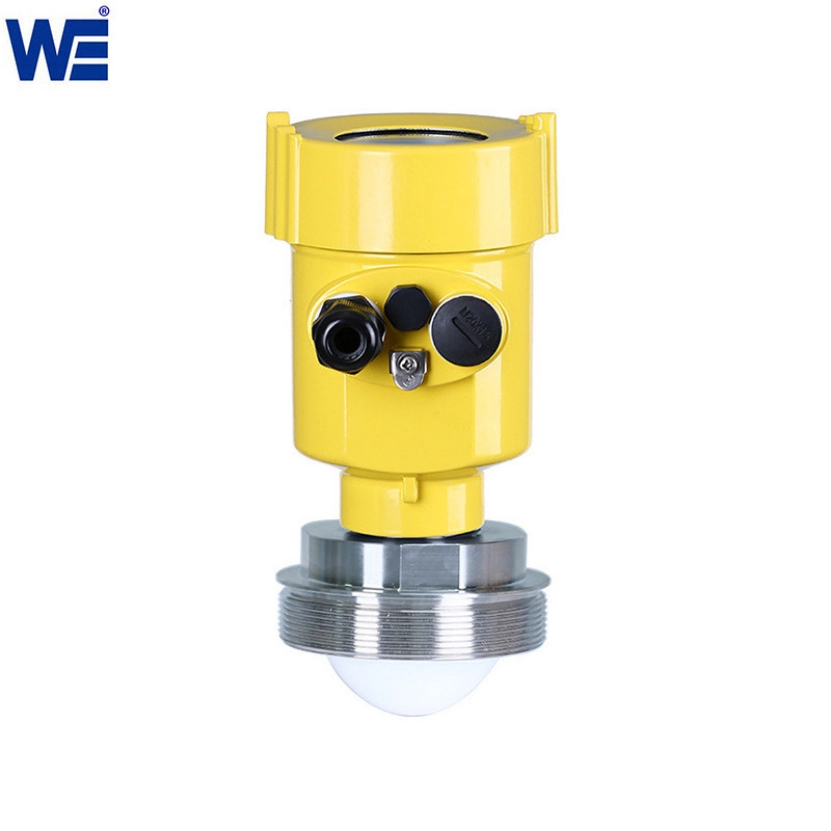
For checking liquid height in FeCl₃ tanks, tools that don’t touch the stuff are best because they cut down on contact with the chemical. Radar level transmitters work well since they give right readings without touching the liquid top.
Sensors you dip in can work if they have coatings or are built from stuff that fights rust like PVDF or Teflon. Yet radar-based ones stay more dependable for long runs because they avoid getting dirty.
| Sensor Type | Contact/Non-contact | Material Compatibility | Typical Use |
| Submersible Level Sensor | Contact | PVDF/PTFE | Small tanks |
| Radar Level Transmitter | Non-contact | Any tank material | Large storage tanks |
| Guided Wave Radar Level Transmitter | Contact (minimal) | PTFE-coated probe | Dosing tanks |
Addressing Measurement Problems with Level Sensors
To stop stuff from building up on sensor faces, engineers use designs that clean themselves or set up flush systems that rinse the antenna now and then. Another good fix is tuning radar waves — stronger signals cut down on mess from foam or steam over the ferric chloride top.
Wepower Electronic manufactures several types of liquid level sensor solutions engineered for such harsh conditions. Their radar and guided wave models feature chemically resistant housings suitable for aggressive liquids like FeCl₃ without compromising accuracy.
Best Flow Sensors for Ferric Chloride
Types of Flow Sensors for Accurate Measurement
Flow checks for ferric chloride need tools that don’t poke in or ones that fight rust:
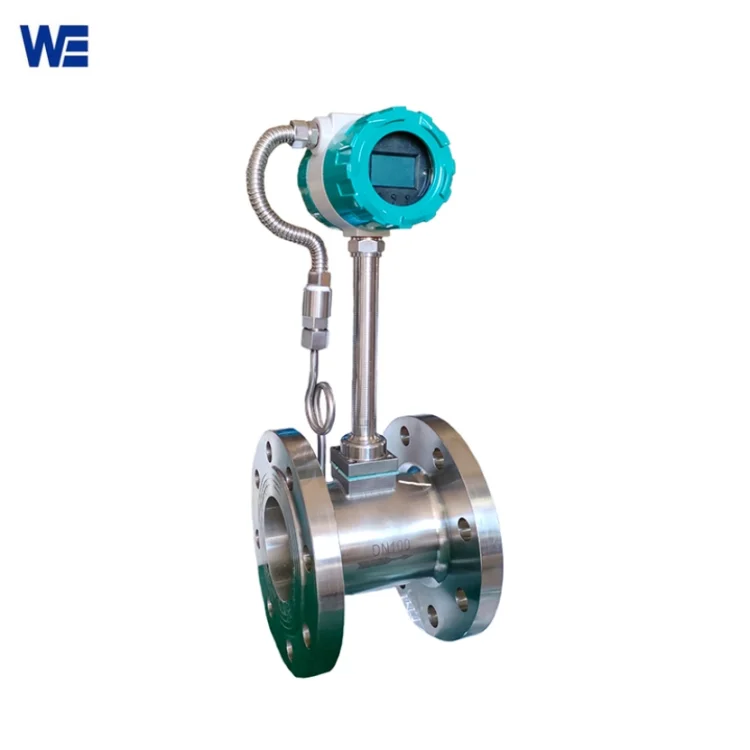
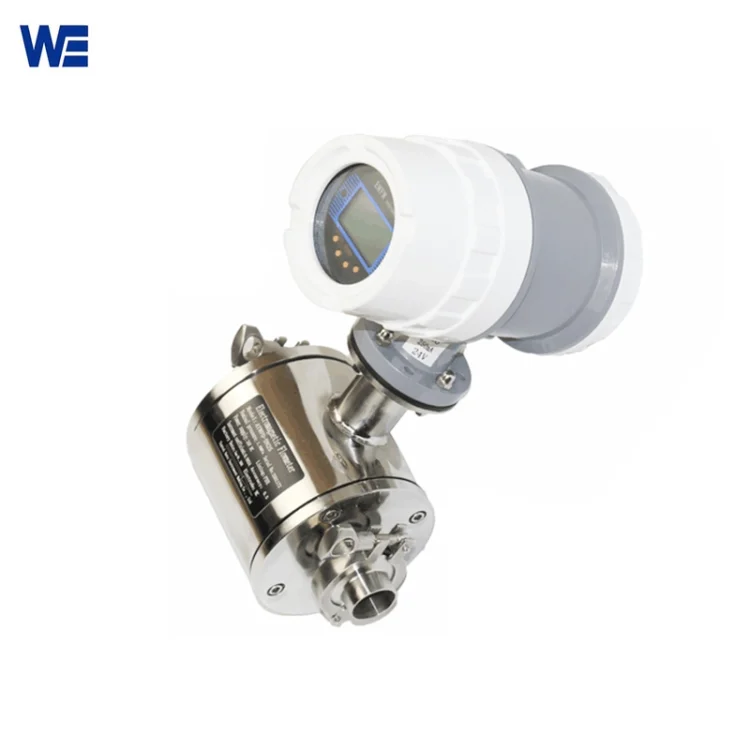
- Magnetic flow meters: Great since FeCl₃ carries electricity; they give right readings without parts that move.
- Clamp-on ultrasonic flow meters: They are well-suited for measuring water, but ill-equipped for measuring ferric chloride.
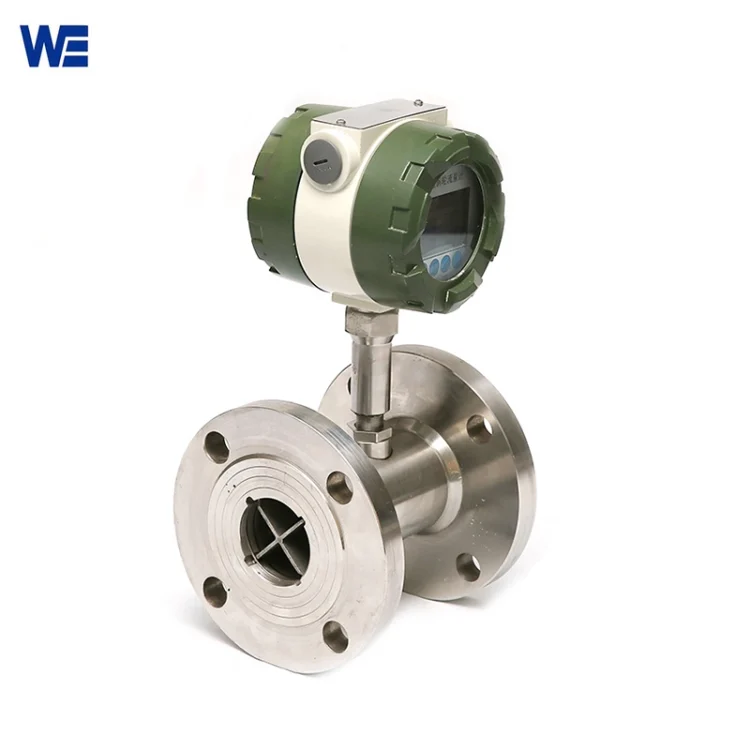
- Turbine flow meters: You can use them only if the wet parts have protective coatings.
Out of these, magnetic flow meters show up most in adding systems because of their sharp reads and little upkeep.
Overcoming Challenges in Flow Measurement
The key trouble with flow sensors in ferric chloride pipes is rust on electrodes and buildup of coatings. Using electrodes from tantalum or Hastelloy C helps make them last longer. Flushing often with stuff that neutralizes also stops crystals from forming inside the meter.
Best Pressure Sensors for Ferric Chloride
Effective Pressure Sensor Options
Pressure checks in ferric chloride jobs need full separation between the sensing part and the stuff flowing. The best setups include:
- Pressure transmitters with isolated diaphragms, often made from ceramic or coated stainless steel.
- All-plastic pressure sensors, built entirely from PVDF or PTFE.
- Pressure gauges with chemical seals, which use an isolation diaphragm filled with inert oil to protect internal components.
These setups let you get right readings while stopping direct touch between FeCl₃ and delicate electronics.
Handling Pressure Measurement Challenges
One usual way they fail is leaks at diaphragm seals from long contact with strong oxidizers. Picking seal materials that match ferric chloride — like FKM or Kalrez — fixes this problem. Another way is using a far-off diaphragm seal setup that keeps the transmitter body away from harsh vapors, but still sends pressure through a tube filled with safe fluid.
A pressure transmitter 4–20 mA output signal remains standard across industries because it integrates easily into control systems while maintaining signal stability over long cable runs — even in electrically noisy environments typical of chemical plants.
Wepower Electronic provides a range of industrial-grade pressure transmitters equipped with chemical seals specifically designed for aggressive fluids like FeCl₃. As a manufacturer specializing in industrial automation instruments, Wepower Electronic focuses on durability under extreme process conditions rather than just laboratory performance metrics.
Quick Selection Guide for Ferric Chloride Sensors
Picking the right sensor hangs on how tough your setup is and what upkeep you can handle:
| Application Area | Recommended Sensor Type | Key Advantage |
| Storage Tank Level | Radar Level Transmitter | Non-contact measurement |
| Dosing Line Flow | Magnetic Flow Meter | Corrosion resistance |
| Pressure Monitoring | Diaphragm Pressure Transmitter 4–20 mA Output | Long-term stability |
When the chance of dirt is high — like in open tanks where FeCl₃ fumes turn to liquid — non-touch radar sensors beat others by staying away from direct contact. For closed systems where right reads matter most, guided wave radar models mix sharpness with strength.
In the end, good measuring of ferric chloride isn’t about one perfect tool. It’s about choosing materials and tech that hold up against its rough chemistry while keeping reads spot-on over time.
FAQs
Q: Why does ferric chloride damage regular stainless-steel sensors?
Because it’s a strong oxidizer that reacts rapidly with metals like iron and nickel alloys, causing pitting corrosion.
Q: What’s the best output type for integrating pressure transmitters into control systems?
A 4–20 mA current loop output ensures stable transmission even over long distances.
Q: How often should ferric chloride sensors be maintained?
Inspection every few months is recommended; cleaning intervals depend on environmental humidity and temperature stability.
Q: Are plastic-bodied sensors safe for high-temperature applications?
Only certain plastics like PVDF can handle elevated temperatures; always verify material ratings before installation.