- Have any questions?
- +86 15953537010
- admin@wepower-electronic.com

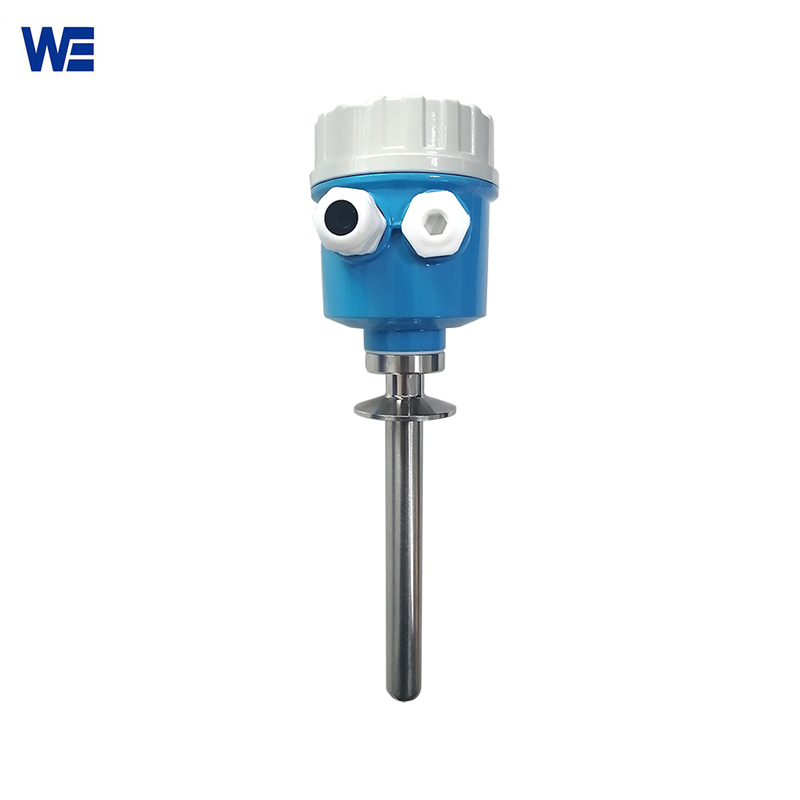

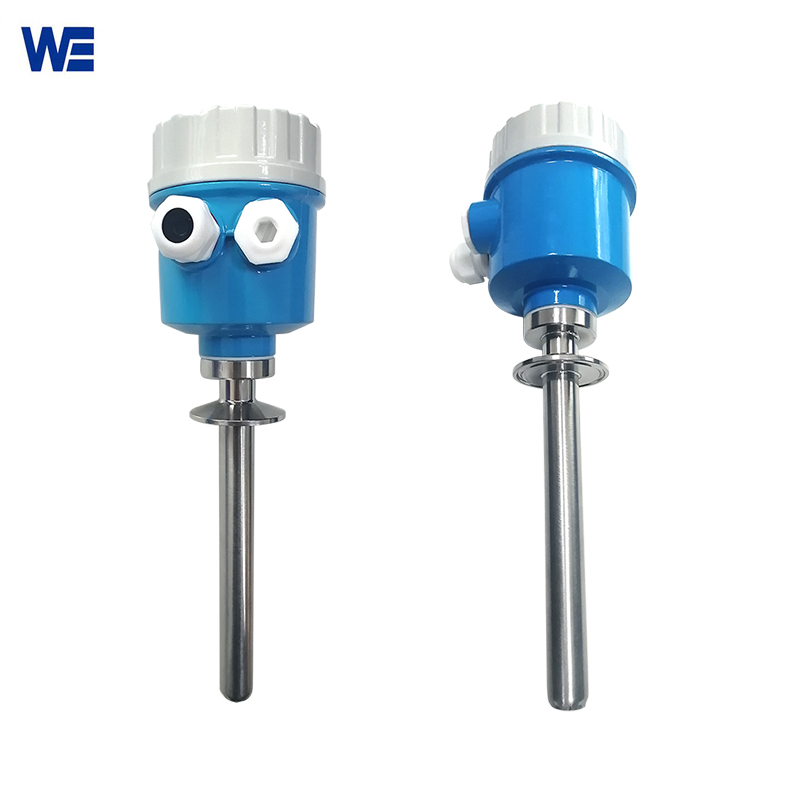
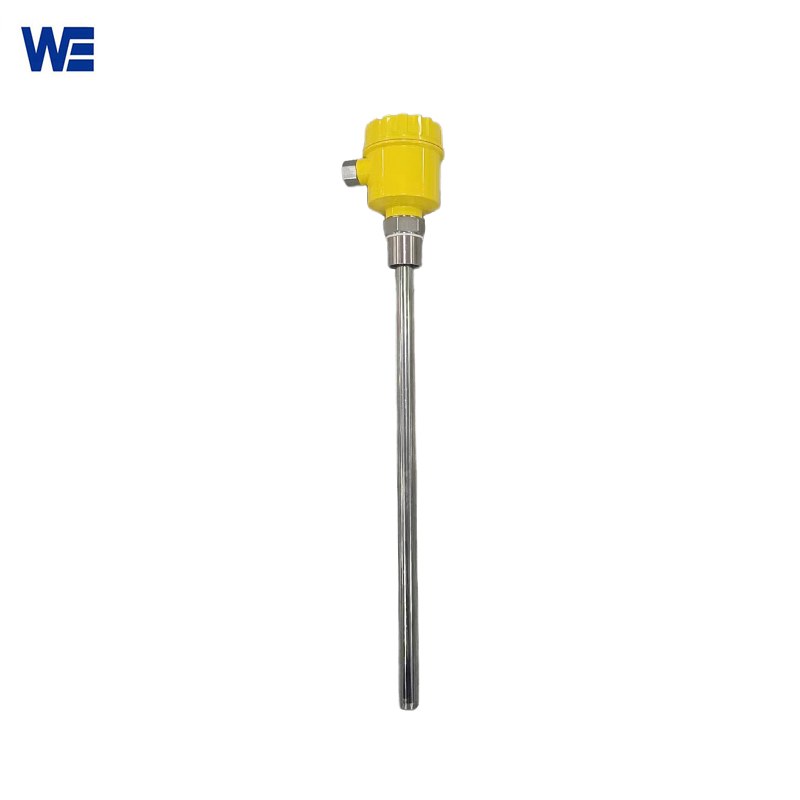
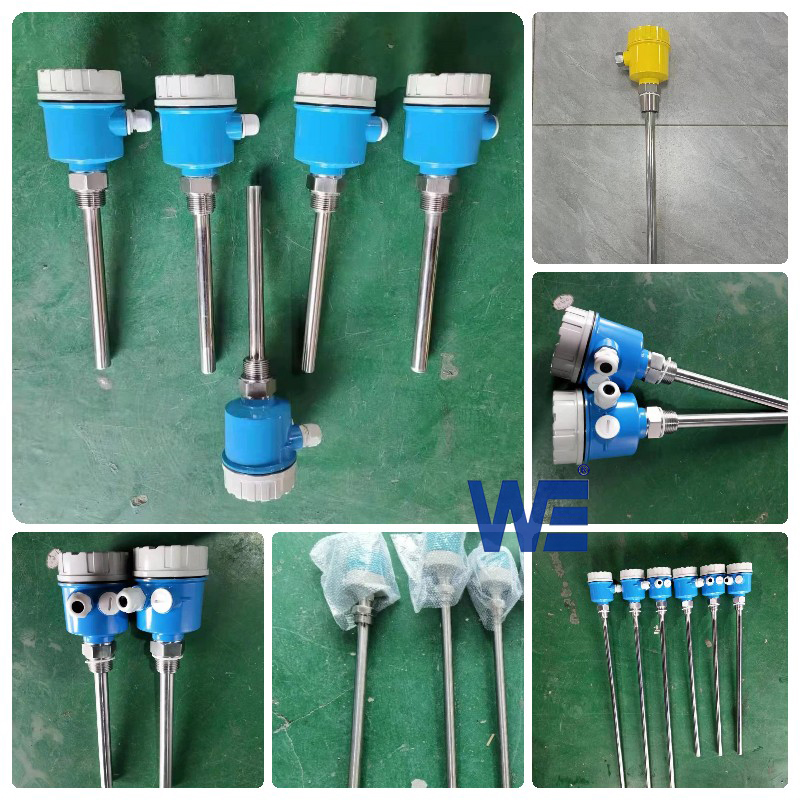
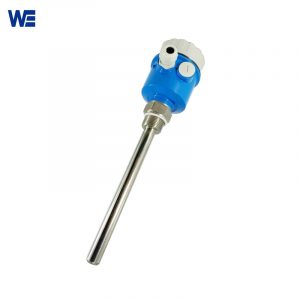
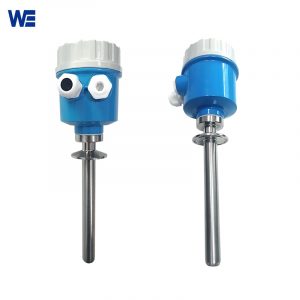
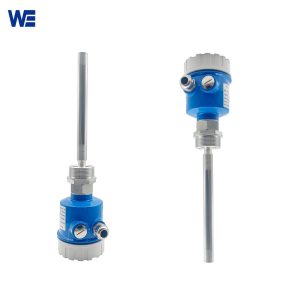
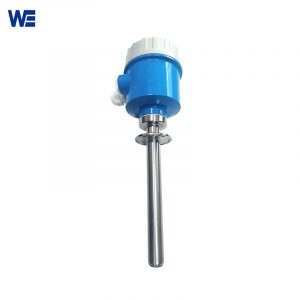
Vibrating Rod Level Switch For Solids
The piezoelectric crystal’s resonance drives the vibration of the solid level switch with a vibrating rod. The amplitude abruptly drops and the frequency and phase drastically alter when it is damped by the substance. The internal electronic circuit will detect these changes and, after processing, convert them into switch signal output.

Working Principle Of Vibrating Rod Level Switch For Solids:
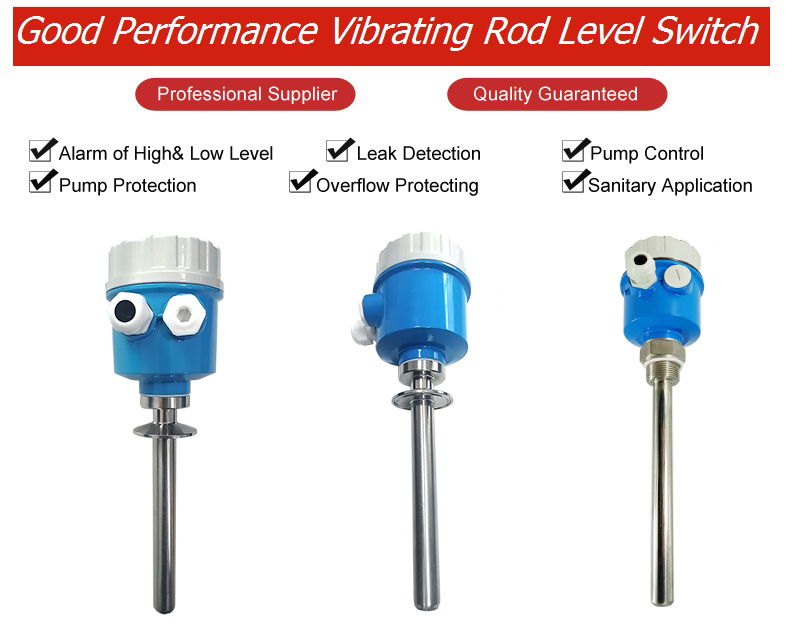
The piezoelectric crystal’s resonance drives the vibration of the Vibrating Rod Level Switch For Solids. The amplitude abruptly drops and the frequency and phase drastically alter when it is damped by the substance. The internal electronic circuit will detect these changes and, after processing, convert them into switch signal output. The vibrating rod level switch is appropriate for a variety of liquids, powders, and granular solids and has the ability to detect, control, and alert users to high and low material tank levels.
| Product Name | Vibrating rod level switch for solids |
| Medium Temperature Range | -20 ℃ ~ 200 ℃ |
| Ambient Temperature | -20 ℃ ~ 80 ℃ |
| Measured Medium | Powder & Solid |
| Measured Medium Density | Solid ≥ 0.1g / cm3 |
| Measured Solid Particle Size | ≤ 10mm |
| Pressure Range | ≤ 2MPa |
| Housing Material | Die-cast aluminum |
| Rod Material | SS304;SS316;1Cr18Ni9Ti |
| Protection Grade | IP65 |
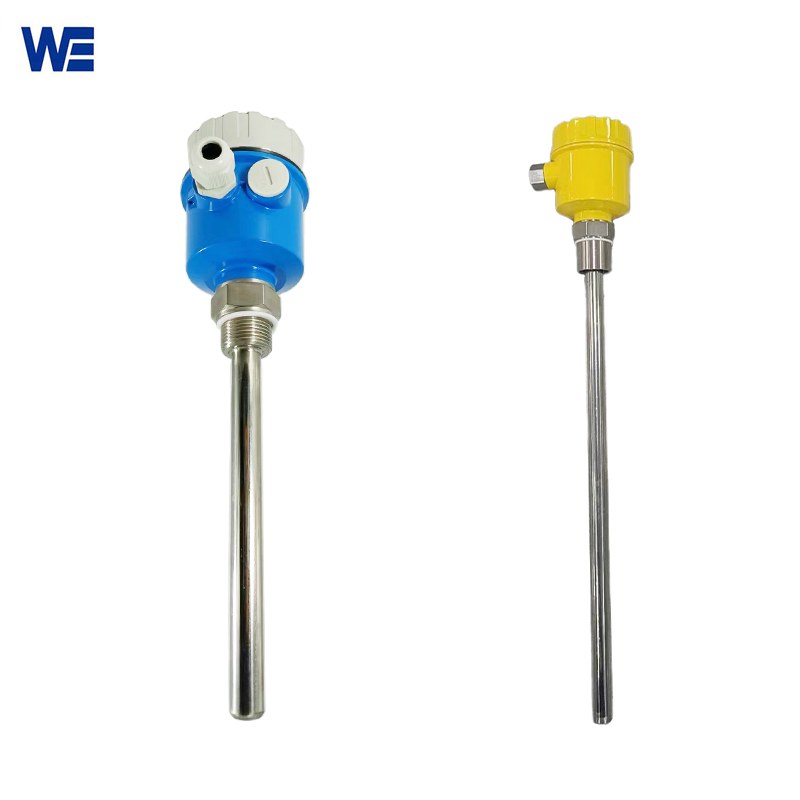
| Process Connecting | 1″Thread; Flange ;Clamp |
| Power Supply | DC24V; AC220V 50HZ |
| Signal Output / Relay Output | 5A 220VAC / 3A 24VDC |
| Power Consumption | ≤ 2W |
| Vibration Frequency | 280Hz |
| Electric Entry | M20*1.5; NPT1/2″ |
| Switch Signal Action Time | 1-60S |

Installation Guidance
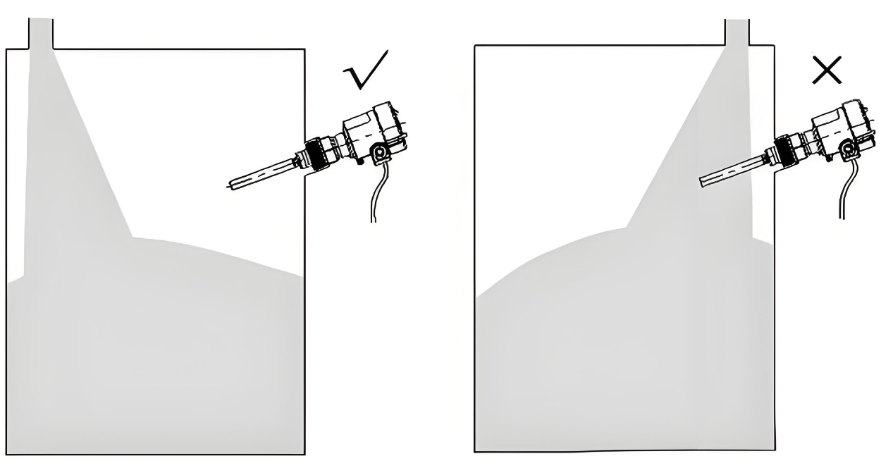
- During installation, pay close attention to the installation position. To stop rainfall from seeping into the junction box and harming the internal components and circuits, the outlet of the junction box needs to be facing downward and the cable fastening head needs to be locked.
- When multiple vibrating rod level switches are installed at the same time, the distance between each switch should be more than 300mm.
- Avoid installing it near the feed inlet to reduce the impact damage to the sensor rod during feeding. If the switch must be installed near the feed inlet, please install a protective plate 200mm above the switch.
- Inclined installation is recommended, with the probe rod tilted downward and kept at a 20° angle to the horizontal line. This can increase sensitivity and reduce damage to the switch caused by material discharge impact.
- When cleaning, rinse with water and brush gently, do not knock.