- Have any questions?
- +86 15953537010
- admin@wepower-electronic.com

Introduction
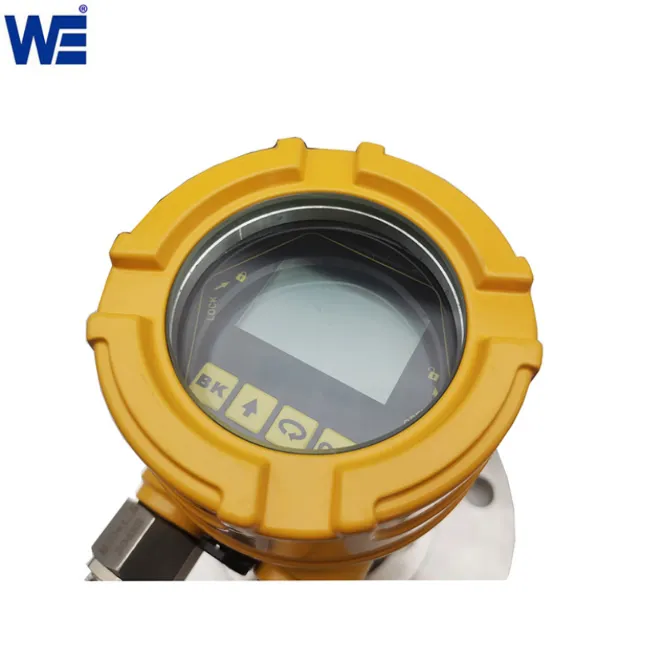
Radar level sensors are a big deal in industrial automation. They measure liquid levels in tanks and vessels with great accuracy, even in tough conditions. Steam, foam, and crazy temperature changes can mess up older sensors, but modern radar tech handles these problems well. Wepower Electronic, a leading maker of automation tools, creates solutions that keep things running smoothly. This article explains how these sensors deal with harsh environments and why industries love them.
1)The Challenges in Industrial Level Measurement
Steam’s Impact on Level Measurement
Steam can be a real pain for sensors. It forms misty clouds that mess with signals or give wrong readings. Older sensors, like ultrasonic ones, struggle because vapor messes with sound waves. Radar sensors, especially the 80GHz FMCW (Frequency Modulated Continuous Wave) kind, aren’t bothered by steam. Their electromagnetic waves cut right through misty air, giving spot-on measurements in places like chemical reactors or hot tanks.
Foam and Bubbles: The Silent Disruptors
Foam shows up a lot in industries like food processing or wastewater treatment. Picture frothy dairy tanks or bubbly chemical reactors, foam can fool sensors into reading the wrong liquid level. Old tech might think the foam’s top is the actual liquid, causing pricey mistakes. Advanced radar sensors, like Wepower’s 80G Non-Contact Radar Level Sensor, use clever math to spot the real liquid surface under foam. This accuracy matters a ton when every bit of liquid counts.
Temperature Fluctuations: A Test of Resilience
Extremely high and low temperatures can damage electronic equipment and make components brittle. Radar sensors are built strong, using tough materials to handle temperature stress. For example, 80G radar level sensor works great in extreme conditions, keeping measurements accurate to the millimeter. This strength makes them perfect for industries like oil and gas, where temps can change fast.
2)How Advanced Radar Level Sensors Overcome These Challenges
High-Frequency Radar: The Power of Precision
From 26GHz to 80GHz radar transmitters , that was a huge step forward. Higher frequency gives a tighter beam, like a focused flashlight. This helps a lot in small tanks, where older 26GHz sensors might struggle. 80GHz radar level sensor measures tiny containers with awesome accuracy. It powers through steam and foam, giving clear results in messy conditions. Tight beam avoids interference from tank walls or internal parts, which is super helpful in tricky setups.
Signal Processing and Echo Analysis
Radar sensors aren’t just sending signals and hoping for the best. They’re pretty smart! The 80G non-contact radar level sensor uses fancy tech to study echoes. Here’s the deal: the sensor sends electromagnetic waves from the tank’s top. Those waves hit the liquid surface and bounce back. The difference in frequency between the sent and returned waves shows the distance to the liquid. Wepower’s sensors use a formula: distance = (speed of light * frequency difference) / (2 * frequency modulation slope). This math keeps measurements exact, even with steam or foam in the way. Plus, the sensors adjust for temperature or vapor issues, so readings stay solid.
Non-Contact Design: Less Hassle, More Reliability
Non-contact radar sensors are super easy to maintain. Since they don’t touch the liquid, there’s no worry about rust or contamination. This is a big win for harsh liquids like acids in chemical plants. The 80G radar level sensor, for instance, needs little upkeep and lasts a long time. Setting it up is simple, just stick it on top of a tank, and it’s good to go. Industries dig these sensors for being reliable and hassle-free.
3)Applications Across Industries
Chemical and Petrochemical Plants
Chemical plants deal with rough stuff: corrosive liquids, high-pressure setups, and steamy conditions. The 80G Liquid Radar Level Sensor handles it all like a champ. It measures harsh liquids and slurries safely. Its non-contact design keeps it safe from damage, and its high accuracy keeps processes on point. Whether it’s a reactor or a storage tank, these meters get the job done.
Food and Beverage Industry
Have you ever seen the foam in a beer fermentation tank or a dairy processor? It’s a mess for old-school sensors. Wepower’s 80G radar sensors slice through froth, measuring liquid levels in foamy tanks with no problem. This accuracy is key for keeping food production consistent and high quality. Also, the non-contact type keeps things clean, no contamination worries here.
Water and Wastewater Treatment
Water in lakes, reservoirs, and wastewater tanks can become frothy or bubbly. The 80G non-contact radar level sensor handles these places easily. You mount it above a reservoir, and it sends a radar signal that bounces off the water’s surface, giving real-time data. It also works great in smaller tanks for batch processing in treatment plants. Low maintenance and high reliability make it a smart pick for water management.
4)Choosing the Right Radar Level Sensor
Key Specifications to Consider
Picking the right sensor means checking a few things. Wepower’s 80G radar level transmitter is suitable for storage tanks of various sizes and shapes. Beam angle matters too; a narrower beam cuts down on interference. Output signals, like 4-20mA or digital types, need to fit your system. Temperature and pressure also play a part. You gotta set the sensor’s range and sensitivity right for the job. Wepower’s guides say to share accurate measurement details with the maker for the best setup.
Wepower Electronic Product Highlights
80G radar level sensors produced by Wepower Electroic are made for tough jobs. They work steady, provide super precise results, and have the LCD display for easy use. Wepower’s radar level meters don’t care about the liquid’s properties, so they work for liquids, slurries, or even vacuum settings. Non-contact design of our 80G radar level transmitter cuts down on maintenance, and the radar level sensors with 80GHZ handle steam, foam, and temp swings like pros. That’s why industries like oil and gas, pharmaceuticals, and wastewater treatment swear by them.
Conclusion
Advanced radar level sensors are lifesavers for industries dealing with steam, foam, and temperature changes. Their high frequency tech, smart signal processing, and non-contact setup give top notch accuracy and reliability. From chemical plants to food makers to water treatment, these sensors keep things running smooth. Got questions or need the right sensor? Contact Wepower Electronic, they’ll point you to the best solution.
FAQ
Q1: How do radar sensors differentiate foam from liquid?
Radar sensors like the 80G model use clever echo tricks to find the real liquid surface. Their math filters out weak foam signals and locks onto the stronger liquid signal.
Q2: Can radar sensors measure boiling liquids?
Yup, 80GHz radar sensors can handle boiling liquids. Their strong signals cut through steam and vapor, giving accurate readings even in hot, wild conditions.
Q3: What maintenance is required for non-contact radar sensors?
Non-contact radar sensors, like Wepower’s 80G models, don’t need much care. Just check the alignment now and then and wipe off dust or buildup from the sensor’s face to keep it running great.