- Have any questions?
- +86 15953537010
- admin@wepower-electronic.com

Introduction
Checking fluid density is more than a lab job. In oil refining, water systems, food and drinks, or mining, density shows quality, mix level, or even safety. The challenge is that every liquid is different. Fuels are thin, water is light, drinks are sweet, and slurry is thick. Each reacts in its own way. That’s why engineers use different density meters for each type. Below we look at four common fluids and the tools that fit them.
1)Oil Density Meter
Key Characteristics of Oil
Oil is a broad group. It includs light fuels like gasoline, medium fuel like diesel, and heavy lube oils. It’s density changes with mix and heat. Even small shifts can mean the product is not correct or blending is off. Additives may also change the value a bit. Because oil reacts strongly to temperature, readings need correction or stable test conditions.
Recommended Density Meters for Oil
Vibrating Densitometer: Very accurate, used in labs and process work.
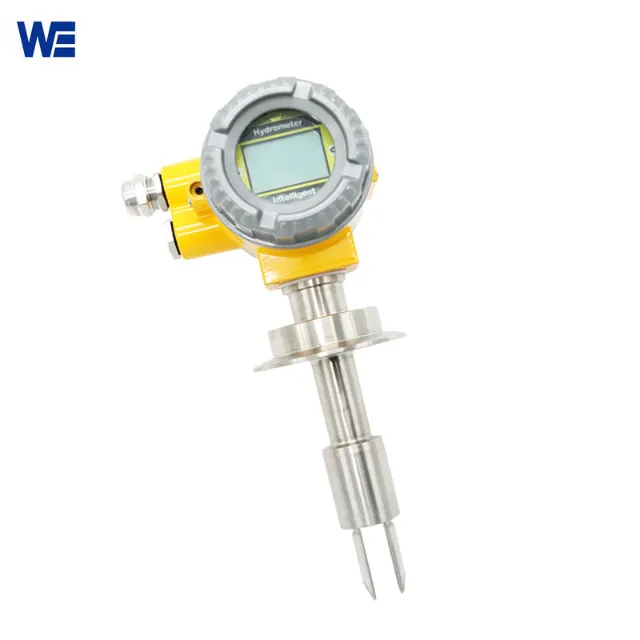
Tuning Fork Density Meter: Small, simple to put on pipes.
Differential Pressure Density Meter: Tough choice for large tanks.
Typical Oil Applications
Refineries, oil blend units, and storage tanks all use density checks to keep product within standard and to manage stock.
2)Water Density Meter
Key Characteristics of Water
Pure water looks simple. But in industry it is rarely clean. Boiler water may carry salts that cause scaling or rust. Wastewater often has solids. Watching density gives a quick idea of pollution or progress in treatment. Heat also changes water. Hot water in power plants is less dense, so numbers must be corrected. In pharma or food use, even tiny changes can be important.
Recommended Density Meters for Water
Vibrating Densitometer: Good when very exact values are needed.
Differential Pressure Density Meter: Often used in boiler systems.
Typical Water Applications
Power stations, pharma factories, and city water plants depend on density control to run safely and meet rules.
3)Density Meter For Beverages Industry
Key Characteristics of Beverages
Drinks are not just water. They hold sugar, alcohol, sometimes bubbles. Density shows sweetness, alcohol level, and recipe balance. Small changes can affect taste, look, or feel. This hurts brand trust. Hygiene is also strict. The density meter must be food-safe, easy to wash, and able to resist sticky syrups. In sparkling drinks, bubbles disturb readings, so steady sensors or fixes are needed.
Recommended Density Meters for Beverages
Vibrating Densitometer: Gives exact sugar and alcohol data.
Tuning Fork Density Meter: Fast check, used online in lines.
Typical Beverage Applications
Breweries, juice plants, and soda lines check density all the time to keep flavor and product steady.
4)Slurry Density Meter
Key Characteristics of Slurry
Slurry is the hardest liquid to measure. It mixes liquid and solid bits. It can be thick, rough, and not even. High solids make it dense but also block or damage sensors. In mining or drilling, slurry density affects output and wear of gear. In paper making, pulp density shapes strength and product quality. Air bubbles, settling, and uneven flow all add to the challenge. This means only strong tools can last.
Recommended Density Meters for Slurry
Differential Pressure Density Meter: Strong and trusted for heavy work.
Vibrating Densitometer: Useful in some slurry cases when care is taken.
Ultrasonic Density Meter: useful for lighter or cleaner slurry like pulp.
Typical Slurry Applications
Mining, metal plants, paper mills, and drilling rigs all track slurry density to cut waste and raise productivity.
5)Brewery Concentration Meter
Key Characteristics of Beer
Beer is more complex than many drinks. It is not only water and alcohol. It also has sugar, proteins, and carbon dioxide. Density here is linked to brewing stages. A small shift can show if fermentation is done or not. It also tells how strong the beer will be. Bubbles and foam can disturb readings, so tools must handle gas without losing accuracy. Hygiene is strict too, since beer plants need clean and safe equipment.
Recommended Density Meters for Beer
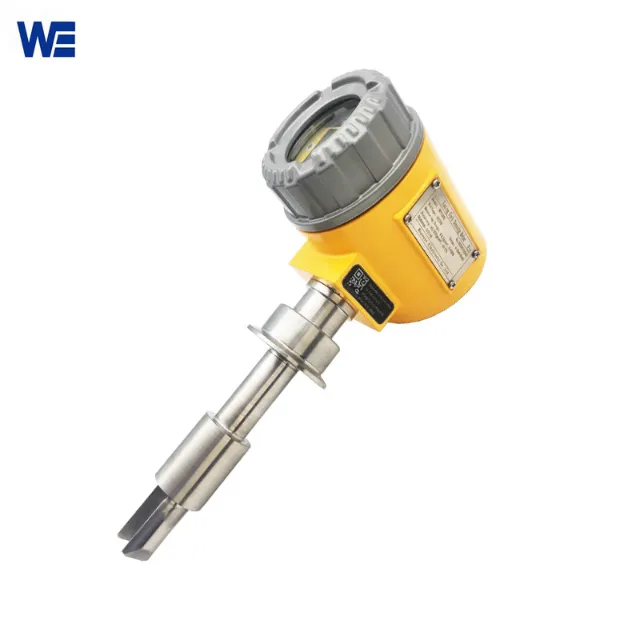
Tuning Fork Density Meter: Suitable for rapid detection of wort density and alcohol concentration during the brewing process.
Typical Beer Applications
Breweries track density from mash to final product. It helps control fermentation, adjust the scale and ensure the same taste in every batch.
6)How to Choose the Right Density Meter by Fluid Type
Different liquids need different tools:
Oil: Vibrating densitometer for lab or high accuracy. Tuning fork or differential pressure for pipes and tanks.
Water: Vibrating densitometer for clean lab work. Differential pressure for boilers. Ultrasonic for waste or plant water.
Beverages: Vibrating densitometer for sugar or alcohol. Tuning fork for fast checks on line. Ultrasonic for safe, clean tests.
Slurry: Differential pressure for hard use. Vibrating densitometer for some jobs. Ultrasonic for lighter slurry.
Choice is not only about liquid. Space, budget, and how much care you can give the tool also matter.
Conclusion
No one density meter works for every type. Oil, water, drinks, and slurry each call for their own way. The best pick balances accuracy, strength, and process needs.
Wepower Electronic provides OEM services. We gather site details and process data, then suggest the right density meters, sensors, or transmitters. These match the job in real life, not only on paper.
If your work needs density data, talk to a team that sees the whole picture. The right tool saves money and avoids problems later.
FAQ
Q1: Which density meter is most reliable for slurry?
The differential pressure meter is the strongest, but vibrating densitometers are used too, based on slurry type.
Q2: Can a Vibrating Densitometer measure beverages like alcohol?
Yes. It’s widely used in beer and spirit making for alcohol and sugar checks.
Q3: What is the difference between a Tuning Fork Density Meter and other density meters?
Tuning fork meters are small and easy to fit in pipes. They give quick results but may be less exact than lab tools.
Q4: How does temperature affect density measurement for water and oil?
Both change with heat. Most modern meters add temperature fixes to keep results right.
Q5: Can density meters be integrated with flow and pressure monitoring systems?
Yes. Many new setups join density, flow, and pressure for a full view of liquid behavior.