- Have any questions?
- +86 15953537010
- admin@wepower-electronic.com


Introduction
Pressure and flow sensors play a vital role in process control, yet they often struggle when operating under low differential pressure or slow flow conditions. Unstable readings, signal drift, or calibration problems may result from these circumstances. Engineers can choose better sensors and maintain system accuracy by knowing why these problems arise.
1)Low Differential Pressure Conditions
What “Low Pressure” Means in Measurement
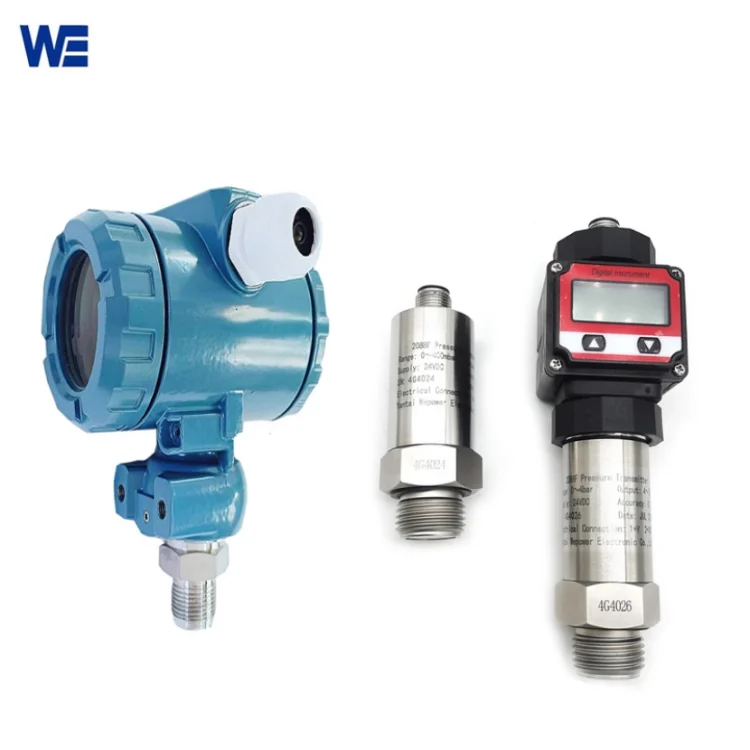
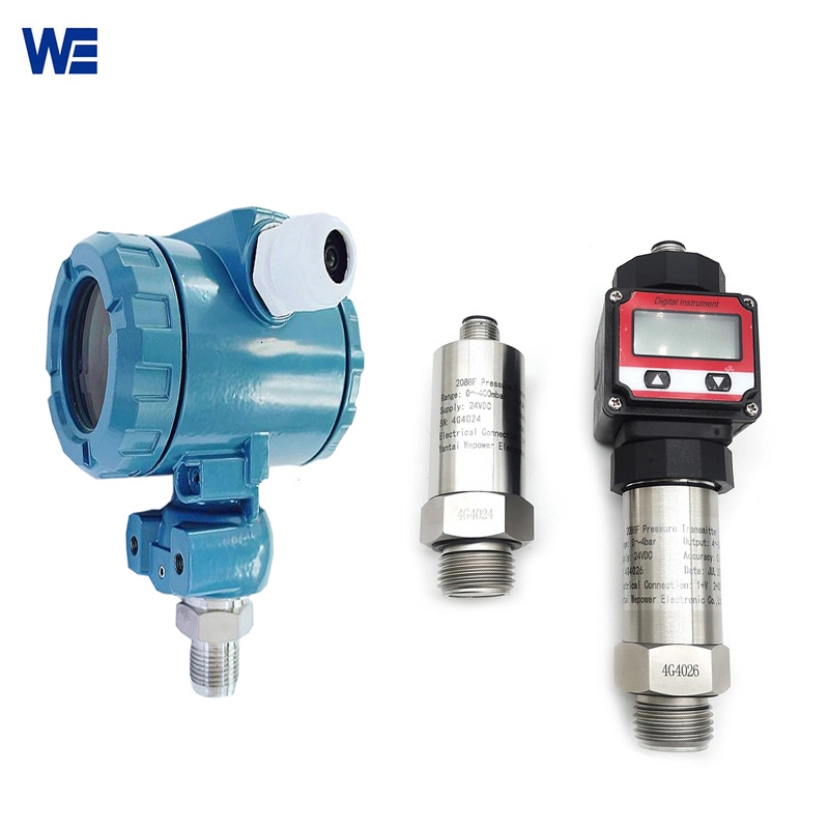
A little difference between two pressure points—sometimes only a few pascals—is referred to as low differential pressure. Occasionally, only a few Pascals. The sensor picks up a weak signal. Noise from the environment creeps in easily. Real changes get buried. This happens often in systems running near atmospheric levels. A High Accuracy Pressure Transmitter shines here, cutting through the clutter better than standard models.
Effects on Sensor Sensitivity
Small pressure differences fail to move the diaphragm much. The output stays flat or jumps randomly. Vibration from a nearby pump can fake a reading. Heat expands parts unevenly. Sensitivity drops off. Engineers notice spikes that aren’t real. Picking a Stainless Steel Pressure Sensor helps because it resists those tiny shifts and holds steady longer in tough spots.
Real World Scenarios
HVAC systems monitor air filters with minimal pressure drops. Water treatment plants track slow flows through membranes. Cleanrooms keep positive pressure at low levels to block contaminants. Standard sensors wander off target. Precision tools step in. An Air Pressure Sensor designed for these ranges keeps the numbers reliable, avoiding false alarms that waste time.
2)Why Sensor Readings Drift or Fluctuate
Electrical Noise and Interference
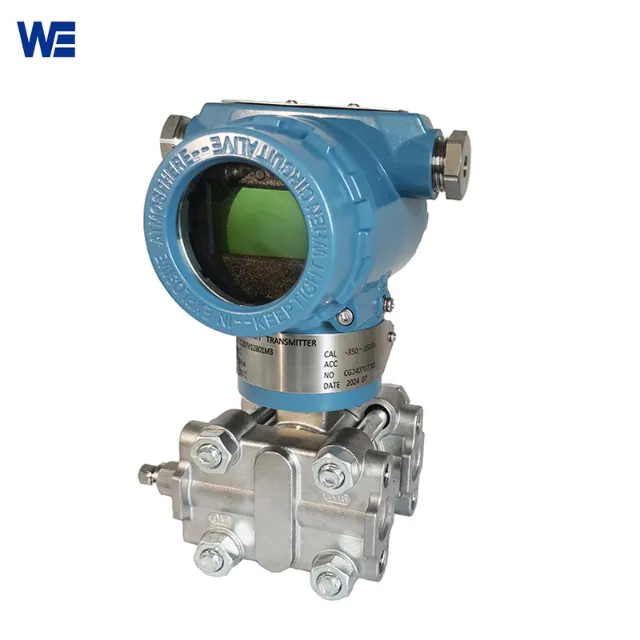
Weak signals invite trouble from motors or radios nearby. Long cables act like antennas, pulling in junk. The readout flickers. Shielding fixes some, but not all. Ground loops add their own buzz. In noisy factories, this turns good data bad fast. A Smart Differential Pressure Transmitter often includes built in filters to clean up the mess before it shows.
Thermal Effects
Heat expands metal parts. Diaphragm tension changes. Electronics inside warm up unevenly. The 2088T compensates -10 to 70℃, yet outside that range drift hits hard. Cold mornings show false lows. Steam lines nearby cook the housing. Insulation or remote mounts fix it. Small shifts compound over hours.
Mounting Orientation and Position
Tilt the sensor wrong, and liquid pools in lines. Air bubbles trap high up. Gravity pulls on the setup. Readings bounce as things settle. Far from the tap point means more delays. Impulse lines sag over time. Proper brackets matter. Getting this right from the start saves headaches later, especially in cramped panels.
3)Flow Related Measurement Challenges
Turbulence and Flow Profile
Slow flows don’t fill the pipe evenly. Eddies form at elbows or valves. Pressure taps catch these swirls as fake drops. The profile distorts. Laminar turns messy. Sensors misread the average. Straight runs upstream help smooth it out. Without them, data looks chaotic even when the system runs fine.
Blockage and Debris
Low speeds let particles drop out. Lines clog bit by bit. Differential pressure builds falsely. Trends creep up slowly. Flushing fixes it temporarily. Filters catch big stuff but miss fines. In dirty water lines, this sneaks up. Regular checks spot the buildup before it throws off control loops entirely.
Compensating for Flow Instability
Damping smooths spikes. Set time constant to 1-2 seconds. Software averages multiple reads. Flow straighteners help upstream. The 2088T responds under 500 Hz analog. Digital RS485 slows to 5 Hz but stays stable. Pair with PLC logic. Adjust on the fly.
4)Material and Design Factors Affecting Accuracy
Diaphragm and Sensor Material
Silicon responds quick but fragile. Stainless steel takes abuse and lasts. Ceramic fights chemicals well. Hysteresis stays low in elastic types. Linearity holds at tiny pressures. Material choice sets the floor for errors. A Stainless Steel Pressure Sensor often wins in industrial spots where bumps and corrosion lurk.
Internal Volume and Seal Design
Dead volume lags response. Tight seals stop leaks. Wepower’s pressure transmitters in this class use compact chambers to ensure rapid response without signal overshoot. Butyl rubber seals the 2088T. Small cavity means less fill fluid error. Quick pressure steps show clean.
Sensor Aging and Calibration Drift
Vibration fatigues bridges. Heat cycles stress bonds. Stability ±0.1%FS/year per spec. Recalibrate yearly. Log trends in DCS. One unit drifted after 18 months in a shaker table setup. Zero and span checks catch it early. Don’t skip them.
5)Installation and Configuration Best Practices
Proper Line Routing
Keep impulse lines under 1 meter. Slope 1:10 for drain. No sags. Use same diameter tubing. The guide warns against media spray during wiring. Disconnect pressure first. Purge air fully. One loop in the line once trapped vapor for days.
Zero Point Calibration
Zero the sensor with lines open to air. Do it at operating temperature. Account for height differences. Repeat after moves. Software makes it easy now. Skipping this leaves built in bias. Fresh zeros keep the baseline true, especially after shutdowns.
Environmental Protection
Dust clogs vents. Moisture shorts boards. Sun bakes enclosures. IP65 boxes block rain. Desiccant packs eat humidity. Wepower provides shielded housings to maintain long term stability. Harsh spots need this armor to keep low signals clean and drifting minimal.
6)Practical Solutions for Better Low Pressure Performance
Use High Resolution Differential Transmitters
Pick models tuned for micro pascals. They amplify weak signals cleanly. Resolution beats noise. Accuracy specs hit tight bands. A High Accuracy Pressure Transmitter or Smart Differential Pressure Transmitter handles near zero without guessing. Upgrading pays off in stable control.
Add Temperature and Flow Compensation
Feed temp sensor to PLC. Correct output in code. Flow meters upstream adjust gain. The 2088T compensates internally to 70℃. External still refines. One site cut drift 60% with PT100 pair. Simple math, big win.
Regular Maintenance and Data Monitoring
Clean lines monthly. Recalibrate quarterly. Watch trends daily. Alarms flag big shifts. Many facilities partner with Wepower to set up predictive maintenance routines. Catching wear early avoids downtime. A quick wipe can save a whole batch.
Conclusion
Low flow and low pressure conditions challenge the limits of standard sensors. Small physical variations, temperature shifts, or installation errors can easily distort readings. By understanding these error sources and applying sound installation and calibration practices, engineers can greatly improve measurement reliability. With precise instrumentation and thoughtful maintenance, even delicate systems can maintain stable, trustworthy performance.
FAQ
Q: What causes the most drift in low pressure sensors?
A: Temperature changes top the list, followed by electrical noise in busy plants.
Q: Can a standard Air Pressure Sensor work in low flow?
A: It tries, but accuracy suffers below certain ranges; go for specialized low range models.
Q: How often should zero calibration happen?
A: At startup, after maintenance, or every six months minimum.
Q: Why choose a Stainless Steel Pressure Sensor for low pressure?
A: It resists corrosion and holds shape under tiny deflections better.
Q: Does a Smart Differential Pressure Transmitter fix all issues?
A: No, but it compensates for many, like temp and noise, if installed right.