- Have any questions?
- +86 15953537010
- admin@wepower-electronic.com

1)Challenges in Turbine Flow Meter Performance
Causes of Inaccurate Readings in Turbine Flow Meters
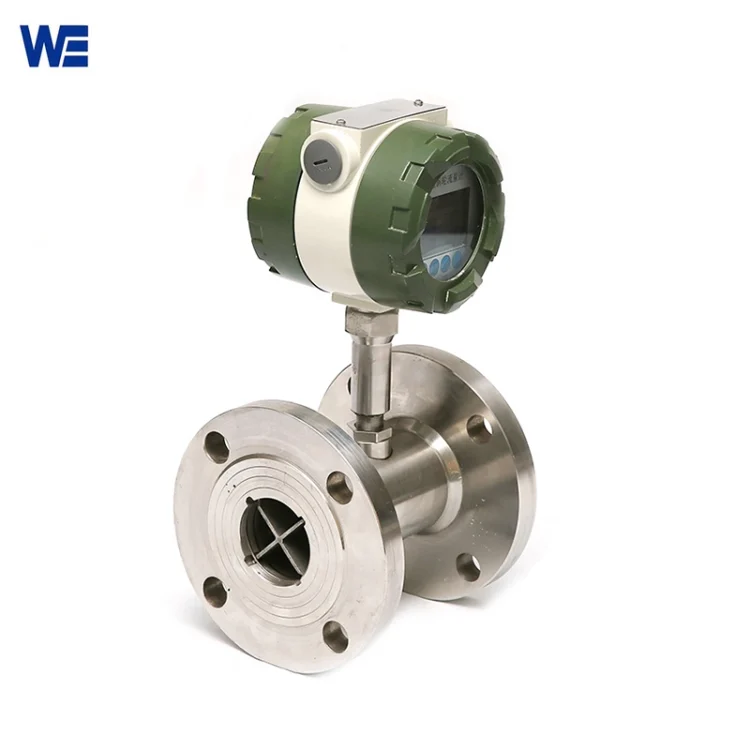
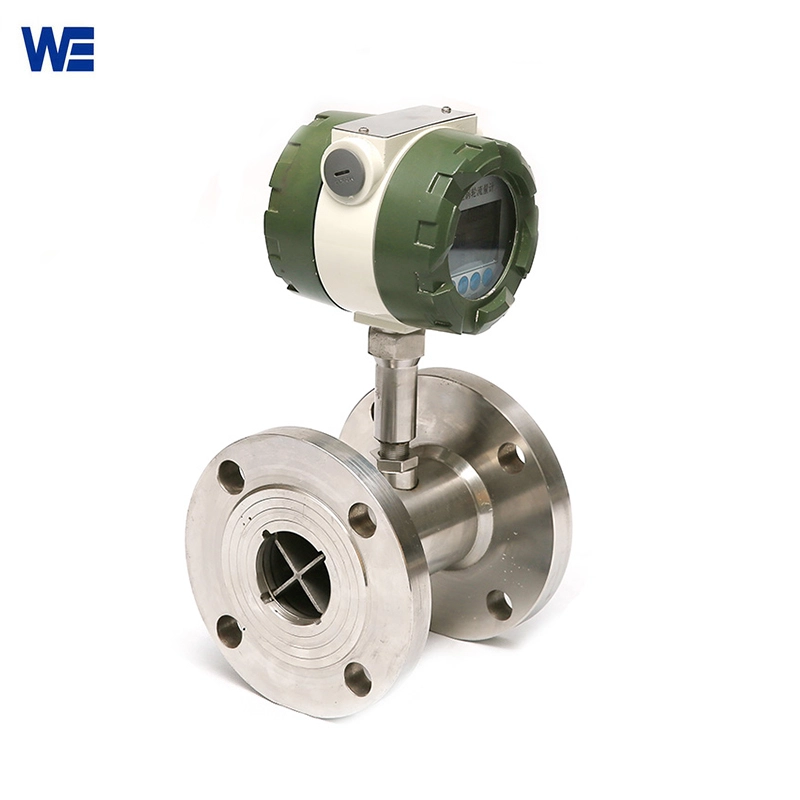
Like the Wepower’s Turbine Flow Meter , are prized for their precise measurements and straightforward design. However, certain problems can mess up their accuracy.
One issue is when the fluid doesn’t match the meter’s materials. “Use only fluids that are compatible with the housing material and wetted components of your turbine.” If the fluid doesn’t work well with the meter, it can cause rust or wear down parts. This hurts the meter’s ability to measure correctly.
Also, bits of dirt or junk in the fluid can block the rotor’s spin. This makes the meter report lower flow rates than what’s really happening. To stop this, putting a filter before the meter is a smart move.
Effects of Fluid Viscosity and Temperature on Turbine Flow Meter Accuracy
The thickness of the fluid, or viscosity, plays a big role in how well a Turbine Flow Meter works. Thick fluids slow the rotor down, which leads to lower readings than the actual flow.
Temperature changes also mess with measurements. They can change how thick or dense the fluid is. Too much heat might warp plastic parts or mess with the magnetic sensors inside. To keep things accurate, calibrate Turbine Flow Meters for the specific temperature and thickness of the fluid they’ll measure.
Preventive Maintenance Strategies for Turbine Flow Meters
Routine checks should look for leaks, test if the signal stays steady, and clean parts carefully. Don’t use compressed air to clean, though—”Do not blow compressed air through the turbine.” This could harm the delicate pieces inside.
2)Troubleshooting Magnetic Flow Meter Malfunctions
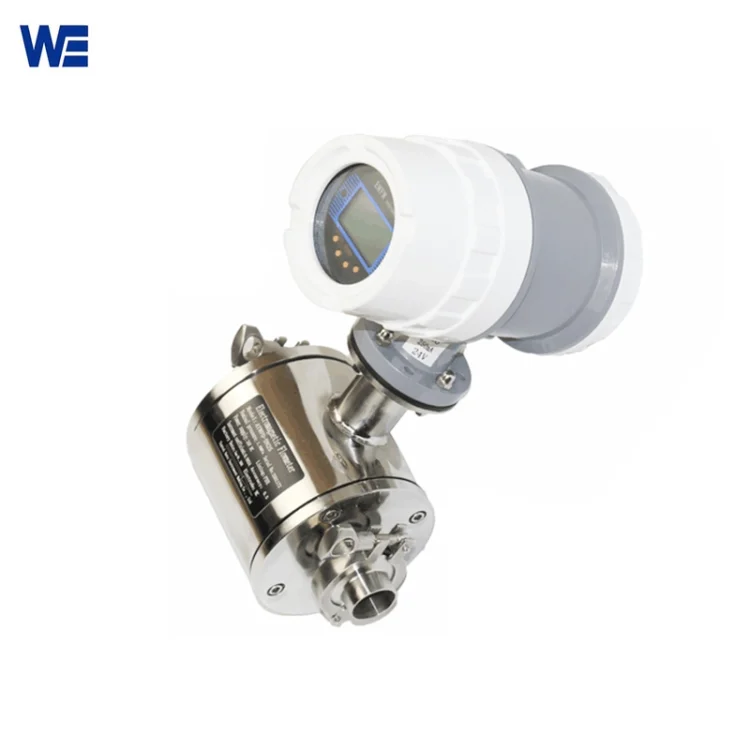
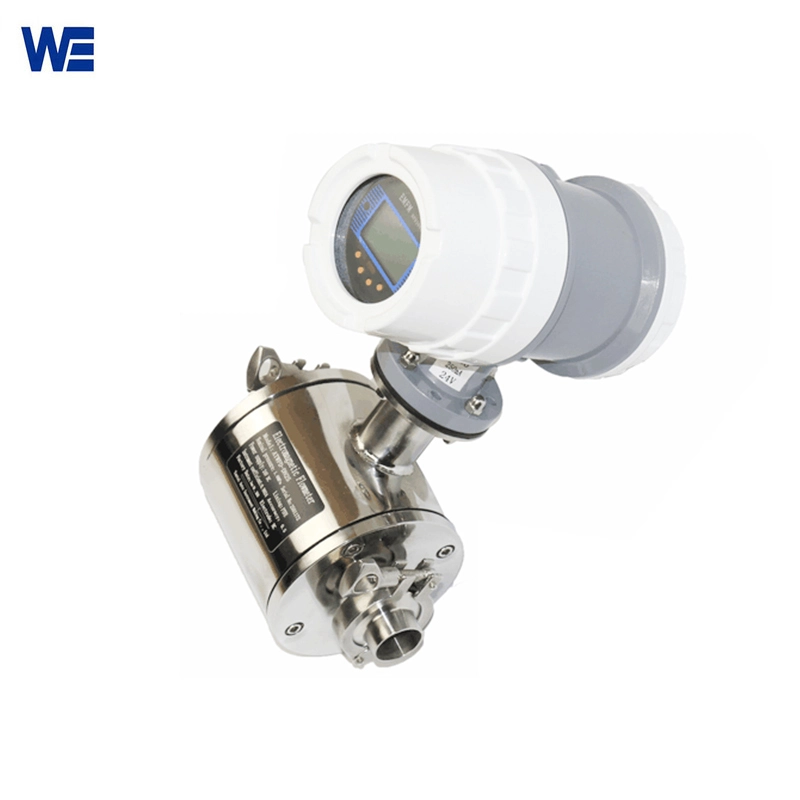
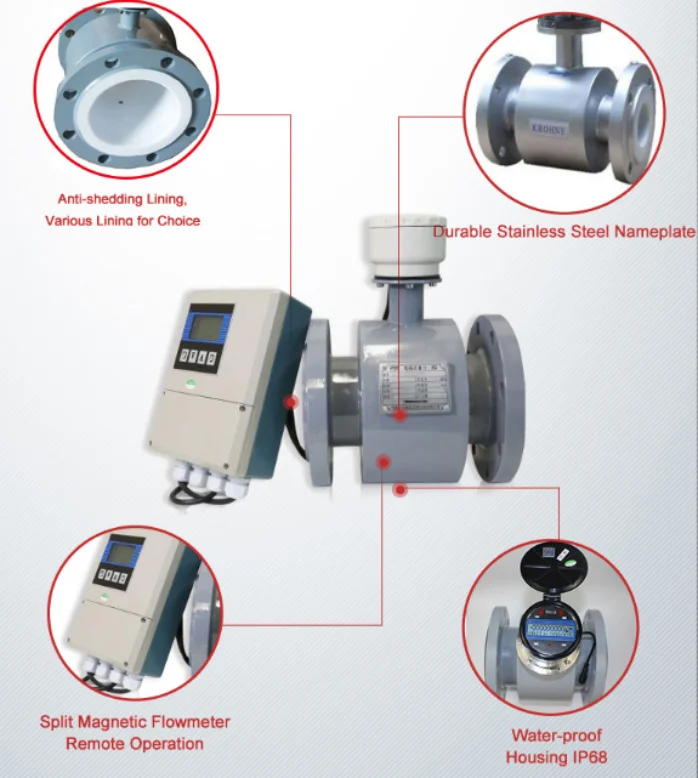
Magnetic Flow Meters can have issues. Common problems include bad wiring, dirty sensors, and electrical noise. Checking wires to make sure they’re tight and cleaning sensors often can stop these troubles. This helps the meter give correct readings.
Common Electrical Failures in Magnetic Flow Meter Applications
Electrical problems often come from loose wires, sudden power spikes, or broken sensors. Good grounding, adding surge protectors, and looking at wire connections regularly can avoid these issues. This keeps the meter working well.
How Fluid Properties Interfere with Magnetic Flow Meter Operation
The type of fluid affects how Magnetic Flow Meters work. Thick fluids, like those with high viscosity, can slow down flow. Changes in fluid conductivity can also mess up readings. Picking the right meter for the fluid type makes it work better.
Calibration Techniques to Improve Magnetic Flow Meter Performance
Calibration is super important for accurate results. It means setting the meter to match known flow conditions. You also check it against standard references. Doing this regularly ensures the meter gives trustworthy data, even if the environment changes.
Wepower Electronic Co., Ltd’s Magnetic Flow Meter Transmitter has RS485, Hart and Modbus digital communication signal output as optional. For the battery powered model magnetic flow transmitter , can launch GPRS signal, has first-class technology in calibration.
3)Diagnostic Issues with Ultrasonic Water Flow Meters
Signal Interference and Its Effect on Ultrasonic Water Flow Meter Accuracy
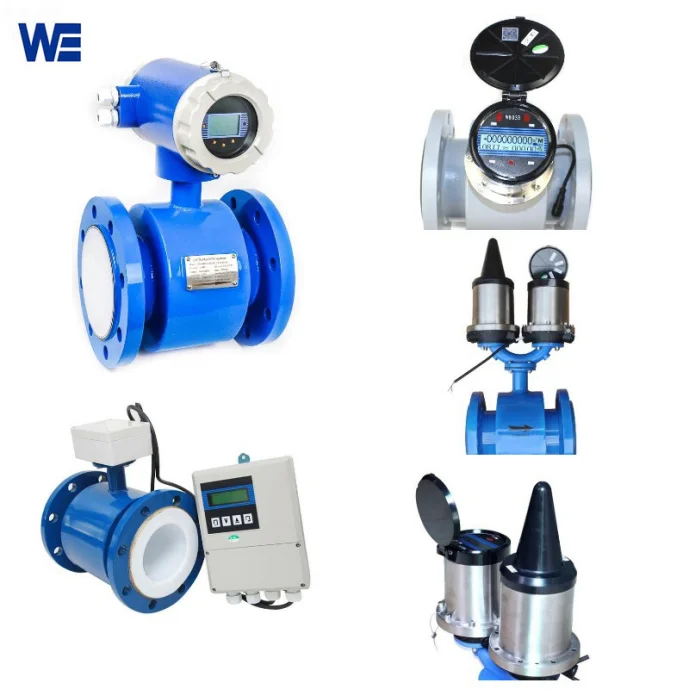
Ultrasonic Water Flow Meters measure flow by sending sound pulses through pipes. But things like pipe vibrations or electrical noise can mess up these pulses. This causes wrong measurements. Using shielded cables and grounding the system well reduces these problems.
Solutions to Enhance Signal Stability and Measurement Precision
To make signals more stable, modern Ultrasonic Water Flow Meters use clever filters. These filters separate real signals from background noise. Also, placing transducers exactly across from each other keeps signals clear. This makes measurements more precise.
4)Operational Problems in Oval Gear Flow Meters
Blockages and Contamination in Oval Gear Mechanisms
Oval Gear Flow Meters use rotating gears to measure liquid volume in special crescent-shaped spaces. “The oval gear is rotated by the pressure difference between the inlet and outlet of the flowmeter so that the liquid is continuously measured by the crescent cavity.” Dirt, like sludge or metal bits, can jam the gears, causing the meter to fail or give bad readings.
Adding strainers before the meter keeps out debris and prevents blockages.
Temperature-Induced Expansion and Its Influence on Accuracy
High temperatures make metal parts in Oval Gear Flow Meters expand. This changes the gaps between gears and chambers, which can mess up measurements. Friction or leaks might increase, throwing off the meter’s precision.
Design Improvements That Optimize Oval Gear Flow Meter Functionality
Today’s Oval Gear Flow Meters often use stainless steel to resist rust. They also have digital screens with RS485 output for tracking from afar. “LCD display (Instantaneous, cumulative, 4–20mA, pulse, RS485)” gives clear, real-time data without needing to check the meter by hand.
Wepower Electronic’s Oval Gear Flow Meter is a great example. It’s built for acids, bases, oils, and thick liquids, serving industries like petrochemicals and food processing.
5)External Factors Affecting All Types of Flow Meters
The Role of Vibration and Environmental Conditions in Measurement Errors
Flow meters near pumps or machines often face shaking, which can throw off sensors or create uneven pressure. This leads to wrong readings. Using dampers or mounts to shield the meter cuts down on these errors.
Tough conditions, like high humidity or dust, can also harm the meter’s electronics over time. Housing them in IP-rated cases protects against these issues.
Power Supply Instability and Its Impact on Digital Readouts
Unsteady power can make digital meters reset or show wrong numbers. Voltage spikes mess with the meter’s circuits. Adding surge protectors keeps power steady, and backup batteries ensure the meter keeps running during outages.
Importance of Regular Recalibration Across Different Flow Meter Types
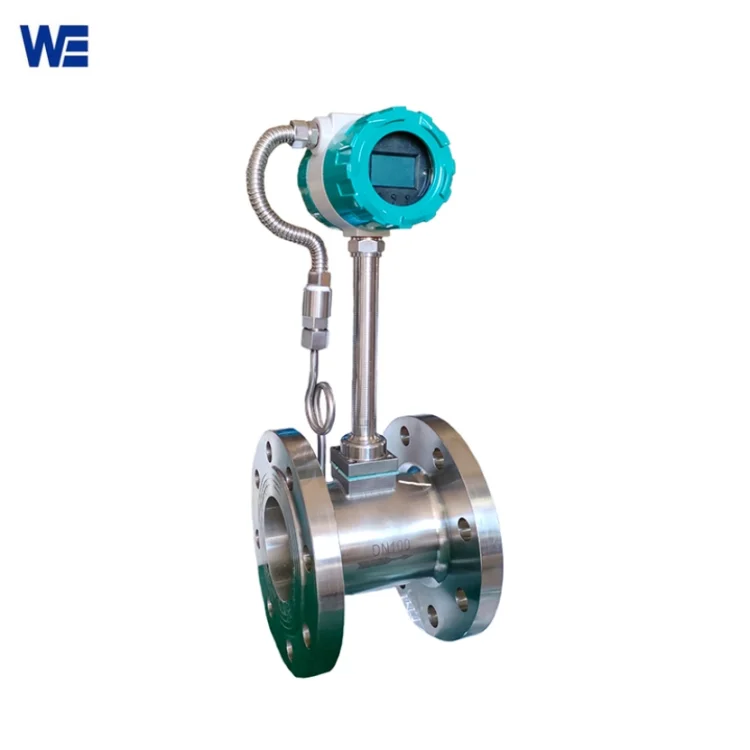
No matter the type—Turbine Flow Meter, Magnetic Flow Meter, Ultrasonic Water Flow Meter, or Vortex Flow Meter—recalibrating keeps them accurate. Wear and environmental changes can build up over time. “For best results, calibrate the meter at least 1 time per year.”
Frequently Asked Questions (FAQ)
What causes a Turbine Flow Meter to stop working?
Dirt blocking the rotor, damage from wrong fluids, or wear from rough handling can stop it. Regular checks help prevent these problems.
Do Oval Gear Flow Meters need frequent maintenance?
Not always, but check them now and then for dirt that could jam gears. Using filters before the meter makes maintenance less frequent.
How often should I recalibrate my industrial flow meter?
Once a year is best, especially with changing conditions. Harsh fluids or temperature shifts might need more frequent checks.
To explore solutions like Wepower’s Turbine Flow Meter, Oval Gear Flow Meter, or Ultrasonic Level Sensors, contact Wepower Electronic Co., Ltd. Based in Yantai, a seaside city, we’ve been making and researching since 2003. Our team offers 24-hour support every workday!