- Have any questions?
- +86 15953537010
- admin@wepower-electronic.com


1)Overview of Ultrasonic and Electromagnetic Flow Meters
Key Features of Ultrasonic Flow Meters
Ultrasonic Flow Meters use sound waves to check how fast a fluid goes. They stay outside the fluid, suitable for measuring liquids. These meters have at least two parts that send and grab sound pulses through the fluid. They look at how long the pulses take to travel. This shows the flow speed. Ultrasonic flow meters work with liquids that don’t carry electricity. They’re tough enough for hot spots, high pressure, or even harsh liquids when using clip-on styles.
Key Features of Electromagnetic Flow Meters
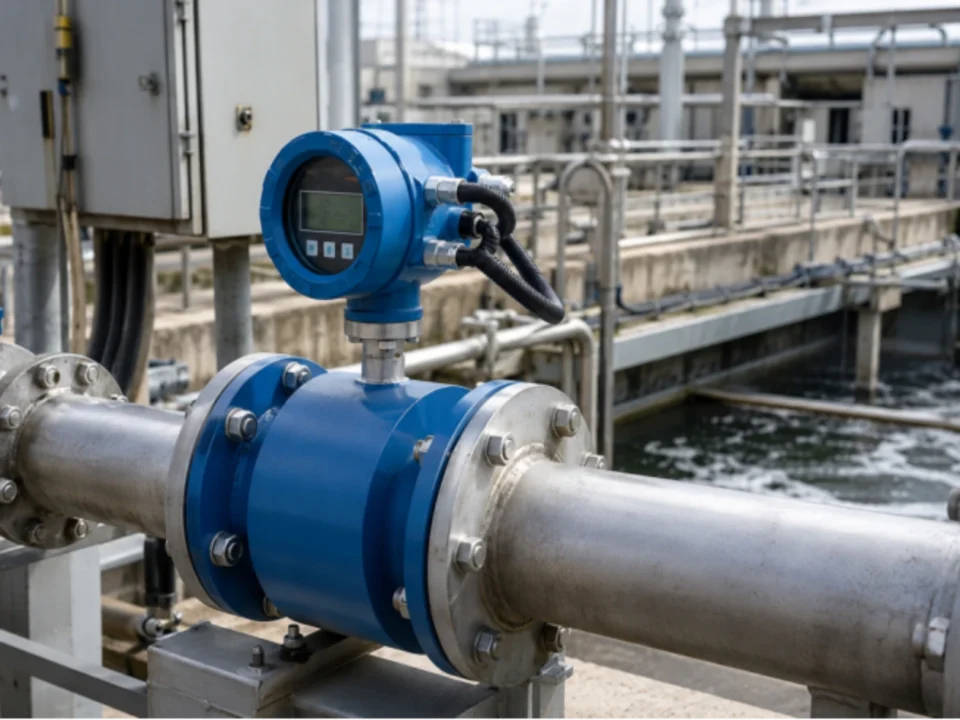
Electromagnetic Flow Meters follow a rule called Faraday’s Law. They check how fast conductive liquids move by picking up voltage made when the liquid passes a magnetic field. These meters only work with liquids that carry electricity. They give spot-on measurements, which is awesome for jobs needing really precise results.
Common Applications for Each Type
Ultrasonic Flow Meters pop up in places like water cleanup plants, oil and gas jobs, and HVAC systems. They can handle all kinds of fluids, even ones that don’t conduct electricity. Electromagnetic flow meters shine in spots like wastewater treatment, chemical plants, and food factories where liquids carry electricity.
2)How Ultrasonic Flow Meters Work
Principles Behind Ultrasonic Level Sensors
Ultrasonic Level Sensors rely on sound waves to do their work. They shoot out sound pulses that zoom through the fluid and bounce back after hitting something solid. By timing how long the pulse takes to return, the sensor figures out the fluid’s level or distance.
Advantages and Limitations of Ultrasonic Flow Meters
Ultrasonic meters are great because they don’t mess with the fluid. But they can trip up with super thick or goopy liquids, or ones with lots of solids or bubbles. Those can mess with the sound waves.
Benefits of Using Ultrasonic Flow Meters
No Contact: They clip onto pipes, making setup and cleaning a breeze.
Lots of Fluids: They handle liquids, gases, and even rough chemicals.
Lasts Long: No moving parts means they stay strong for ages. But they’re not perfect for really sticky liquids or ones with too much junk. That can throw off their readings.
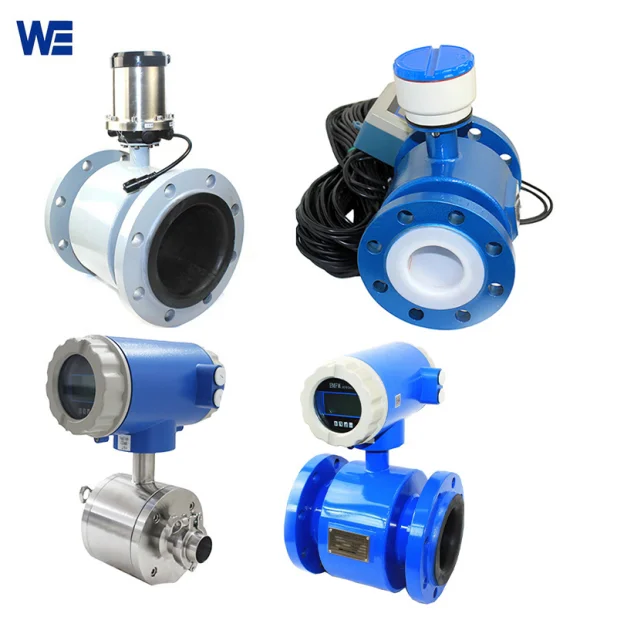
3)How Electromagnetic Flow Meters Work
The Functionality of an Electromagnetic Flow Meter
Electromagnetic Flow Meters create a magnetic field across a pipe. When a conductive liquid flows through, it makes a tiny electric voltage. This voltage shows how fast the liquid’s going. The meter grabs this to figure out the flow rate.
Advantages and Limitations of Electromagnetic Flow Meters
Electromagnetic Flow Meters are awesome for super precise readings with conductive liquids. They don’t have moving parts, so they need hardly any upkeep. But they can’t measure stuff like oils or gases that don’t carry electricity.
Benefits of Using Electromagnetic Flow Meters
Really Precise: They give spot-on results for conductive liquids.
Low Fixing: No moving parts keeps them hardy for a long time.
But Limited: They only work with liquids that carry electricity. They might need a quick clean if the liquid’s harsh or leaves crusty buildup.
4)omparing Ultrasonic and Electromagnetic Flow Meters
Accuracy and Precision in Different Conditions
Electromagnetic flow meters are champs at giving exact measurements for conductive liquids in steady spots. But they don’t work with non-conductive stuff. Ultrasonic flow meters handle more types of fluids but might lose some accuracy with mixed-up flows.
Maintenance and Durability Considerations
Both types need little fixing since they skip moving parts. But electromagnetic flow meters might need their electrodes cleaned if the liquid’s rough or leaves gunk behind.
5)Choosing Between Ultrasonic and Electromagnetic Flow Meters
Factors to Consider for Industrial Applications
When picking a flow meter, think about these things:
Fluid Kind: Is it conductive? Electromagnetic flow meters need liquids that carry electricity.
Work Spot: Look at heat or pressure. Ultrasonic flow meters are hardy for super hot or high-pressure places.
Precision Needs: Want really exact results? Electromagnetic meters rock for conductive liquids.
Cash Limits: How much can you spend? Clip-on ultrasonic meters are often cheaper to set up.
For example, ultrasonic flow meters can handle crazy hot factories or tough conditions.
Wepower Electronic Co., Ltd., based in Yantai since 2003, makes neat tools like radar level gauges. These help keep things super exact in tons of industries. Contact them today for help finding the best flow meter for your work!
Frequently Asked Questions
What is the primary difference between ultrasonic and electromagnetic flow meters?
The biggest difference is how they measure. Ultrasonic flow meters use sound pulses. Electromagnetic flow meters use electric conductivity.
Which type offers better long-term durability?
Both are hardy with no moving parts. But electromagnetic flow meters might need electrode cleaning in rough conditions.
How do I choose between these two technologies?
Think about fluid kind (conductive or not), job needs (precision or setting), cash limits, and upkeep preferences.