- Have any questions?
- +86 15953537010
- admin@wepower-electronic.com

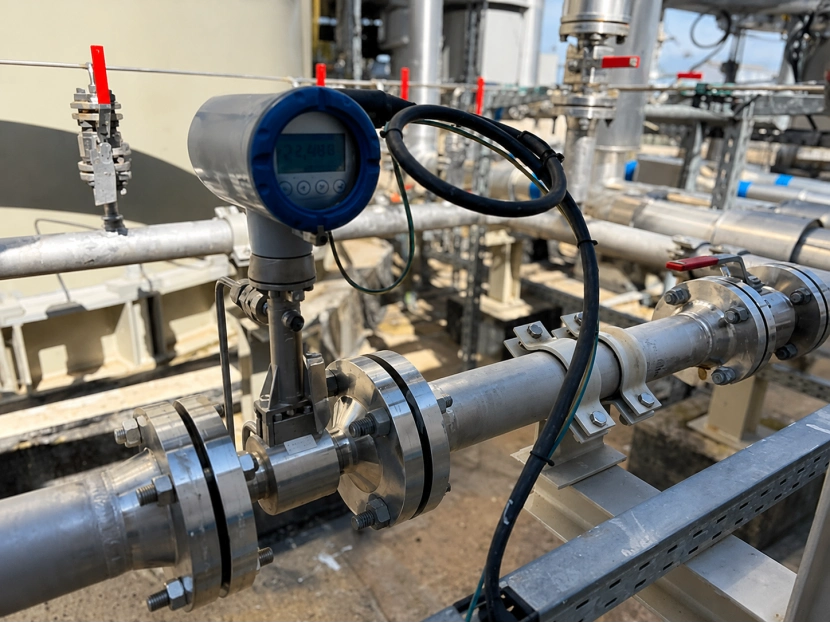
In process industrial automation, vortex and turbine flow meters are frequently used. However, they depend on completely different physical principles. The main difference is how they detect flow. It also involves how they act during actual process conditions.
How Does a Vortex Flow Meter Work?
A vortex flow meter works through vortex shedding. Fluid moves past a bluff body located in the pipe. This action creates alternating vortices downstream. The speed of the flow directly controls the frequency of these vortices. Then, the sensor inside the meter picks up this frequency. It changes the frequency into an electrical signal. This signal matches the volumetric flow rate.
The bluff body has a specific shape. This shape guarantees steady vortex creation across many Reynolds numbers. Sensors can use piezoelectric, capacitive, or ultrasonic techniques. These methods catch the oscillation frequency. This meter lacks moving parts. Therefore, the design is naturally strong for tough settings. Examples include measuring superheated steam in power facilities. Another example is tracking compressed air inside systems run by a manufacturer.
How Does a Turbine Flow Meter Measure Flow?
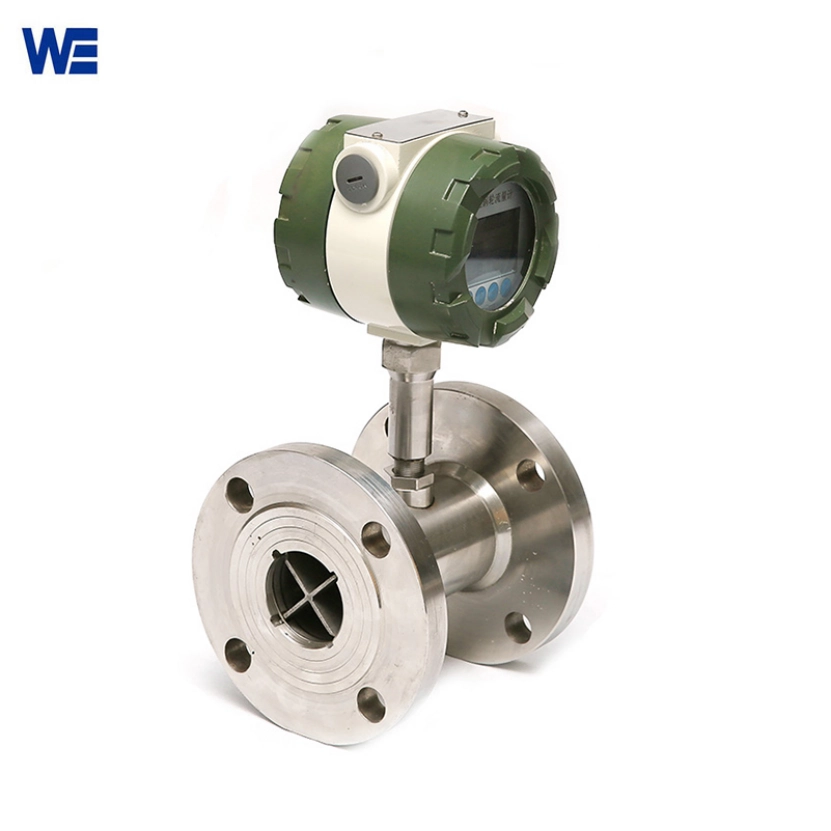
A turbine flow meter relies on a mechanical rotor. This rotor turns when fluid moves through the device. The spinning speed of the turbine blades links directly to the volumetric flow rate. Each blade moves past a magnetic or optical pickup. During this pass, it creates tiny pulses. The device counts these pulses. Finally, it turns them into digital output signals for tracking systems.
Turbine meters have a mechanical nature. Because of this, they provide great accuracy for clean, thin fluids. Good examples are water, fuel oil, and light hydrocarbons.
Key Differences Between Vortex and Turbine Flow Meters
Knowing how these two tools differ is very helpful. It lets you figure out which device suits your specific process setting better.
What Is the Measurement Principle Difference?
Vortex meters track the oscillation frequency. Fluid movement around a bluff body creates this frequency. On the other hand, turbine meters measure physical rotation. Direct fluid hits on the blades cause this spinning. As a result, vortex meters manage gases, liquids, and steam without new calibration. Meanwhile, turbine meters work best with clean liquids that have a steady thickness.
Gas pipes and steam networks often see density shifts. These shifts happen due to temperature and pressure changes. In these places, vortex technology keeps a steady output. It relies on frequency instead of mass inertia. In contrast, turbine meters react physically to force changes. This reaction can ruin the readings during changing conditions.
Accuracy and Stability Comparison
Turbine flow meters usually reach better accuracy. They often hit within ±0.2% under perfect conditions. This requires clean fluids and stable temperatures. Vortex meters normally give an accuracy near ±0.75%. However, they keep this level even when pressure or temperature jumps around.
Maintenance and Durability Factors
Physical wear causes most of the upkeep needs for turbine flow meters. Dirt buildup can create drag. Over time, it might even freeze the rotor. Vortex meters skip this problem completely. They feature no moving parts touching the process fluid. This fact leads to lower repair costs and a longer working life. This benefit is highly valuable in non-stop operations like chemical plants.
Application Scenarios and Selection Guidance
Picking between these two choices mostly depends on process details. It is rarely just about the price tag.
When Should You Choose a Vortex Flow Meter?
Vortex flow meters do a great job with steam, gas, and non-conductive liquids. Other sensors often fail here because of heat or rough flows. Vortex devices handle high heat and heavy pressure well. They do not suffer from drift or sensor damage. Many fields depend heavily on them.
These include chemical making, power creation, and HVAC systems. One power plant replaced its original flow meter with a vortex flow meter, halving maintenance time. The new setup had no impulse lines to block or freeze.
When Is a Turbine Flow Meter More Suitable?
Digital turbine flow meters shine when checking clean liquids. Examples include deionized water and pure fuels. In these cases, high exactness is vital. This is true for custody transfer tasks or batching setups in oil facilities. Their quick reaction time allows exact counting. This happens perfectly during short pouring cycles.
They also work well in food processing and medicine production. These places need clean designs. Polished stainless steel rotors help meet strict health rules. At the same time, they keep the measurement exact and true.
Factors to Consider Before Choosing Between Them
Technical rules matter a lot. However, the setup area often decides success more than the basic specs do.
What Are the Installation Requirements?
Both meter styles need enough straight pipe space. This space must be upstream and downstream. It helps calm the flow before the reading happens. Usually, vortex meters need ten pipe widths upstream. Turbine models need twenty widths. This extra length is due to their weakness against swirling fluids.
Shaking brings up another point to think about. Vortex sensors can read outside shaking as fake frequency signals. This happens if you place them near pumps or valves without good shock mounts. On the other hand, turbine units take more damage from physical shaking. This shaking speeds up the wear on their bearings.
Cost and Lifecycle Considerations
The starting cost might favor turbine flow meters. This is due to their simpler build. However, the lifetime cost tells a different tale. Regular upkeep adds up over the years. This includes changing bearings and cleaning the parts.
Vortex flow meters ask for higher starting prices. Yet, they offer a lower total cost of ownership. This happens because they need very little service. Also, their calibration stays stable for a long time. This stable period often passes five years in industrial automation setups.
Why Partner with Wepower Electronic?
Wepower Electronic offers great vortex and turbine flow meter choices. These products fit your specific process needs. Wepower Electronic provides connections with level, pressure, and temperature sensors. This gives you total system control. Our engineering team adjusts the sensor setups. We look at the fluid type, working range, and signal needs. This careful work ensures a good match with PLCs or DCS platforms used in many fields. This combined method makes starting the system much easier. It also boosts the overall system trust because all tools share the same calibration logic. Every manufacturer can benefit from this seamless integration.
FAQ
Q: Can a vortex flow meter measure very low flow rates accurately?
It does not do this well. At very low speeds, the vortices turn unstable. They might also space out poorly. This issue lowers the signal clearness.
Q: What kind of maintenance does a turbine meter need most often?
Checking and cleaning the bearings stays very important. Gathered dirt increases the friction. This extra rubbing hurts the reading accuracy.
Q: Which type better resists corrosion from aggressive chemicals?
Vortex designs with stainless steel bodies normally beat turbine models. This happens because vortex meters lack fragile moving parts. Those moving pieces easily suffer from harsh chemical attacks.
Q: How does temperature affect calibration stability?
Turbine numbers drift more often. This drift comes from heat swelling the bearings. Vortex sensors keep a steady reading. Their tracking relies only on frequency spotting. It does not depend on physical spinning gaps.