- Have any questions?
- +86 15953537010
- admin@wepower-electronic.com

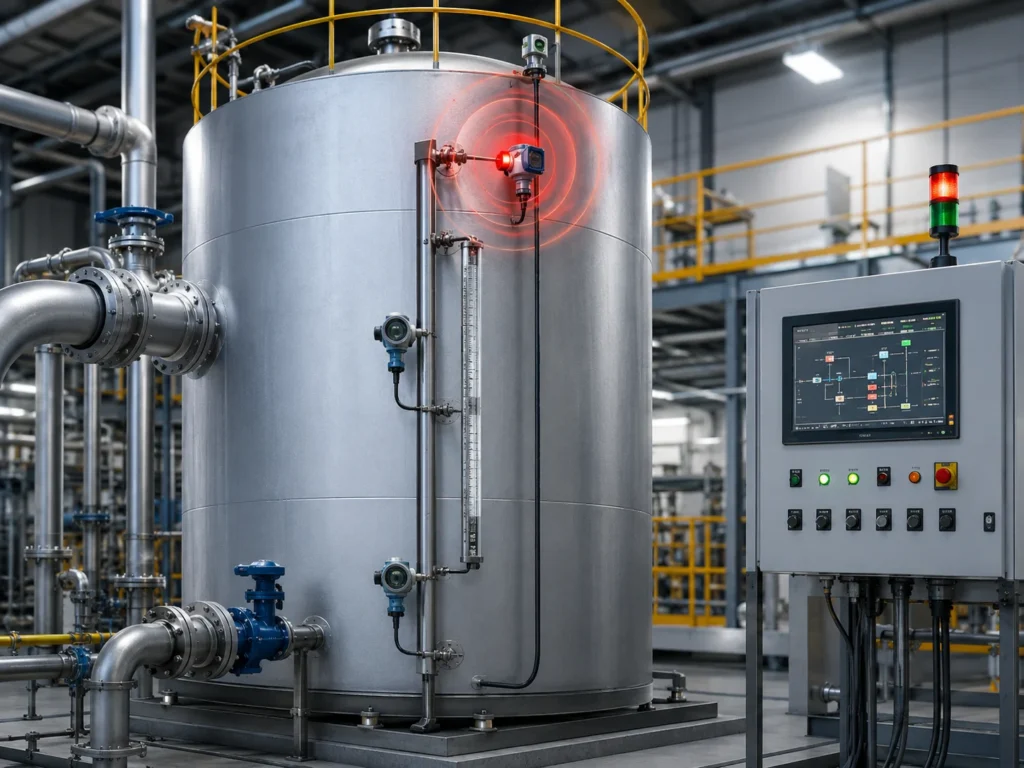
In 2005, a tank at the Hemel Hempstead Bensfield oil depot in the UK overflowed during a gasoline filling operation. Overflows can occur if a tank system fails to respond promptly after the tank is full. In real production, however, the cause is rarely just “too much liquid.” It may involve a fast filling rate, a stuck valve, a failed pump signal, an incorrect alarm point, or a level instrument that was not selected for the actual working conditions.
Why Tank Overflow Happens in Process Plants
In many process units, tanks are used for storage, mixing, buffering, chemical dosing, or temporary collection. Each application is different, but overflows typically stem from the same fundamental problem: a continuous rise in liquid level, and the system’s inadequate response.
A common solution is to use continuous level measurement for daily monitoring and to use separate level switches for high-level alarms or high-to-high-level interlocks.
How a Level Switch Helps Stop Overflow
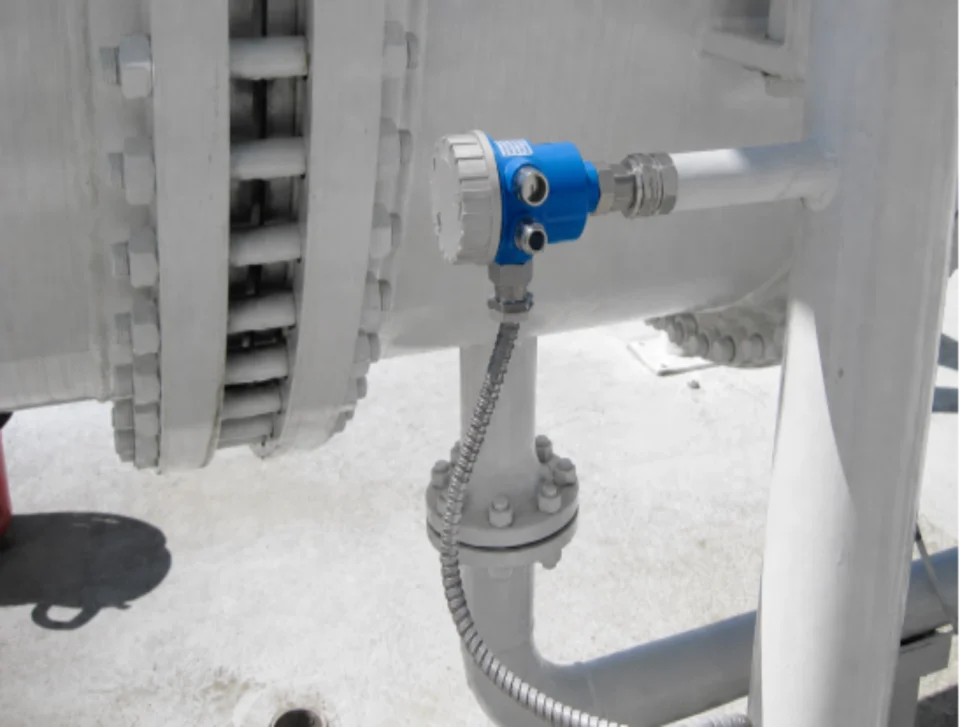
A level switch is usually installed at a specific height on the tank. When the liquid reaches that point, the switch changes state and sends a signal to an alarm system, PLC, pump control panel, or valve control system.
High-High-Level Interlock
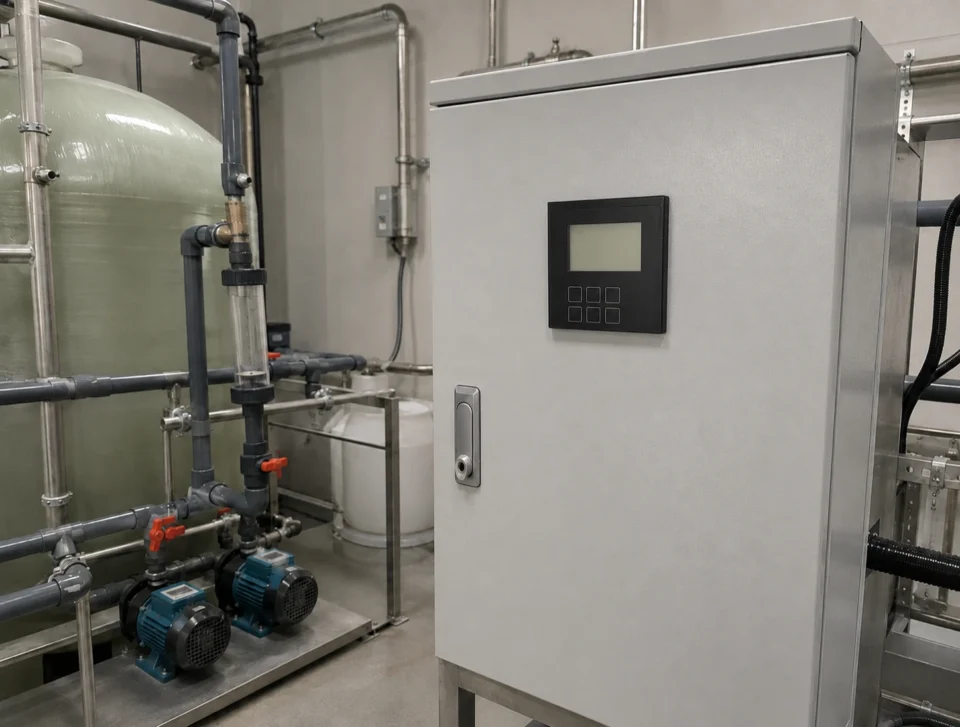
It can be used for high-high-level protection. In this arrangement, the switch signal is connected to a control system that can automatically stop the feed pump, close an inlet valve, or trigger other protective measures such as leakage, etc.
Pump Control and Dry Run Protection
A level switch can also be used for pump control. In some systems, a high-level switch starts a discharge pump, while a low-level switch stops the pump to prevent dry running. This arrangement is common in collection tanks, wastewater pits, chemical dosing tanks, and process buffer tanks.
Common Level Switch Types Used for Overflow Protection
Different level switches are used in different process conditions. There is no single type that fits every tank.
Float Level Switch
A float level switch is simple and widely used. It is suitable for many clean liquid applications and offers a practical switching signal. However, it may not be the best choice for sticky liquids, crystallizing media, or tanks with heavy contamination.
Vibrating Fork Level Switch
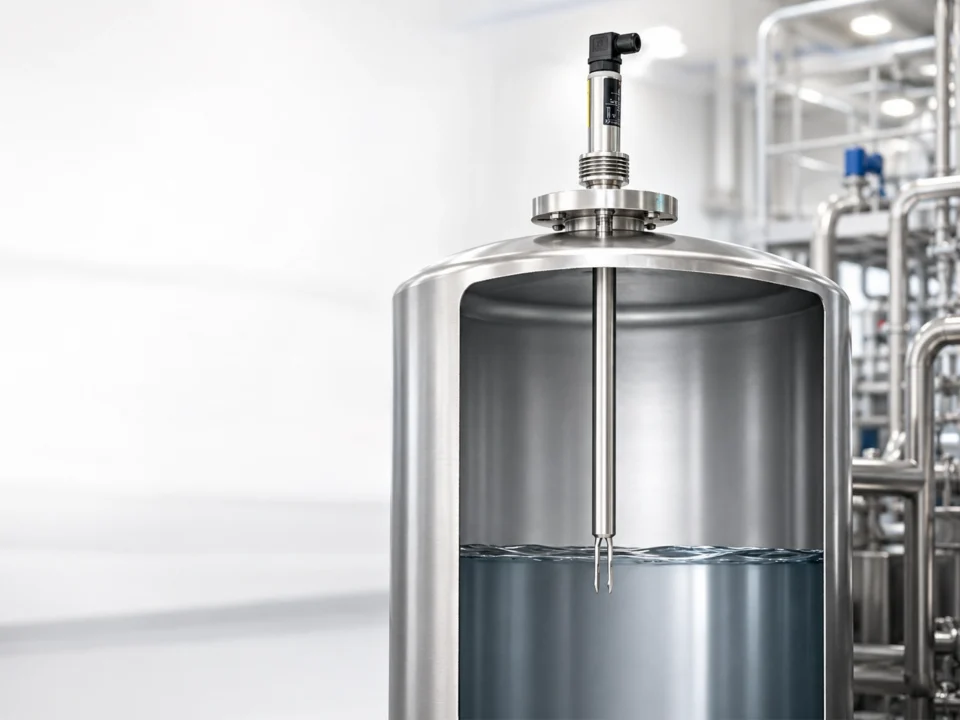
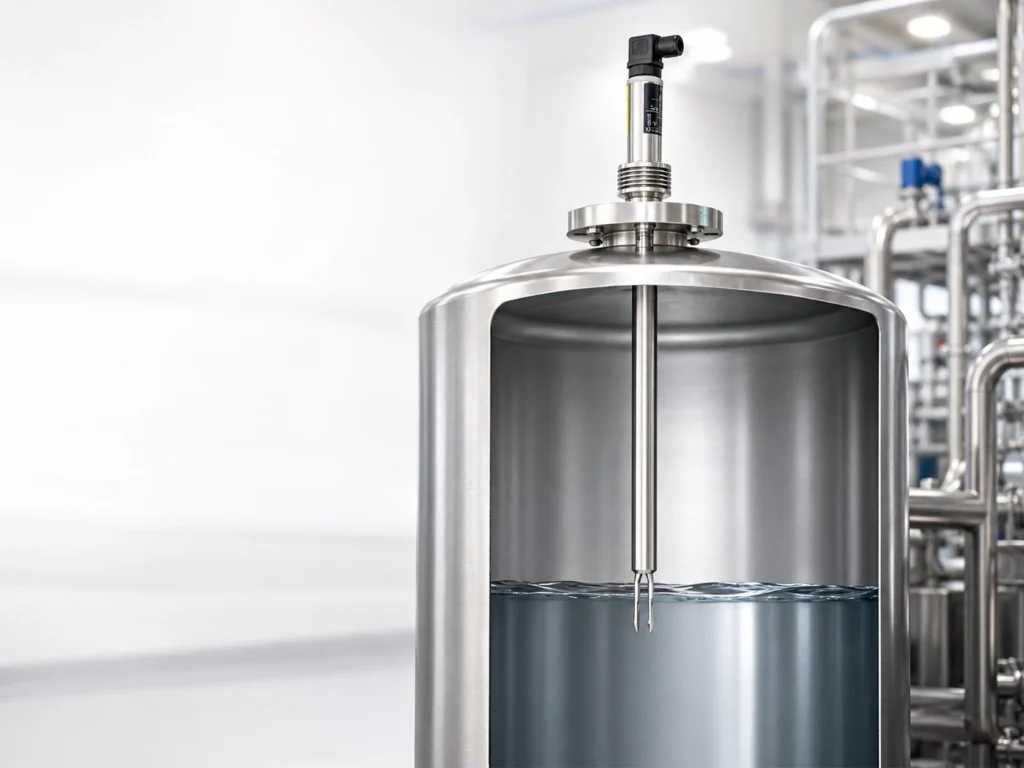
A vibrating fork level switch is a typical level alarm for storage tanks containing liquids or solids. Although suitable for many types of storage tanks, a number of factors should be taken into account with regard to application.
High-Temperature Liquid Level Switch
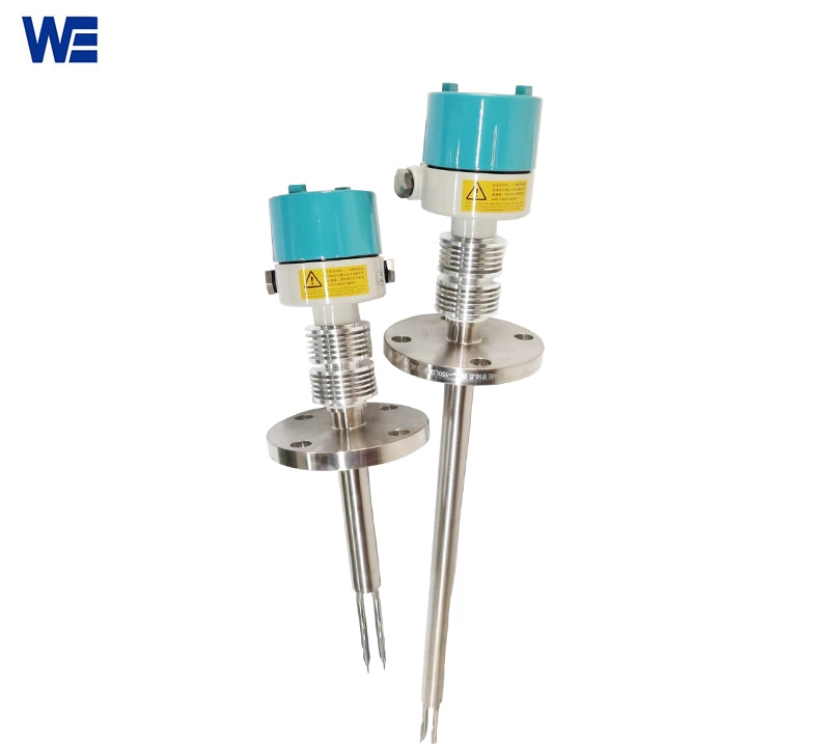
Dedicated high-temperature liquid level switches may be required for use in storage tanks holding high-temperature liquids. Such as for example hot water tanks, heat transfer oil tanks and other similar heating process applications holding high-temperature chemical liquids.
Key Factors When Selecting a Level Switch
The right selection depends on the working conditions.
Medium Type
The first question is always: what liquid is inside the tank?
Clean water, wastewater, acid, alkali, oil, food liquid, slurry, and viscous liquid all behave differently. Some liquids are clean and easy to detect. Other media maybe caustic, sticky, frothy, crystalline, or filled with suspended particles. Level switch types, wetted materials, sealing design, and maintenance time are all impacted by these situations. None of the aforementioned circumstances are cause for concern. Send it to Wepower, and we’ll give you the best answer.
Temperature and Pressure
Process plants often deal with more than room-temperature water. Some tanks hold hot liquid, steam-influenced media, pressurized liquid, or chemical solutions at elevated temperature. In these cases, a standard level switch may not last long.
Tank Structure and Installation Position
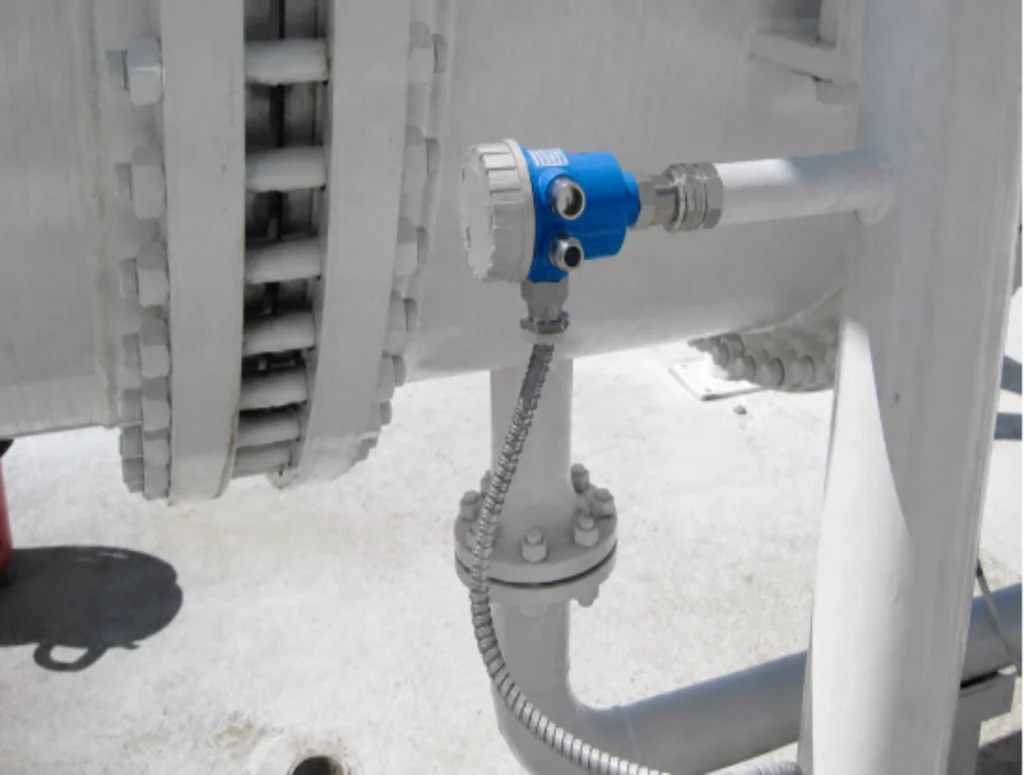
Installation position is another detail that affects performance. You may need a side mounte level switch, a top-mounted level switch, or a level switch installed via a specific process connection. The best position depends on tank shape, available nozzles, liquid movement, and the required switching point.
Output Signal and Control Logic
The users should confirm whether the levvel switch is normally open or normally closed, whether require a relay output, and whether the signal will be sent to the PLC, alarm panel, pump starter, or valve actuator.
A Practical Protection Design: One Tank, Two Safety Points
In real projects, one instrument is often not enough for full confidence. Consider a chemical storage tank with an automatic filling pump. A continuous level transmitter can show the tank level during normal operation. That is useful for monitoring and process control.
A practical design may include one high-level switch for alarm and one high-high-level switch for shutdown. The first switch tells operators that the tank is approaching the upper limit. The second switch sends a stronger signal to stop the pump stop pump operation, close valves, or release liquids inside the tank. If needed, a low-level switch can also be added to protect the pump from dry running.
Mistakes That Can Reduce Protection
Even a good level switch can fail to protect the tank if it is used incorrectly. One common mistake is setting the alarm point too high. If the switch is too close to the top of the tank, the plant has almost no time to respond.
Another mistake is installing the switch near the inlet. Direct impact from incoming liquid can cause false signals or mechanical stress. Ignoring foam, buildup, sediment, or crystallization can also lead to unstable switching.
What You Should Provide Before Ordering
To recommend the right level switch, we need more than the tank volume. You should provide the medium name, operating temperature, operating pressure, tank or pipe size, installation technique, necessary switch point, process connection, output signal, material need, and whether explosion-proof design is required should all be included. Of course, you don’t need to memorize these information; Wepower’s professional sales teamwill ask you for and discuss the necessary information.
It is also useful to know how the switch will be used. Will it only trigger an alarm? Will it stop a pump? Will it close a valve? Will it connect to a PLC?
If you need a reliable level switch, please contact us to choose a level switch solution suitable for your process equipment.
FAQs
Q1: Is one level switch enough to prevent tank overflow?
A: For low-risk tanks, one high-level switch may be enough. For higher-risk tanks, using both high-level alarm and high-high-level shutdown/release is safer.
Q2: Is it appropriate to utilize a level transmitter with a level switch?
A: It depends on the on-site conditions, it may be necessary in some situations. A level switch provides an individual alarm or control signal at a fixed location, whereas a level transmitter displays continuous level changes.
Q3: Can a level switch stop a pump automatically?
A: Yes. When connected to a PLC, relay, or pump control system, a level switch can stop the pump or close the inlet valve.
Q4: What information is needed to choose the right level switch?
A: Buyers should provide the medium, temperature, pressure, tank size, installation method, switch point, output signal, and connection type.