- Have any questions?
- +86 15953537010
- admin@wepower-electronic.com

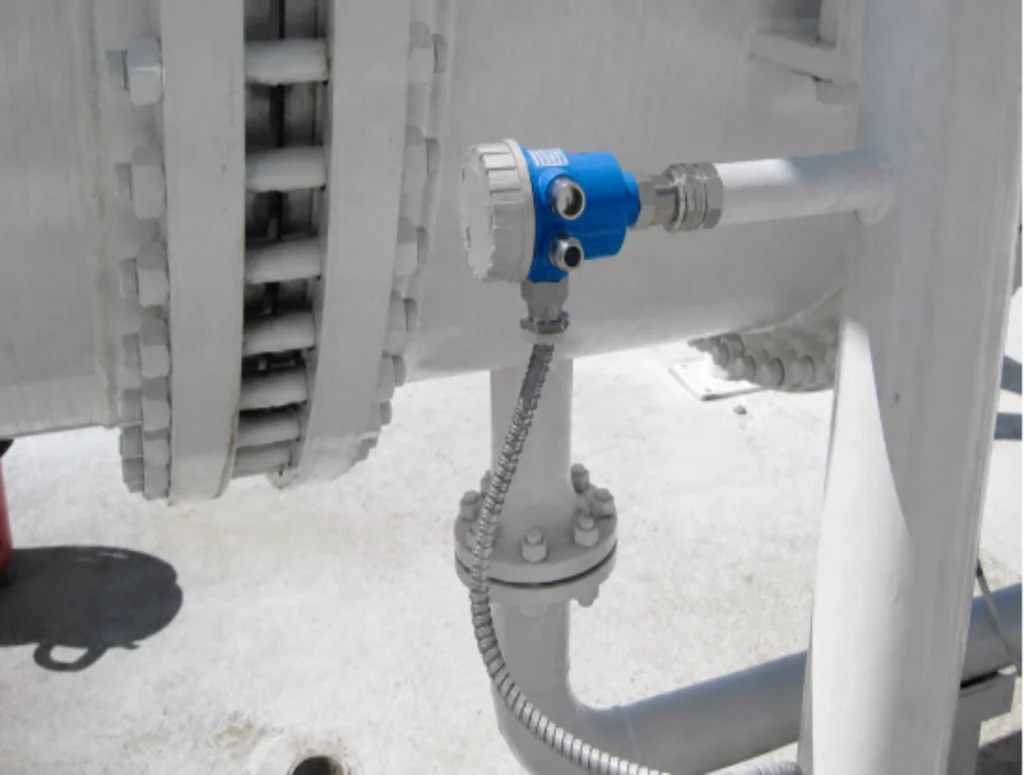
A cement silo may look simple from the outside. But inside, the conditions may less forgiving. Fine powder creates dust. Material can bridge near the outlet. A filling cycle can change the load on a sensor within seconds.
A dependable level switch prevents overflow incidents, safeguards downstream equipment, and provides operators with clear alerts when silo intervention is required. Proper selection hinges on process media, set point level, mounting orientation, and the existing control system.
Why Cement Silos Are Difficult to Monitor
A level switch in a cement silo must deal with more than material presence. It must continue working when dust, vibration, and changing material conditions affect the sensing point.
Dust and Fine Powder
Cement powder travels easily through small gaps. If the sensor design is poorly matched to the application, powder may enter the housing of level switch or build up around the sensing element.
The result can be a false high-level signal. In other cases, the switch may fail to detect material when the silo is already close to full.
Material Bridging and Build-Up
Cement rarely forms a smooth, even surface inside silos. Moisture, material compaction, or inconsistent discharge patterns may cause bridging above the silo outlet. In addition, powder can adhere to silo walls or build up around measuring probes.
Filling and Discharge Disturbances
The material behaves differently during filling and discharge. Falling cement can produce impact and vibration. During discharge, the level may drop unevenly or form a temporary cavity. A point level switch should be positioned away from direct filling impact and unstable flow zones.
Key Factors When Choosing a Cement Silo Level Switch
A practical selection starts with the operating problem. The sensor should solve a defined control need instead of being chosen only by price or housing size.
1. Understand the Required Detection Point
Decide what the switch must do.
A high-level switch can trigger an alarm before cement reaches the roof or damages a filter. A low-level switch can warn the operator before a screw conveyor runs empty. An intermediate switch may support batching or transfer control.
Point level switches provide an on-or-off signal. They do not replace a continuous level transmitter. If the control room needs a live level trend, radar or another continuous measurement technology may be more suitable.
2. Match the Sensor to Cement Powder Characteristics
Review the material before reviewing the catalogue. Consider the powder density, particle size, flow behavior, and tendency to coat surfaces.
A dry cement powder may behave differently from a blended material with additives. A product that works well with free-flowing granules may perform poorly when the material compacts around the probe.
3. Evaluate the Sensing Principle
Different technologies solve different problems.
Capacitance switches are compact and widely used. Their performance can be affected by coating or changes in material characteristics.
Rotary paddle switches are familiar in powder handling. They use moving parts, so wear and periodic inspection should be expected.
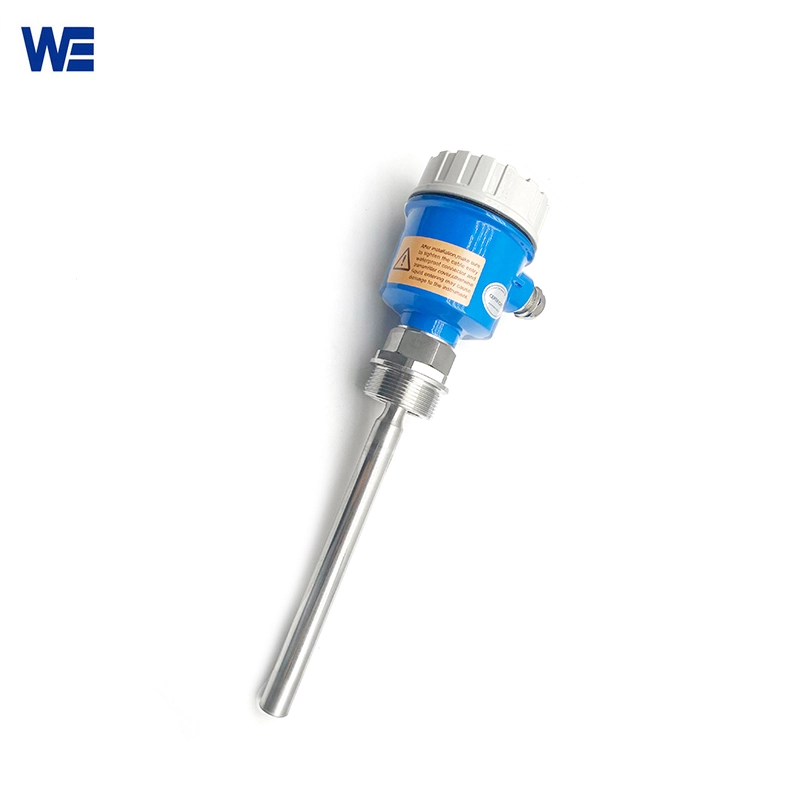
Vibrating rod level switches detect a change in probe vibration when material covers the rod. They have no rotating mechanism and are often considered for point detection in powders and other bulk solids.
4. Check Installation Conditions
Confirm whether the switch will be mounted through the silo roof or the side wall. The probe length must suit the vessel geometry and the required switching point.
Avoid placing the sensor directly under the filling stream. The probe should also remain accessible for inspection. Check the available threaded or flanged connection before ordering.
5. Verify Environmental and Electrical Requirements
The final selection should be checked against the manufacturer’s datasheet. Confirm the process temperature, pressure, enclosure rating, power supply, electrical output, and connection method.
Where the silo sits within a classified dust hazard area, confirm compliance with the required hazardous area certifications. Probe material selection and corrosion resistance also become critical when cement contains additives or cleaning agents are applied.
Comparing Level Switch Technologies for Cement Silos
The following comparison gives a starting point for discussion:
| Technology | Main strength | Main limitation | Typical use |
| Capacitance | Compact design | Can be affected by coating | Basic point detection |
| Rotary paddle | Familiar and economical | Contains moving parts | Powder and granular solids |
| Radar or Ultrasonic | Non-contact measurement | More setup complexity | Continuous level monitoring |
| Vibrating rod | No rotating parts | Requires correct placement | High or low level alarms |
For a simple overflow alarm or low-level interlock, a vibrating rod design may offer a practical balance between reliability and maintenance.
Is the Wepower WPX508 Vibrating Rod Level Switch Suitable?
The Wepower WPX508 vibrating rod level switch is positioned for point-level detection in bulk solid applications.
Its operating principle is straightforward. The rod vibrates while it is uncovered. When cement reaches the probe, the material dampens the vibration. The electronics then change the output state to indicate material presence.
That signal can be used for a high-level alarm, a low-level warning, or an interlock in a material handling sequence. A plant may use one switch near the upper limit and another near the discharge zone. The exact arrangement depends on silo design and process risk.
The WPX508 should be evaluated against the actual application rather than selected by model name alone. Confirm the required insertion length, process limits, mounting connection, output type, and approvals with the official datasheet before publication or purchase.
Installation and Maintenance Best Practices
Good installation protects the sensor from avoidable stress. Good maintenance keeps the switching point dependable.
Installation
Mount the high-level switch where it can detect the intended maximum level without sitting directly in the incoming material stream. Check the seal around the process connection. Route the cable away from heavy vibration and provide enough access for testing.
Maintenance
Inspect the probe for excessive cement build-up. Check the cable gland and terminal connections during routine shutdowns. Test the alarm signal through the PLC or control cabinet. The inspection interval depends on dust, vibration, and filling frequency.
Quick Selection Checklist
- What is the material and its flow behavior?
- Is the switch for high level or low level?
- Is point detection enough?
- Where will the switch be mounted?
- What are the process temperature and pressure?
- Which output does the PLC require?
- Are dust-area approvals needed?
- Is the probe protected from filling impact?
Frequently Asked Questions
Q: What is the best level switch for cement silos?
The answer depends on the silo and the control objective. A vibrating rod switch is a strong candidate for many high-level and low-level point detection tasks.
Q: Can a vibrating rod switch detect cement powder?
It can detect cement powder when the probe, mounting position, and switching configuration match the material and process conditions.
Q: Should a silo use a level switch or a continuous level sensor?
Use a level switch for alarms and interlocks. Choose continuous measurement when operators need an ongoing level value.
Q: How can WPX508 compatibility be confirmed?
Send the silo dimensions, material information, process conditions, mounting details, and control requirements to Wepower Electronic for technical review.
Conclusion
Choosing a cement silo level switch is a process decision. Material behavior and installation conditions matter as much as the sensor technology.
If you are evaluating a vibrating rod level switch for a cement silo, contact Wepower Electronic with the relevant silo and process details. The technical team can help confirm WPX508 compatibility and provide a quotation for the application.