- Have any questions?
- +86 15953537010
- admin@wepower-electronic.com


1)Comparing Digital and Traditional Density Measurement Technologies
Key Differences Between Digital and Mechanical Density Meters
Traditional density meters for liquids, like hydrometers or pycnometers, depend on manual steps. Workers must take samples and look at results with their eyes. This takes a long time and can lead to mistakes. It’s also not great for checking liquids as they flow.
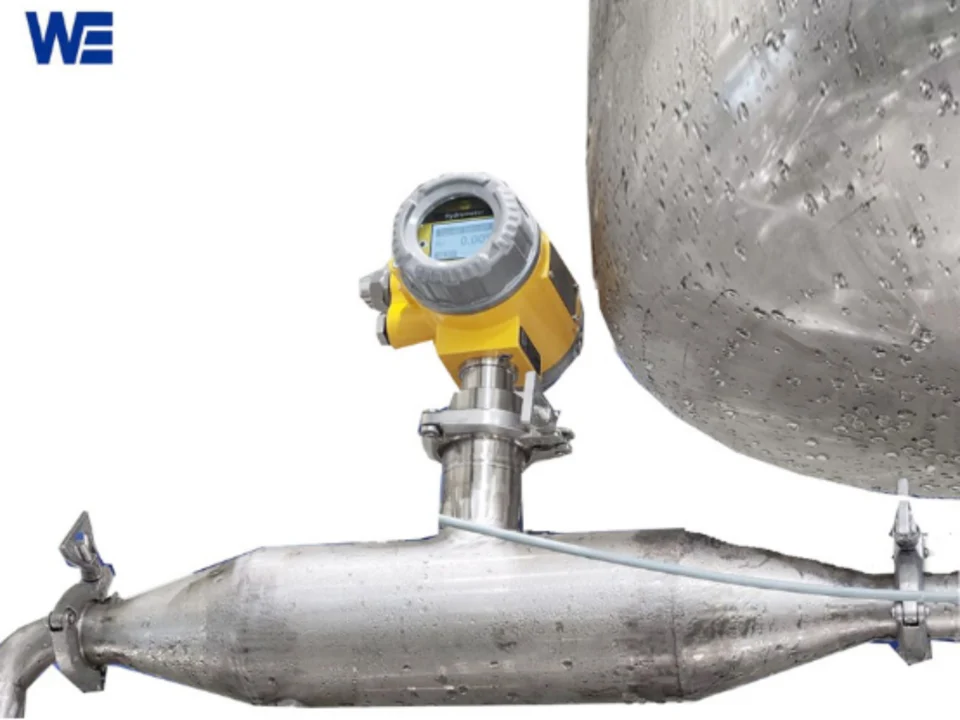
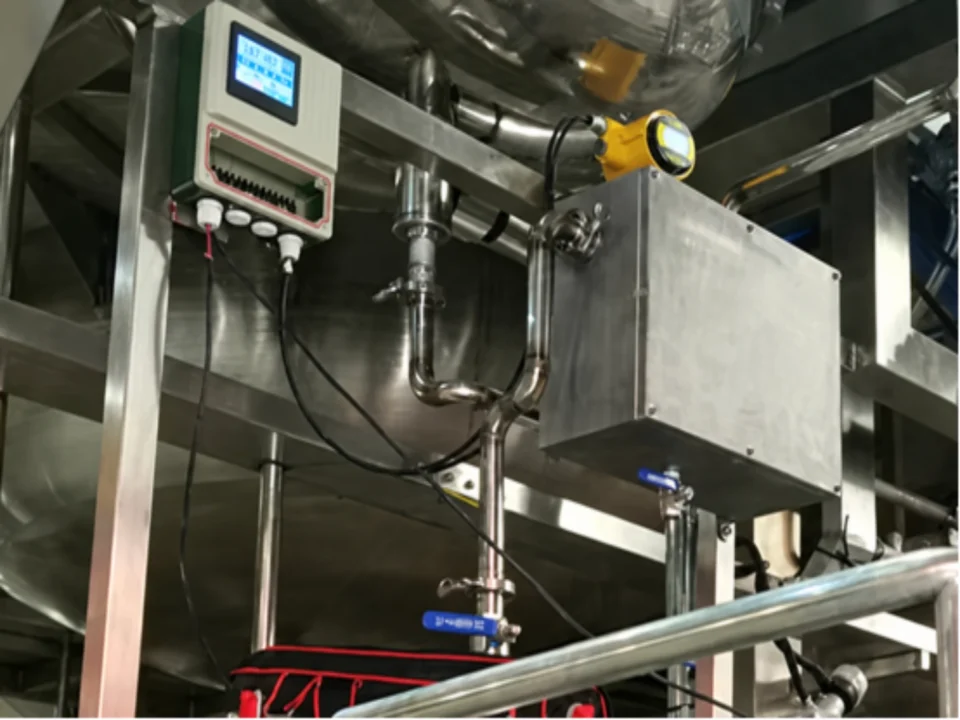
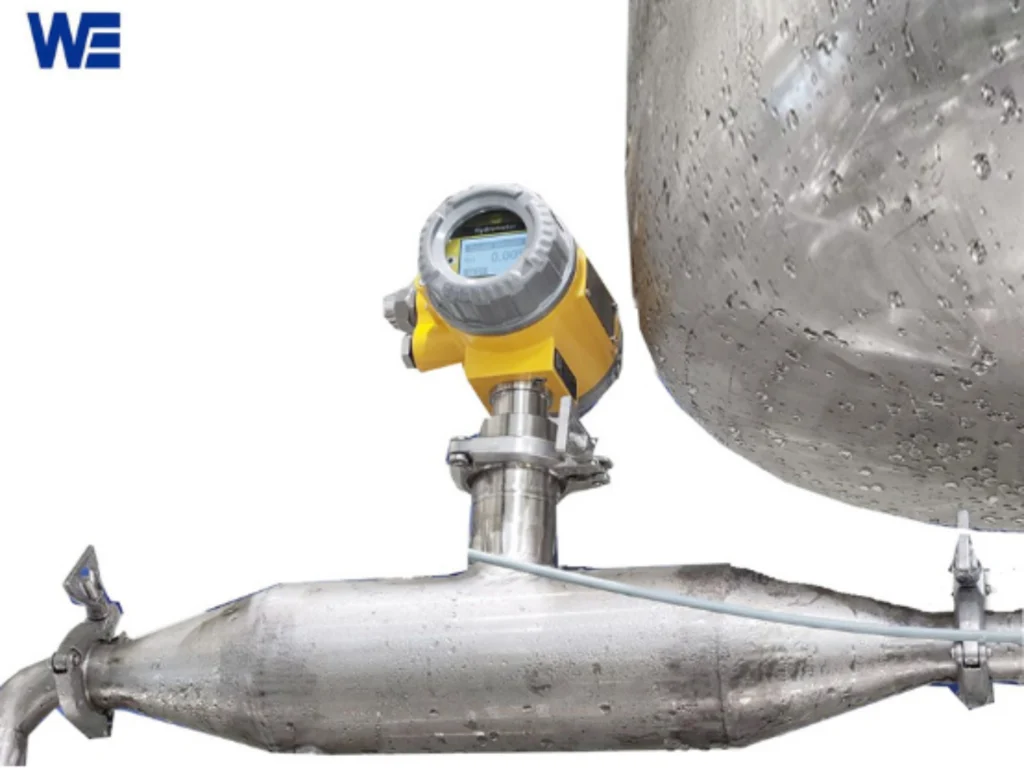
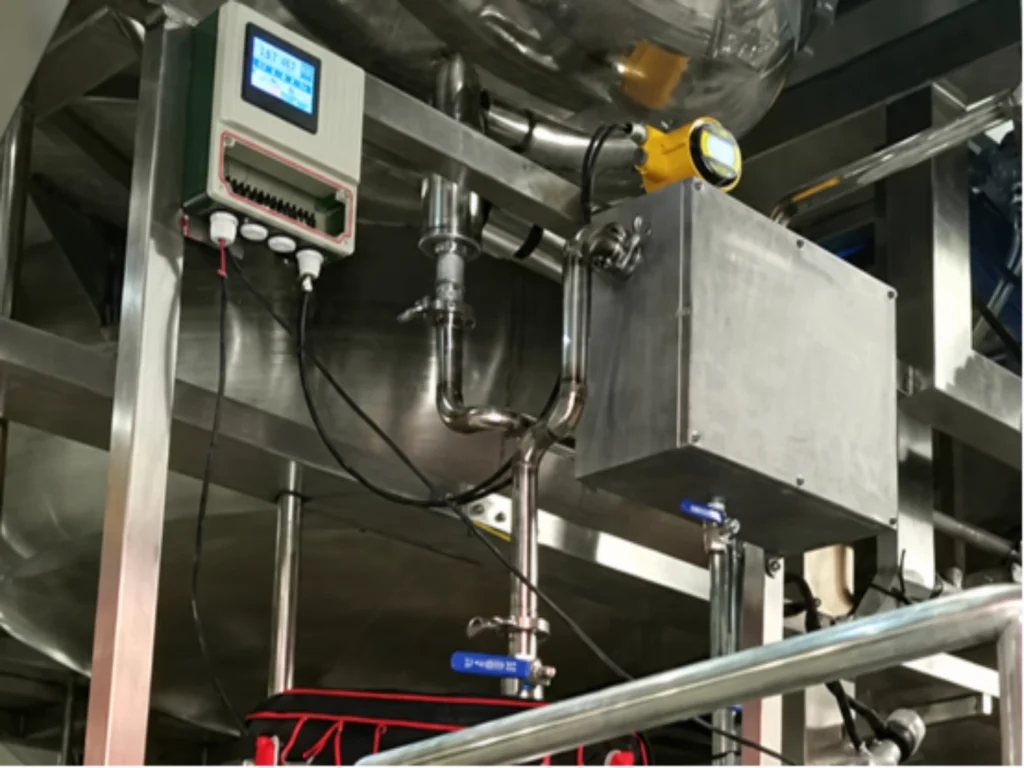
Digital Density Meters for liquids, on the other hand, use smart sensors and tiny computers. They measure density automatically. These tools give steady, exact results and don’t need people to do math. For example, the WPX301 Fork Density Meter checks density right away while liquids move through pipes, perfect for today’s factories.
How Digital Innovations Have Transformed Liquid Density Measurement
Digital tools have changed how we study liquids. They use fast chips, quick data-sharing systems like RS-485 Modbus, and clever self-checks. This lets factories not only measure but also watch and manage liquid traits instantly. Tools like the density meters produced by Wepower Electronic embody this change, displaying density, concentration and temperature on the same device.
2)Precision and Accuracy in Digital Density Meters
Enhanced Measurement Accuracy with Digital Sensors
Digital density meters give super precise results thanks to their careful setup. For instance, the WPX301 Tuning Fork Density Meter has an accuracy of ± 0.002 g/cc (± 2 kg/m³). These devices use special parts inside that feel tiny shakes. The shakes change with the liquid’s density, giving very accurate numbers with little chance of error.
Real-Time Data Processing for Improved Consistency
Digital density meters process information right away using small computers. This keeps results steady, even if the liquid’s temperature or speed changes. A built-in temperature sensor in the density sensor adjusts for heat changes.
Reducing Human Error Through Automation
Manual methods can lead to errors because people might misread or follow steps differently. Tuning fork densitometers for liquids handle everything automatically. They show results on screens or send them to control systems. This cuts out human mistakes completely.
3)The Role of the Density Sensor in Modern Liquid Analysis
Integration of High-Sensitivity Density Sensors in Digital Systems
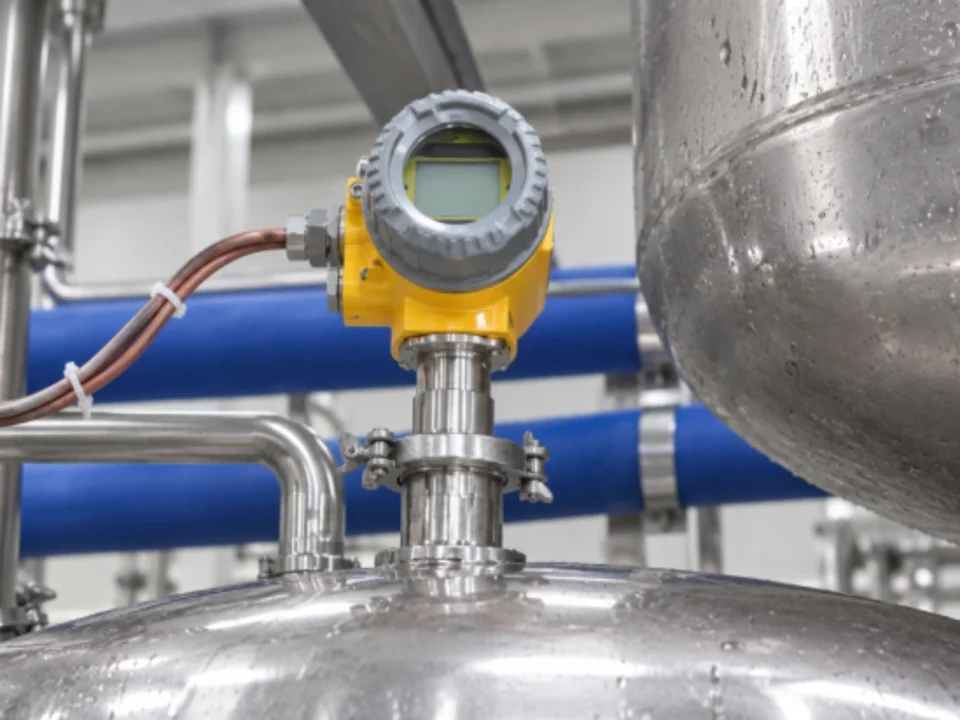
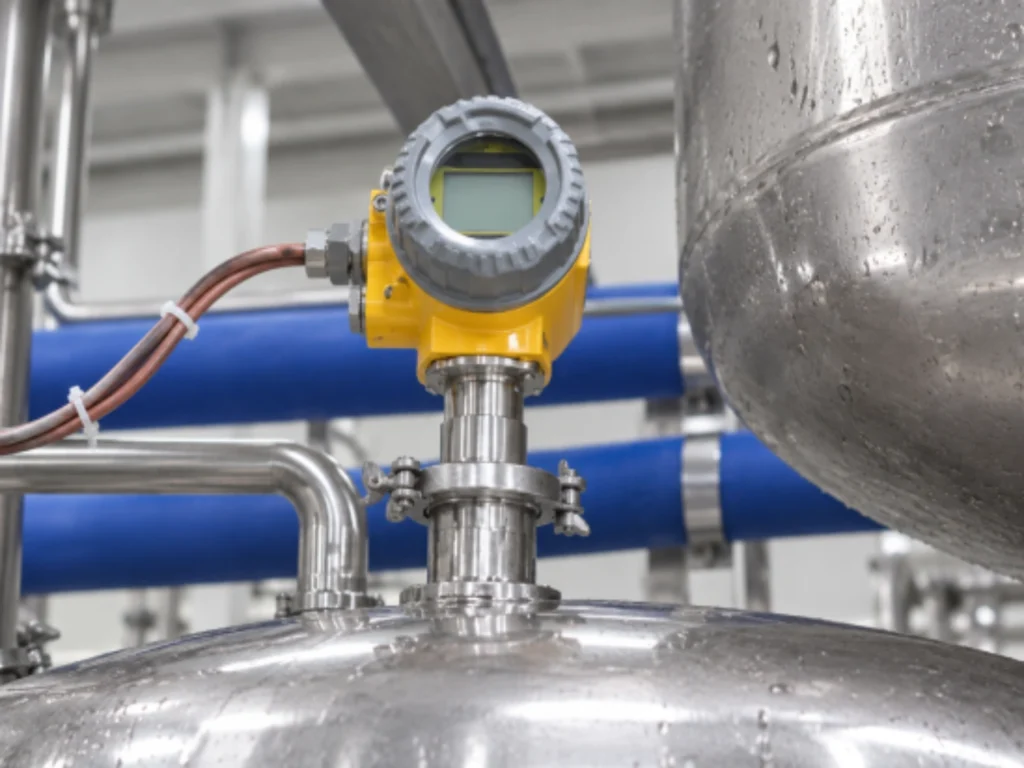
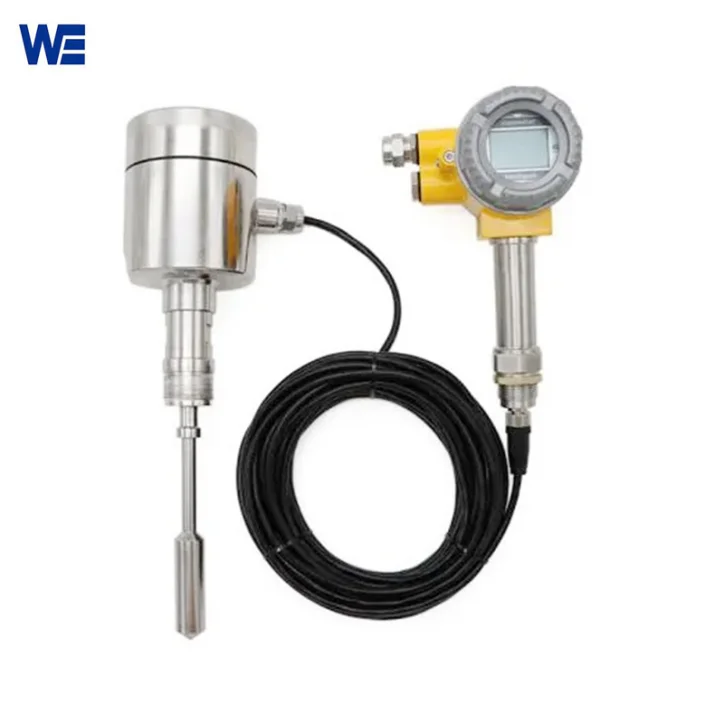
Today’s digital density meters use very sensitive density sensors. These can spot tiny changes in liquids. For example, the Vibration Fork Density Meter uses a fork that shakes. The speed of the shakes matches the liquid’s density, giving clear and exact results.
Benefits of Using Advanced Sensor Technology in Harsh Environments
These density sensors are made from tough materials like 316L stainless steel or Hastelloy alloy. They can handle rough or harsh liquids. For very corrosive liquids, we suggest the WPX301 Tuning Fork Density meter with PTFE or PFA coating. This makes them trustworthy for industries like oil or medicine.
4)Maintenance, Durability, and Lifecycle Costs
Lower Maintenance Requirements Compared to Traditional Meters
Digital density meters need less care. They have fewer moving parts and sealed cases that keep out dirt. Features like Known Density Verification (KDV) let you check the device’s health without taking it apart.
Durability of Electronic Components in Industrial Applications
These meters are built tough to meet industry rules. They work in extreme heat or cold, from -50°C to +150°C, and handle high pressure up to 4 MPa. The Density Meter Online is a good example of this strength.
Cost-Effectiveness Over the Product Lifecycle
Digital density meters might cost more at first than old-style ones. But they save money over time. They need less fixing, last longer, and help workers do more. This makes them a smart choice in the long run.
5)Application Flexibility of Digital Density Meters for Liquids
Adaptability Across Various Liquid Types and Viscosity Ranges
Digital density meters work with many kinds of liquids, from thin ones like solvents to thick ones like oils.
Use Cases in Food, Chemical, Petroleum, and Pharmaceutical Industries
These meters help in many fields. For example, the Brewery Concentration Meter checks alcohol concentration in drinks. They also manage fuel mixing in oil industries. This makes them useful in food, chemical, oil, and medicine businesses.
Customization Options for Specific Process Needs
Wepower Electronic Co., Ltd. offers custom options. You can add extension tubes or choose coatings that resist corrosion. This makes the density meter fit special needs without losing quality.
Frequently Asked Questions
What makes a digital density meter more accurate than traditional methods?
Digital density meters use vibrating sensors and automatic heat adjustments. These give very exact readings. Old methods depend on people’s skills, which can lead to errors.
Can I use one digital meter across different types of liquids?
Yes! Tools like the WPX301 Handle Densities up to 2500 kg/m³ and viscosities up to 600 cP. They work well in industries like food and oil.
How does temperature affect liquid density readings?
Heat can change how liquids behave. But the built-in temperature sensor in Digital density meters adjusts for this. It keeps readings correct even when temperatures shift a lot.
Are these devices suitable for corrosive environments?
Yes! Models like the WPX301 with PTFE coating are great for harsh liquids that can damage other tools.
To learn more about how our advanced tools can help your work—or if you’re unsure which model fits your needs—contact us today! Wepower Electronic Co., Ltd., located in the coastal city of Yantai, has been making, selling, and supporting automated tools since 2003. Our skilled team offers 24-hour technical help and after-sale support.