- Have any questions?
- +86 15953537010
- admin@wepower-electronic.com


1)Fundamentals of Diaphragm-Based Pressure Measurement
What Is a Diaphragm in Pressure Sensors?
A diaphragm in a diaphragm pressure sensor is a thin, flexible piece that moves when something pushes on it, like air or water. It’s the key part in many tools used in factories to measure pressure. When liquid or gas presses against it, the diaphragm bends a bit, depending on how hard the push is. This small movement is what starts turning the pressure into a signal.
The diaphragm also keeps sensitive parts of the sensor safe from harmful stuff, like sticky or harsh liquids. In a diaphragm seal pressure transmitter, it stops clogs or damage, especially when dealing with thick or rough materials.
The Role of Elastic Deformation in Sensing Pressure
A Diaphragm Pressure Sensor works because the diaphragm can bend a little without breaking. When pressure from liquid or gas hits it, the diaphragm curves slightly. This bending is turned into an electric signal in different ways, like using piezoresistive effects or changes in capacitance.
The liquid or gas pushes the diaphragm, which shifts the resistance in a special circuit called a Wheatstone bridge. This makes a tiny voltage change.
2)Key Components and Structure of a Diaphragm Pressure Sensor
Materials Commonly Used for Diaphragms
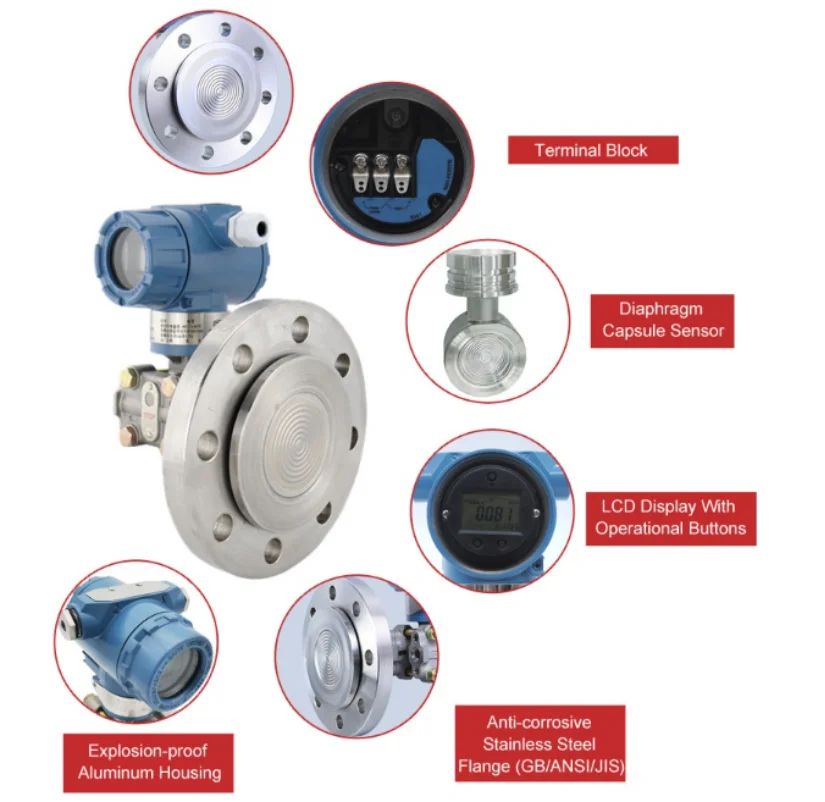
Picking the right material for a diaphragm matters a lot to make sure it works well in different situations. Common ones are Stainless Steel 316L, Hastelloy C, Tantalum, Titanium, and PTFE-coated metals.
Stainless Steel 316L and Hastelloy C are used a lot because they don’t rust and are tough. For really harsh places or food-safe jobs, PTFE-coated diaphragms or oil-free surfaces are better. These keep the sensor safe and working properly.
Internal Architecture of the Sensor Unit
Inside a diaphragm pressure sensor, there’s a sensing part, like a diffused silicon wafer, plus some electronics to handle signals and a strong case to protect it all.
The amplifier circuit sits in a stainless steel case. It takes the tiny signals from the sensor and turns them into standard ones that machines can understand. This setup makes sure even small bends in the diaphragm give clear, correct readings, no matter if it’s hot or cold.
For example, the Submersible Level Transmitter-2088T uses laser technology to adjust for temperature changes. This makes it awesome for tough factory jobs where conditions shift a lot.
3)Working Principle of a Diaphragm Pressure Sensor
How Mechanical Force Is Converted into Electrical Signals
When liquid or gas pushes on the diaphragm in a diaphragm pressure sensor, it bends a little. This bending changes a sensing part inside, usually part of a Wheatstone bridge circuit. The circuit’s resistance or capacitance moves based on how much the diaphragm bends.
The diaphragm pressure transducer has a diffused silicon wafer linked to the Wheatstone bridge. The bridge creates a small voltage that matches the pressure.
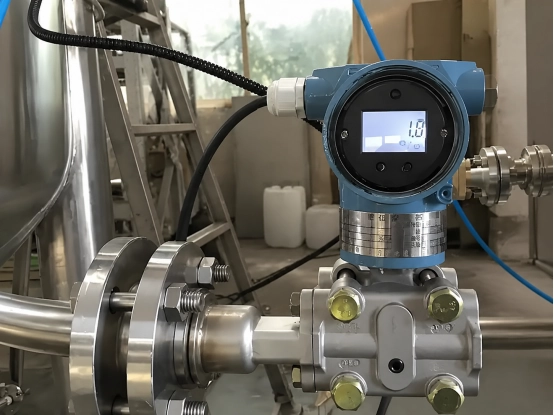
This voltage gets boosted and cleaned up by electronics in the sensor. For instance, Wepower’s Diaphragm Seal Level Transmitter gives a 4-20 mA output and works with digital HART communication. This makes it simple to hook up with modern factory systems.
Some sensors, like Wepower’s, have handy features. You can push a button to set the zero point or use a keypad to change settings. This makes setting up and keeping the sensor working easy for lots of industries.
4)Advantages and Limitations of Using a Diaphragm Seal Pressure Transmitter
Benefits in Harsh or Corrosive Environments
Diaphragm Seal Pressure Transmitters are perfect for rough conditions, like super-hot places, harsh chemicals, or sticky liquids. They keep the sensor safe and working right.
The 3051RD series is made for thick, grainy, hot, or corrosive situations. It can handle temperatures up to 280°C and comes with different connection types, like flanges or tri-clamps, which are great for chemical plants or food processing.
Another perk is clean measuring. Tri-Clamp or union screw connections meet food industry rules while still being accurate.
Potential Challenges and Maintenance Considerations
Even though diaphragm seal pressure transmitters are strong, you have to be careful with them. The thin diaphragm can break if you’re not gentle during setup. Over time, rough bits in the liquid or gas might wear it out, so you need to pick the right material.
5)Industrial Applications and Integration Considerations
Use Cases Across Various Industries
Diaphragm seal pressure transmitters are super useful in places like oil and gas, medicine making, wastewater cleanup, metalwork, food factories, and chemical plants.
Here are some examples:
- The Diaphragm Seal Level Transmitteris great for tanks with thick, sludgy liquids to stop clogs.
- The Extension Diaphragm Pressure Transmitter works for far-off spots, using tubes to connect back to the sensor.
- The Diaphragm Remote Seal DP Level Transmitteris widely used to measure the level, flow and pressure of liquid, gas or steam.
These tools keep going strong, even with rough liquids or high pressures up to 100 MPa.
Factors to Consider When Selecting the Right Diaphragm-Based Device
When choosing a diaphragm pressure sensor or diaphragm seal pressure transmitter, think about these:
- What’s the liquid or gas like? Is it harsh or thick?
- How hot or cold will it get?
- How exact do you need the measurements?
- What kind of signal do you need, like analog or digital?
- How will you attach it—flange, threaded, or far away?
Also, check if the area is risky. Diaphram Pressure Transmitter from Wepower are explosion-proof, with options like Intrinsically Safe or Flameproof (Exd IIC T4~T6).
Yantai Wepower Electronic Co., Ltd. makes custom solutions. They can tweak things like fill fluids or add mounting brackets to fit what you need.
Frequently Asked Questions (FAQ)
What does a diaphragm seal do in a pressure transmitter?
A diaphragm seal keeps the sensing part away from the liquid or gas. It uses a fill fluid to pass the pressure to the sensor. This protects against rust or clogs from thick stuff.
How does a diaphragm convert pressure into an electrical signal?
When liquid or gas pushes the diaphragm, it bends a bit. This changes the resistance in a Wheatstone bridge circuit in the diaphragm pressure transducer. The circuit makes a tiny voltage that matches the pressure. Electronics then turn this into a standard signal, like 4-20 mA.
Which industries benefit most from using diaphragm seal pressure transmitters?
Places with tough or clean needs, like chemical factories, food plants, or wastewater systems, get a lot from diaphragm seal pressure transmitters. Their sealed design and toughness make them great for hard conditions.
What makes Extension Diaphragm Pressure Transmitters unique?
These use long tubes called capillaries. They let the sensor sit far from hot or dangerous spots while still getting good pressure readings through the sealed diaphragm.
Are there maintenance challenges associated with these sensors?
Yes, diaphragm pressure sensors need gentle handling to avoid breaking the thin diaphragm. Using the wrong fill fluid or not clearing out air can mess up performance. Sticky buildup needs careful cleaning to avoid damage.
Want to add tools like the Diaphragm Seal Level Transmitter, Extension Diaphragm Pressure Transmitter, or Direct Mount Pressure Transmitter to your work? Contact us! At Wepower Electronic Co., Ltd., in the seaside city of Yantai since 2003, we give full support. Our team helps with technical questions within 24 working hours.