- Have any questions?
- +86 15953537010
- admin@wepower-electronic.com

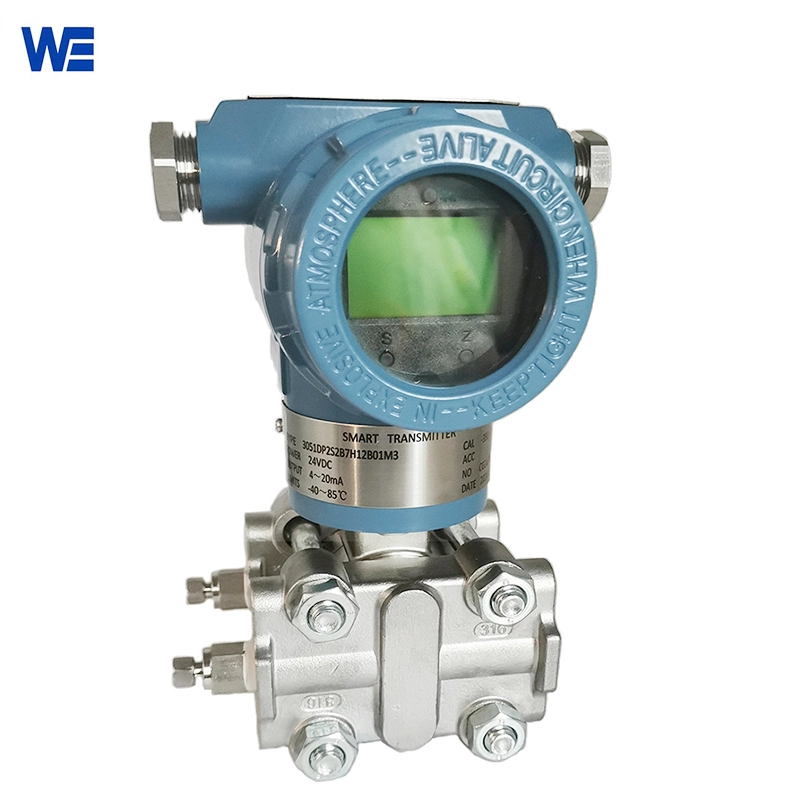
Choosing the correct pressure transmitter for tough media goes beyond simple measurement. It means ensuring the device can endure rough conditions. Harsh chemicals, thick slurries, and wild temperature swings often ruin a badly picked sensor fast. You need to pair material suitability, steady signal output, and strong environmental shielding.
What Is a Pressure Transmitter
A pressure transmitter turns the real pressure from a liquid, gas, or vapor into an electric signal. Control systems can then read that signal easily. It holds a vital spot in automation. The device keeps watch on process details nonstop. It sends data to PLCs or DCSs for quick tweaks. You have three chief kinds: absolute, gauge, and differential pressure transmitters. Each fits a unique job based on the reference—like atmospheric pressure, a vacuum, or another line in the process.
Why Pressure Transmitters Are Important in Harsh Media Environments
Many industries handle biting liquids or gases. Think petrochemical sites or sewage plants. In those places, regular sensors wear out quick. But special transmitters with rust-proof materials hold their precision despite chemical hits. If you pick the right ones, they cut stoppages and stretch out service times. This saves effort and money.
Key Factors to Consider When Selecting a Pressure Transmitter for Harsh Media
You should first look at how the process setup affects the sensor’s wet parts and inner workings. Only then can you pick specs wisely.
Compatibility with Process Media
Choosing materials comes first. Stainless steel (316L) handles most factory fluids well. Yet it might not last in sharp acids or salty setups. For those, Hastelloy C-276 or Monel alloys stand up better against rust.
When you face very fierce media, such as hydrochloric acid or chlorine gas, tantalum diaphragms work great. Seals on the diaphragm keep key parts away from direct media touch. At the same time, they pass on pressure shifts accurately.
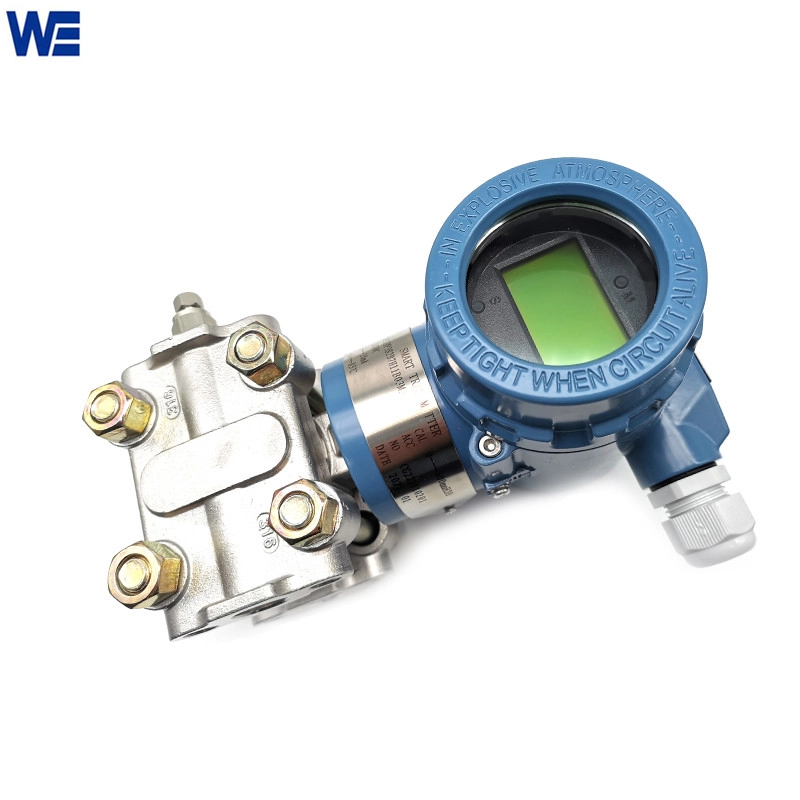
Wepower Electronics’ WE3051 series offers a variety of diaphragm material options, such as SS316L, Hastelloy C, and tantalum. Engineers can pick these to match the level of chemical threats.
Operating Conditions and Environmental Factors
Wild temperature changes can mess up readings if you ignore them. Check that the transmitter’s temperature limits fit your setup. You also need to watch for moisture, shakes, and protection levels (IP ratings). This matters a lot for outside spots or zones with heavy cleaning sprays.
In oil refineries or gas facilities, you must use explosion-proof models because flammable vapors lurk there. The WE3051 series has such types, including Exd II C T6 Gb and Exia II C T6 Ga.
Accuracy and Signal Output Requirements
How exact you need the readings depends on their role in quality or safety rules. For typical factory tasks, ±0.2% works fine. But in tight spots, you might go for ±0.1%.
WE3051 high accuracy transmitters give ±0.1–0.2% precision. They use 4–20mA DC output signals. You can add HART communication too. The 4–20mA setup stays common. It fights off electrical buzz over far cables. Plus, it keeps a straight link between pressure and current flow.
Gauge vs Absolute vs Differential Pressure Transmitters
Grasping these types helps you select one that matches your system’s base point.
Gauge Pressure Transmitter
It checks pressure against the air around us. This suits tanks open to the sky or pipes that vent at one side.
Absolute Pressure Transmitter
This one takes a full vacuum as its base. It shines when air pressure shifts might throw off results. You see it in vacuum packing lines or plane test areas.
Differential Pressure Transmitter
It spots the gap between two spots in a system, not total values. People use it for flow checks via orifice plates, watching filter health, or spotting liquid levels in sealed tanks. The WE3051DP Differential Pressure Transmitter handles ranges from 0.013 bar to 413 bar. It varies by model setup.
Common Materials Used in Pressure Transmitters
What you choose for materials shapes how long the device lasts around sharp chemicals or gritty slurries.
Stainless Steel (316L) Construction
It offers solid defense against rust in water-based flows and gentle chemicals. Factories from food handling to basic making use it everywhere.
Hastelloy and Monel Alloys
These excel in tough acids like H₂SO₄ or ocean water spots. There, chloride cracks pose a real threat.
Tantalum or Ceramic Diaphragms
They handle fierce acids such as hydrochloric acid best. Ceramics also fight wear from slurry rushes.
Installation Considerations for Reliable Performance
The top transmitter won’t help if you set it up wrong.
Proper Mounting Techniques
Keep it away from shaky machines. Add brackets if needed. The WE3051 provides various mounting ways, like tube-mounted curved brackets (B1), board-type curved brackets (B2), and wall-mounted stainless steel brackets. You can fill impulse lines with neutral fluid. This shields hot media yet keeps response times sharp.
Maintenance Accessibility
Put transmitters in spots where techs can reach them for calibration without halting work. Every setup needs isolation valves. They let you pull out tools safely for checks. Meanwhile, the process stays closed.
The Role of Output Signals in Industrial Automation Systems
How signals travel sets how well your control setup talks to on-site tools.
Understanding 4–20mA Pressure Transmitters
This analog method sends current that matches the pressure level. It’s straightforward and tough against disruptions. It links up smoothly with PLCs (Programmable Logic Controllers) and DCSs (Distributed Control Systems).
Benefits of Smart Communication Protocols
Transmitters with HART mix old-school analog strength with fresh digital smarts.
You can tweak them from afar using handheld tools. No need to take them out of action. This cuts hands-on work. It also boosts how you spot problems across plant gear.
How Wepower Electronic Supports Harsh Media Measurement Needs
When you pick partners for tough setups, their know-how counts as much as their tech skills.
Wepower’s Expertise in Industrial Automation Sensors
Yantai Wepower Electronic works in automation field instruments for many years. Our lineup goes from radar level meters to small pressure transmitters like the WE2088 series. Each draws from real user input over two decades since 2003.
Wepower focuses on “people-oriented” growth. We back it with steady R&D spending. You see this in their ongoing ties with clients around the world.
Advantages of Choosing Wepower Electronic Products
These tools prove steady, reliable, and stable for differential, gauge, and absolute pressure. They perform well even near biting chemicals. Products come with tough shells from stainless steel or Hastelloy. They offer flexible outputs like 4–20mA DC plus HART communication. Support teams help customers day and night. They guide from picking models to fine-tuning after setup. This makes sure every fix matches the exact process hurdle.
FAQs
Q1: What is the difference between gauge and differential pressure transmitters?
Gauge measures relative to atmosphere. Differential measures between two process points for applications like flow monitoring.
Q2: Why use a 4–20mA signal instead of voltage output?
Because current signals resist electrical noise better over long distances. They ensure stable readings even in electrically noisy environments.
Q3: Which materials are best for corrosive chemical processes?
Hastelloy C-276 or Tantalum diaphragms provide superior corrosion resistance compared with standard stainless steel designs.
Q5: Can smart HART transmitters reduce maintenance costs?
Yes. They enable remote diagnostics that identify issues early without requiring manual inspection at every device location.