- Have any questions?
- +86 15953537010
- admin@wepower-electronic.com

Introduction
In oil and gas work, tools face extreme heat, high pressure, and chemicals that eat away at metal. Because of this, accurate temperature checks are not a small detail. One failed sensor can lead to safety problems, long stops, or even damage to the environment. This is the reason many operators pick the Armored Thermocouple Sensor. These sensors are built tough and still give steady results. They are made for rough places where simple probes would not last long.
You may already hear about other devices used in process plants. For example, radar transmitters use microwaves that bounce back from liquid levels. Tuning fork switches vibrate like a musical fork to show when liquid or powder touches them. Flow meters, such as ultrasonic and electromagnetic ones, check how fast liquids move. Each of these tools has value. But armored thermocouples focus only on heat and can handle the harsh oil and gas setting better than most.
1)What Makes Armored Thermocouple Sensors Different?
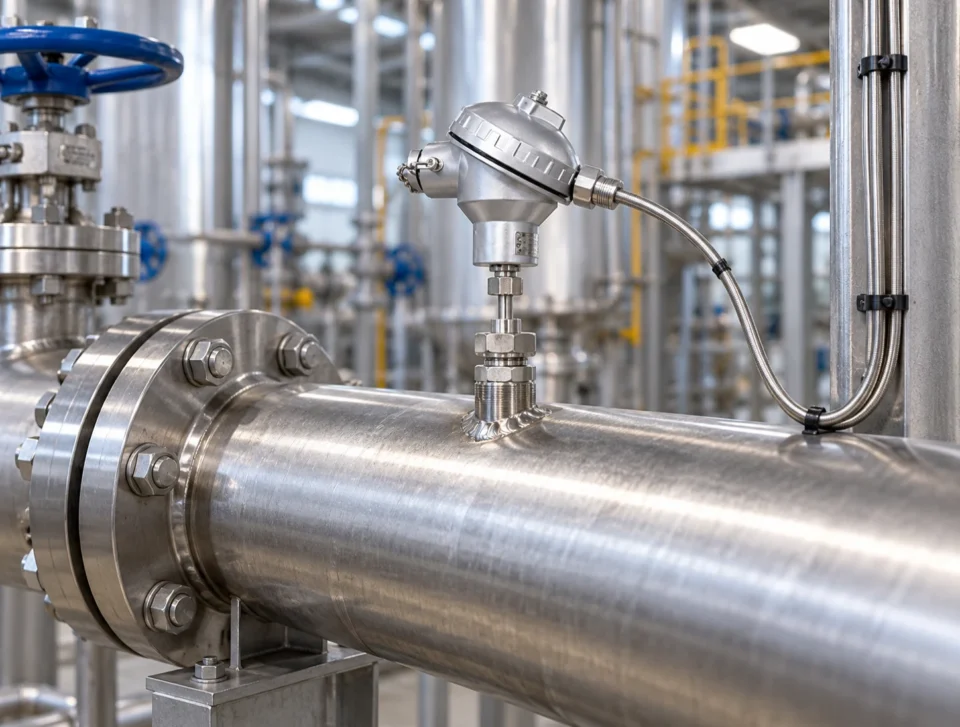
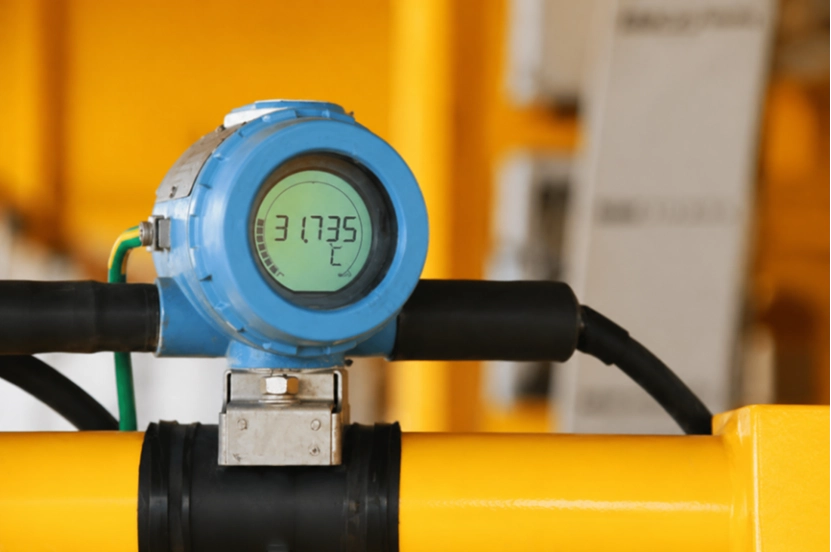
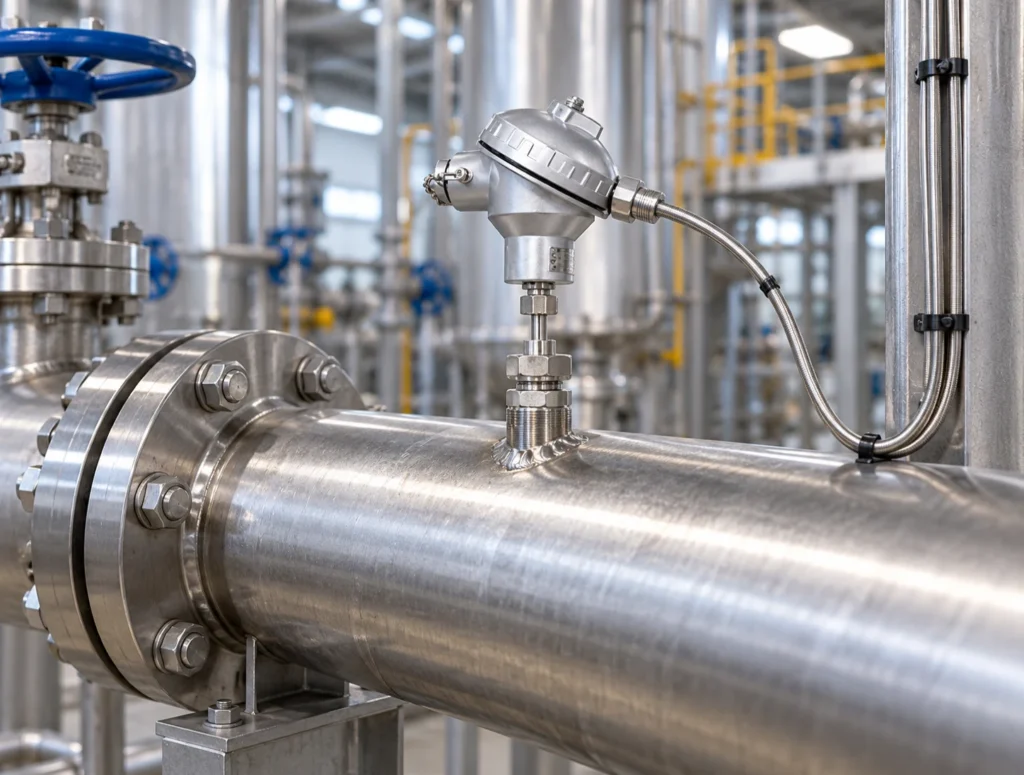
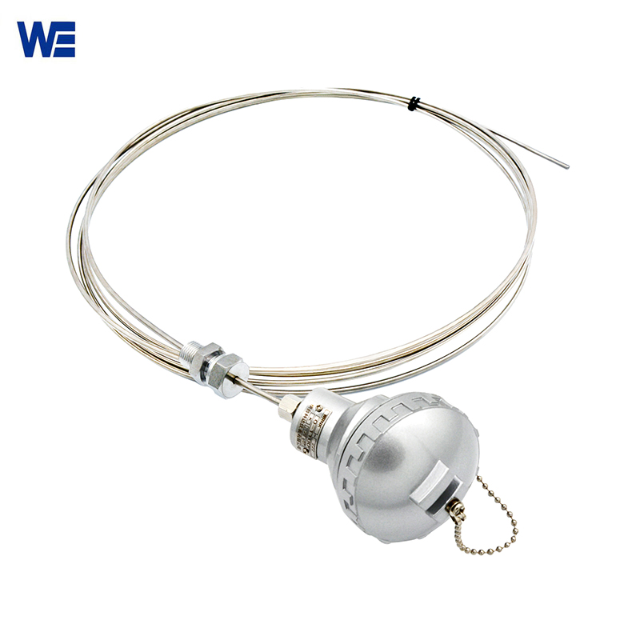
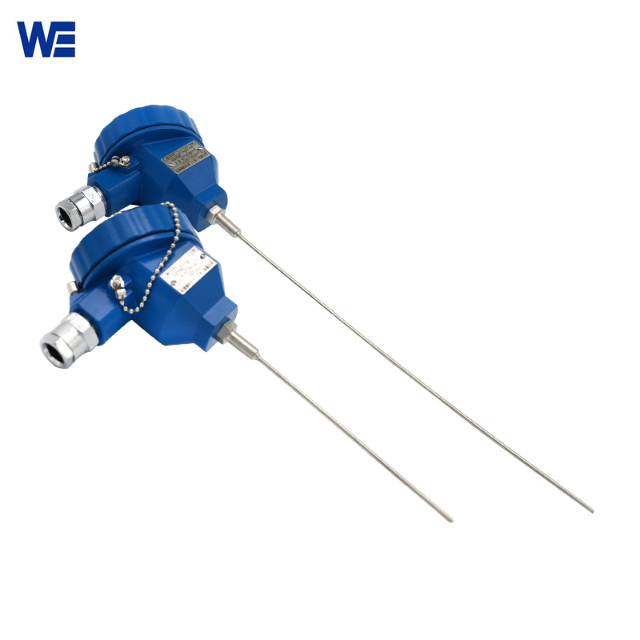
Thermocouples work by having two wires connected at one end. When the tip faces heat, it creates a small voltage. That signal changes with temperature. An armored thermocouple is built on this same idea but adds strong protection. It has a metal sheath around it and a packed mineral layer inside. The armor stops bending or breaking, resists pressure, and keeps out harmful chemicals.
Comparison to Other Industrial Sensors
Radar transmitters: Good for level checks with accuracy of ±2 mm to ±5 mm.
Tuning fork switches: Great at showing when material hits the fork. But they do not give you constant heat numbers.
Flow meters: Electromagnetic and turbine types can track water, oil, or gas flows.
Because of this, armored thermocouples fill a key gap. They stay strong under tough conditions while giving the heat data you need.
2)Key Benefits in Oil and Gas
Strong Resistance to Harsh Environments
Refineries and rigs expose gear to sour gas, steam, and dirt. An armored thermocouple can hold up in these settings. For instance, hydrogen sulfide eats unprotected wires fast. The metal sheath on armored units keeps the probe working longer.
Accurate Reading Under High Pressure
Pipelines and wellheads face pressure swings. A bare sensor might warp or fail. An armored thermocouple stays firm. That means your readings stay steady during both calm runs and sudden spikes.
Longer Life, Less Downtime
Replacing sensors offshore takes time, money, and risk. Armored designs can last far longer than bare probes. This lowers the need for trips, cuts shutdowns, and reduces costs.
Flexible Use in Different Units
Refineries, LNG stations, or chemical plants all use them. Armored thermocouples can be set up with welds, clamps, or wells. This gives you options based on the layout of your site.
Safety Support
Good temperature control stops fires, breakdowns, and leaks. For workers and managers, armored thermocouples are not just tools. They are safety guards.
2)Where You Will See Them in Oil and Gas
Refineries
Heat in refining goes beyond 1000 °C. Armored thermocouples give clear signals in units like catalytic crackers or distillation towers. Even small shifts in heat can affect output and safety.
Offshore Platforms
Salt spray, sea wind, and heavy shake damage many sensors. Armored thermocouples, however, keep going in these rough marine spots.
Pipelines and Storage Tanks
Long crude lines or LNG tanks often face wax or hydrate build up. By checking heat at different points, armored thermocouples help prevent flow blockages.
4)How to Choose the Right Sensor for Your Operation
To pick the right armored thermocouple, think about:
Heat range: Match the wire alloy to the highest expected heat.
Workplace: For acid or salt heavy places, use stainless or Inconel covers.
Speed vs life: Thinner tips react fast but wear faster. Thick ones last longer.
Mount style: Choose direct insert or a well for easier swap out.
When in doubt, you can ask Yantai Wepower Electronics. This company makes automated tools, offers tech help, and works on new sensor designs for oil and gas users.
5)Other Related Instruments for Oil and Gas
In many plants, armored thermocouples are paired with other gear:
Radar transmitters for crude tank levels.
Flow meters for water injection or gas balance.
Vibrating forks for powder or solids.
All these devices help keep plants safe and smooth. Wepower also brings them together into complete solutions.
6)Practical Tips for Maintenance
Even a strong sensor needs care. Here are a few quick tips:
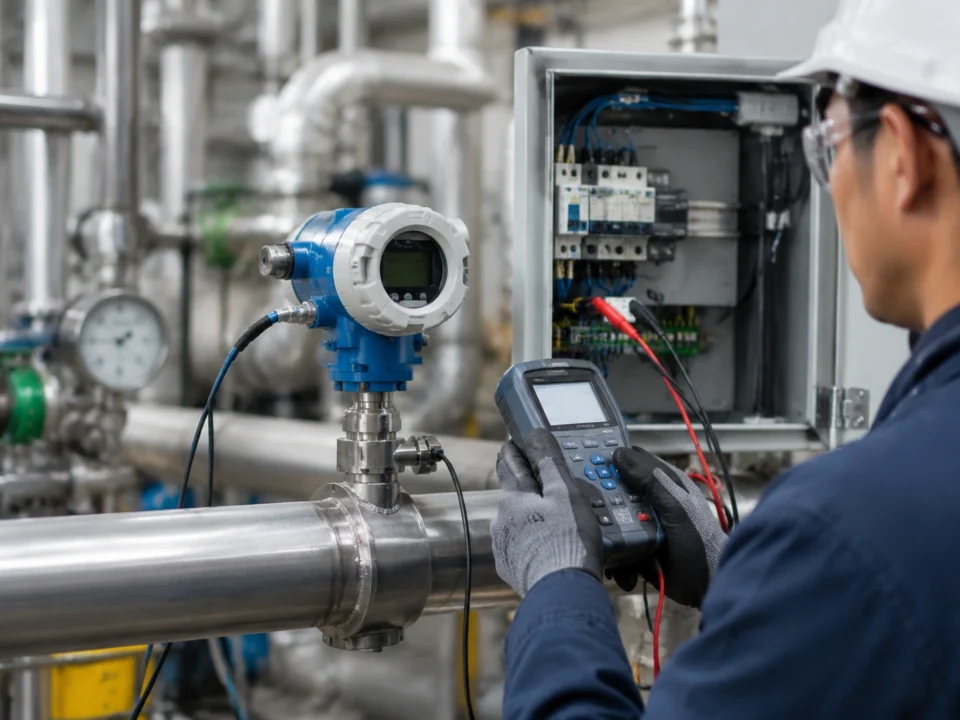
Check wires often for cracks or loose ends.
Keep a record of calibration, especially for safety critical areas.
Replace probes before they fail to cut risk.
Seal fittings well so there are no leaks where sensors go in.
For parts or help, contact Wepower Electronics. They can guide you on upkeep and new orders.
Conclusion
An armored thermocouple sensor is not just another probe. In oil and gas plants, it is a frontline tool. The armored thermocouple sensors stand up to heat, pressure, and dirt. They give you clear readings, lowers downtime, and cuts risks. When used with other devices, it forms a safe and steady system for tough jobs.
FAQ
Q1: What temperatures can armored thermocouple sensors handle?
A: They can work from 0 °C up to 1800 °C, depending on the lead wire type. This covers most needs in refineries and gas plants.
Q2: How do armored thermocouples support safety in oil and gas?
A: They give steady heat data that helps stop fires, blasts, and process loss.
Q3: Are armored thermocouples better than RTDs?
A: Thermocouples are stronger at high heat and in rough areas. RTDs are more exact at lower ranges but less tough.
Q4: Can armored thermocouples work in subsea pipelines?
A: Yes. The armored cover resists both pressure and salt water, so they fit subsea jobs.
Q5: Where can you buy armored thermocouple sensors?
A: They are sold by Yantai Wepower Electronics, a maker of industrial instruments with global service.