- Have any questions?
- +86 15953537010
- admin@wepower-electronic.com

How to Measure Groundwater Flow Accurately in Wells and Boreholes
Agriculture, industry, and municipal supply all depend heavily on groundwater. It keeps companies operating, cities hydrated, and crops flourishing. However, issues quickly arise if groundwater flow is not measured accurately.
In many projects supported by Wepower, accurate groundwater flow data is the starting point for both compliance and long-term well protection.
1)Groundwater Flow in Wells and Boreholes
Groundwater flow in wells starts deep underground. Borehole flow depends on the surrounding geology. Well water flow rate varies with demand and conditions.
Key Parameters You Need to Measure
Flow rate tops the list – gallons per minute or cubic meters per hour. Drawdown tracks how much the water level falls during operation.
Groundwater flow measurement also covers pumping duration. Log start and stop times for full analysis. Don’t forget temperature or conductivity; they hint at water quality shifts.
2)Common Methods for Groundwater Flow Measurement
Groundwater flow meter options abound. Each suits different setups. Groundwater flow measurement methods range from simple to high-tech. Picking one? Match it to the site’s quirks.
Electromagnetic Flow Meters in Boreholes and Well Houses
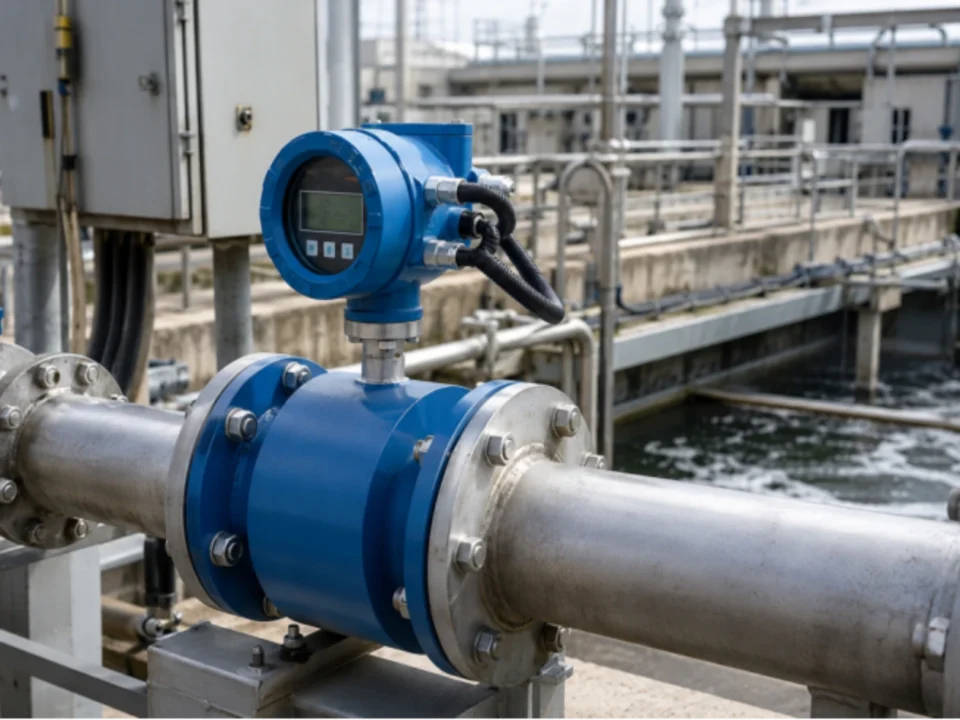
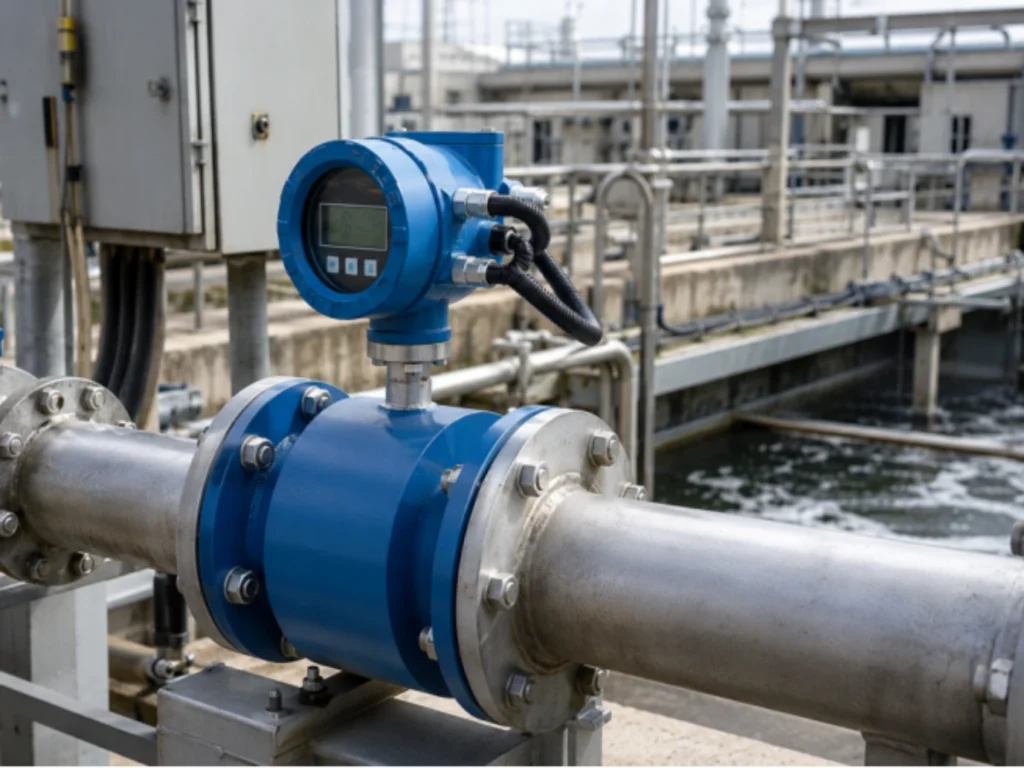
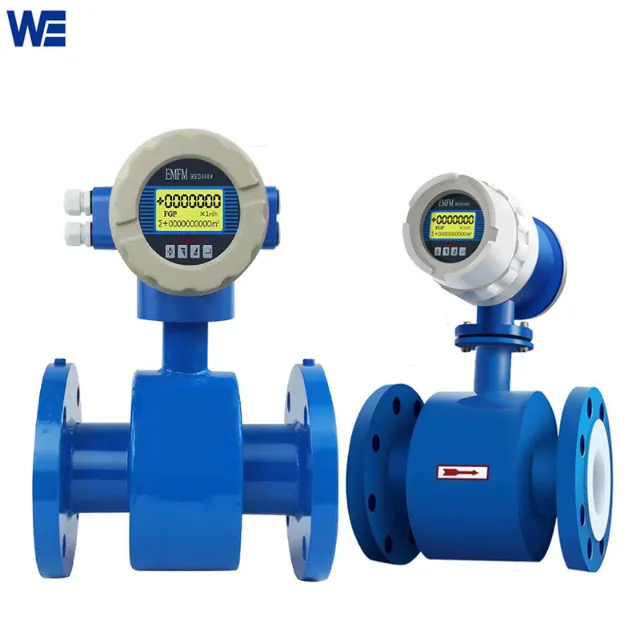
Electromagnetic Groundwater Flow Meter thrives in conductive water. Magnetic flow meter for groundwater creates a field; voltage measures speed.
No moving parts mean less breakdown. Low pressure drop keeps pumps happy. Borehole flow meter fits tight spaces.
Modern split-type electromagnetic groundwater flow meters, such as those supplied by Wepower, are often used in deep well pits where the sensor sits underground and the converter is mounted safely above ground.
Mechanical Flow Meters in Wells
Mechanical well flow meters use spinning parts. Turbine types count rotations as water passes. They work okay in clean flows. But limitations hit hard Accuracy dips over time, especially in gritty conditions.
Ultrasonic Flow Meters for Groundwater
Ultrasonic groundwater flow meter sends sound waves through the pipe. Clamp-on flow meter attaches outside, no cutting needed. Great for temporary checks. But they demand straight pipes and full flow. Bubbles or scale mess with readings.
3)Selecting the Right Groundwater Flow Meter for Your Well or Borehole
Choose groundwater flow meter wisely. Well flow meter selection considers daily realities. Borehole flow meter must handle the environment.
Pipe Size, Flow Range and Groundwater Quality
Pipe size dictates meter diameter – match it exactly. Flow range covers low trickle to peak rush. Dirty groundwater with sand or rust? Opt for rugged designs. Solid particles chew up delicate sensors.
High mineral content leads to buildup. Plan for that.
Installation Environment: Underground Pits, Well Houses and Remote Sites
Underground pit installation needs waterproof gear. Well houses offer more room, but floods happen. Remote well flow monitoring calls for sturdy builds. No grid power? Batteries step in.
Harsh weather tests everything. Think ahead.
Accuracy, Power Supply and Communication Needs
Groundwater Flow Meter accuracy – aim for 1% or better. Battery powered mag flow meter suits off-grid spots. Remote data logging via GPRS or RS485 sends info home. 4–20 mA outputs integrate with controls. Mix and match for the job.
4)Step-by-Step Guide to Measuring Groundwater Flow in a Well
How to measure groundwater flow? Follow these steps. Well flow measurement step by step keeps it straightforward. Miss one, and data skews.
Step 1 – Prepare the Well and Pipework
Flow meter installation conditions matter. Ensure straight pipe upstream and down – five diameters minimum. Full pipe avoids air pockets. Position valves right; no restrictions nearby. Clean the lines first. Debris ruins the start.
Step 2 – Install and Configure the Groundwater Flow Meter
Install groundwater flow meter with care. Magnetic Flow Meter setup aligns electrodes horizontal. Ground it properly – low resistance path. Set parameters: pipe size, range, units. Test connections. Double-check wiring.
Step 3 – Run a Pumping Test and Record Flow Data
Borehole pumping test reveals truths. Start slow; watch well water flow rate stabilize. Data logging captures every change – flow, level, time. Note any surges. Run long enough for steady state. Short tests mislead.
Step 4 – Check Accuracy and Calibrate if Needed
Flow meter accuracy check uses known volumes. Compare totals against a tank fill. Calibration tweaks if off. Recheck seasonally. Small drifts add up over months.
5)Typical Problems That Affect Groundwater Flow Meter Accuracy
Groundwater flow meter accuracy problems crop up often. Troubleshooting saves headaches. Ignore them, and bills soar from bad data.
Bubbles, Partially Filled Pipes and Poor Grounding
Partially filled pipe causes wild readings. Air bubbles sneak in during low flow. Electromagnetic flow meter grounding – keep resistance under 10 ohms. High? Signals jump. Vent air properly. Install higher if needed.
Electrical Noise and Cable Issues in Deep Wells
Electrical noise from pumps garbles data. Signal cable must shield well. Deep well installation separates power and signal lines. Use filters if interference persists. Short cables help too.
Sediment Build-Up and Corrosion in the Sensor Area
Sediment coats electrodes over time. Scaling from minerals blocks flow paths. Sensor maintenance – clean quarterly. Choose liners that resist buildup. Neglect this, and accuracy tanks.
6)Using Groundwater Flow Data for Management and Compliance
Groundwater flow monitoring guides decisions. Groundwater abstraction monitoring prevents overuse. Well water reporting builds trust with authorities. Control pumping rates based on trends. Spot declines early; adjust schedules.
Aquifer protection starts here. Over-pump, and recovery takes years.Monthly exports cover usage. Water rights management relies on solid numbers.
Some utilities and industrial users rely on Wepower meters combined with data loggers to generate automatic groundwater abstraction reports.
7)Practical Checklist Before You Install a Groundwater Flow Meter
Groundwater flow meter checklist ensures smooth rollout. Well flow meter installation prep avoids surprises.
- Confirmed pipe diameter, material, and conductivity levels.
- Assessed well chamber space and protection rating against water ingress.
- Determined power supply and communication options like wireless or wired.
- Planned minimum straight pipe sections and space for ongoing maintenance.
Add site photos to the file. Helps later.
Accurate groundwater flow measurement in wells and boreholes safeguards resources. It’s more than compliance – it’s smart stewardship.
Grasp site conditions, pick fitting tech, and install right. That beats chasing fancy specs every time. Groundwater flow meter choices evolve, but basics endure.
FAQ
Q: What is the best way to measure groundwater flow in a well?
The most reliable method is using a groundwater flow meter, such as Wepower’s electromagnetic or ultrasonic flow meters, installed on a full-pipe section.
Q: Why is groundwater flow measurement important?
It ensures accurate pumping data for resource management, regulatory compliance, and aquifer protection.
Q: What type of flow meter works best for groundwater?
An electromagnetic groundwater flow meter performs well because it handles dirty water, sand, and varying flow rates with stable accuracy.
Q: What factors affects the accuracy of groundwater flow meters?
Accuracy can be impacted by air bubbles, partially filled pipes, poor grounding, electrical noise, and sediment buildup.
Q: How do you install a groundwater flow meter correctly?
Install it on a full, straight pipe section, ensure proper grounding, configure pipe size and settings, and verify accuracy with pumping test data.