- Have any questions?
- +86 15953537010
- admin@wepower-electronic.com

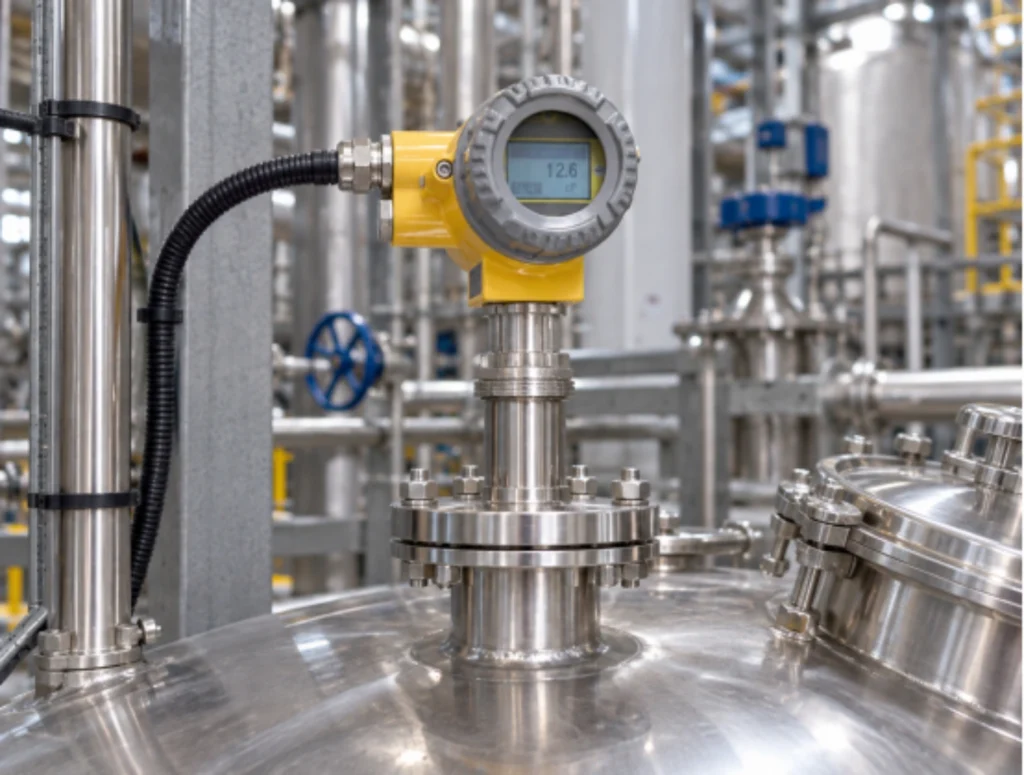
Choosing between a vibrating viscometer and a rotational viscometer depends on the decision. A vibrating viscometer usually fits real-time, inline or in-tank monitoring. A rotational viscometer is better for controlled sample testing, multi-speed measurements, and laboratory correlation. Process location, temperature, shear history, and output determine which result is useful.
Which Viscometer Fits Continuous Process Measurement?
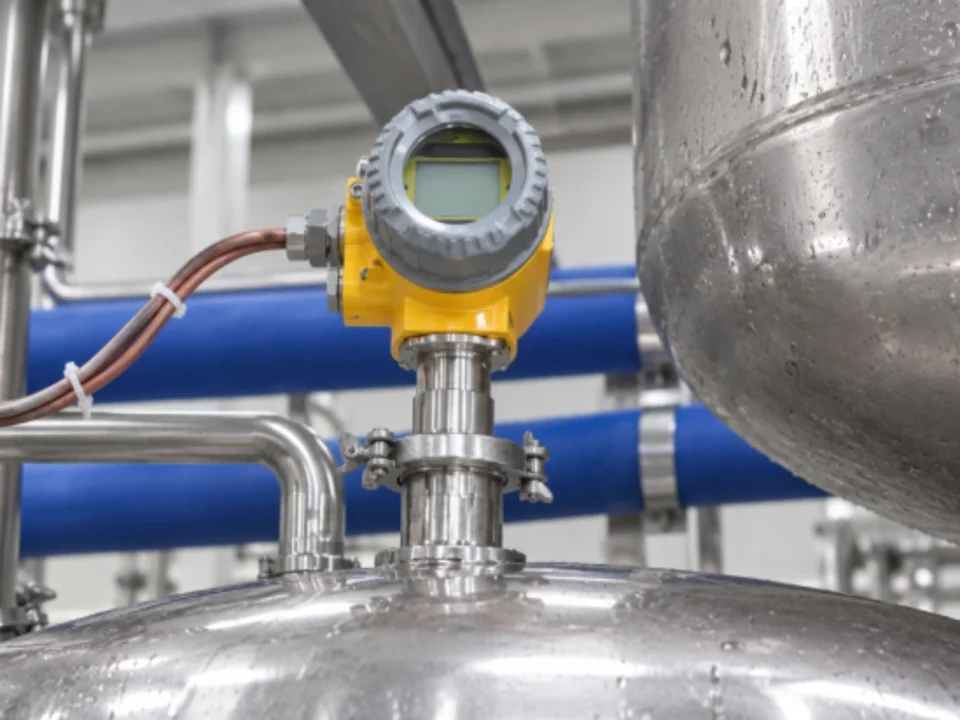
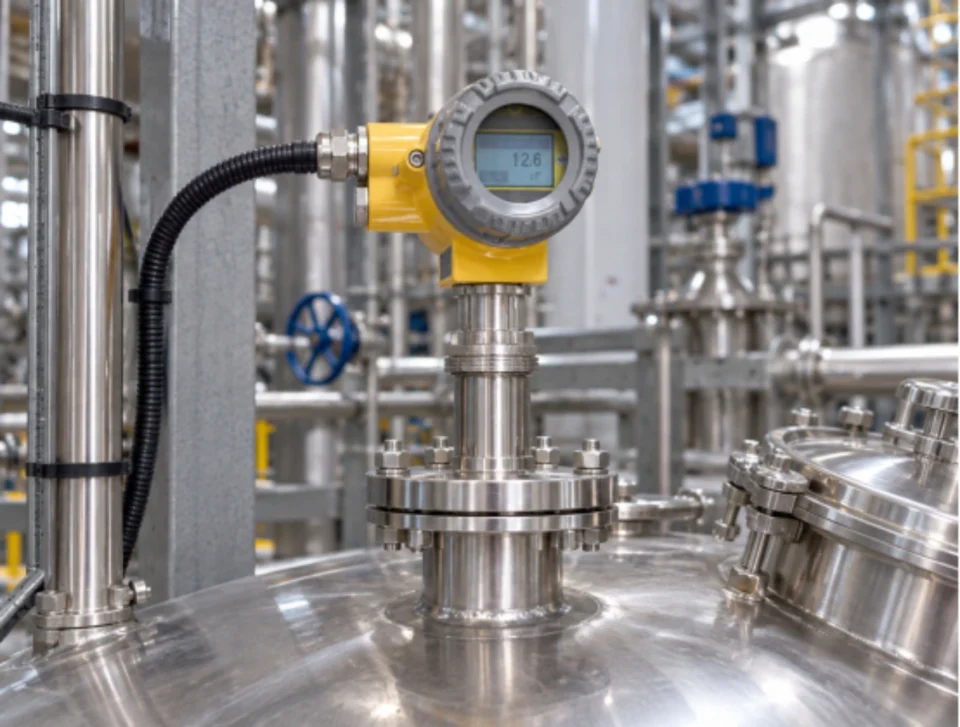
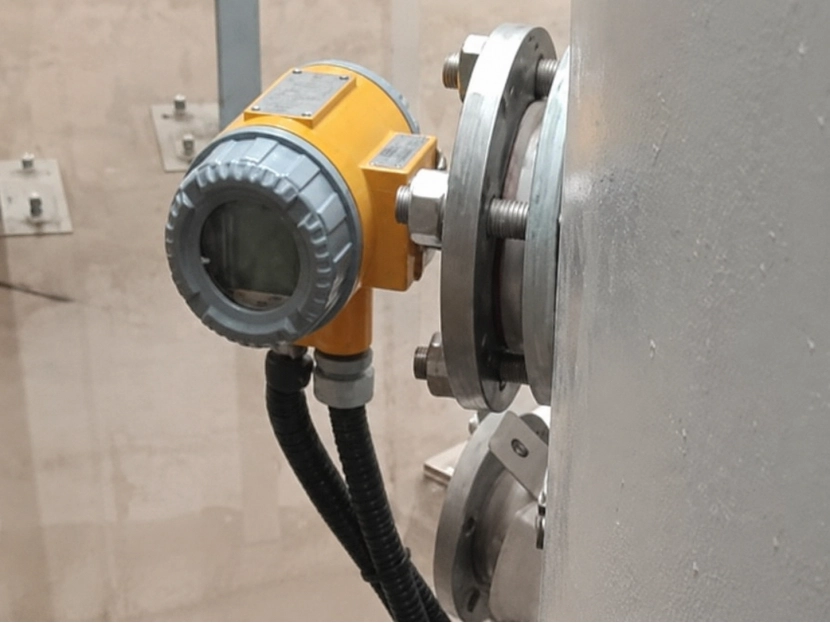
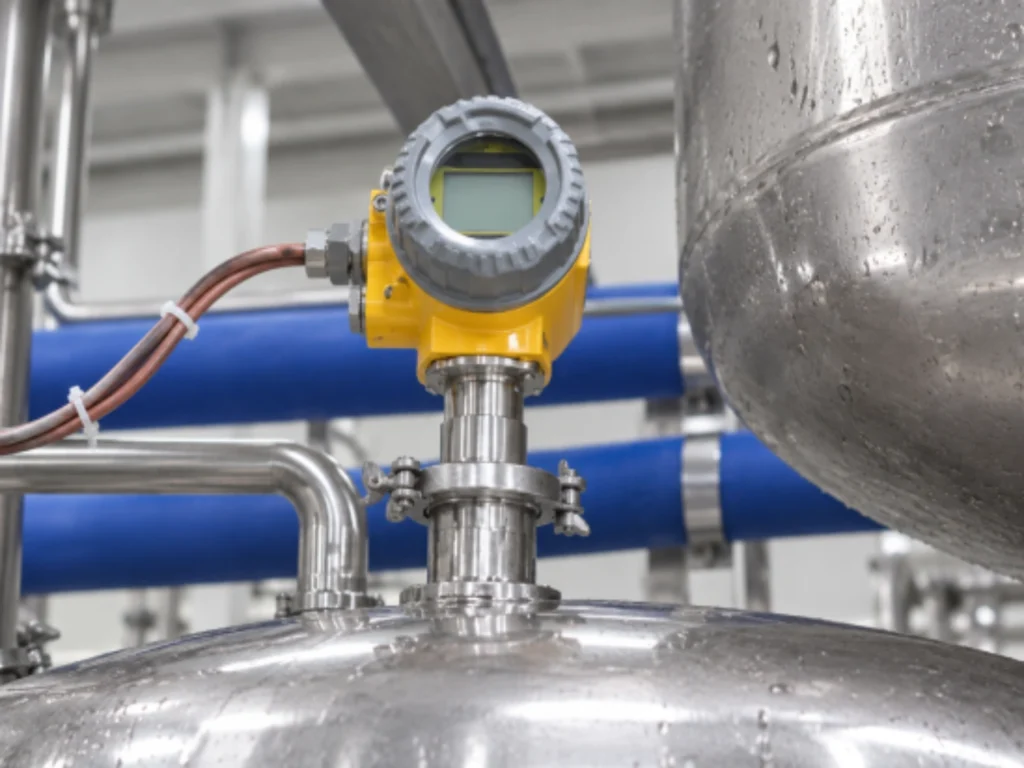
Start with the control question. If the plant needs to detect changing viscosity in a pipe, tank, blending vessel, or dosing line, a vibrating instrument is often the more direct fit. It measures at the process location and can provide a continuous PLC, DCS, or SCADA signal. Wepower Electronic’s WPX401/WKM401F inline process viscometer is described for real-time detection in pipelines and tanks, subject to application review.
Choose a rotational instrument when the decision depends on a sample’s behavior at selected spindle speeds, a laboratory release method, or several shear conditions. That information is valuable for non-Newtonian materials, but a sample may not represent the fluid after pumping, heating, mixing, or residence in a line.
Use a vibrating viscometer to follow a defined process state, and a rotational viscometer to characterize a sample at a chosen test condition. If both results are needed, align temperature, units, sample history, and reference condition before comparing them.
How Do Vibrating and Rotational Viscometers Measure Viscosity?
The methods apply different physical actions, so they answer different questions.
What Does a Vibrating Viscometer Measure?
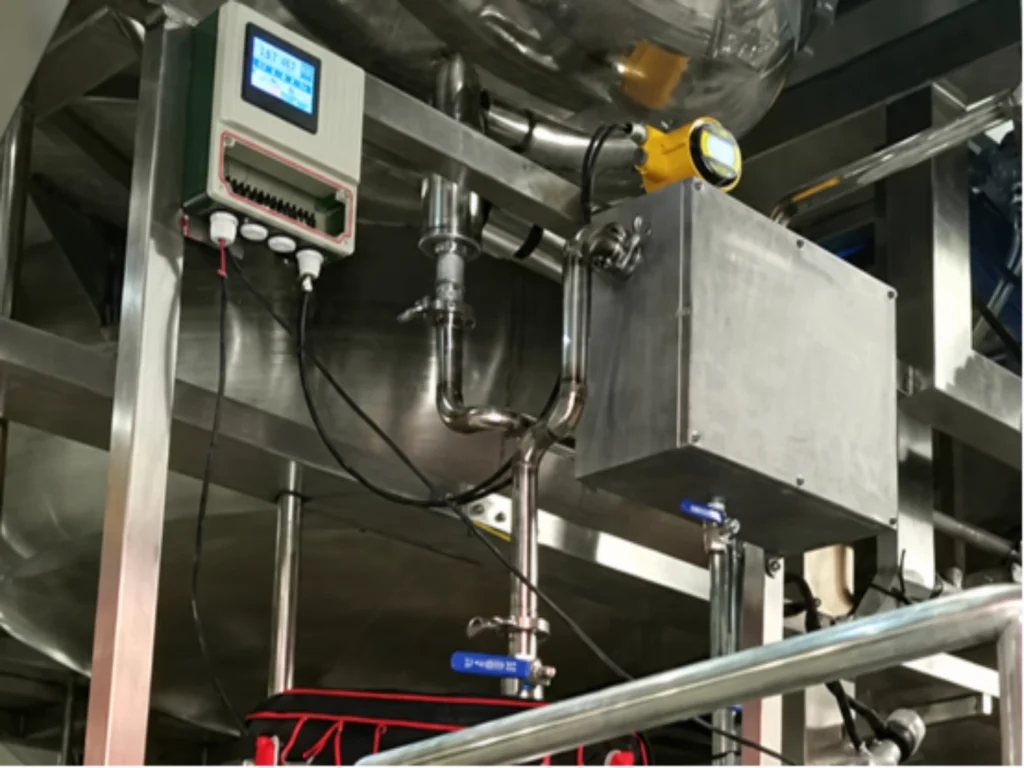
A vibrating viscometer immerses a sensing element and drives it at a controlled oscillation. Fluid resistance changes the element’s response, which is converted into a viscosity value at the installation point. The element can remain in the process, supporting successive readings without a sample for every measurement.
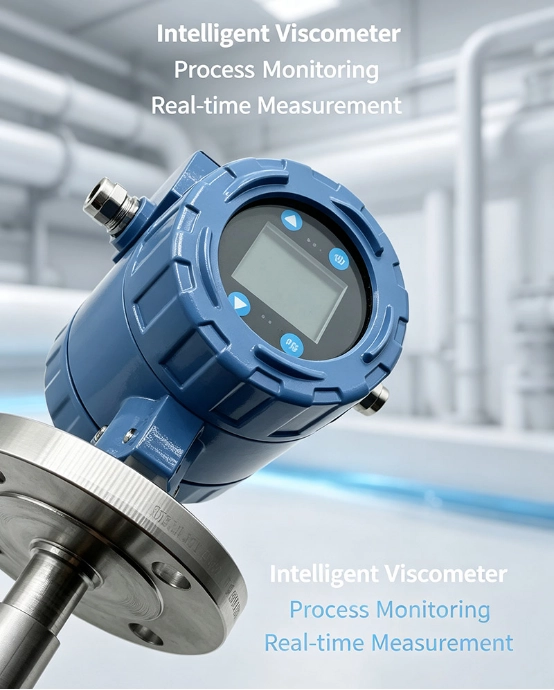
Wepower Electronic’s WPX401 inline process viscometer is presented for continuous detection in pipelines and tanks. The direct-insertion tuning-fork viscometer is relevant when the decision depends on the liquid’s current condition. The reading still depends on temperature, local flow, immersion, material compatibility, and process location.
What Does a Rotational Viscometer Measure?
A rotational viscometer rotates a spindle in sample, measuring torque to maintain set speed. Multi-speed testing identifies how apparent viscosity changes with shear rate.
Rotational testing is useful for laboratory quality control and rheological comparison. Document spindle geometry, speed, temperature, sample preparation, equilibration time, and test history. A rotational value is not automatically the same as an inline value because both are reported in cP.
Where Do Vibrating and Rotational Viscometers Diverge in Continuous Service?
The main difference appears when the instrument must represent a moving production stream rather than a prepared sample.
How Do Installation and Sample Handling Differ?
A vibrating instrument can be installed in a pipeline, bypass, or tank so the signal follows the fluid where the process decision occurs. Avoid dead zones, unsuitable insertion depth, gas pockets, and poorly mixed locations. A tank sensor may see settling or temperature stratification that a line sensor does not.
A rotational instrument normally requires a sample container and controlled test sequence. The sample may cool, lose agitation, separate, or continue reacting before testing, so it may no longer represent the original process state.
How Do Shear and Temperature Affect the Comparison?
Pumps, mixers, valves, and restrictions impose different shear conditions. A shear-thinning coating can show a high value at rest and a lower value after a pump; a suspension can respond in the opposite direction. Temperature can move viscosity and density, especially near a heating boundary. Record temperature and the relevant flow or test condition with every comparison.
For chemical applications, the chemical-processing measurement context reinforces the same issue: the method must match the process state.
What Should Engineers Compare Before Choosing a Process Viscometer?
Use this comparison to connect the method to the job it must perform.
| Selection Factor | Vibrating Viscometer | Rotational Viscometer |
| Measurement location | Inline, bypass, or tank | Collected laboratory or quality-control sample |
| Main strength | Continuous trend and process alarm | Controlled speed and shear comparison |
| Response use | Fast detection of a changing process state | Repeatable test sequence for a sample |
| Rheology reference | Local apparent viscosity under installation conditions | Apparent viscosity at defined spindle speed or speeds |
| Sample handling | Minimal once installed | Requires sampling, preparation, and temperature control |
| Best control question | Is the current stream inside the process window? | How does this sample behave under selected test conditions? |
Wepower Electronic’s tuning-fork viscosity category states a published 0–20,000 cP range. Evaluate it against the fluid, temperature, pressure, materials, and installation; a wide range does not prove that one position represents every condition.
For a heated resin line, continuous vibrating measurement at line temperature can support a pumpability alarm. For formulation release, a multi-speed rotational test may reveal shear-thinning behavior that one process value cannot describe. The methods complement each other when their purposes remain separate.
FAQ
These questions address practical edge cases that often arise after the main method comparison.
Can a Vibrating Viscometer Replace a Rotational Viscometer?
Only when the decision is a process value under the same reference condition. It cannot replace multi-speed testing used to characterize a full shear response or laboratory release method.
Why Can Inline and Rotational Results Disagree?
The readings may describe different temperatures, shear histories, sample ages, locations, or units. A sample can settle or cool before testing while an inline sensor sees a pumped stream. Align conditions first, then investigate calibration or installation.
Does Density Determine Which Viscometer to Use?
No. Density can support concentration analysis or unit conversion, but it does not describe resistance to shear. Select the viscometer around the property that protects the process decision.
What Data Should Be Sent for a Process Review?
Please specify: fluid, viscosity range, temperature, pressure, pipe/tank arrangement, flow/mixing condition, wetted materials, installation point, hazardous area requirements and output type. Also define signal purpose: indication / quality monitoring / dosing / closed-loop control.
How Can You Turn a Viscometer Comparison into a Process Specification?
Write the requirement around the measurement decision: “dynamic viscosity 80–160 cP at 60°C, inline measurement in a 4 bar(g) pipeline, continuous output for a process alarm.” Add temperature, pressure, fluid behavior, flow or mixing state, installation geometry, materials, signal protocol, and any laboratory reference method.
If you need to compare an inline reading with a rotational result, include the spindle or shear condition and sample temperature rather than sending only one number. You can send your process conditions for review so the method, range, materials, and installation are evaluated against a defined process task.