- Have any questions?
- +86 15953537010
- admin@wepower-electronic.com

Introduction
Measuring the viscosity of your resin during the batch production process involves checking the samples at certain points during the process. The viscosity of your resin can change when it is subject to temperature, to additions and to reactions. In addition to laboratory tests on samples taken from the production process, inline measurement of the resin fills the time gap between the sampling points.
Why Is Viscosity Measurement Important in Resin Batch Production?
How Viscosity Affects Resin Quality and Processing
Thick resin could cause difficulties when mixing and pumping, whilst very thin resin may not provide the necessary coating properties. Therefore, controlling viscosity to a specific range to provide dispersed ingredients and a consistent end product is important.
Why Viscosity Changes During Batch Production
Heating normally reduces viscosity of a resin mix whilst polymerization or curing can increase viscosity. As well as solvent content, the formulation of a resin mix can vary during production. All these factors mean that a single sample taken at one point in time is not an adequate measure for assessing viscosity of a batch of resin mix being produced.
What Methods Are Used to Measure Resin Viscosity?
Laboratory Measurement Using a Rotational Viscometer
A simple rotational viscometer can measure the torque a rotating spindle is exposed to in the test liquid. In a viscometer of this type the sample is first of all conditioned to the test temperature, then the spindle is lowered into the sample and rotated at a fixed speed. As already mentioned, there is a large difference between sampling and continuous measurement during production.
Real-Time Measurement Using an Inline Viscometer
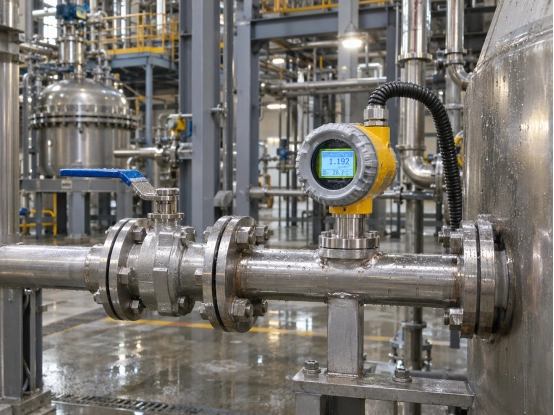
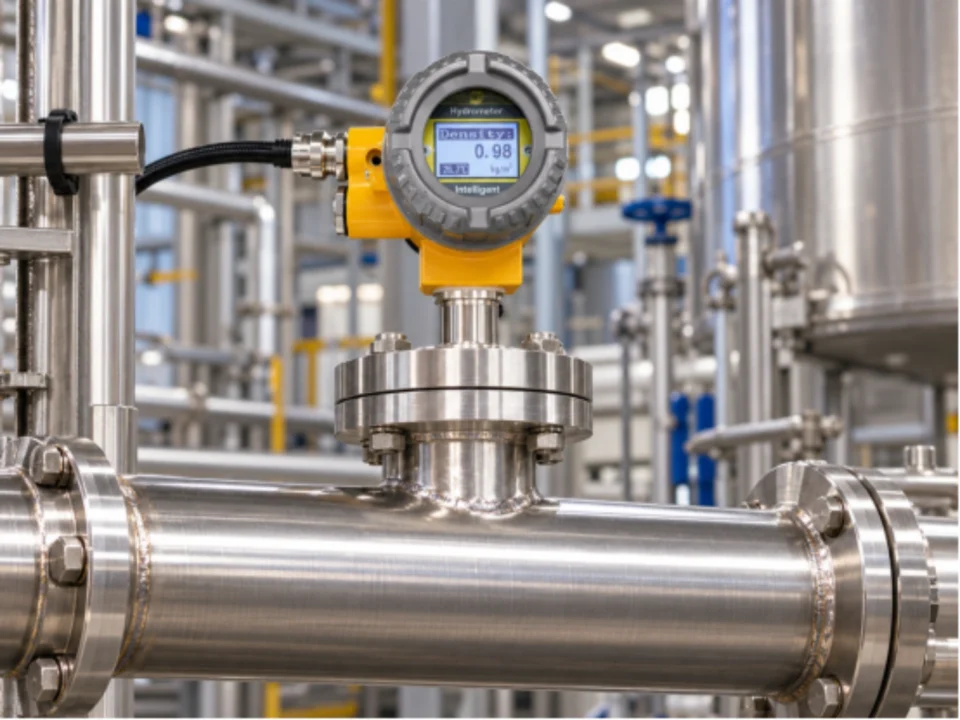
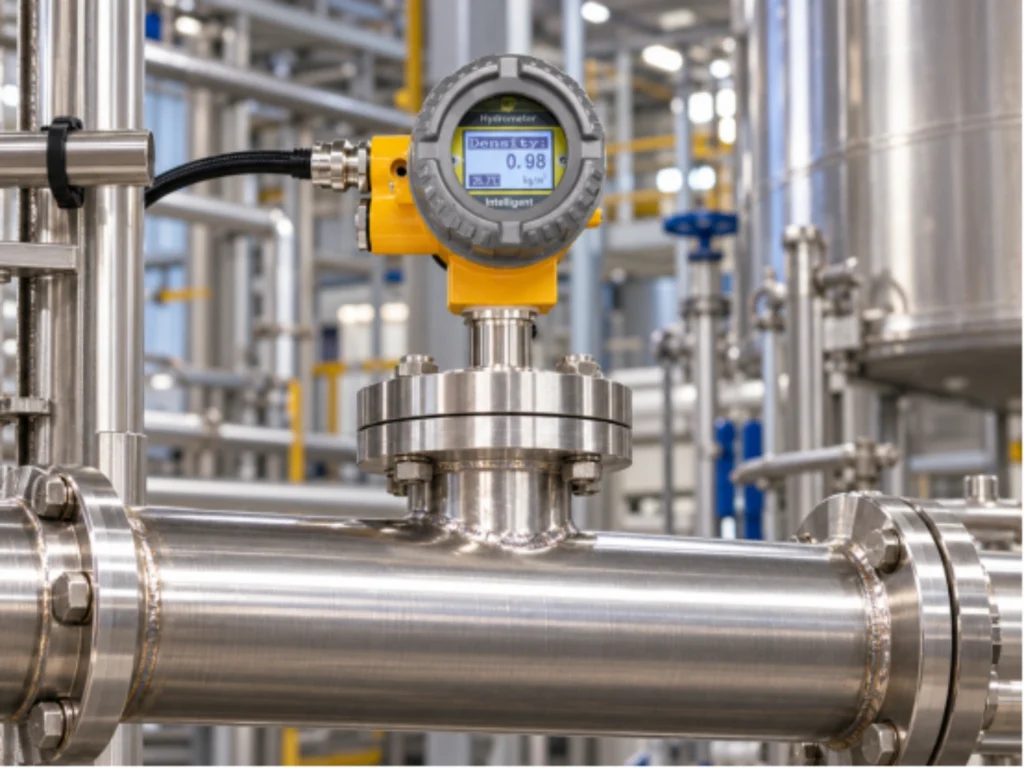
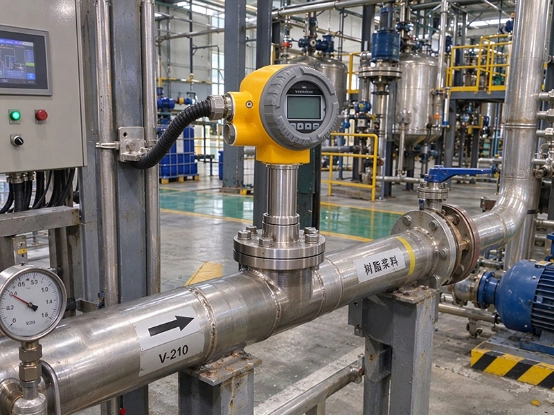
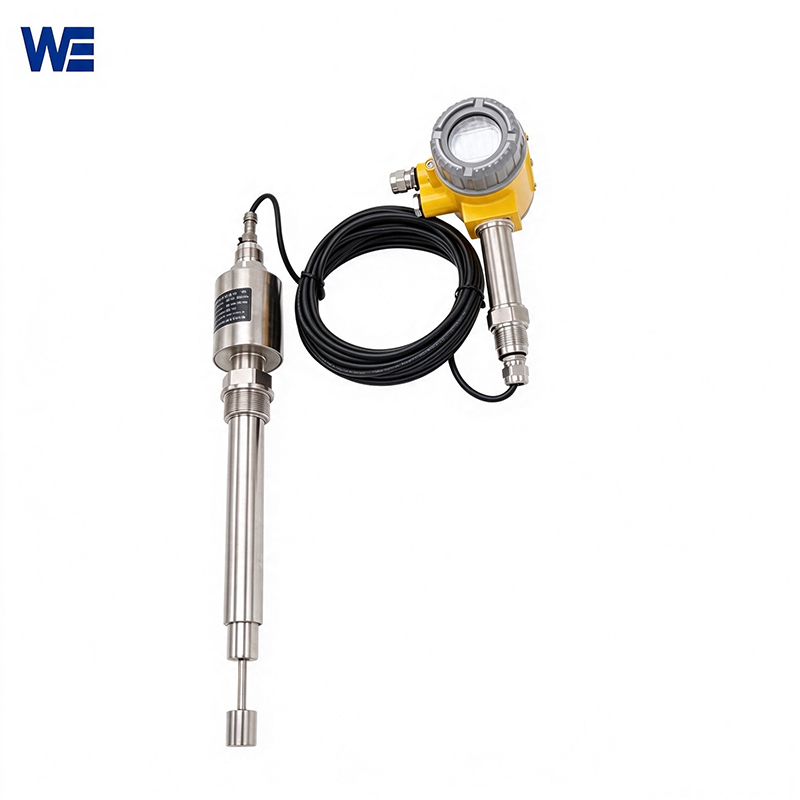
Inline viscometers can be located within tanks or in pipelines. Liquid resistance to oscillation of a vibrating rod or a tuning fork can be measured and is used to determine the viscosity of the liquid. Trends can be followed and manual sampling is reduced to occasional verification.
Which Method Is Better for Batch Production?
There is no doubt that when rotational testing is being used for laboratory acceptance that it would be better to use vibrating measurement for the continuous feedback during the production of the batch. The samples required for viscosity testing of resin leave a gap in the measurement record whilst they are being prepared for testing by the operator.
How to Measure Resin Viscosity During Batch Production: Step-by-Step
Step 1: Define the Target Viscosity Range
Formulate the required viscosity range values for the application and formulation. Define test temperature and method. Dynamic viscosity units cP and mPa·s are numerically equal. Measuring viscosity after mixing, during the reaction as well as before discharging of the batch is recommended.
Step 2: Monitor Resin Temperature and Mixing Conditions
Note the temperature of the resin under test as well as the status of mixing and its speed. RTD temperature sensors are used for process temperature measurement and it is important to keep test conditions constant.
Step 3: Measure Viscosity Using a Laboratory Viscometer
Representative samples of resin are taken using appropriate methods and protective clothing, without introducing bubbles. Samples are measured using the approved spindle at the specified speed within the torque limits of the instrument. Measured values of viscosity and temperature, together with details of the spindle used, rpm and sampling time are compared against the batch specification.
Step 4: Install an Inline Viscosity Sensor for Continuous Monitoring
Position the sensor in a suitable tank position, in a circulation loop or in a pipeline. Make sure the sensor is fully immersed in the resin, there are no air pockets, no stagnant resin and no deposits. Connect and verify the monitoring signal. Follow the trend during resin additions, heating up, mixing and the resin reaction.
Step 5: Comparing The Measured Values, The Process Parameters Can Be Optimized Accordingly
When lab results are available, compare the lab results with the values recorded by the on-line viscometer at the time of sampling. Match temperatures and account for differences in shear rate. Any changes to the quantities of additives, to the temperature and to the mixing time must only be carried out and recorded in accordance with approved methods.
Step 6: Verify Final Viscosity Before Batch Discharge
Once the resin meets the final viscosity requirement before discharge, record the result, decision, batch ID and test conditions. Subsequent batches must then be compared with this trend to determine if similar variations are occurring.
Common Factors That Affect Resin Viscosity Measurement Accuracy
Temperature Fluctuations
Even the same resin tested cold and warm may give different viscosity readings. To use the specified laboratory temperature; any compensation has to be validated for that formulation.
Shear Rate and Non-Newtonian Behavior
While pure resin is a Newtonian fluid,some treated resins have non-Newtonian fluid characteristics, and alter their apparent viscosity in response to the shear rate that is applied.Using the same spindle, speed, and sample history is also essential for repeated studies. Despite utilizing the same units, different approaches may not agree.
Air Bubbles and Incomplete Mixing
In the sample taken from the tank air bubbles can interfere with the measurement. Also the sample must be fully and uniformly mixed in the tank to ensure it is representative of the total batch.
Sensor Contamination and Calibration
Many process liquids contain solid particles which can form deposits on the sensing surface of a process viscometer. Such deposits must be removed periodically, and the viscometer’s performance checked with suitable test liquids. Records must be kept of all such cleanings and checks.
How to Choose an Inline Viscosity Sensor for Resin Production
Key Technical Specifications to Consider
For high-viscosity resin measurement, startup and cooling of production as well as normal production have to be covered. Temperature, pressure, chemical compatibility of the sensor with the produced goods as well as with cleaning agents, immersion depth and mounting have to be checked. Compatibility with the controlling system (PLC or DCS) has to be confirmed.
Wepower Electronic’s Inline Viscosity Measurement Solution
The WPX401 Inline Process Viscometer uses tuning fork technology to continuously measure viscosity during resin production. Available interfaces include 4–20 mA, HART and Modbus RS-485. Before selection, have the usable range and configuration checked for compatibility with your resin and operating conditions.
Frequently Asked Questions About Resin Viscosity Measurement
What Is the Best Way to Measure Resin Viscosity During Production?
It’s best to use laboratory measurements to check the acceptance of a sample and to monitor trends in production using inline measurement between samples.
How Often Should Resin Viscosity Be Measured During Batch Production?
In production, measure at stage specific points and take one final reading prior to release. Trend information from inline measuring will help react quickly to changes in viscosity, whereas the frequency of sampling between measurements can be determined by the respective process risks and reaction rates.
Can an Inline Viscometer Measure High-Viscosity Resin?
Yes. Check the maximum viscosity, the influence of shear rate, the appropriate temperature and the relevant installation conditions for your specific resin.
Conclusion
It’s important to note down the conditions under which the viscosity was measured during production. Combining your laboratory analysis with inline trend monitoring of your resin during production supports batch consistency. For selection, send Wepower Electronic the type and form of your resin, the viscosity to be measured, the location of the instrument, and the corresponding laboratory test method.