- Have any questions?
- +86 15953537010
- admin@wepower-electronic.com

Introduction
Radar level transmitters are super important in industries. Wepower’s 80G radar level meters measure levels of liquids and solids in tanks and silos with great accuracy. Our radar level transmitter keeps processes running smoothly in places like chemical plants or grain storage facilities. Picking the right output type, 4-20mA, HART, or Modbus, can really affect how well a system works. This article looks at these output types, checks their strengths, and helps industries choose what’s best for them.
Exploring Radar Level Transmitter Outputs
4-20mA Analog Output
The 4-20mA output is a go-to for many industrial systems. It’s a basic analog signal. Here, 4mA shows the lowest level, and 20mA shows the highest. This clear setup makes it easy to understand. Its strength is how dependable it is, it works with most control systems, from older PLCs to newer DCS setups. The Wepower 80GHz Radar Level Transmitter uses this output and gives super accurate measurements for tanks from 0.5m to 120m.
But it’s got flaws. The 4-20mA signal only shares level data. It doesn’t give info on diagnostics or settings. If something breaks, fixing it can be tricky. Still, for simple tasks, like checking water levels in a tank, it’s tough to beat for being easy.
HART (Highway Addressable Remote Transducer) Output
HART steps things up. It adds digital communication on top of the 4-20mA signal. This lets you get both level data and diagnostic info at the same time. Operators can check the device’s health, change settings from far away, or even look at past data without stopping the process. The Wepower 80GHz Radar Level Transmitter supports standard HART protocol. It’s a top pick in complex plants where keeping an eye on things and fixing issues fast matters.
HART is great when you need more than just basic data. For example, in a chemical plant with high-pressure or harsh liquids, HART’s diagnostic tools spot problems early. The catch? It’s trickier to set up than plain 4-20mA. You need a system that works with it. But for modern setups, it’s usually worth the effort.
Modbus Output
Modbus is all-digital and built for networked systems. Unlike 4-20mA, it lets multiple devices talk over one line. It shares detailed info like level, temperature, or device status. Wepower’s 80G Radar Level Transmitter supports RS485/Modbus, which is perfect for linking with PLCs, SCADA, DCS systems. This makes it awesome for big operations, like granaries measuring powder or coal ash, where real-time data from many tanks is key.
Modbus is super flexible but needs a solid network setup. It’s not as simple as 4-20mA. Older systems might need extra gear to use it. Still, for industries going digital, Modbus is a big deal.
Comparing 4-20mA, HART, and Modbus
Accuracy and Data Reliability
All three outputs give good accuracy when used with a quality device like the Wepower 80G Radar Level Transmitter. Its frequency-modulated continuous wave tech ensures spot-on measurements, even in tough spots like dusty or steamy areas. The 4-20mA output is solid for simple level readings but doesn’t offer much detail. HART adds diagnostic info, which makes it more reliable by catching issues like signal drops. Modbus, being fully digital, gives the most detailed data and cuts down on errors in big systems.
Integration with Control Systems
How these outputs connect to systems is where they differ. The 4-20mA output is super easy to hook up to most PLCs or DCS systems, just plug it in, and you’re good. HART needs a compatible controller but works well with modern systems and lets you adjust settings remotely. Modbus is the most adaptable, connecting multiple devices to SCADA or DCS networks. The Wepower 80G radar level transmitter, with support for all three outputs, fits into all kinds of setups, from one tank to a huge industrial network.
Here’s the thing: older systems might not play nice with Modbus without some upgrades. HART finds a middle ground, mixing analog ease with digital perks. For small setups, 4-20mA often wins because it’s so simple.
Maintenance and Diagnostics
Keeping things running smoothly matters a lot in industry. The 4-20mA output doesn’t help much with maintenance, if the signal fails, you’re left scratching your head. HART makes a big difference with real-time diagnostics. You can check device health or tweak settings like feed rate (0 to 300 m/min on the Wepower 80G radar level transmitter) through the service menu. Modbus goes even further, letting you monitor multiple devices from one spot, which is awesome for big plants.
Here’s a little heads-up: troubleshooting Modbus can feel like a puzzle if the network isn’t clear. But with a good setup, it’s a total game changer.
Choosing the Right Radar Level Transmitter
Factors to Consider
Choosing the right transmitter depends on your needs. Tank size is a big deal. The type of material matters too; the Non Contacting Radar Level Transmitter is great for powders, coal ash, or harsh liquids. Automation needs are also key, basic setups might just need 4-20mA, while bigger plants go for HART or Modbus for better integration.
Cost is another thing to think about. The Economical 80GHz Tank Radar Level Transmitter from Wepower gives high frequency radar performance at a lower price. It’s perfect for budget-friendly industries like granaries. Although the price has been reduced, Wepower Electronic has not compromised on product quality and service. Each device is pre-calibrated, making setup very easy.
Wepower Electronic Product Highlights
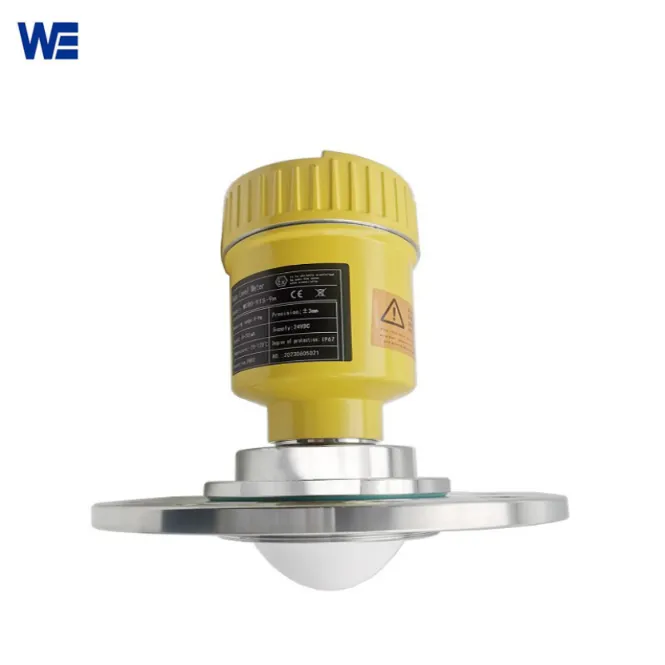
Wepower Electronic’s 80G radar level transmitters are standouts for their flexibility and accuracy. Using 80GHz FMCW technology, these devices send out electromagnetic waves from the top of the tank and measure levels based on the signals that bounce back.
Their small blind zone (within 10cm) makes them great for short-distance measurements, and their wide range suits huge tanks. They handle rough conditions, dust, steam, or high pressure, with no trouble, thanks to their sturdy build and corrosion resistance. Support for 4-20mA, HART, and Modbus outputs gives lots of options.
Conclusion
You can choose between 4-20mA, HART and Modbus according to the needs of the site conditions. The 4-20mA is simple and trustworthy for basic setups. HART mixes analog and digital for diagnostics and flexibility. Modbus is best for networked systems with lots of data needs. Wepower Electronic’s 80G radar level transmitters, with their high accuracy, toughness, and support for all three outputs, work for all kinds of industrial needs. Want the perfect fit for your process? Contacting Wepower Electronic is a smart step.
FAQ
Q: What makes the Wepower 80G radar level transmitter suitable for harsh environments?
A: Its 80GHz FMCW tech and non-contact design deal with dust, steam, high heat, and harsh liquids easily, giving reliable measurements.
Q: Can the Economical 80G model be used for solid materials?
A: Yup, it’s built for powders, coal ash, and lumps, making it great for granaries and similar uses.
Q: How does HART improve over 4-20mA?
A: HART adds digital communication to the 4-20mA signal. It lets you check diagnostics, adjust settings remotely, and monitor in real time.
Q: Is Modbus suitable for small-scale operations?
A: Modbus is better for bigger setups with multiple devices. For small systems, 4-20mA or HART is simpler and more applicable.
Q: How easy is it to install Wepower 80G radar level transmitters?
A: They’re pre-calibrated and user-friendly. The interface makes setup and adjustments quick and simple.