- Have any questions?
- +86 15953537010
- admin@wepower-electronic.com

The tank is at 40°C. The honey looks fluid enough. Yet at the filler, it takes longer than expected to get a jar away. We’d leave the tank setting alone for a moment and take a temperature reading closer to that slow-filling jar.
Cooling on the way to the nozzle is quite enough to raise honey viscosity. You don’t have to change the recipe to get a slower fill. There might also be crystals in the batch. Water content matters too, especially when comparing deliveries. There isn’t much value in arguing about whether honey is “too thick” until those conditions are attached to the number.
Why Does Warming Change Honey Viscosity?
How much difference could ten degrees make? Rather more than a glance at a jar might suggest. Published measurements give us something firmer to work with.
A 2016 study by Kędzierska-Matysek and colleagues examined raw rapeseed honey from Poland’s Lublin region. The samples averaged 18.53% moisture. Their reported mean viscosities, rounded, were:
| Honey Temperature | Viscosity in Pa·s | Equivalent in cP |
| 20°C | 33.6 | 33,600 |
| 30°C | 8.2 | 8,200 |
| 40°C | 2.5 | 2,500 |
| 50°C | 1.6 | 1,600 |
The striking part is the gap between those first and third rows: roughly thirteen to one. Even without going all the way down to 20°C, there is a large change. From 30°C to 40°C, the mean fell by about 70%.
The preparation of the samples caught our attention. This rapeseed honey had already crystallized in storage. The test involved pushing it through a gap with a plunger, a method called back extrusion. Warming a crystal-containing sample is more complicated than warming an entirely liquid one. We’d use these results to show the scale of the change, not to calculate a correction for an unrelated batch.
This makes the location of your temperature measurement worth thinking about. The number back at the tank isn’t necessarily the temperature of the honey you are trying to fill.
Why Can Honey Stay Thick at the Same Temperature?
Even after equilibrating both samples to the identical temperature, a visual difference may still remain. We need to verify if their moisture test results are consistent and check for the presence of crystals in either sample.
Moisture Changes the Liquid
There is a lot of sugar and relatively little water in honey. Add to the water fraction and the liquid generally flows more easily at a given temperature. Keeping yesterday’s filling settings for a fresh delivery assumes more similarity between the two lots than you may actually have.
Crystals Change the Texture
The rapeseed samples in that study became almost solid, with a plastic consistency, after just three to five days at 20°C. That wasn’t a different recipe. It was a change in physical state during storage.
A partly crystallized batch is physically different from a clear liquid batch. The amount of crystal material matters. So does the way that structure responds as the honey moves.
Creamed honey makes the point particularly well. You want its fine crystalline texture. A target borrowed from a clear liquid honey would be a strange basis for deciding whether that batch was right.
What Does Honey Viscosity Change at the Filler?
Picture a batch held at 40°C with a cooler stretch of transfer pipe before the filler. You could watch the tank display all morning without seeing what happened farther along that pipe.
If the valve has a fixed opening time, it isn’t going to wait for slower-moving honey to catch up. You may get less in the jar. Weighing the honey as it goes in changes the outcome: you can wait for the target weight, at the expense of a longer fill. The complaint on that line would be lost speed.
Neither outcome gives you a direct viscosity value. Valve opening and driving pressure also affect delivery. Still, a viscosity rise alongside a temperature fall is a much better clue than the tank reading alone.
What Can Inline Honey Viscosity Readings Tell You?
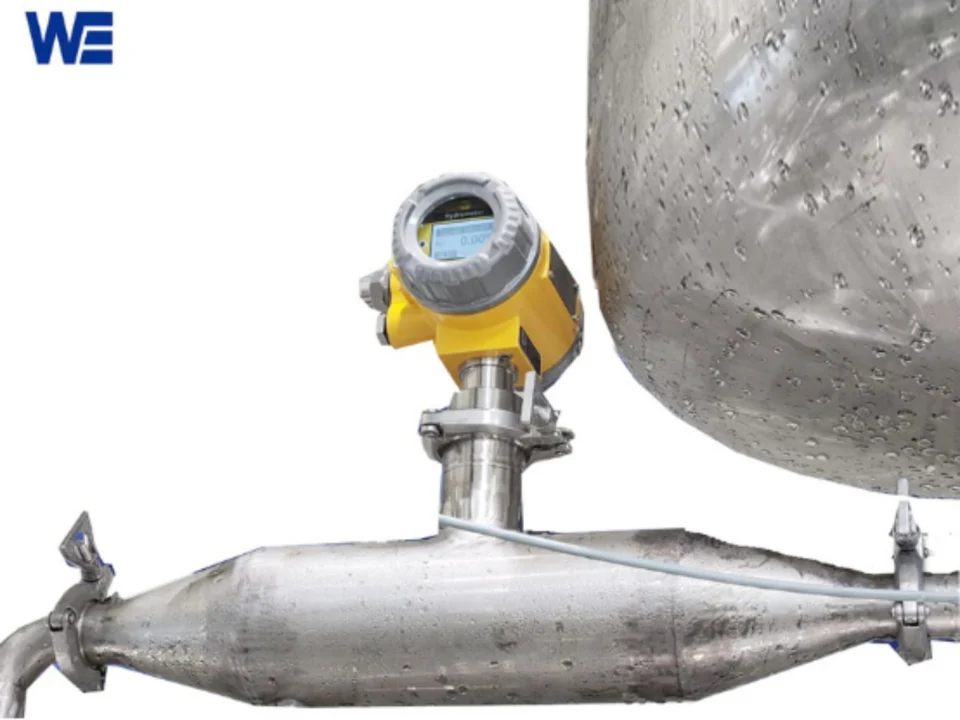
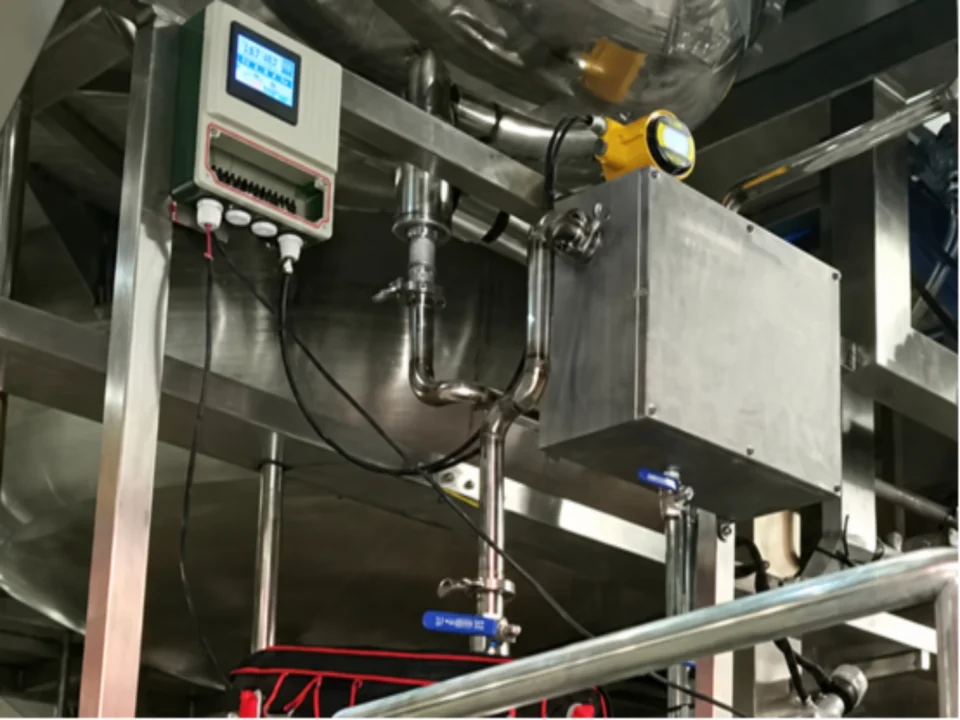
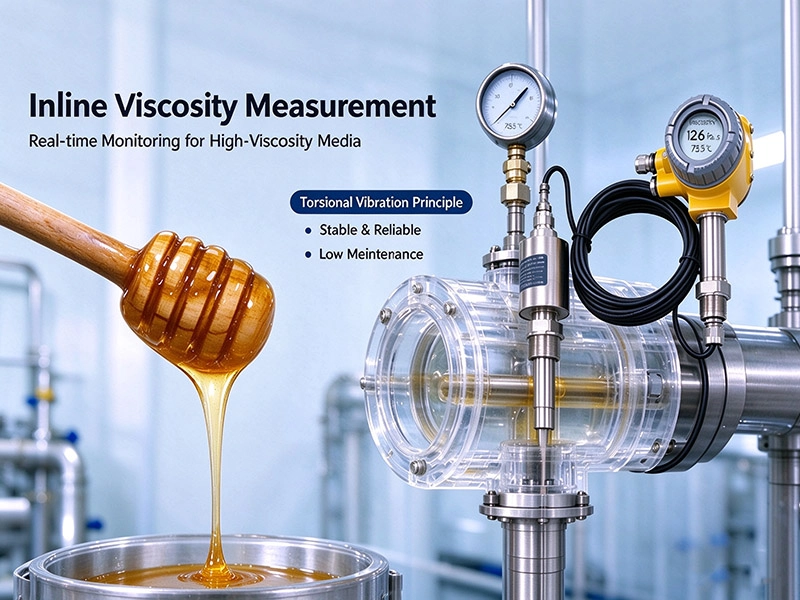
A jar taken away for testing doesn’t hold its temperature indefinitely. It can be cooling on the journey to the lab while the filler carries on running. That delay is a good reason to consider inline viscosity measurement near the part of the process you need to watch.
Keep the live trend for the filling decision. Use a controlled sample test when comparing lots against a reference condition. If both are displayed as a single interchangeable number, the distinction disappears.
There is a similar trap with vibrating and rotational measurements. They interact with the product differently. For honey containing crystals, agreement needs checking with matched samples and temperatures. A shared cP label does not establish agreement.
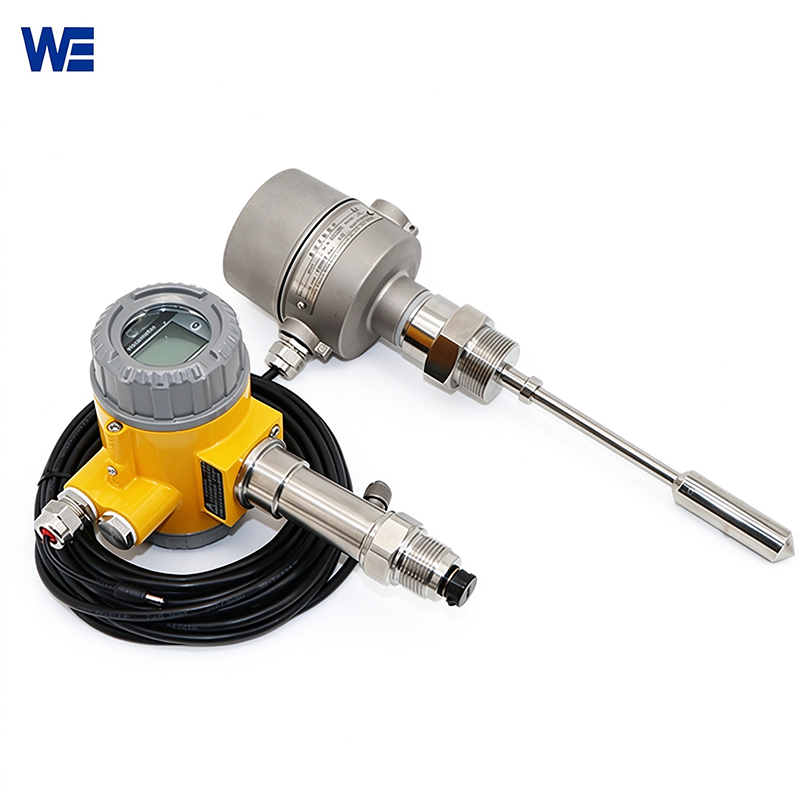
It is tempting to pick an instrument by range and leave it there. We’d still need to establish that its food-contact materials and construction suit the application. And a 20,000 cP ceiling would miss the 33,600 cP cold-sample mean above. Start with the honey as it will reach the sensor.
Make Sense of a Honey Viscosity Shift
Have a batch that runs freely from the tank but slows at filling? We can talk through the readings with you. Tell us where you took them and how warm the honey was there. A note about any crystals will help us avoid comparing two quite different product states.
FAQ
Is There One Standard Viscosity for Honey?
You will find tables giving a typical number. Treat it as a description of a particular honey and test, rather than an acceptance limit. The four rows above all concern rapeseed honey; they plainly couldn’t share one viscosity target.
Does Thicker Honey Mean Better Quality?
We wouldn’t pay a quality premium on that evidence. A cold jar can look impressively thick beside a warm one from the very same batch. Ask for the relevant quality results, including moisture, before drawing a conclusion from the pour.
Should Honey Be Heated Until It Flows Fastest?
We wouldn’t make that the target. Honey can spend too long warm even at a temperature chosen to ease filling. In the rapeseed study, higher heating temperatures reduced diastase activity. Agree the acceptable heating conditions alongside the required filling rate.