- Have any questions?
- +86 15953537010
- admin@wepower-electronic.com


1)Enhancing Industrial Accuracy with Digital Density Meter for Liquids
The Role of Precision in Modern Industrial Processes
In today’s fast-moving industrial world, accuracy-getting things exactly right is critical. Whether making chemicals, refining petroleum, or creating medicines, or food and beverages, even a small mistake in measuring medium density can harm product quality, safety, or rule-following. As factories use more machines and real-time tracking, tools that measure accurately and consistently are super important.
One such tool is the Digital Density Meter for liquids. It gives clear, reliable information about liquid properties that affect how products work and perform.
How Digital Density Meter for Liquids Minimizes Measurement Errors
Older ways of checking density often meant taking samples by hand and testing them in a lab. This took time and could lead to mistakes. Modern digital density meters, however, work differently. They check liquids constantly, right in the production line, with little need for human help.
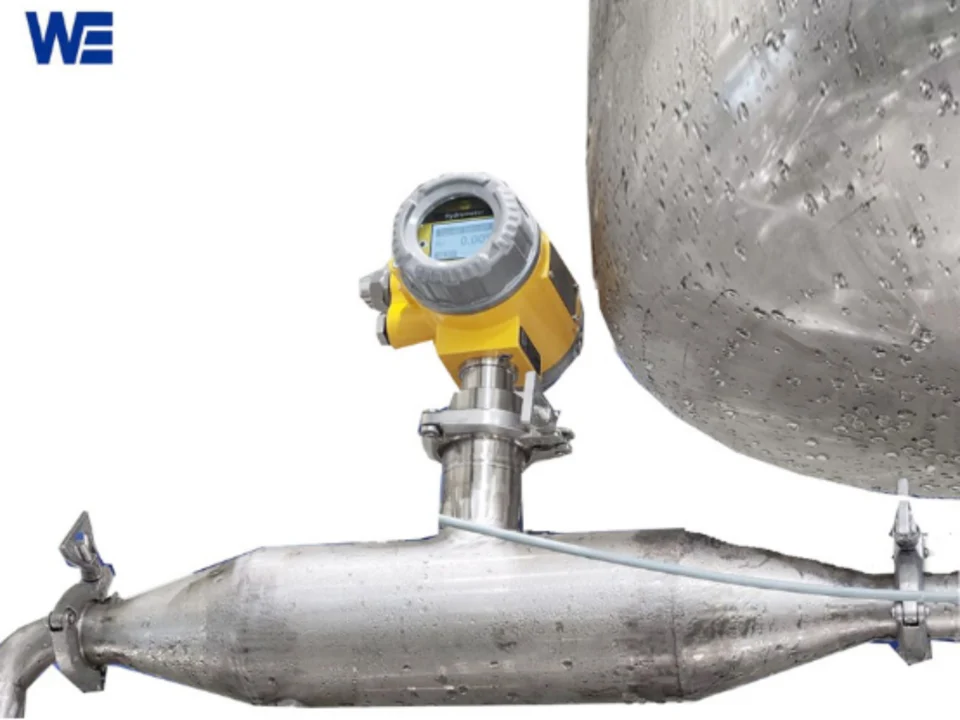
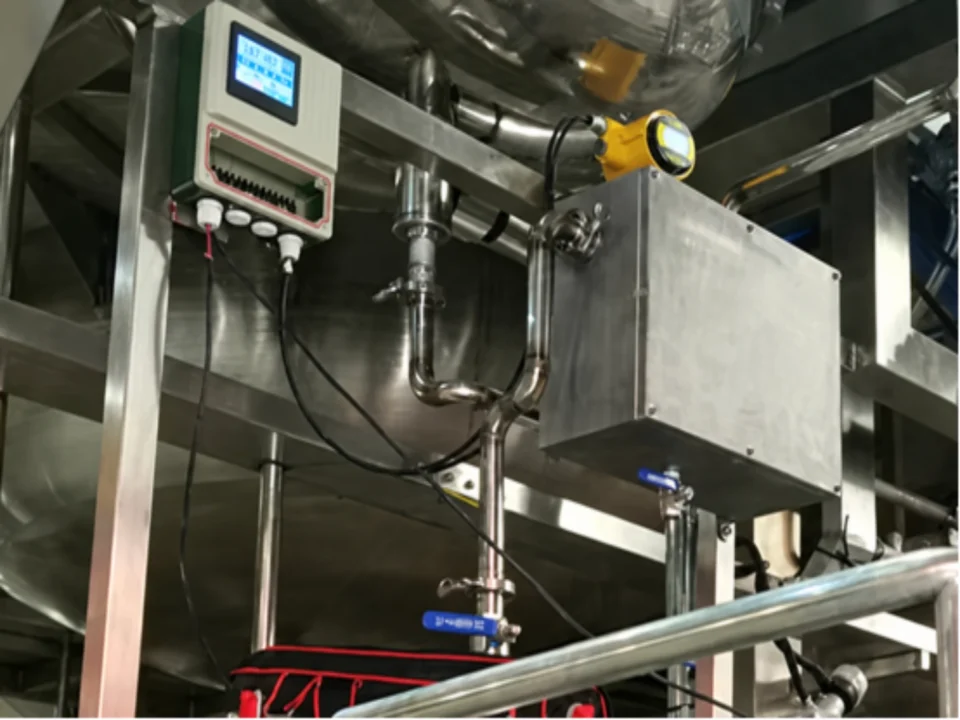
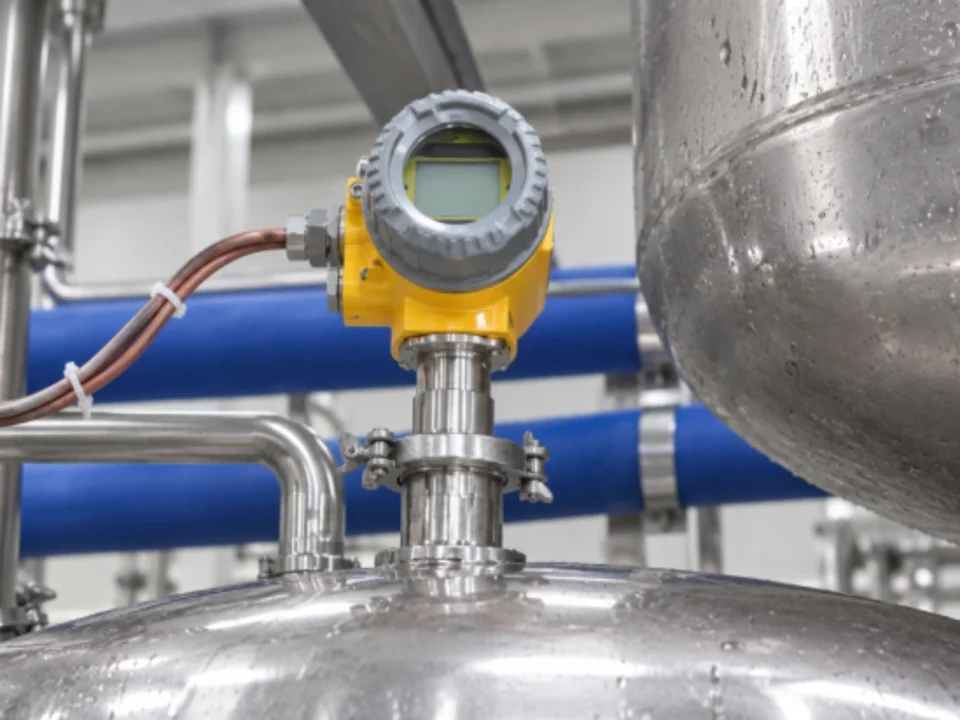
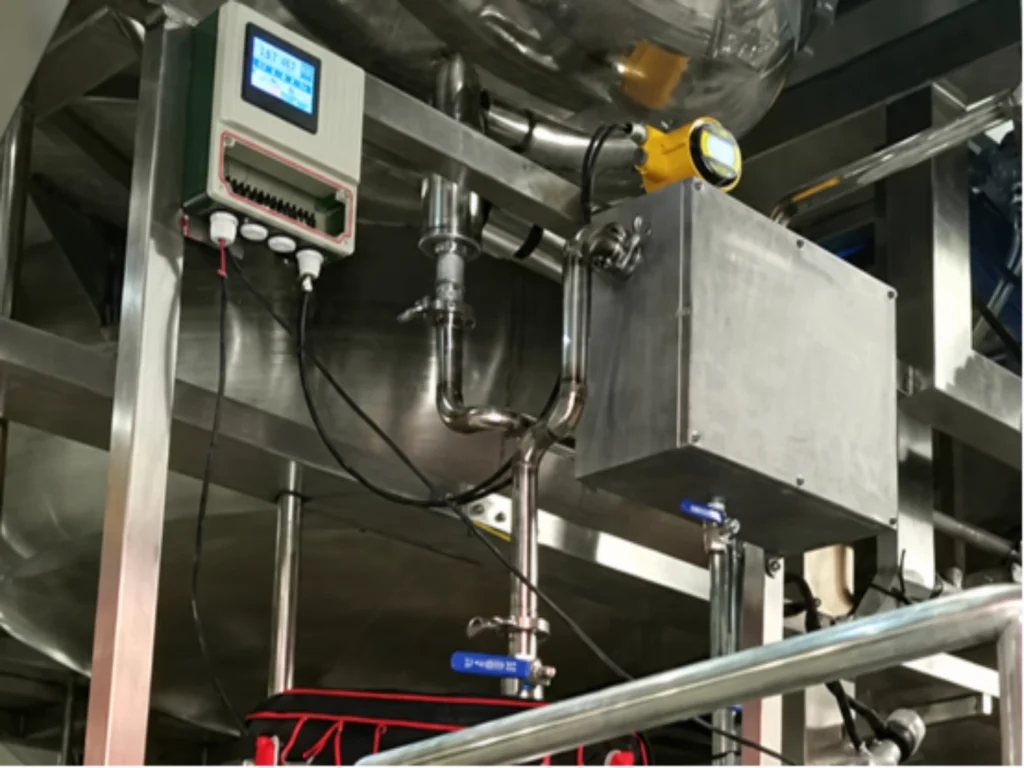
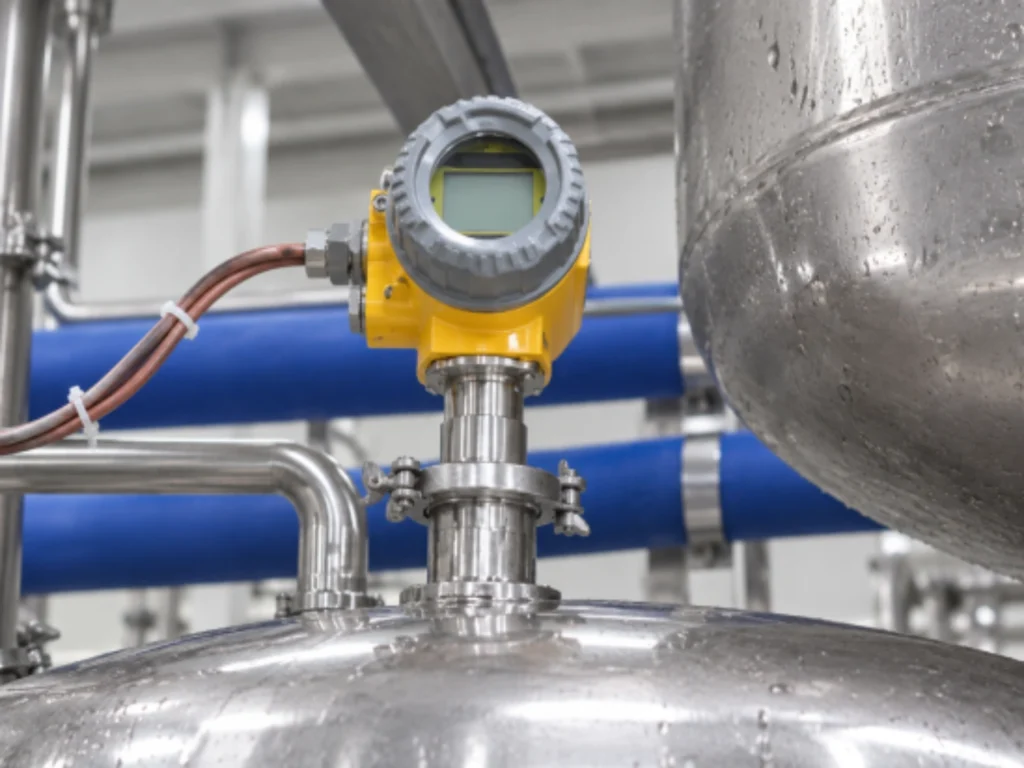
For example, the Tuning Fork Density Meter from Wepower Electronic has an accuracy of ± 0.002 g/cc (± 2 kg/m3). Its repeatability is as tight as ± 0.001 g/cc (± 0.1 kg/m3). The tuning fork online density meter adopts plug-in installation and is widely used in pipelines. These features spot even small changes in liquid makeup right away. This lets workers fix issues quickly.
Real-Time Data Output and Its Impact on Process Optimization
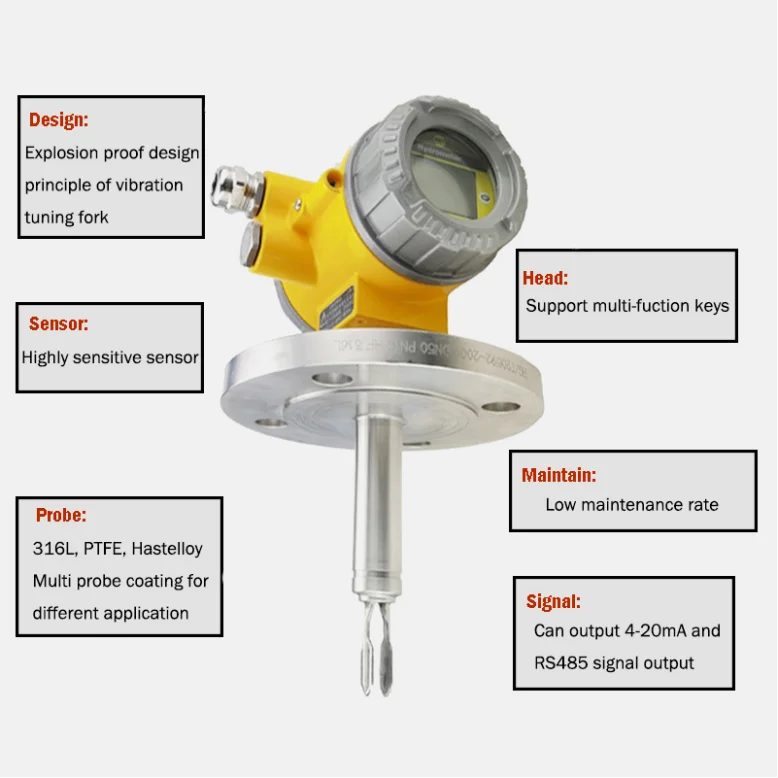
Getting data instantly changes how factories run. Digital density meters, like the WPX301, have built-in temperature sensors and digital outputs, such as 4-20 mA or RS485 Modbus RTU. The sensor works based on the principle of component vibration; the signal is amplified by the circuit on the top. This means workers get updates right away. They can connect this data to automatic systems. As a result, they can tweak flow speeds, mixing amounts, or heating settings on the spot. This reduces waste, increases efficiency, and conserves energy.
2)Applications of Digital Density Meters Across Various Industries
Use in the Chemical and Petrochemical Sectors
In chemical production, exact density measurements keep reactions or mixing processes on track. The WPX301 High Temperature Density Meter shines here. It works at temperatures up to +150°C. For the measurement of liquids over 100℃, it is recommended that customers use high temperature WPX301 density meter. This makes it perfect for handling hot or harsh liquids common in oil and chemical plants.
Importance in Food and Beverage Quality Assurance
For food makers, keeping taste and texture the same across batches depends on accurate sugar, alcohol or other material measurements. These tie closely to liquid density. The WPX301 Density Meter For Alcohol ensures steady checks during fermentation or distillation. WPX301 density meter can be used to measure the density, concentration, and temperature. This cuts down on batch differences and meets quality rules.
Role in Pharmaceutical Manufacturing Compliance
Making medicines requires tight control over ingredients to follow strict rules. The anti-corrosive Digital Density Meter, with PTFE or PFA coating, handles strong solvents used in drug-making safely. For liquids with strong corrosion, we recommend customers to use tuning fork density meter with PTFE or PFA coating. Its high accuracy helps create records needed for Good Manufacturing Practice (GMP) compliance.
3)Advantages of Using a Digital Density Meter in Quality Control Systems
Improved Repeatability and Reproducibility of Results
Consistency matters when checking product quality over many batches. Digital density meters, with repeatability as precise as ±0.1%, remove errors from human handling or changing conditions. Repeatability ± 0.001 g/cc (± 0.1 kg/m3) ±0.1%. Every reading shows the true state of the process.
Reduction of Manual Labor and Human Error
Digital meters cut the need for slow, risky hand-sampling. Tools like the Tuning Fork Density Meter work right in the production line without stopping the flow. The plug-in density meter can perform density detection online in real time. This creates safer workplaces and lets workers focus on bigger tasks.
4)Selecting the Right Digital Density Meter for Liquids: Key Considerations
Factors to Evaluate: Viscosity, Temperature, and Material Compatibility
When picking a digital density meter, think about the liquid’s thickness (up to 600 cP), temperature range (-50°C to +150°C), and what it’s made of (316L stainless steel, titanium alloy). Fluid viscosity range 0–600 cP. Wetted material SS316L(our normal), 2205 Stainless steel, Hastelloy alloy, Titanium alloy. Choosing a deinsty meter that matches these factors ensures it works well for a long time.
Customization Options for Industry-Specific Requirements
Each industry has it’s special needs, just like clean fittings for food or explosion-proof designs for oil plants. Wepower’s meters include options like PTFE/PFA coatings for chemical resistance or extension tubes for high heat. WPX301 with extension tube; recommended that customers use high temperature WPX301. These ensure great performance no matter the job.
5)Future Trends in Digital Density Meter Development and Industrial Quality Control
AI-Powered Predictive Maintenance Using Sensor Data Analytics
As factories get smarter, adding AI to digital meters will predict when they need fixing. By watching data trends, AI can spot wear or small errors before they cause big problems. This keeps machines running longer.
Evolution Toward Compact, Portable, and Multi-Parameter Devices
Future meters will be smaller, easier to carry, and able to measure more than just density. They might check pH or conductivity too. These all-in-one tools will help workers who move between sites.
The Role of Digital Density Meters in Sustainable Manufacturing Practices
Online Density Meters help use resources wisely, like raw materials or energy. They cut waste and keep products consistent. This supports eco-friendly production goals.
Frequently Asked Questions (FAQ)
What Is The Tuning Fork Densitometer Used For?
A fork density meter measures how heavy a liquid is compared to its volume. It uses electronic sensors, like tuning forks or vibrating tubes, to get accurate results. It’s used in industries like oil, food, medicine, and water treatment.
How does a tuning fork digital density meter work?
It works by sensing changes in vibration when placed in a liquid. The shift in frequency shows the liquid’s density. The oscillation frequency is detected by a secondary piezoelectric device fixed at the other end of the fork body.
Can digital density meters measure corrosive liquids?
Yes, they can. Models like the WPX301 Anti-Corrosive version have PTFE or PFA coatings to safely handle harsh chemicals.
Are these devices suitable for high-temperature environments?
Yes! High-temperature models, like the WPX301 high temperature type, work up to +150°C without losing accuracy. It is recommended that customers use high temperature type densitometer.
Can A Vibrating Densitometer Be Integrated Into An Existing System?
Yes of course. Most meters offer standard outputs, like 4-20 mA or RS485 Modbus RTU, which connect easily to systems like PLCs or SCADA. Analog signal output 4-20 mA, RS485 Modbus RTU.
To learn how our instrements can improve your quality control with precise measurements, reach out today! Yantai Wepower Electronic Co., Ltd, based in the coastal city of Yantai, has been making, selling, and supporting automated instruments since 2003. Our skilled team offers 24-hour technical help and after-sale support.