- Have any questions?
- +86 15953537010
- admin@wepower-electronic.com

1)Enhancing Chemical Process Efficiency with Fluid Density Measurement
The Role of Density Meters in Real-Time Process Monitoring
In chemical plants, keeping things safe and making good products is super important. Fluid density meters give you live updates on what’s in the liquids, like how thick or thin they are. This is really helpful for mixing stuff, separating things, or making chemical reactions happen right.
Improving Product Consistency Through Accurate Density Control
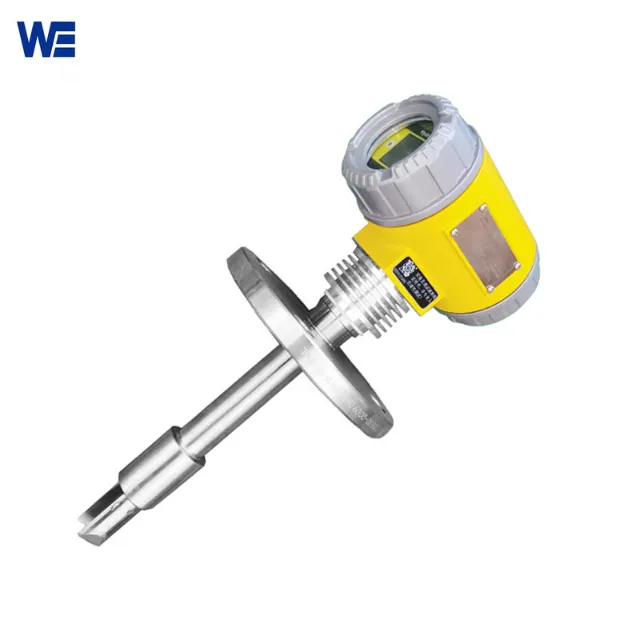
In polymerization or mixing solvents, even tiny changes in the mix can mess up the product. The WPX301 Tuning Fork Viscosity Meter is a super accurate tool. It measures liquid viscosity, density, and temperature, even in tough conditions. This helps keep every batch the same.
Minimizing Raw Material Waste and Reducing Operational Costs
Using Tuning Fork Densitometer helps save materials by making sure you don’t use too much. This saves money over time. Plus, it cuts down on energy because you don’t need to reprocess stuff or heat and cool things extra times. When these meters are part of control systems, they spot problems early. This stops small issues from becoming big, expensive ones. Plus, the meter turns the time it measures into a density reading using its calibration factor.
2)Integration of Fluid Density Meters into Automation Systems
Seamless Communication with Distributed Control Systems (DCS)
Modern fluid density meters have cool features like Modbus RS-485 or analog outputs (4-20 mA). This lets them connect easily to Distributed Control Systems (DCS). The data flows from the meters to the control room in real time. This helps workers see trends, set alarms, and make quick choices to keep things running smoothly.
Enabling Predictive Maintenance Through Continuous Data Collection
Some density meters have tools to check if they’re working right. They can spot things like drift or buildup before it messes up the process. Instrument Diagnostics Ensure meter health by known density verification (KDV) or other meter and device with diagnostic capabilities. This means you only fix stuff when it really needs it, which cuts down on surprise shutdowns.
Supporting Closed-Loop Control for Enhanced Process Stability
By sending density data to control systems, plants can automatically tweak things like flow, temperature, or material amounts. This keeps everything steady without people having to step in. It makes things safer, keeps products consistent, and cuts down on mistakes in big chemical plants.
3)Advantages of Using Tuning Fork Viscosity Meter in Process Optimization
Measuring Density And Concentration Simultaneously
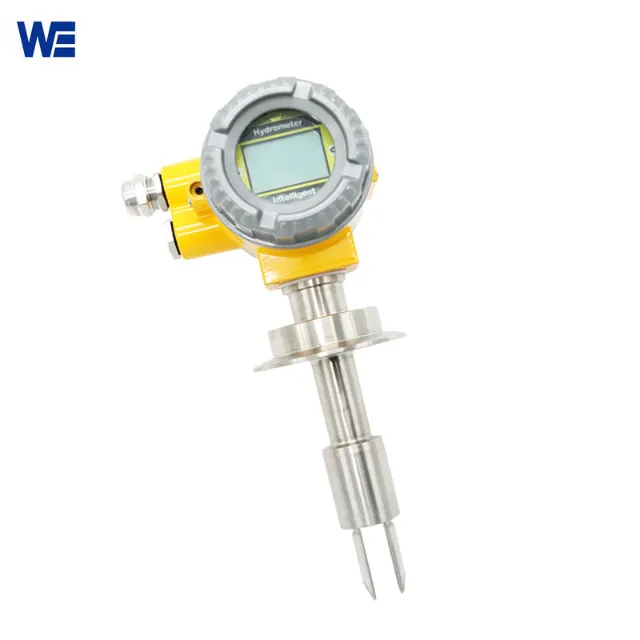
Wepower’s tuning fork density meters are excellent at measuring density and concentration simultaneously.You can add temperature and pressure info to make the readings even better. This saves money since you don’t need extra tools and gives you a full picture of how the liquid acts during processes like polymerization or fuel mixing.
Compact Design for Easy Installation in Tight Spaces
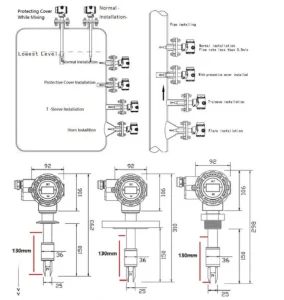
Chemical plants often have tight spaces. The Tuning Fork Viscosity Meter has a small design thanks to its short tuning fork technology. This makes it easy to add to pipes or tanks without big changes. It’s like a plug-and-play tool, so it’s no big deal to set up, even in older plants.
Applications in Polymerization, Blending, and Solvent Recovery
These meters are used a ton in processes like mixing solvents, making polymers, or recovering solvents. They give live feedback to make sure reactions happen just right without wasting chemicals.
4)Differential Pressure Density Meter Applications in Industrial Processes
Measuring Slurry and Emulsion Densities with High Accuracy
Differential Pressure Density Meters are awesome for measuring thick slurries or emulsions, like those in mineral processing or specialty chemicals. Their tough build and steady readings work great, even when the flow changes.
Optimizing Separation Processes and Settling Tanks
In units like decanters or settling tanks, knowing the exact line between different layers helps get more product out without mixing stuff up. By checking the density of incoming materials, workers can adjust flow based on real conditions, not guesses.
Enhancing Reaction Efficiency by Monitoring Feedstock Densities
Keeping the right mix of reactants boosts yield and cuts down on waste. Differential Pressure Density Meters give this info before materials go into reactors, so you can control the mix better.
5)Vibration Fork Density Meter as a Versatile Solution for Complex Fluids
Accurate Readings Across a Wide Range of Temperatures and Pressures
Vibration Fork Density Meters are built to stay accurate, even in hot or high-pressure spots like reactors or distillation columns. RTDs measure vibrating fork temperature, and Micro Motion transmitters use this to keep performance steady in all kinds of conditions.
Ideal for Corrosive, Abrasive, or Multi-Phase Fluids
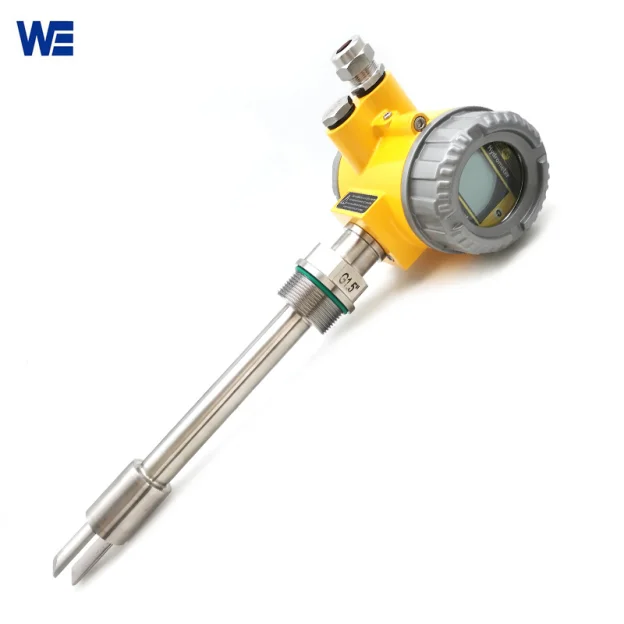
These meters are made from tough stuff like stainless steel 316L. They use smart vibration tricks to handle harsh liquids, like acids, alkalis, or slurries with bits in them, without losing accuracy. Extensive research has resulted in tuning fork designs that work for all liquids, including coating fluids (eliminating tuning forks sticking lap), aerated fluids, and slurries.
Applications in Batch Processing, Filtration, and Crystallization
These sensors are super common in batch processes. They help figure out if a reaction is done or if the material is ready straight from reactors or filters.
Frequently Asked Questions (FAQ)
What is a fluid density meter?
A fluid density meter checks how much mass is in a liquid’s volume. It uses things like vibration changes or pressure differences, depending on the meter type.
How do Tuning Fork Viscosity Meters differ from traditional sensors?
Tuning Fork Viscosity Meters measure both viscosity and density at once with vibrating forks in the liquid. This gives more info than older tools that only check one thing.
Can I use a Vibration Fork Density Meter with corrosive chemicals?
Yup, these meters are made with strong materials like stainless steel 316L. They’re great for tough stuff like acids or alkalis in chemical plants.
Are these sensors easy to integrate into my existing control system?
Totally! Most have standard connections like Modbus RS-485 or 4–20mA analog output, so they work with Distributed Control Systems (DCS) no problem.
How does real-time fluid density monitoring reduce operational costs?
By watching density all the time, you avoid using too much material. This cuts waste and keeps products good, saving money every time.
For custom solutions made just for your needs, check out Wepower Electronic Co., Ltd.’s customization service. Since 2003, Wepower Electronic in Yantai has offered top-notch tools with expert support available 24 hours on workdays. Contact them to learn more!