- Have any questions?
- +86 15953537010
- admin@wepower-electronic.com

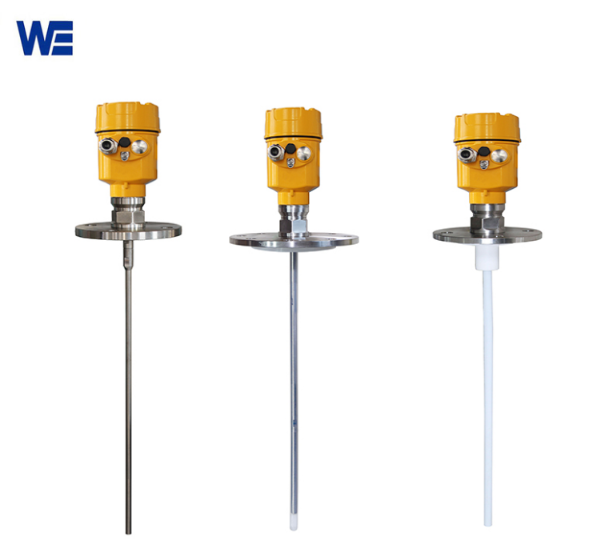
1)Key Performance Parameters That Define Radar Level Transmitter Efficiency
Frequency Selection and Its Role in Measurement Accuracy
The frequency of a Radar Level Transmitter is super important for how well it works. It affects accuracy, clarity, and how it handles different work environments. Like the WERD-800 Series from Wepower Electronic, run at 26GHz. This frequency gives a nice mix of going through materials and getting clear results.
Higher-frequency options, like the WERD-9X Series, use an 80GHz FM continuous wave radar system. These give even better precision. Their accuracy can reach up to ±2mm, and they have a tiny blind area of just 0.1m. This makes them great for jobs needing very exact measurements or where space is tight, so smaller antennas are needed.
Signal Strength and Power Output Considerations
The power of the radar’s signal decides how well it can pass through things like vapors, foam, or dust before coming back. For Guided Wave Radar systems, like the WERD-60X Series, the power sent out is very low. These systems work with pulses and can be used in all kinds of containers, metal or not. They’re safe for people and the environment. Even with low power, they send signals reliably through tricky materials.
For non-contact systems, like the WERD-800 or WERD-9X Series, stronger signals come from focused beam antennas. These send out narrow pulses. The radar sends and gets signals about 80 times every second. A computer inside the radar figures out the time between sending and receiving waves. It does this by finding the average, making results very dependable.
Beam Angle and Its Impact on Target Resolution
The beam angle changes how focused the radar signal is when it hits the material’s surface. A tighter beam angle makes it easier to focus on the target. It reduces mix-ups from tank walls or objects inside. The WERD series uses special lens antennas. These have a smaller launch angle, so the energy is more focused. This creates a stronger echo signal. As a result, the radar can measure accurately, even in tanks with obstacles like pipes or supports.
2)The Influence of Environmental Conditions on Radar Transmitter Performance
Temperature, Pressure, and Dust Interference
Factories often have tough conditions, like super hot or cold temperatures or high pressure. These can make the normal transmitters hard for regular sensors to work well. Guided Wave Radar (GWR) transmitters are built strong. They use a probe to measure, which makes them great for harsh places. The WERD-60X Series, for example, works in high temperatures, high pressures, and even with materials that don’t reflect signals well.
Dust in the air can mess up signals for non-contact radars. It scatters the waves. However, high-frequency radars with narrow beams fix this problem. They focus energy on the material’s surface, so dust doesn’t cause as much trouble.
Moisture, Steam, and Condensation Challenges in Industrial Settings
Tanks with lots of moisture, like those filled with steam, can mess up radar signals. Guided Wave Radar (GWR) just solves this problem, because its signal travels along a probe, not through the air. This makes the GWR less affected by things like vapor clouds, rough surfaces, or weak signal reflections. So, it’s super reliable in steamy or wet places.
Non-contact radars, like the WERD-9X, also do well in these conditions. Non contact radar level meters use smart programs and high-frequency signals to improve the signal-to-noise ratio. This means they can still get clear readings, even when there’s steam or moisture around.
3)Guided Wave Radar Level Transmitter: Precision in Challenging Applications
Working Principles and Advantages in Narrow or Confined Spaces
Guided Wave Radar Level Meters transmit microwave pulses down a metal rod or cable into the tank. When these waves hit a material with a different reflective property (like water), part of the pulse bounces back. The radar uses this to figure out the material’s level. High-frequency pulses travel along the rod or cable. When they meet the material, they reflect. The radar measures the time and distance to know the level.
This probe-guided method makes GWR very accurate, even in small tanks. In narrow spaces, non-contact radars might get confused by reflections from walls. But GWR avoids this problem because the signal stays on the probe.
Material Compatibility and Probe Design for Process Optimization
Choosing the right probe is key. It depends on the tank’s shape and the material inside. For example:
- Cable probes work best in tall tanks with liquids.
- Rod probes are better for short tanks or sticky materials.
Wepower Electronic offers custom probe designs in the WERD-60X Series. These match specific needs, making sure the radar works perfectly for the job.
4)Exploring the Capabilities of Non Contact Radar Level Transmitter Technology
Benefits in Hygienic, Corrosive, or Hazardous Environments
Non Contact Radar Level Transmitter, like Wepower’s 26G, 80G radars are awesome for clean environments. They don’t touch the material, so there’s no risk of making it dirty. This is great for food or medical industries. Their sealed antenna design also handles harsh chemical vapors without breaking down.
In dangerous places with flammable gases, non-contact radars are safer. They don’t need to touch anything, which lowers the chance of sparks. Plus, they can monitor levels from far away, keeping workers safe.
Maintenance Reduction and Lifecycle Cost Advantages
Non-contact radars have no moving parts and don’t touch materials. This means:
- They don’t wear out easily.
- They don’t need much cleaning.
- They rarely break down, so there’s less downtime.
These benefits save money over time compared to older systems, like mechanical floats or sensors that touch materials.
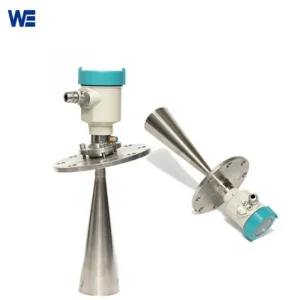
5)How Installation Variables Affect the Usage Effect of Radar Level Transmitters
Antenna Positioning and Mounting Techniques
Setting up the radar correctly is super important. The antenna needs to point straight at the material’s surface. It shouldn’t be blocked by things like mixers or ladders inside the tank. The reference plane for measurement is the bottom of the thread or the flange’s sealing surface. Proper setup stops wrong readings caused by signals going the wrong way.
Dead Zones, Obstructions, and False Echo Management
Every radar has a “dead zone.” This is a small area near the antenna where it can’t measure accurately. When using the radar level timer, make sure the highest material level doesn’t enter this dead zone. Advanced software in devices like the Wepower’s 80G Radar Level Meter filters out fake signals from tank walls. It uses smart programs to ensure only real signals are used for measurements.
Frequently Asked Questions (FAQ)
Q: Should I choose guided wave or non-contact radar for my application?
A: If your tank has obstacles inside or deals with extreme conditions like high pressure, heat, or steam, Guided Wave Radar, like the WERD-60X, is more reliable. Its probe keeps measurements accurate. For clean or corrosive environments where touching the material isn’t allowed, non-contact radars like the WERD-800 or WERD-9X are better choices.
Q: What’s typical accuracy for these instruments?
A: Non-contact radars usually have accuracy between ±2 mm and ±5 mm, depending on the frequency. Guided Wave Radar (GWR) is often more precise, reaching up to ±1 mm. This is because GWR isn’t affected much by vapor clouds or rough surfaces.
Q: Will sticky substances affect readings?
A: Sticky materials can build up on GWR probes over time, which might cause problems unless you clean them regularly. Non-contact radars, like the WERD-800, avoid this issue. They don’t touch the material, so sticky stuff doesn’t affect them.
Q: Do these sensors require regular servicing?
A: Most modern radars, like those from Wepower Electronic, need very little care. They have no moving parts, especially non-contact models like the WERD-9X. Their smooth antennas resist buildup, so they stay reliable with minimal upkeep.
Q: Where are these technologies commonly applied?
A: Many industries use these radars. Chemical plants like them for handling corrosive materials. Food and beverage industries use them for clean, safe measurements. Wastewater treatment plants benefit because they handle foam and dust well. Oil and gas industries use them in dangerous areas since they’re certified for safety.
To learn more about how these smart solutions can improve your work and save money, contact Yantai Wepower Electronic Co., Ltd. They’ve been in Yantai since 2003 and offer custom services. Their team provides 24-hour help from skilled engineers to support your automation goals!