- Have any questions?
- +86 15953537010
- admin@wepower-electronic.com

Tank level sensors are important in making sure of accurate and dependable tracking of liquids in big tanks. Whether it’s to stop expensive spills, meet rules, or improve work flow, picking the correct sensor kind can really change how well things run and stay safe. From contact type level meter to those using radar, knowing how each one runs and where it works best is key for any worker or tech person in control jobs.
Purpose and Importance of Tank Level Monitoring Systems
A tank level monitoring system is made to keep measuring and watching the amount of medium—like water, chemicals, or oils—inside a tank. These setups are key in fields from water cleaning to food making because:
- They stop tank spills and leaks that could cause machine breaks or harm to nature.
- They make sure rules are followed by keeping good records of liquid amounts.
- They help make jobs smoother by sending live data to control setups for smarter choices.
Steady watching cuts down mistakes from people, especially in spots where hand checks would be risky or hard.
Common Types of Tank Level Sensors
There are a few sensor kinds fit for different stuff and settings:
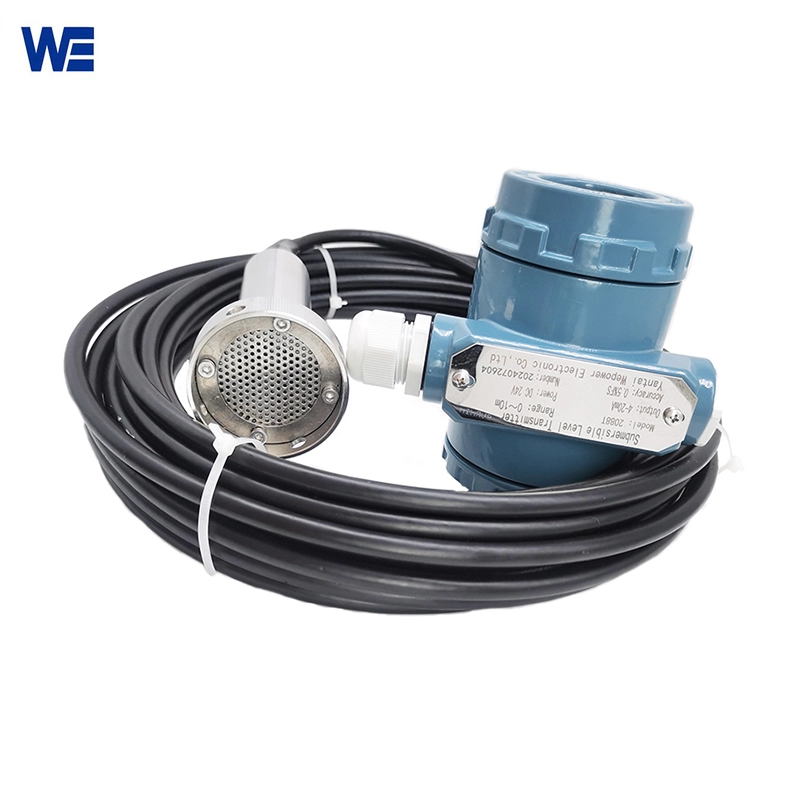
- Submersiblelevel meters: Put right into the liquid, they do well in deep tanks or wells.
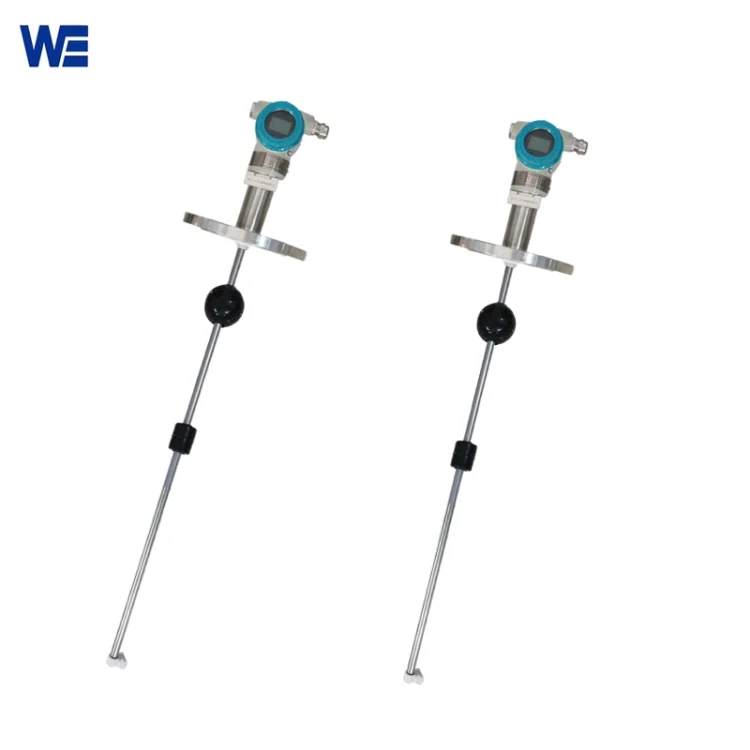
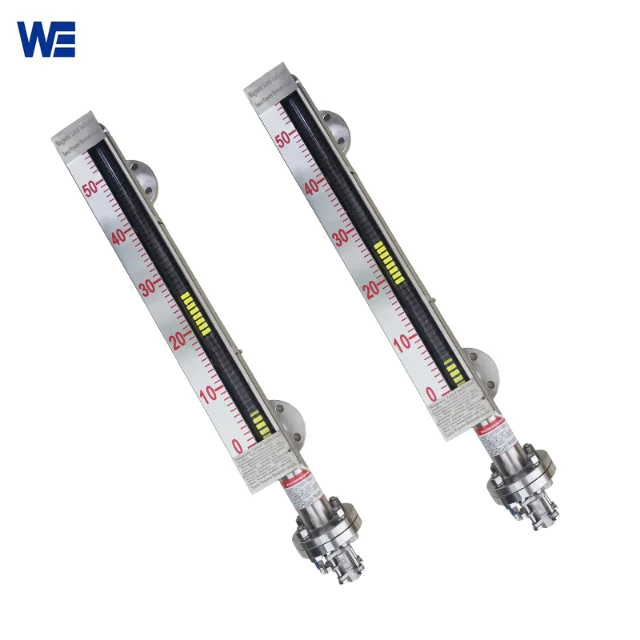
- Floatlevel sensors: Use floating to spot level shifts in a machine way or with magnets.
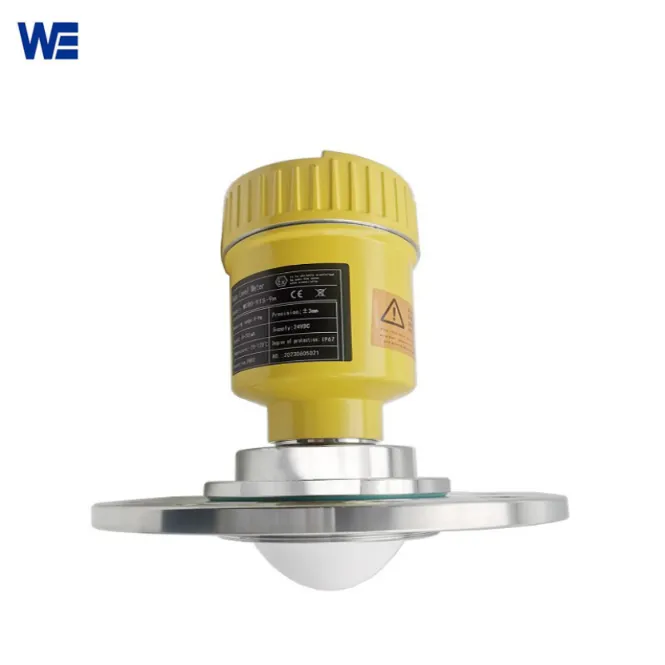
- Radarlevel transmitters: Use no-touch measuring with microwave bursts for top accuracy jobs.
Each sensor type fits certain uses based on tank shape, liquid traits, and outside factors.
Submersible Tank Level Sensors
Working Principle of Submersible Liquid Level Sensors
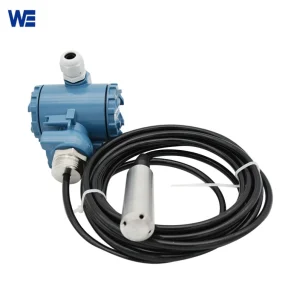
Submersible level sensors work on water pressure. When dipped in a liquid, the sensor picks up the push from the fluid stack above it. This push matches the liquid’s depth, so the sensor figures out the level. Usually set at the tank’s base, these probes give steady and firm readings.
Key Features and Advantages of Submersible Sensors
Submersible sensors get picked in many work scenes because of their easy build and toughness.
Their straight-touch design gives strong measurement truth, even in slim or deep tanks. With few parts that move, they need little upkeep and last a long time.
Wepower Electronic offers a bunch of submersible sensors that see wide use in control tasks. Their tools often get chosen for chemical spots and waste water setups where dependability counts most.
Float Tank Level Sensors
How Float Liquid Level Sensors Operate
Float ball liquid level sensors count on a floating part that goes up or down with the liquid top. This float links to a switch—either machine-like or magnetic—that turns on as the float spot changes. The turned-on switch then sends a sign showing the liquid level.
Benefits and Limitations of Float Sensors
Float sensors see wide use due to their cheap cost and simple setup:
- They work fine in calm spots where liquids stay pretty still.
- But wear from use over time can hurt how true they are.
- These sensors might not do great with thick or sticky liquids that block float moves.
Yet, for basic tank watching jobs—like in small use tanks—they stay a handy pick.
Radar Tank Level Sensors
Operating Mechanism of Radar Tank Level Measurement
Radar level sensors send out fast microwave signs that hit the liquid top and bounce back. The sensor works out the level from the time the sign takes to return. Since these sensors don’t touch the liquid, they’re good for cases where dirt or matching stuff is a worry.
Advantages of Using Radar for Tank Monitoring
Radar tech does well in tough work spots. It runs steady under high heat, pushes, and steams. The no-touch way means less fix-up and no chance of rust or gunk on sensor bits. Some models can give exact measures even with foam or steam layers.
For makers like Wepower Electronic—who build advanced radar level transmitters—this tech is main to giving smart auto solutions across fields such as oil cleaning and drug making.
Remote Monitoring Solutions for Tank Levels
Functionality of Wireless Tank Monitoring Systems
Current tank level monitoring systems often have wireless features. These setups let live data send from sensors to cloud spots or SCADA screens. Workers can watch many tanks in various places without being there.
Features include:
- Set alarms for high or low level marks
- Safe data saving and far access
- Battery-run choices for out-of-way spots
Integration with SCADA and IoT Platforms
Many tank level sensors now fit smooth into SCADA (Supervisory Control And Data Acquisition) and IoT platforms. This fit lets:
- Central hold over big jobs
- Guess-ahead fixes using trend checks
- Good use of stuff through auto reports
These fits are extra useful for places handling key tasks like chemical adding or clean water supply.
Choosing the Right Liquid Level Sensor Technology
Factors Influencing Sensor Selection
Picking a tank level sensor rests on a few things:
- Kind of liquid: Is it eating-away, easy to burn, or safe for food?
- Tank size: Tall tanks might need wide-range or submersible sensors.
- Outside settings: Are there big heat changes or push shifts?
Also think about setup limits such as spots to mount or wire bounds.
Comparing Contact vs Non-contact Technologies
Both touch and no-touch choices have their spots. Touch sensors like floats or submersibles give true readings at less cost but might need more cleaning often. No-contact radar sensors cut dirt risk and wear but cost more in general. In the end, the top pick weighs what you need against cash and fix skills.
Maintenance and Calibration Best Practices
Ensuring Long-Term Accuracy and Reliability
To keep top run:
- Stick to a steady check plan based on maker tips.
- Clean sensor faces now and then to clear dirt or chemical gunk.
- Check wires and links for rust or harm.
Usual looks help make sure your tank level monitoring system doesn’t slip off mark over time.
Troubleshooting Common Sensor Issues
Usual problems include:
- Sign shift from sensor getting old
- Wrong readings from foam stacks or steam mess
- Full sign loss from wire faults
Fixing these quick can stop surprise stops or job breaks.
Applications Across Industries
Industrial Use Cases for Tank Level Sensors
Tank level sensors get used wherever holding liquids is part of jobs. In chemical work plants, they handle strong liquids safe. Water cleaning spots count on them for watching several big pools at once.
In food and drink making, clean designs back health needs while keeping truth. Companies like Wepower Electronic help these fields by giving dependable level measure tools fit to real job needs.
Trends in Liquid Level Sensing Technology
Advances in Sensor Design and Materials
New changes include:
- Better covers and stuff for stronger fight against chemicals
- Smaller shapes letting setup in tight areas
- Built-in electrics cutting need for outside changers
These steps make sensors tougher and handier than before.
Role of Digitalization in Tank Monitoring
Digital change keeps shifting how tank levels get watched:
- AI ways now filter mess from radar signs, boosting truth
- Cloud-linked setups let far checks, updates, and all-day access via phones
The mix of sensing gear with digital spots boosts choice-making at every job level.
FAQs
Q: What is the tank level sensor used for?
A tank level transmitter is used to measure the level of liquid, solid or powder is inside a storage tank at any given time.
Q: Which type of sensor is best for corrosive liquids?
The non-contact radar level transmitters are typically best for harsh chemicals.
Q: Can radar sensors detect foam-covered liquids?
Yes of course, high-frequency radar sensors can penetrate foam layers to accurately detect the true liquid surface.
Q: How often should tank level sensors be calibrated?
It depends on usage conditions, but annual calibration is a common practice for industrial applications.