- Have any questions?
- +86 15953537010
- admin@wepower-electronic.com

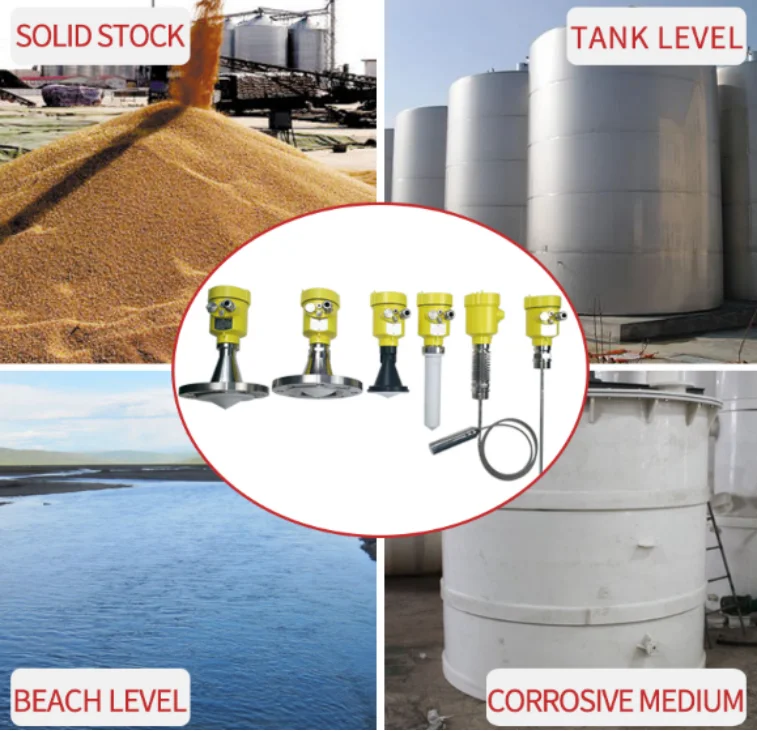
1)Differences Between 80G Radar Level Transmitter and Guided Wave Radar Level Transmitter
Signal Transmission Methods: Non-Contact vs Contact Measurement
Wanna know how 80G Radar Level Transmitter and guided wave radar level transmitter work? They both use microwaves, but they send signals totally differently. 80G radar level meter, or non-contact radar, shoots microwaves through the air. They bounce off whatever’s in the tank—liquids, solids, you name it. The antenna sits up top, not touching anything.
But guided wave radar level transmitter? It sends microwaves along a probe that’s dunked right into the tank. That contact keeps the signal steady, even in crazy spots with lots of vapor or waves.
Installation Requirements and Mounting Considerations
Non-contact radar level transmitters, like the WERD-9X series, are super easy to set up. They don’t touch the stuff inside. The antenna fires a tight microwave pulse downward.
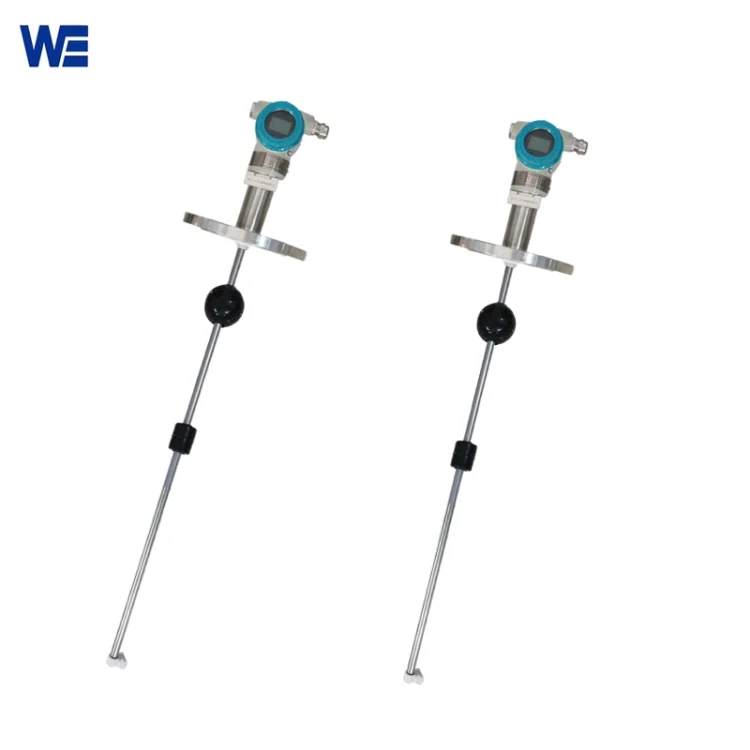
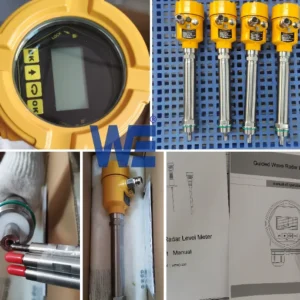
Guided Wave Radar Level Transmitters, like the WERD-60X Series, need a probe stuck into the tank. Thanks to their special connections and parts, the Guided Wave Radar Level Meter handles all kinds of tricky setups. You just gotta make sure the probe fits just right!
Material Compatibility and Process Conditions
80G Radar level transmitters do great with most stuff—liquids, slurries, even solids. But they can trip up with things that don’t reflect well, like low dielectric materials or tanks with lots of steam. Guided wave radar level transmitters are way better here. Their signal sticks to the probe, so they don’t care about dielectric constants, vapor clouds, or choppy surfaces.
Plus, guided wave radar level transmitters are tough enough for wild conditions like super high pressure or crazy hot temperatures.
Measurement Accuracy and Reliability in Various Applications
Both Non contact level meter and guided wave radar level transmitter are super precise. But guided wave radar usually wins out a bit. It hits accuracies of ±1 mm to ±3 mm. Non-contact Radar Level Transmitters are close, with ±2 mm to ±5 mm. In tight tanks or ones with foamy stuff, guided wave radar stays super steady since its signal doesn’t scatter all over.
2)Benefits of a Guided Wave Radar Level Transmitter
High Precision in Narrow or Confined Tanks
In tiny tanks or ones with wild, wavy stuff, guided wave radar level transmitters shine. Their signal zooms right along the probe, so it’s super accurate even in tight or choppy spots.
Performance with Low Dielectric Constant Materials
Stuff like oil has low dielectric constants, which can mess up non-contact radar signals. Guided wave radar level transmitters don’t sweat it! Their high-frequency microwave pulses zip along the probe—steel cable or rod—and bounce back clear as day, no matter what’s in the tank.
Cost-Effectiveness for Specific Industrial Applications
For regular tanks in controlled spots, like water treatment plants, 80G liquid radar level sensor give awesome results without costing a ton.
3)Choosing Between 80G Radar Level Transmitter and a Guided Wave Radar Level Transmitter
Factors to Consider Based on Tank Geometry and Material Properties
Got a tank with baffles, or foamy stuff? Guided wave radar level transmitters are your go-to. Their signal stays on the probe, so it’s not thrown off by surface mess. For big, open tanks with messy liquids, radar level transmitters are better since they don’t touch anything.
Comparing Performance in Liquids, Solids, and Interface Measurements
Both 80G radar level transmitter and guided wave radar level transmitter are great for liquids. But for tricky interfaces—like oil on water—guided wave radar is the champ. It spots both layers super clear. For solids, high-frequency radar level transmitters, like the WERD-9X series, They are awesome for powdery stuff.
4)Why the Best Guided Wave Radar Level Sensor in 2025 Is Worth Considering
Technological Advancements Improving GWR Performance
The best guided wave radar level sensor in 2025 has super smart echo tricks. These help it see clearly even through foam or thick vapors. That means fewer wrong readings and rock-solid results.
Integration with Modern Control Systems and IoT Platforms
Today’s guided wave radar level transmitters hook up super easy with modern systems. They send out 4-20mA signals that plug right into automation setups like PLC or DCS. Some even work with IoT networks for checking stuff from far away.
Features That Define the GWR Level Transmitter
Wepower’s GWR Level Transmitter can measure liquids, solids, and even interfaces between two liquids. They’ve got self-checks to warn you about fixes and tiny probes for small tanks. Plus, they save power with pulsed modes. Talk about a total win!
Wepower Electronic’s Expertise in Radar Level Measurement Solutions
Wepower Electronic Co., Ltd., chilling in Yantai since 2003, is a pro at making automated gear. They’ve got three big stars: Radar Level Sensor (26GHz), WERD-60X Series Guided Wave Radar Sensor (probe-based), and FMCW 80g Radar Level Meter
FAQs
What is a guided wave radar level transmitter?
A guided wave radar level transmitter uses microwaves sent along a metal rod or cable inserted into a tank; it measures how long it takes for those waves to bounce back after hitting material surfaces inside.
When should I choose a non-contact radar over guided wave?
When handling granular powders, operating in dusty conditions, or requiring strict hygiene, consider using non-contact radar because it doesn’t come into contact with the tank contents. Guided wave radar, on the other hand, requires an inserted probe.
Can I use guided wave radar sensors for solid materials?
Yes—but only under certain conditions like fine powders; sticky solids may coat probes leading to inaccurate results or higher maintenance needs.
Are guided wave radars affected by steam or foam?
Not significantly—their signal travels along a physical guide so steam layers or foam do not interfere much compared to free-space radars which rely on open-air reflection paths.
To learn more about optimizing your operations using our advanced radar solutions—We at Wepower Electronic Co., Ltd., situated in the seaside city of Yantai since 2003, are ready with expert guidance tailored just for you.