- Have any questions?
- +86 15953537010
- admin@wepower-electronic.com


1)Key Considerations Before Installing a Radar Level Transmitter
Site Selection Criteria for Optimal Performance
Picking the right spot for a Radar Level Transmitter is very important. You need a clear path for the antenna to see the material’s surface. Stay away from places with things like ladders, mixers, or pipes. These can bounce signals and cause wrong readings. For tank radar level transmitter setups, make sure the tank’s top gives a straight view of the material.
Environmental Factors That May Affect Signal Accuracy
Ambient conditions may affect signal clarity. Things like steam, dust, or foam can cause problems. The radar level transmitter’s accuracy depends on the material’s dielectric constant, vapor clouds, or rough surfaces. In dusty places like silos, try using millimeter-wave radars like the WERD-9X Series 80G Radar Level Meter. It handles interference well.
Compatibility with Existing Process Systems
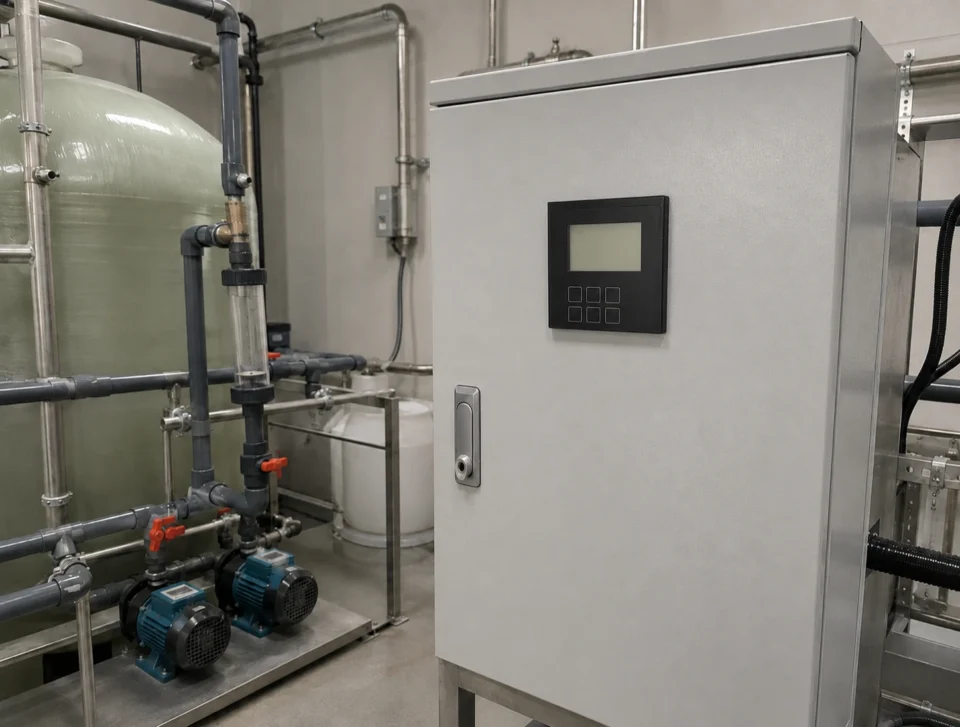
Before you start, check if the radar level transmitter works with your current control systems, like PLCs or DCS. It should send a 4-20mA signal to connect with automation systems for tank level control. Make sure the power supply matches. Also, ensure there’s enough room for wires and repairs.
2)Step-by-Step Installation Process of a Radar Level Transmitter
Preparing the Mounting Location and Tools
First, gather all needed tools, like wrenches, screwdrivers, and a multimeter. Clean the mounting spot well to keep dust or dirt from harming the sensor. For silo radar level measurement, set up safe scaffolding or platforms.
Proper Mounting Techniques for Accurate Measurements
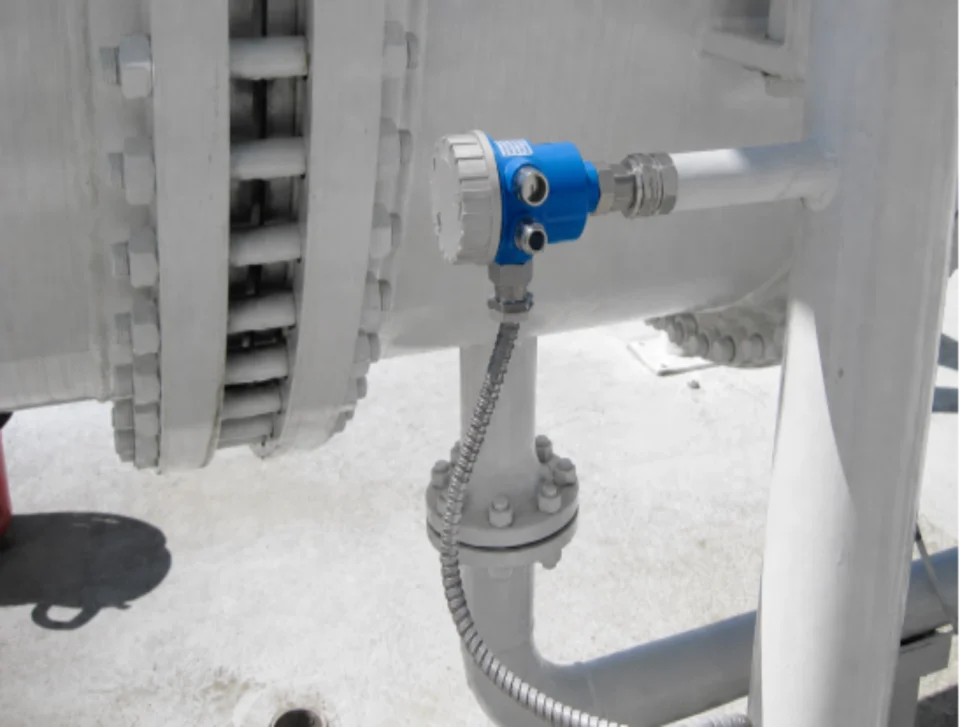
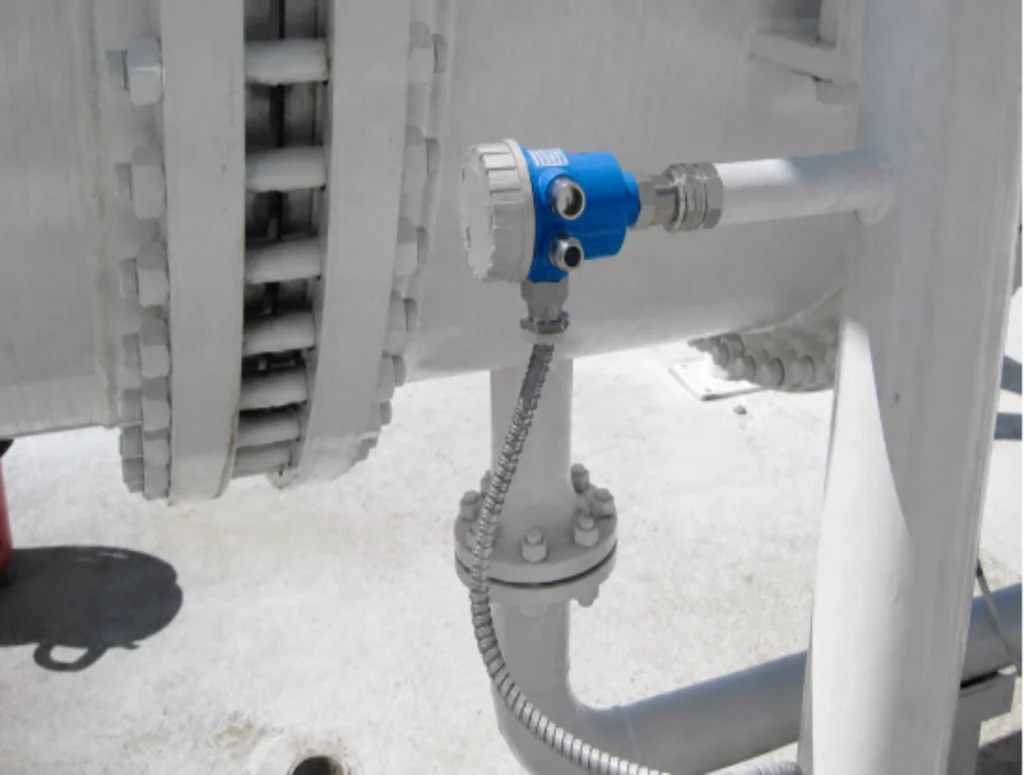
Mount the transmitter straight, so it faces the material’s surface directly. This helps get good signal reflections. The reference plane is the thread’s bottom or the flange’s sealing surface. Don’t put it near tank walls or nozzles, as they can create false echoes. Wepower’s 80G radar level sensor has a narrow beam, great for small spaces.
Electrical Wiring and Power Supply Configuration
Follow the maker’s guide for connecting power and signal wires. Use shielded cables to cut down on electrical noise. Ground the system well to avoid damage from power surges.
Commissioning and Initial Configuration Settings
After mounting, set up the device. Adjust settings like range, low point, high point, and blind zone. Be careful: the material’s highest level must not enter the blind zone . Use software from companies like Wepower Electronic Co., Ltd. Customization Service to tweak settings.
3)Calibration and Testing After Installation
Performing Initial System Diagnostics
Right after setup, use built-in tools to check signal strength, noise, and echo patterns. This helps spot problems early.
Adjusting Measurement Parameters for Improved Accuracy
Tweak range settings to match the tank’s real size. For Tank Radar Level Transmitter use in narrow tanks, adjust sensitivity to ignore side echoes.
Verifying Output Signals with Control Systems
Link the output signals to PLC or DCS systems. Check if real-time readings match manual measurements taken during setup.
4)Safety Precautions During Radar Level Transmitter Installation
Personal Protective Equipment (PPE) Requirements
Always wear safety gear like gloves, goggles, helmets, and harnesses. This is extra important when working high up in silos.
Ensuring Safe Handling of Electrical Components
Turn off all power before wiring. Use insulated tools when working with live wires during setup.
Lockout/Tagout Procedures to Prevent Accidental Startups
Use lockout/tagout steps when working on active tanks or silos. This stops machines from starting by accident, which could hurt workers.
5)Troubleshooting Common Issues in Guided Wave Radar Level Transmitter Installations
Signal Loss or Fluctuation Causes and Solutions
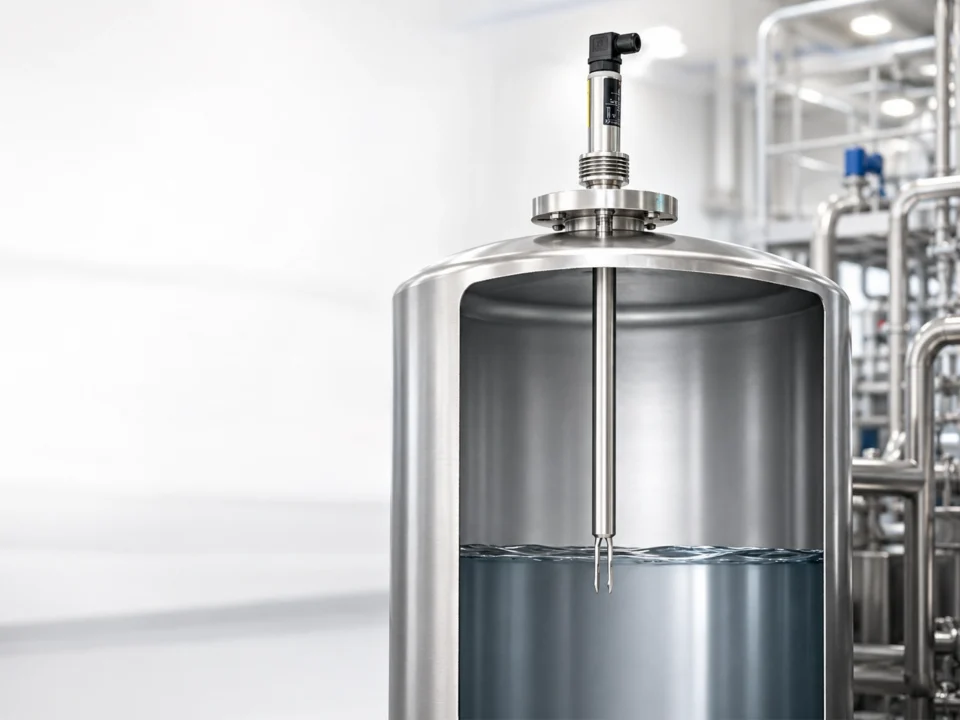
If signals drop or change, check for sticky buildup on the probe. Clean it if needed. Make sure the material’s dielectric constant fits the device’s specs, as low values weaken reflections.
Addressing False Echoes in Narrow or Obstructed Tanks
Use echo mapping in advanced models like the WERD-9X series to block false signals from tank structures.
Diagnosing Communication Errors with Control Systems
Check wires with a multimeter to ensure they’re connected. Confirm baud rates match between the device and controller. Update drivers for digital systems like Modbus RTU.
FAQ Section
Q: What applications are ideal for guided wave radar level transmitters?
A: They work great in high-pressure or high-heat places, like chemical tanks, where contact measurement is okay. They stay accurate even with vapor or foam.
Q: Should I use a non-contact radar level transmitter or a guided wave version?
A: For rough surfaces or changing dielectric constants, like in open silos, a non-contact model like the WERD-9X works well. Guided wave radar level transmitters are better for stable liquids because their probes guide signals precisely.
Q: Is it possible to self-install a radar level transmitter?
A: Yes, if you follow safety rules and read the manual carefully. But for complex setups with many tanks, it’s smart to hire experts who know automation systems.
Q: What causes inconsistent readings from my guided wave radar sensor?
A: Sticky materials on the probe can mess up signals. Clean it regularly. Also, choose the right probe for your material.
Q: Is it safe to install a radar level transmitter near personnel?
A: Yes, guided wave radar level transmitters use very low power. They don’t harm people or the environment.
To learn more about our advanced solutions, including WERD-800 series 26GHz non-contact sensors, WERD-60X series guided wave options, or our high-resolution 80G FM radars designed for Tank Radar Level Meter, contact us today! Wepower Electronic Co., Ltd., located in the coastal city of Yantai, has been making, selling, and supporting automated instruments since 2003. Our skilled team offers 24-hour help worldwide.