- Have any questions?
- +86 15953537010
- admin@wepower-electronic.com


1)The Basics of a Temperature Transmitter
What is a Temperature Transmitter?
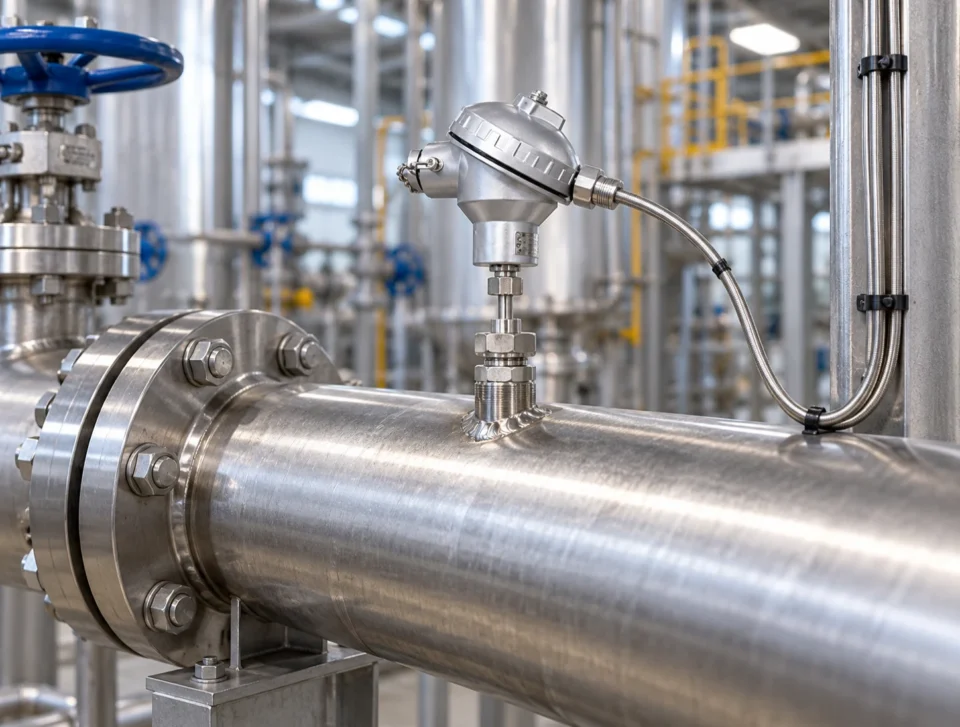
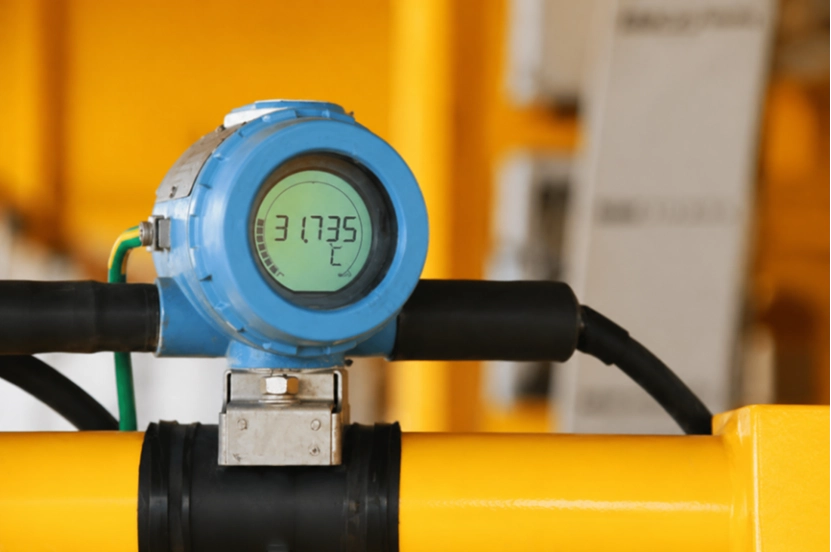
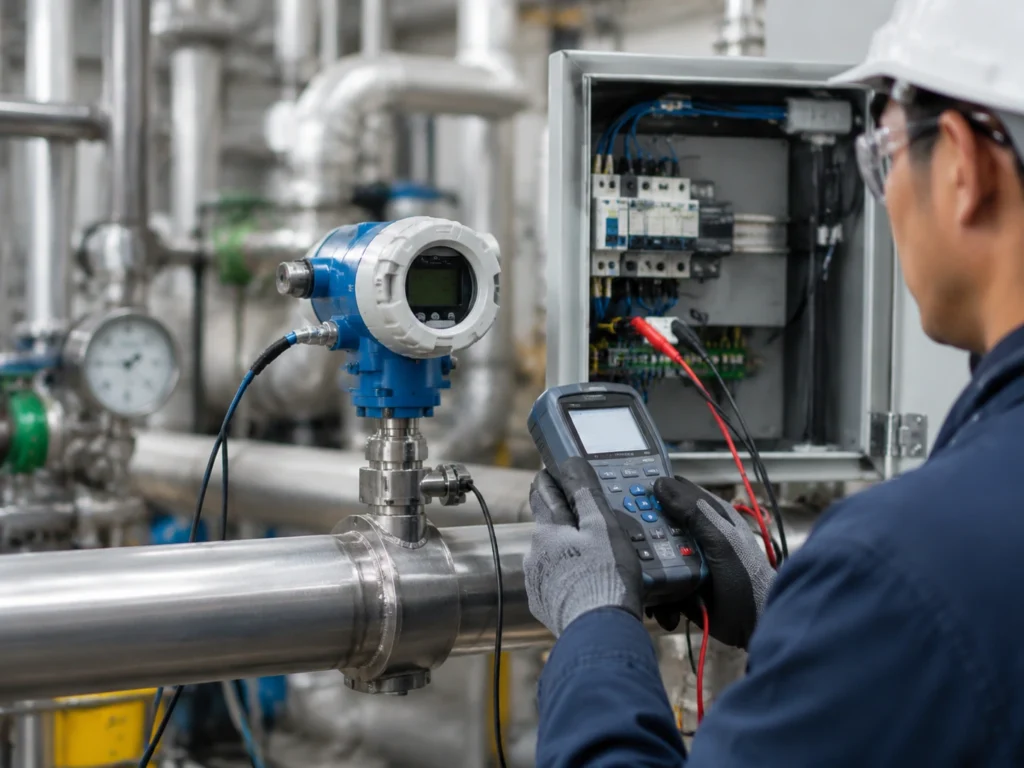
A temperature transmitter is a gadget that turns temperature readings from sensors into signals that machines can read. It’s really important in factories. Accurate temperature checks keep things safe and working well. These devices usually send signals from 4-20mA. This makes it easy for controllers or recorders to understand them. A temperature transmitter can handle inputs from thermocouples, resistance temperature detectors (RTDs), or voltage signals.
Wepower Electronic has professional technology and equipment, their temperature transmitter will definitely give you great value for money
Key Components of a Temperature Transmitter
A temperature transmitter has a few main parts:
Sensor Input Interface: This grabs signals from thermocouples, RTDs, or other sensors.
Signal Processing Unit: It changes the raw signal into a standard output.
Output Interface: This sends out the signal, often as a 4-20mA current or digital signals like HART.
Some advanced temperature transmitters have cold junction compensation for thermocouples. This keeps readings accurate even when the environment changes.
The Role of a Thermocouple with Transmitter
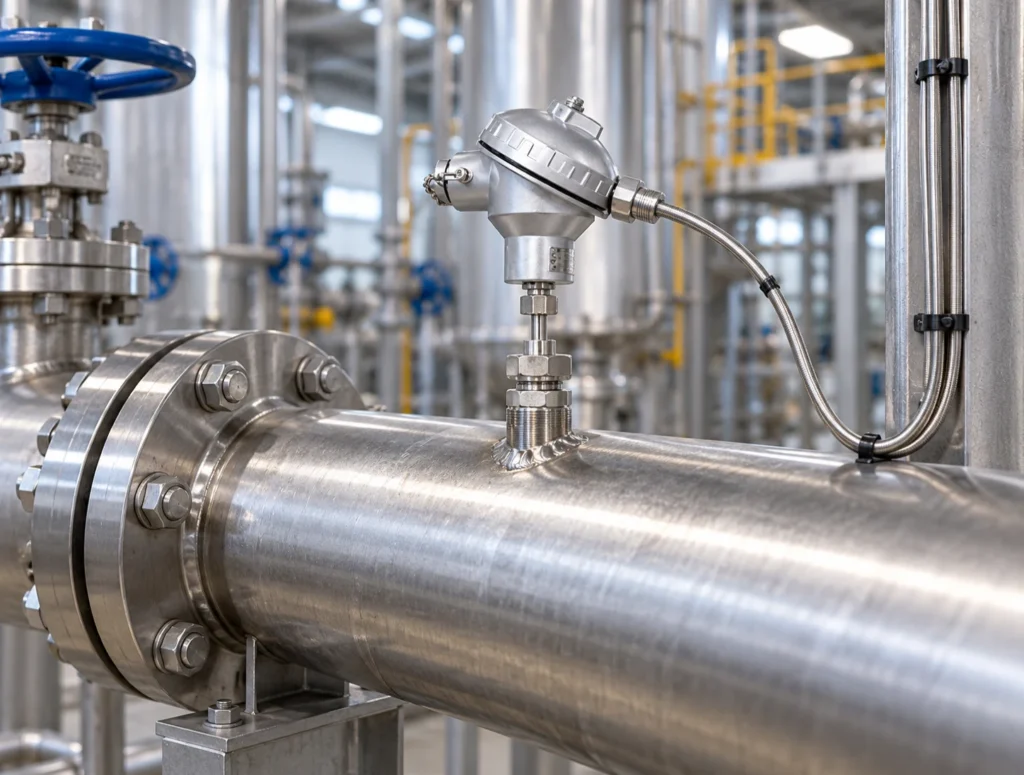
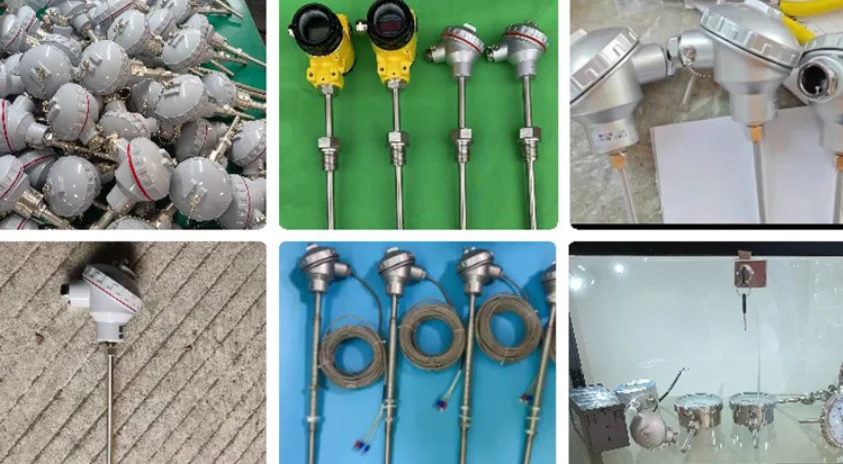
Thermocouples are great for checking high temperatures. They’re strong and last a long time. When paired with a thermocouple with transmitter, they can measure the temperature of liquids, gases, or solid surfaces over a big range. The transmitter takes the electric signal from the thermocouple. Then, it turns it into a smooth signal that matches the temperature.
2)How Temperature Transmitters Operate
Signal Conversion in Temperature Transmitters
The process starts when the sensor picks up temperature data. For example, in a thermocouple with transmitter, two different metals make a voltage based on the temperature difference. The transmitter changes this voltage into a 4-20mA current signal or a digital signal. This makes it work well with different systems for monitoring.
The Process of Signal Amplification and Transmission
After changing the signal, the transmitter boosts it to stay strong over long distances. This stops interference from messing it up. Many temperature transmitters use a two-wire system. Power and signal share the same wires. This makes setup simple and keeps things reliable.
The Importance of Calibration in Ensuring Accuracy
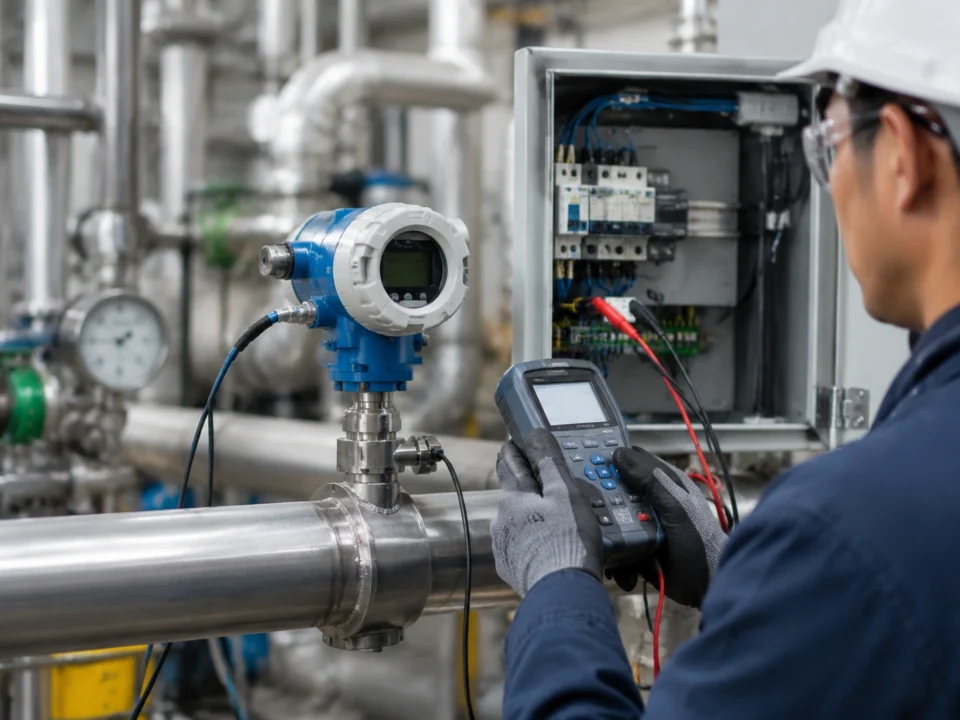
Calibration is super important for correct temperature readings. It matches the transmitter’s output to known standards. This fixes errors from old sensors or changes in the environment. Regular calibration keeps the temperature transmitter steady and accurate over time.
3)Factors Affecting the Accuracy of Temperature Monitoring
Environmental Influences on Temperature Measurement
Things like changing air temperatures, humidity, or electrical noise can affect readings. For example, temperatures outside -25°C to 85°C can cause mistakes if the temperature transmitter isn’t built for those conditions. Good housing and proper setup help fix these issues.
The Impact of Sensor Placement and Installation Techniques
Putting the sensor in the wrong place can give bad readings. Sensors need to go where they show the system’s true temperature. Also, strong mounting stops vibrations from messing up the data.
4)Advantages of Using a Temperature Transmitter for Monitoring
Enhanced Precision in Industrial Processes
Temperature transmitters give very accurate readings. This is key for industries like petrochemicals, power plants, and drug-making. They have features like low-temperature drift and good resistance to noise. These keep measurements steady even in tough spots.
Reliable Data Transmission Over Long Distances
Temperature transmitters can send signals far without losing quality. This is great for big factories. Explosion proof temperature transmitters make things safer in risky areas.
5)FAQs
What is an analog temperature transmitter?
An analog temperature transmitter turns sensor data into a 4-20mA current signal. This works easily with older monitoring systems.
How does HART communication benefit temperature transmitters?
HART lets temperature transmitters send digital data and analog signals together. It doesn’t mess with existing setups.
Why is calibration necessary for thermocouple-based transmitters?
Calibration stops errors from worn-out sensors or environmental changes. It keeps the thermocouple with transmitter accurate.
Can explosion proof transmitters be used universally?
Yes, explosion proof temperature transmitters work in dangerous areas. But they’re also good for normal places.
What industries benefit most from using integrated RTD transmitters?
Industries like food processing, textiles, aviation, and drug-making need RTD transmitters for exact temperature control.
Wepower Electronic Customization Service offers custom solutions for specific factory needs. Based in Yantai since 2003, Wepower gives tech support all day, every day, with its wide range of products.