- Have any questions?
- +86 15953537010
- admin@wepower-electronic.com

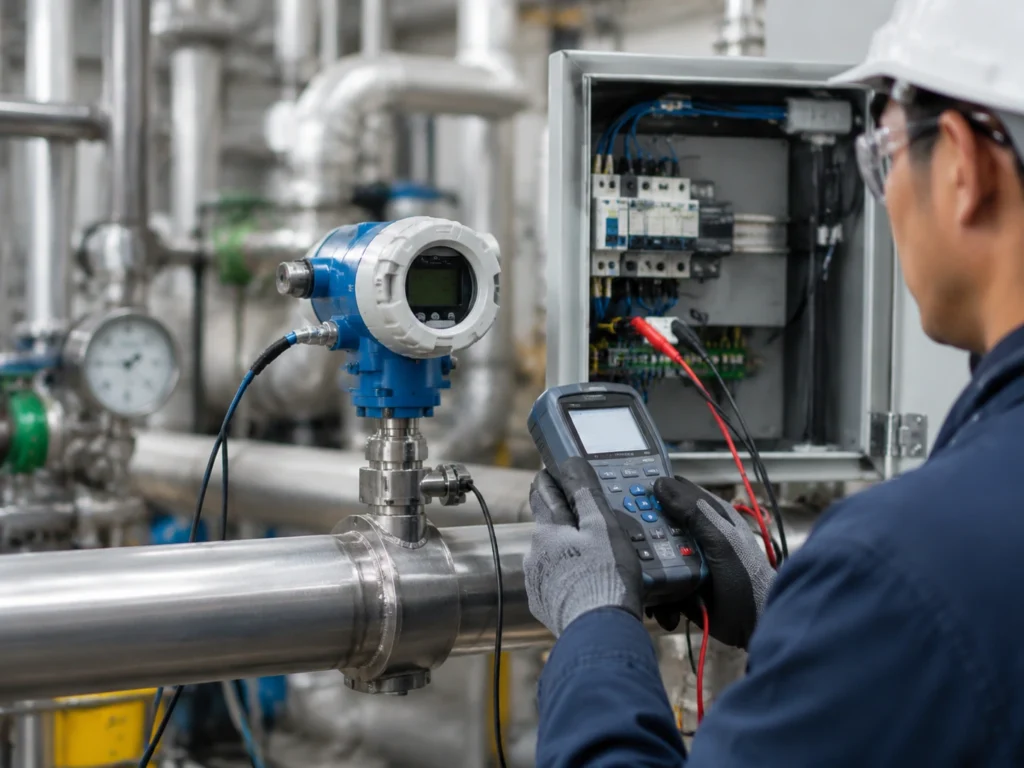
Dealing with extreme heat ranks among the hardest tasks in industrial temperature measurement. If your processes climb above a few hundred degrees Celsius, ordinary transmitters might wander off, quit working, or spit out shaky signals. Pick the proper high-heat temperature transmitter, and you’ll get spot-on data, solid control, and gear that lasts longer — everything you need for safe, smooth running.
What Are Temperature Transmitters
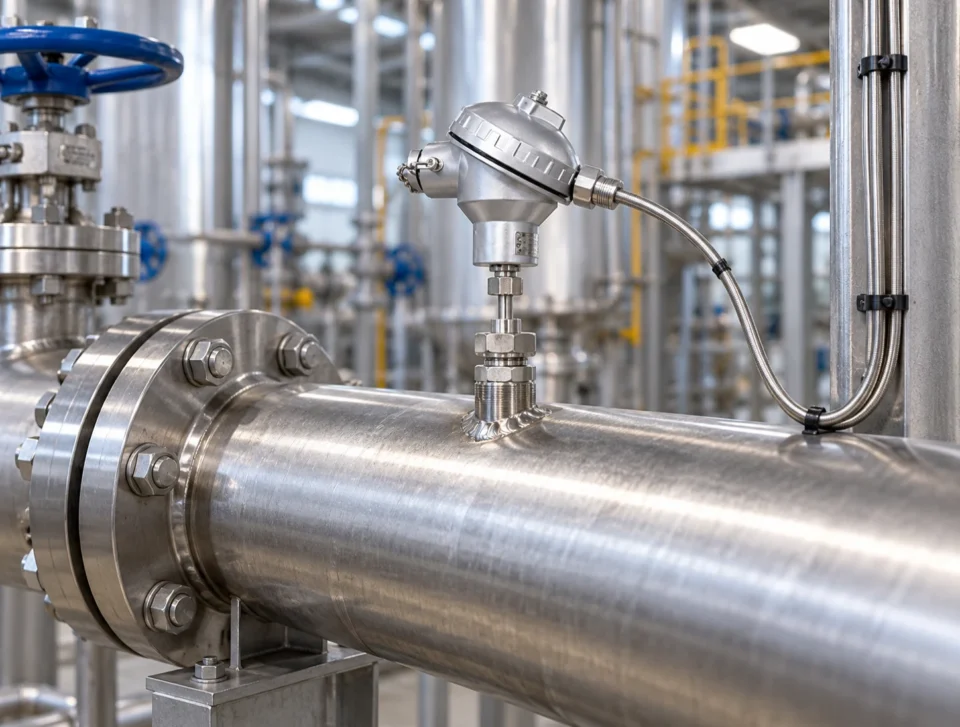
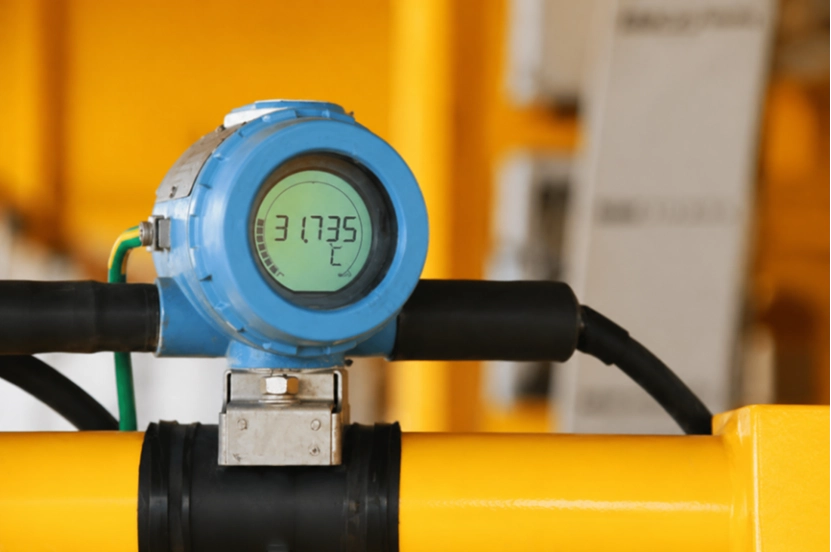
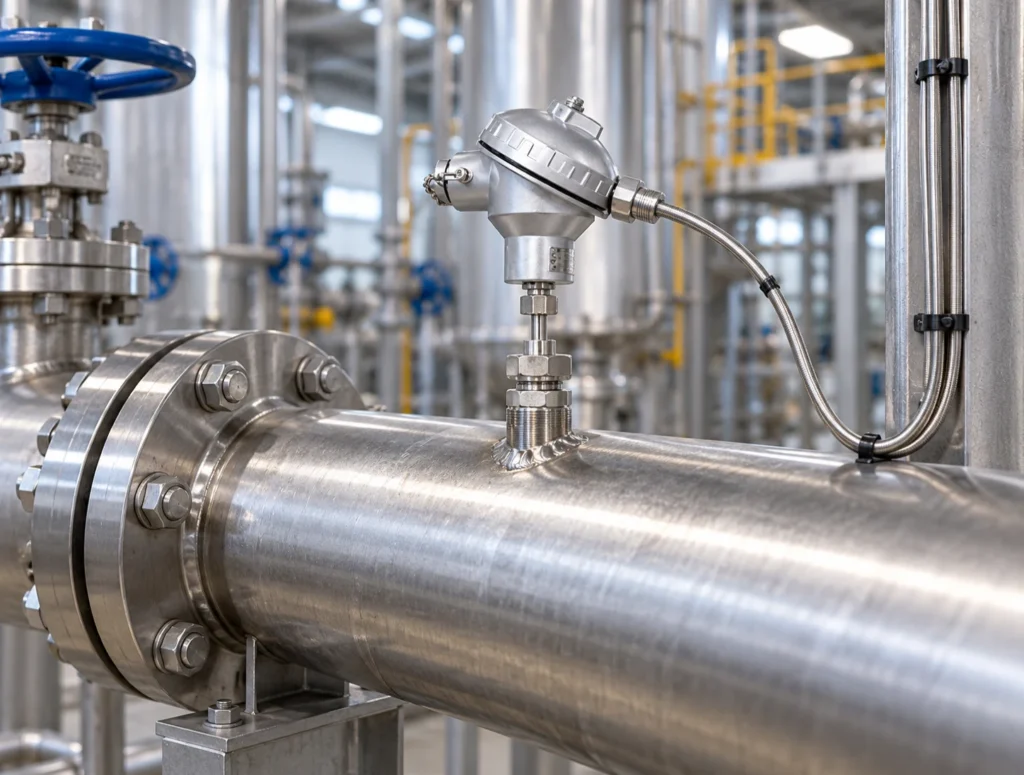
These devices turn the basic signal from a temperature sensor into a standard current or digital form. They prove essential in industrial automation and process control setups. That’s because accuracy and steady repeats really count there. An integrated thermocouple or RTD sensor paired with a temperature transmitter measures temps in liquids, gases, or steam right away.
It takes in signals from thermocouples and thermal resistances that follow standard scales. Then, it creates a (4-20) mA DC current. This current lines up straight with the temp it detects.
Why High-Heat Applications Require Specialized Transmitters
Regular transmitters hit walls with their inside electronics and outer materials. Picture hot areas like furnaces or reactors. There, those parts break down quick. But specialized transmitters draw on sturdy, heat-proof stuff. They also use clever signal tweaks. So, they keep things precise, even in strong surrounding heat.
Good monitoring stops things from getting too hot. It guards fragile machines. And it keeps production from stopping often — big deals in spots like metal shops or power plants.
Common Types of Temperature Sensors Used in High-Heat Conditions
Not all sensors match every heat setup. People often go for RTDs when they want exactness. Thermocouples handle the hottest spots better.
RTD (Resistance Temperature Detector) Sensors
RTDs spot shifts in resistance when temps change. Take platinum ones like PT100 or PT1000. They give smooth lines and good repeats in everyday ranges. Factory thermal resistors act as transmitters to check temps.
They team up with display tools, recorders, and electronic controls most of the time. These usually work from −200°C to +500°C. That makes them a good fit for tasks needing reliable accuracy. They don’t push for top heat survival.
K-Type Thermocouple Sensors
Many folks stick with K-type thermocouples for hot temp checks. Their toughness and wide span make them a favorite. Factory thermocouples handle temp measurement and control. They gauge temps in liquids, vapors, gases, and solid surfaces.
The range runs from -40–1700°C across different production lines. Crafters use nickel-chromium or nickel-alumel mixes for them. These hold up to 1300°C or beyond, depending on the sheath. The strong design works well in furnaces, kilns, and foundries. Temps there jump around fast.
| Sensor Type | Material Composition | Typical Range (°C) | Key Advantage |
| PT100 RTD | Platinum | −200 to +500 | High precision |
| K-Type Thermocouple | NiCr–NiAl | 0 to 1300 | Extreme heat tolerance |
| S-Type Thermocouple | PtRh–Pt | 0 to 1700 | Excellent stability |
Key Features to Look for in a High-Heat Temperature Transmitter
When selecting the temperature transmitter, its advantages should be compared with the actual needs of your process.
Temperature Range and Sensor Compatibility
Look for transmitters that back RTDs like PT100 or PT1000. They should also take thermocouple inputs such as K-type or J-type. Double-check that its working range tops your highest process temp.
Signal Output Options and Accuracy
The 4–20mA analog output holds steady as the top pick. It stays simple and shrugs off noise well. Newer models often add HART or Modbus for digital talks too. The transmitter sticks to the HART communication protocol. The HART signal travels right alongside the 4~20mA current from the temperature transmitter. Such accuracy marks as ±0.1% FS deliver readings you can trust. Even when things wobble a bit.
Housing Material and Environmental Protection
Casings from stainless steel or aluminum push back against rust. They keep inside electronics safe from dust or water creep. Enclosures with IP ratings build in more strength against shakes or chemical touches. This matters a lot close to furnaces or reactors. The air there might carry biting gases.
Top Temperature Transmitter Models from Wepower Electronic
Wepower Electronic puts out a handful of models made just for hot industrial jobs.
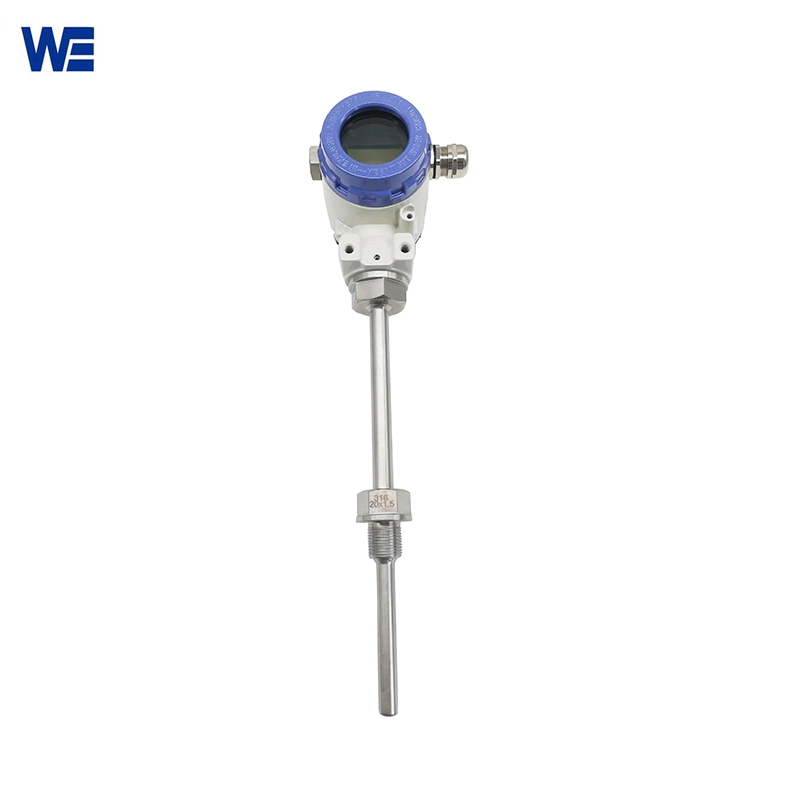
PT100 Temperature Transmitter
This one suits platinum RTDs like PT100 or PT1000. It hits ±0.1% accuracy from −200°C to +850°C. The firm two-wire style keeps drift small as time goes on — crucial for watching key processes non-stop.
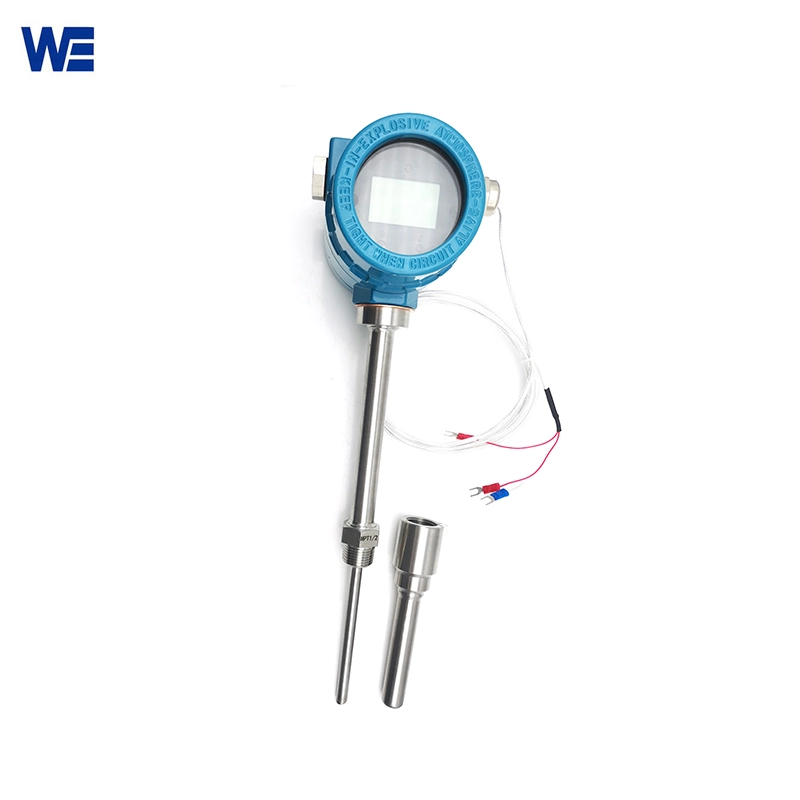
Thermocouple Transmitter 4–20mA
It targets rough spots with B, S, K, R, N, J, T-type thermocouples. You get a cut-off 4–20mA output. HART comes as a choice too. A two-wire temperature transmitter shifts different input signals to standard 4~20mA outputs. It brings exact measurement, tough fight against interference, steady work, and trust.
Application Areas of High-Heat Temperature Transmitters
These transmitters help out in several demanding industries. Safety in processes relies on tight heat oversight.
Industrial Process Control Systems
Think boilers, reactors, dryers. They all lean on ongoing feedback circles. Transmitters hook into DCS systems to keep them going. Firm readings block overheating. That avoids pressure glitches or ruined goods.
Metal Processing and Foundry Operations
Casting hot metal needs live tracking over 1200°C. Pair K-type thermocouples with shielded transmitters. They deal with quick heat ups and downs without dropping calibration.
Power Generation Plants and Petrochemical Facilities
Exhaust from turbines or pipes in refineries often top 800°C. Solid transmitters make sure maintenance plans stay true. They feed steady data patterns from those warm areas over time.
How to Select the Right Temperature Transmitter for Your Application
Get it right by weighing site limits against what you want from results. Skip fixating just on cost.
Evaluate Operating Environment Conditions
Factor in things like dampness up to 95%, shakes at 10–150Hz, or electrical buzz from motors nearby. Factories see this stuff all the time.
Match Sensor Type with Measurement Needs
Grab RTDs if sharp detail matters in milder spans. Pick thermocouples like K or S-types for heat blasts past 800°C.
Assess Installation Requirements
Head-mounted ones fit snug in small junction boxes. Rail-mounted slip nicely into control panels. Field-mounted give quick reach for upkeep near machine paths.
Why Partner with Wepower Electronic for Industrial Measurement Solutions
- Expertise in process automation instrumentation
- Reliable product quality and technical support
- Customizable solutions for diverse industries
Wepower brings years across various instrumentation spots. That covers liquid level, flow rate, pressure, density, viscosity. It ties in temperature tools from RTD sensors and k type thermocouples. Teams test each transmitter hard under fake shakes up to 4g/150Hz. This locks in lasting build before it ships. Skilled after-sales aid helps with startup or recalibration right on site when called for.
FAQs
Q1: What is a temperature transmitter used for?
It shifts sensor signals to standard electrical forms like 4–20mA. So control systems grasp live process temps just right.
Q2: Can I use an RTD sensor in very high temperatures?
RTD sensor works well under 500℃. If exceeding this temperature, it is recommended to use a thermocouple, as this will provide greater stability.
Q3: What communication protocols do modern transmitters support?
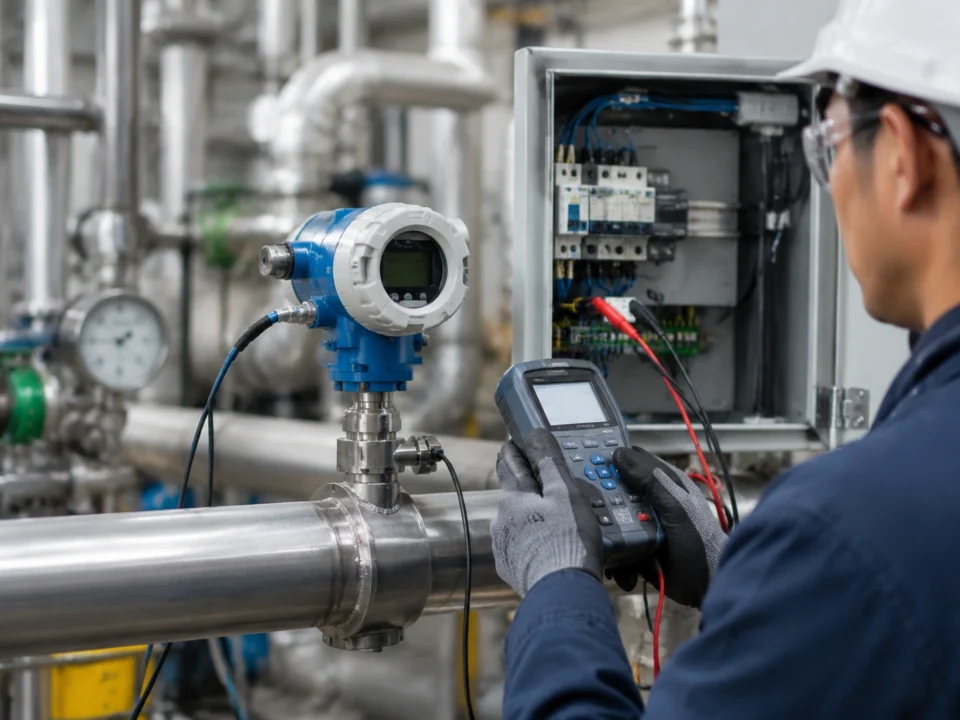
They mostly back analog loops. Add digital ones like HART or Modbus. This lets you adjust from afar using handhelds or programs.