- Have any questions?
- +86 15953537010
- admin@wepower-electronic.com


1)Installation Process of a Rotary Level Sensor
Preparing for the Installation of a Rotary Bin Level Indicator
Before you start installing a rotary level indicator, you need to check the area. Make sure the spot has no big shakes or vibrations. Keep it away from where materials come in to avoid hurting the sensor’s blade. Also, check that the power supply matches what your rotary level sensor needs. Doing this prep work helps the device work well and last longer.
Tools and Equipment Required for Installing a Rotary Level Sensor
To put in a rotary level sensor, grab some simple tools. You’ll need a wrench set, screwdriver, drill, measuring tape, and sealing stuff like thread tape. Don’t forget safety gear like gloves and safety glasses to stay safe. Having these tools ready makes the job faster and easier
Step-by-Step Guide to Installing a Rotary Level Switch
Pick a Good Spot: Find the best place on the silo or container where materials pile up. Stay away from inlets or outlets.
Get the Surface Ready: Drill holes or set up flanges as needed for the rotary level switch.
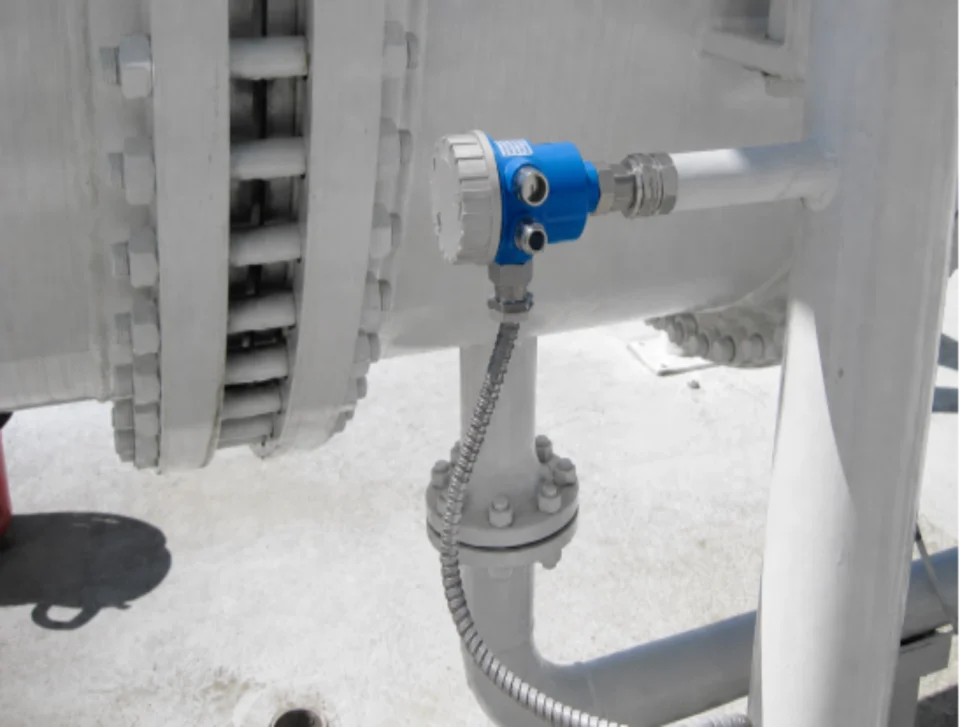
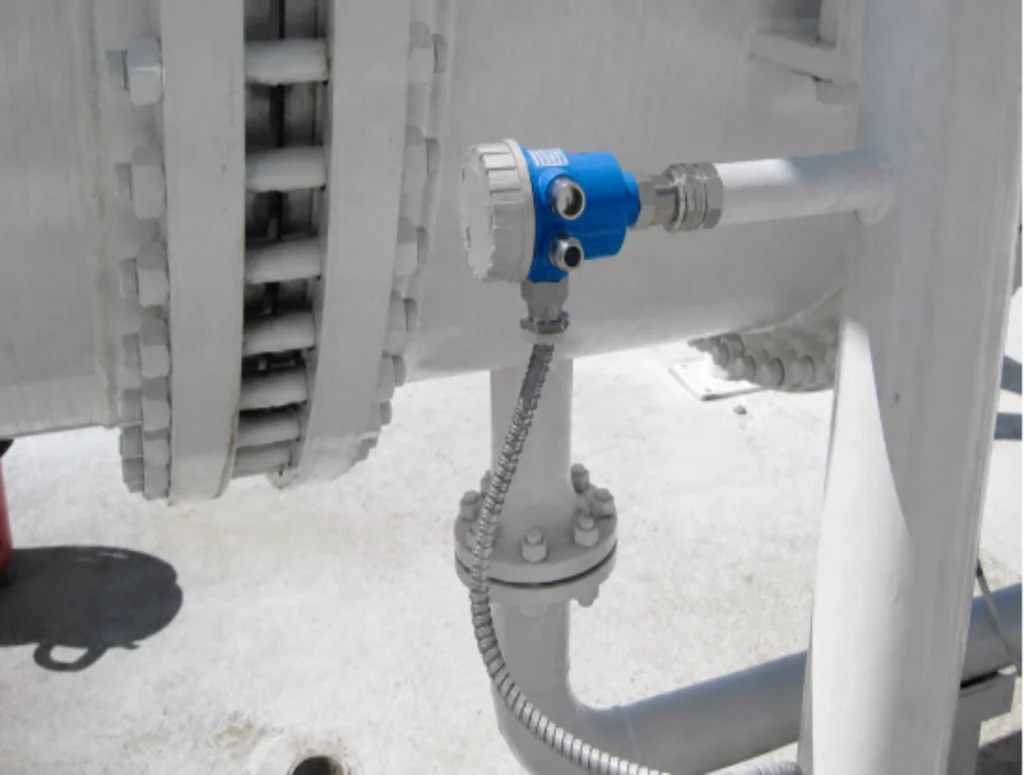
Attach the Sensor: Bolt or screw the rotary level switch in place. If mounting it sideways, tilt it down 15°–20° to protect the blades from material hits.
Hook Up Wires: Use the wiring guide in the sensor’s manual to connect it to your control system or power.
Seal It Up: Tighten cable glands and add sealing materials to keep out dust or water.
Test It Out: Turn on the power and check if the rotary level sensor works by pretending materials are at different levels.
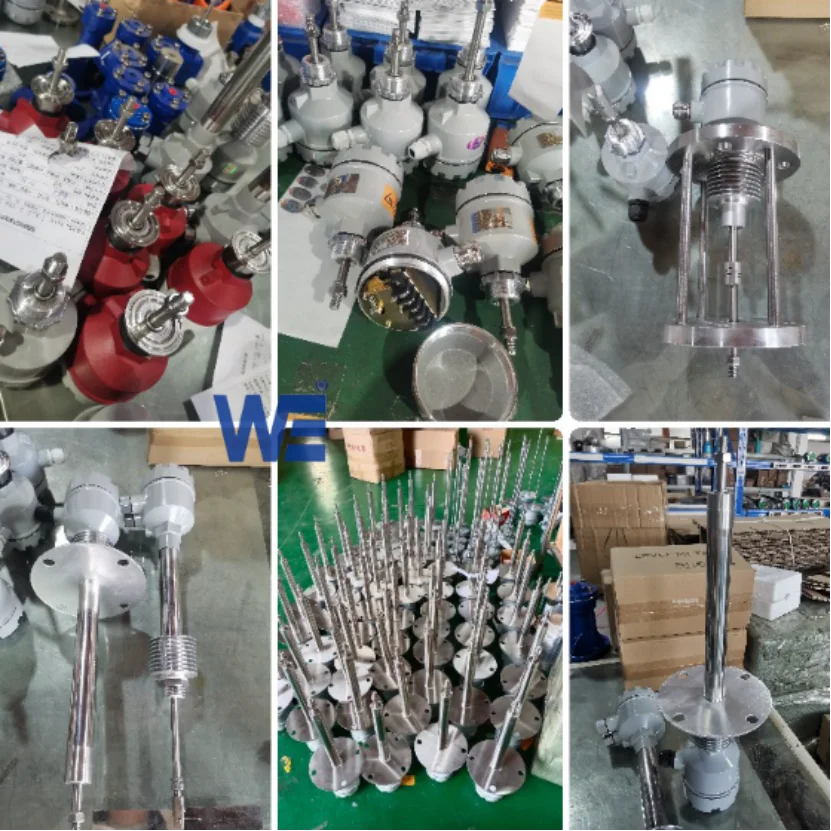
The WZP20 rotary paddle level switch is a popular choice for these setups. It has a double-layer dustproof design and a clutch to protect it.
Common Mistakes to Avoid During Installation
Wrong Power: Using the wrong voltage can break the rotary level sensor’s circuits.
Bad Spot: Putting it too close to material inlets can harm the blades.
Skipping Seals: Not sealing connections can let dust or water damage the insides.
Ignoring Instructions: Always follow the manual’s steps for your rotary level switch.
2)Maintenance of a Rotary Bin Level Indicator
Importance of Regular Maintenance for Rotary Level Sensors
Keeping up with maintenance makes sure your rotary level sensor works right. Dust or material buildup can mess up readings. Regular checks help the device last longer. They also stop costly breaks in your work.
Routine Checks and Inspections for a Rotary Level Switch
Look at the blades for wear or damage from rough materials.
Make sure all electrical connections are tight and not rusty.
Listen for weird noises when it runs. These could mean motor trouble.
Check that seals are good to block dust or water.
Wepower’s WZP20 rotary paddle level switch is a good choice. It can handle the materials in the silo tank even in harsh conditions.
Cleaning and Calibration Tips for Rotary Bin Level Indicators
Use compressed air or a soft brush to clean blades gently.
Clear away any material stuck around moving parts.
Test the settings by pretending the silo is full or empty.
Adjust sensitivity if the material’s thickness changes.
In short, the paddle level switch is extremely simple to maintain and does not require much maintenance.
3)Troubleshooting Common Issues with Rotary Level Sensors
Identifying Problems in a Rotaing Paddle Level Indicator
A rotary paddle level switch is key for checking material levels in silos. But sometimes, it doesn’t work right. One issue is when it can’t read levels well. This happens if materials stick to the blades, stopping them from spinning. The blade of the anti-rotary material level switch is linked to a clutch by a shaft. If the blade gets stuck, it won’t work properly.
Solutions to Common Malfunctions in Rotary Level Switches
To fix these problems, start with regular cleaning and good setup. Clean blades with compressed air or a soft brush to keep them spinning freely. This helps get accurate readings.
If the rotary level switch is near a material inlet, add a protective baffle. If the switch must be installed near the material inlet, please install a protective baffle 200mm above the switch. This stops materials from hitting the blades too hard.
For harsh environments, Wepower provides high temperature type paddle level switches that can work well in harsh environments.
4)Factors to Consider for Rotary Level Switch Model Selection
Understanding Application Requirements for Model Selection
Picking the right rotary level switch means knowing your job’s needs. First, figure out what material you’re measuring, like grains, powders, or chunks. Check its thickness and size. For example, Rotating Paddle Level Sensor works for materials with a specific gravity above 0.5g/cm³ in open containers.
Think about the work environment, like heat, pressure, or wetness. Some rotary level switches are made for hot or damp places.
Also, decide if you need to mount it sideways or upright.
Finally, check if it works with your control system. Some models, like those with SPDT contact capacity, connect easily to automation setups.
Key Features to Look for in a Rotary Bin Level Indicator
When choosing a rotary bin level indicator, look for strong and easy-to-use features. A tough build is key for lasting in rough work settings. The WZP20 rotary paddle level switch has a special oil seal design. It gives double-layer dustproof protection, so it works well in dusty spots.
Wepower Electronic Co., Ltd. offers custom options for rotary level switches. They also provide 24-hour tech help to fit your specific needs.
Frequently Asked Questions
What is a rotary level sensor used for?
A rotary level sensor checks levels of solid stuff like grains or powders in silos. It helps keep tanks from overfilling or running empty.
How do I choose the right rotary level switch?
Think about the material type, like solid or powder. Check the work area’s heat, pressure, and wetness. Make sure it works with your control system.
Can I install a rotary level indicator myself?
Yes! With the right tools and the manual’s steps, you can do it. But tricky setups might need a pro’s help.
How often should I maintain my rotary bin level indicator?
It depends on how you use it. Check it monthly for wear and do a full calibration check once a year.
Why is my rotary paddle switch not working correctly?
It could be bad wiring, damaged blades, or motor issues. Check the manual to troubleshoot and fix problems.
For more info on custom solutions or help from Wepower Electronic Co., Ltd.’s 24-hour tech support, contact us today!