- Have any questions?
- +86 15953537010
- admin@wepower-electronic.com

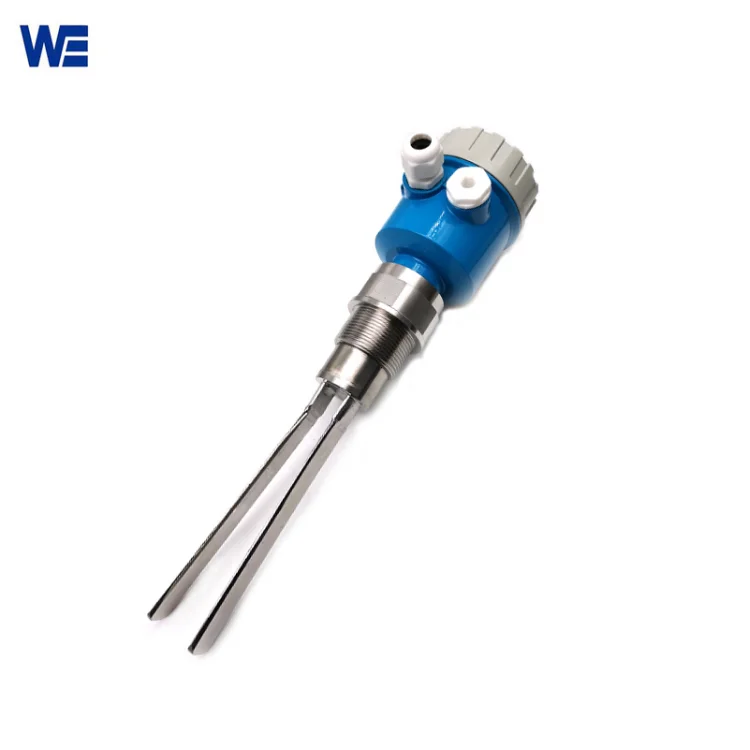
1)Importance of Regular Maintenance for Fork Level Switches
Why Preventive Maintenance Matters in Industrial Applications
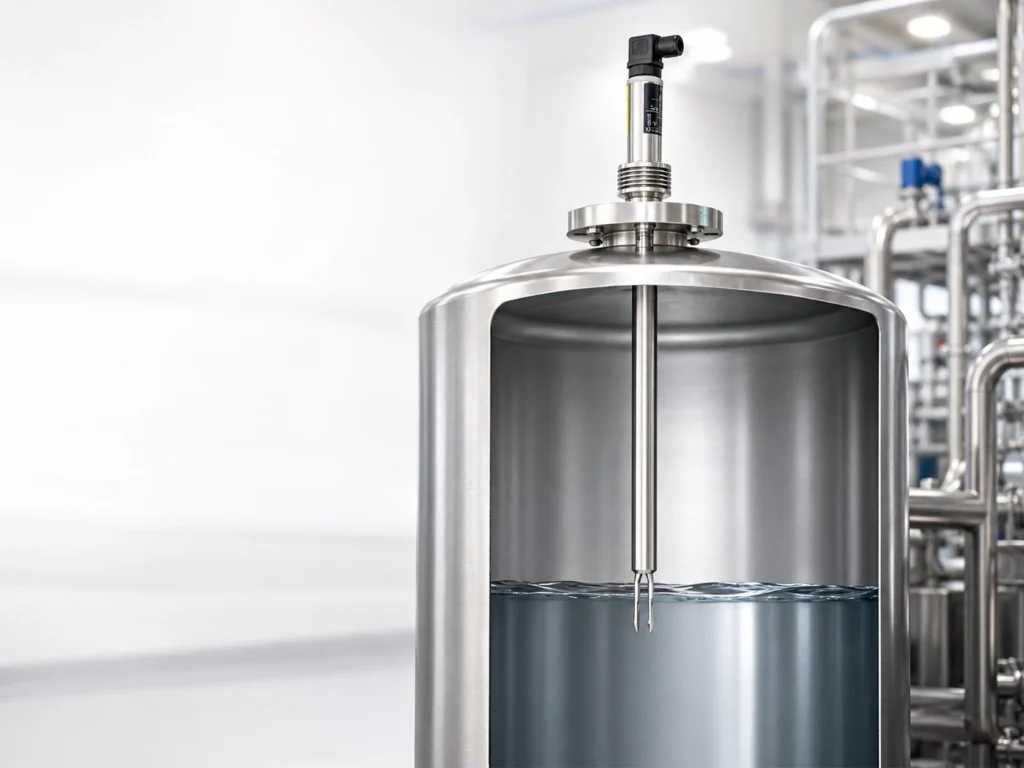
Tuning Fork Level Switches, including the popular vibrating fork level switch, are vital tools in factories. They check for liquids, powders, or grains in places like chemical tanks, food machines, and power plants. A breakdown can cause unsafe conditions or stop work entirely. Regular care keeps these devices working well. Even though they have no mechanical wear, are basically maintenance-free, easy to use, don’t need adjustments, and run reliably, harsh surroundings or tough tasks can still hurt their performance over time. Planned checkups spot small problems before they grow into big, costly ones.
Common Issues That Affect Tuning Fork Level Switch Performance
Despite their strong build, Tuning Fork Level Switches can face troubles. Sticky stuff or harsh chemicals can stick to the forks, slowing their vibrations. Electrical noise or wrong setup might cause incorrect signals. Also, long exposure to very hot or cold temperatures or high pressure can wear out parts inside. A key issue is that when the fork body touches the material, the amplitude, frequency, and phase change a lot. If buildup or clogs mess with this process, the device’s accuracy drops.
How Environmental Factors Influence Vibrating Fork Level Switch Durability
Harsh conditions like extreme heat, changing pressures, or chemical contact are common in factories. For example, the medium temperature range is -40 ℃ ~250 ℃ and pressure range: ≤ 4MPa.This shows why picking the right device and caring for it matters. Too much humidity can harm electronic parts. Plus, dusty areas might block LED lights or magnetic test points used for checking if the device works.
2)Key Maintenance Practices for Tuning Fork Level Switches
Cleaning Procedures to Prevent Build-Up and Corrosion
Keeping the device clean is critical for correct readings. If a vibrating fork sensor gets coated with thick materials or damaged by strong chemicals, it won’t sense vibration changes well. Use soft tools and safe cleaning liquids that match the fork’s material, like stainless steel S304 or S316, to avoid scratches or harm.
Recommended Inspection Intervals for Optimal Operation
Vibration Fork Level Switch need little upkeep, but regular checks ensure they last. Look at the device every three months. Do a full test every six months to catch early signs of wear or signal problems.
3)Enhancing the Performance of Vibrating Fork Level Switches Through Smart Usage
Proper Installation Techniques to Reduce Wear and Tear
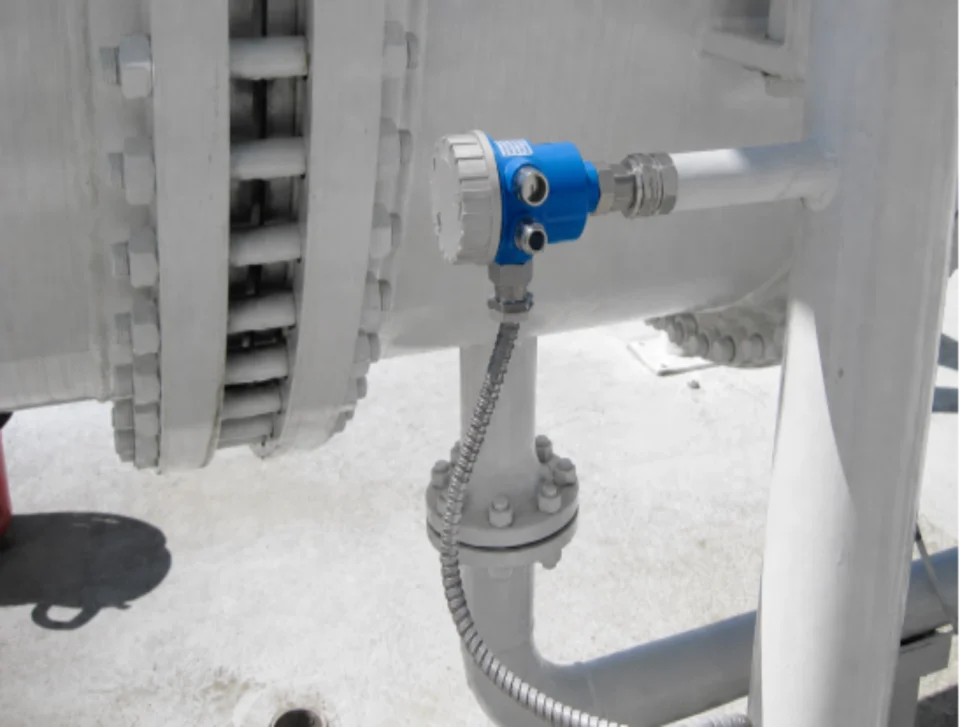
Setting up the device correctly lowers stress on it. Follow the maker’s rules for how deep to insert it and which way to point it. Don’t place the switch near mixers or pump exits where rough flow might cause wrong signals. Plus, Wepower’s Fork Level Switch offers threaded,flanged and clamp connections, fitting different tank setups for a secure hold.
The Role of Process Conditions in Extending Device Lifespan
Knowing your material—whether it’s powdery solids or thick liquids—helps pick the right device. For instance, “maximum liquid viscosity: <1,000 mm²/s” matters when handling heavy fluids that dampen vibrations more than thin ones like water. Keeping temperature and pressure steady within limits prevents early damage to electronics inside.
Avoiding Electrical Surges and Signal Interference in Vibrating Fork Level Switch Systems
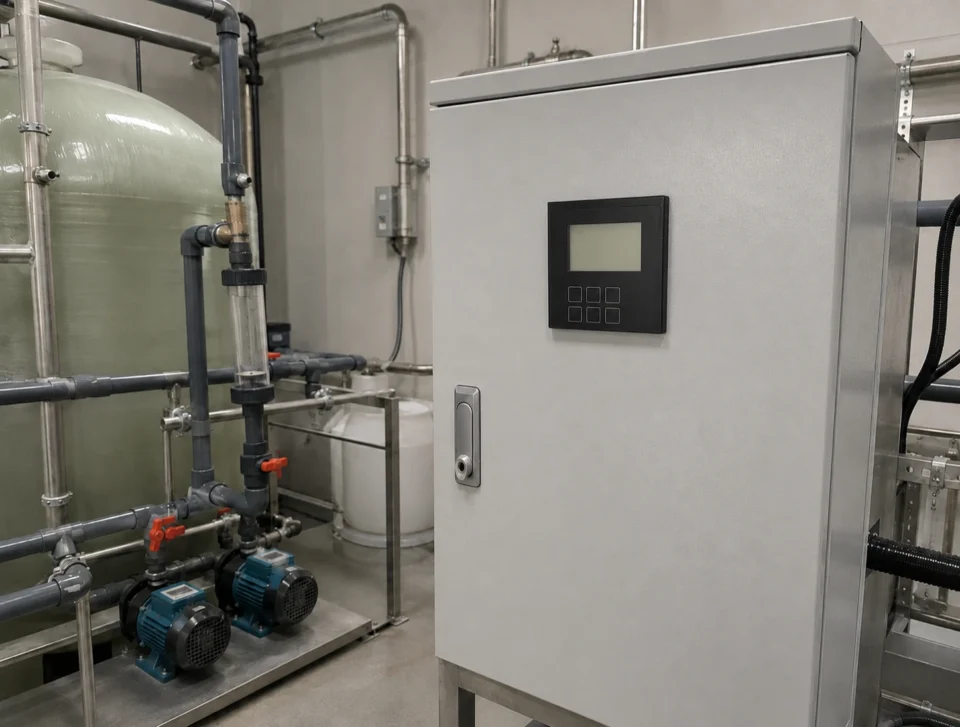
Nearby machines can create electrical noise, messing with signals between the level switch and control systems. Use shielded cables and proper grounding to reduce this risk. Also, direct load switches work with all power supplies or PNP outputs, making it easier to connect with PLCs while keeping signals clear.
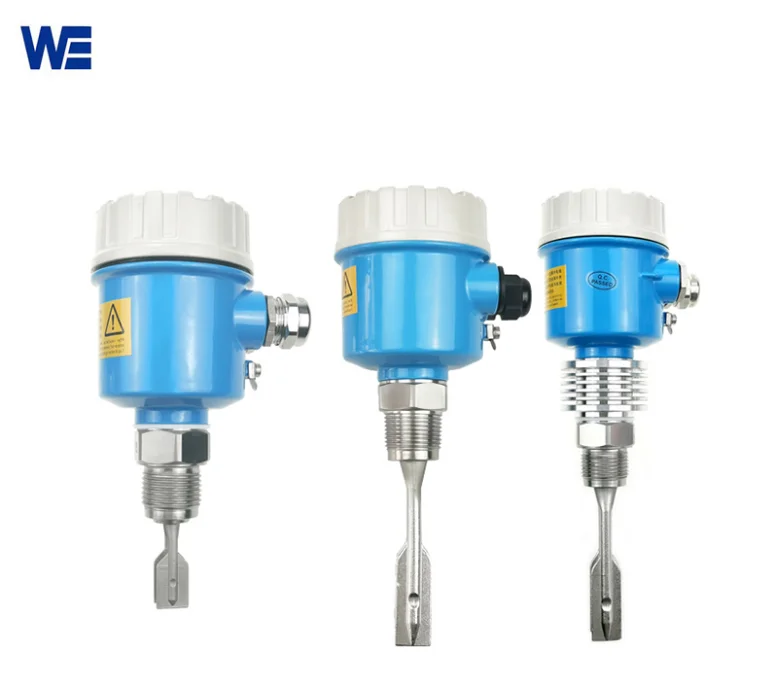
4)Innovative Ways to Maximize the Lifespan of Your Tuning Fork Level Switch
Leveraging Remote Monitoring for Predictive Maintenance
Smart factories use remote systems to watch sensor performance, like changes in vibration or signal strength. This lets workers plan fixes before the device fails, saving time and money. Wepower Electronic’s advanced models support features that fit into digital systems for early warnings about problems.
Using Compatible Materials and Coatings to Withstand Harsh Media
Picking a tuning fork level switch made from materials that match your media boosts its life. Fork body material: stainless steel S304/ stainless steel S316, or stainless steel lined with PTFE, which can effectively resist acid and alkali corrosion in chemical plants. Also, “products with high protection, explosion-proof, high temperature, and high pressure resistance can be provided,” ensuring safety in risky areas like oil refineries.
5)Choosing the Right Vibrating Fork Level Switch for Long-Term Reliability
Factors to Consider When Selecting a Model for Specific Applications
Each job has unique needs based on media traits like density (solid ≥ 0.1g/cm³; liquid ≥ 0.7g/cm³), temperature range (-40℃~250℃), pressure range (≤4MPa), or particle size (≤10mm). Choosing the right tuning fork level switch, like the WPX502 from Wepower Electronic, the products can meet your needs for any environment
How Customization Options Can Improve Operational Longevity
Custom features make devices fit better across industries, from food-safe connectors to explosion-proof cases. Yantai Wepower Electronic Co., Ltd has various options for the power supply mode, connection mode, and wetted material of the product for users to match.
The Impact of Manufacturer Support on Long-Term Equipment Health
Good support from the maker helps fix problems fast. Since 2003, Wepower Electronic has worked on making, selling, and supporting automation tools. Our team provides 24-hour help, which is key for factories running all day and relying on steady sensor performance.
Frequently Asked Questions (FAQ)
What does a tuning fork level switch do?
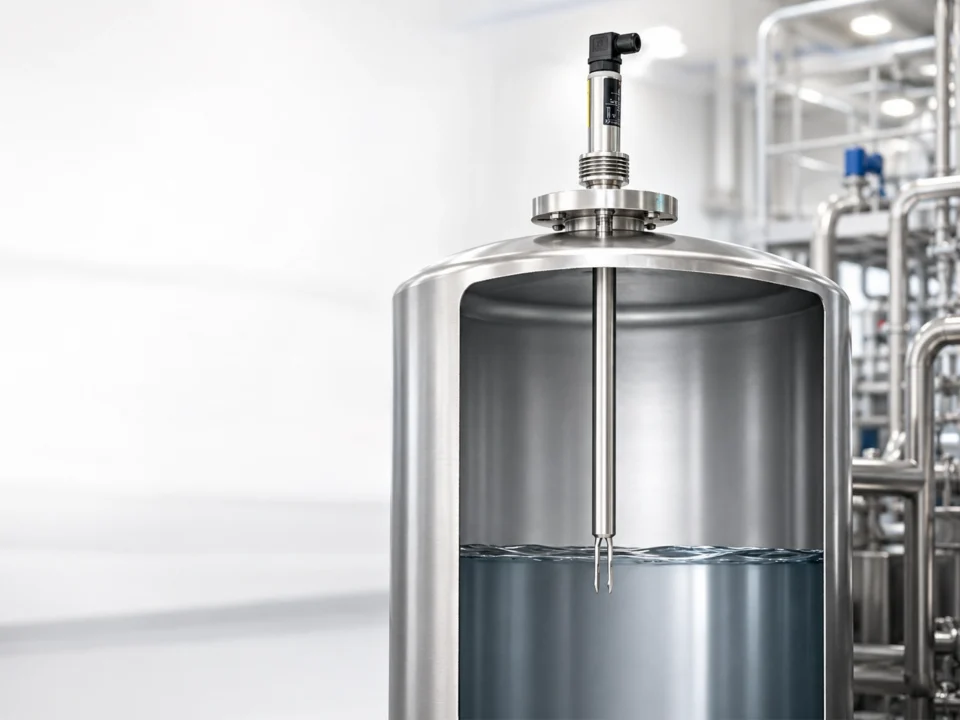
A fork type level switch checks if a liquid or solid has reached a certain level in a tank. It uses vibration technology with piezoelectric crystals that shift frequency when covered by material.
How often should I clean my vibrating fork sensor?
Cleaning depends on your material. For sticky stuff like syrups or slurries, clean every three months to avoid buildup.
Can I use one fork type level sensor across all applications?
Not always. You must check media density, viscosity, temperature, pressure, and if explosion-proof certification is needed before picking a model.
Do these sensors require calibration?
Most come pre-calibrated but allow sensitivity tweaks if needed. They require little setup and no regular calibration.
What happens if there’s an electrical surge?
Quality sensors have protections like short-circuit safeguards, polarity protection, and shielded cable support to avoid surge damage.
For more details on how our products, contact us! Learn about Wepower Electronic in Yantai, supporting automation since 2003 with expert teams ready to help 24/7!