- Have any questions?
- +86 15953537010
- admin@wepower-electronic.com


Introduction
People often look at how accurate it is, how much it costs, or how easy it is to set up before they even look at the Flow Meter itself. The lining inside the tube is yet another component that has a significant impact. The lining is the part that touches the liquid every second. It protects the tube and helps the meter keep working well for many years.
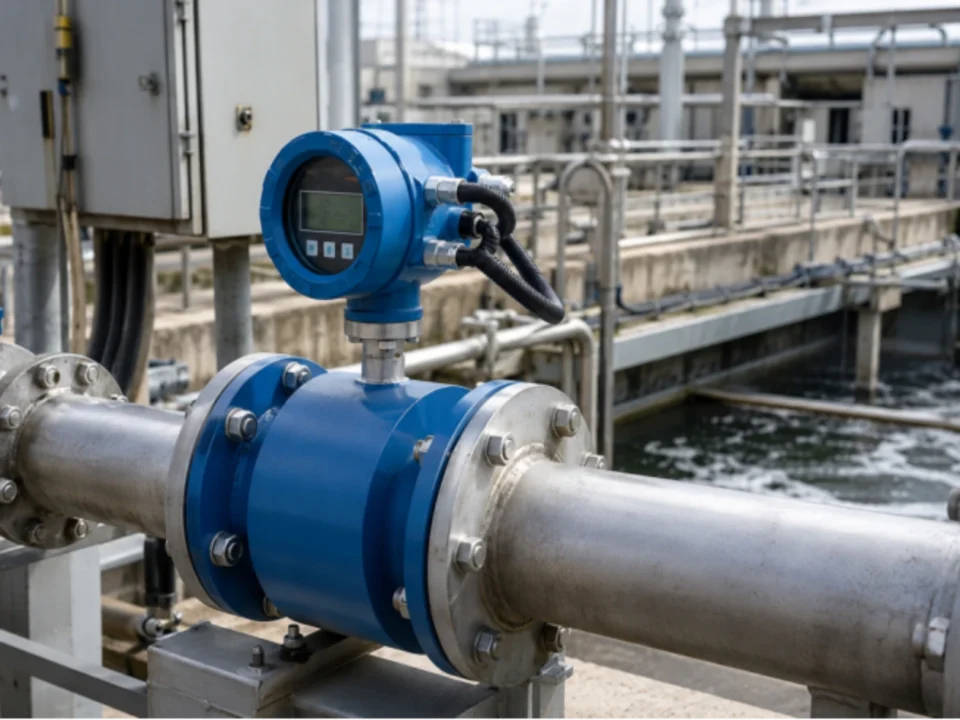
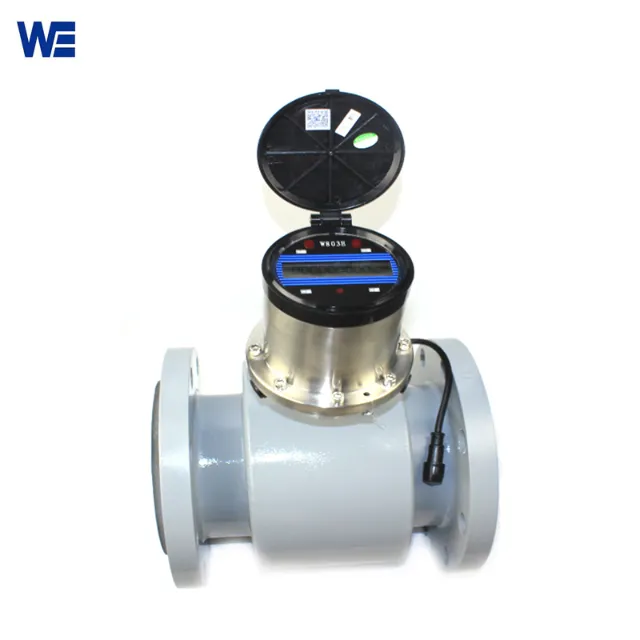
A Digital Water Flow Meter is a type of electromagnetic meter. It works on Faraday’s law: when a conductive liquid moves through a magnetic field, a small voltage shows up. The sensor reads this voltage and turns it into a flow signal. The idea looks simple. But if the lining fails, the meter will not last. That is why the choice of lining material such as rubber, PTFE, FEP, PFA, polyurethane, or ceramic is so important.
1)The Critical Role of Linings in Electromagnetic Flow Meters
What is a Lining?
A lining is a cover fixed to the inside of the tube. It works as a barrier between the fluid and the metal body. Without this layer, the liquid could corrode the wall or affect the signals. So the lining keeps the flow meter safe, steady, and accurate.
Why Lining Selection Matters
Every factory handles different liquids. Some deal with clean water. Others face acids, sludge, or wastewater mixed with sand. If you choose the wrong lining, it may wear out fast. That means poor data and extra repair costs. The right choice means longer life and stable results.
2)Common Lining Materials and Their Applications
Rubber Liner
Rubber linings are simple and low cost. They give fair resistance to wear and stay flexible. The range is -20 to +60℃, which fits most water supply or light industry. When systems run hotter, high temp rubber is used. It covers -20 to +90℃, which is good for warm fluids in plants.
Applications: drinking water, farm irrigation, cooling circuits, and normal industrial use.
Polytetrafluoroethylene
PTFE is famous for chemical resistance. It does not react with acids, alkalis, or solvents. It works from -20 to +120℃. The smooth face also helps reduce scaling. Some jobs need higher tolerance. High temp PTFE keeps its resistance while covering up to -20 to +160℃.
Applications: chemical plants, drug production, food processes, and wastewater plants.
Fluorinated Ethylene Propylene
FEP is close to PTFE but more flexible. It is easy to shape and also resists many chemicals. It works in the -20 to +120℃ range.
Applications: semiconductors, lab chemicals, and cleanroom liquids.
Perfluoroalkoxy
PFA mixes chemical resistance with more strength. It can handle -20 to +180℃. It is the best pick when both heat and strong liquids are present.
Applications: hot chemical fluids, food and drink systems, and pharma with strict hygiene.
Polyurethane
Polyurethane is known for being tough against wear. Its working range is -20 to +80℃. It is not as resistant to chemicals but works well with rough liquids.
Applications: slurry, sand filled wastewater, and liquids with grit.
Ceramic
Ceramic is the hardest lining. It resists wear, heat, and pressure. It can go above +250℃. This makes it perfect for the roughest sites.
Applications: mining slurry, pulp lines, and power plant cycles.
3)How to Choose the Right Lining?
Comparison of Chemical Resistance and Durability
| Lining Material | Chemical Resistance | Abrasion Resistance | Temperature Range | Typical Use |
| Rubber | Low | Medium | -20 to +60℃ | General water |
| High temp Rubber | Low | Medium | -20 to +90℃ | Warm water, light industry |
| PTFE | Very High | Medium | -20 to +120℃ | Acids, alkalis, pharma |
| High temp PTFE | Very High | Medium | -20 to +160℃ | Hot chemical processes |
| FEP | High | Medium | -20 to +120℃ | Clean, high purity chemicals |
| PFA | Very High | Medium High | -20 to +180℃ | High temp food and pharma |
| Polyurethane | Medium | High | -20 to +80℃ | Slurry, wastewater |
| Ceramic | Medium | Very High | -20 to +250℃+ | Slurry, mining, abrasive fluids |
Key Considerations for Selection
Liquid type: Is it clean, corrosive, or full of grit?
Conditions: What is the heat, pressure, and flow speed?
Cost vs. life: A better lining may cost more but save money in the long run.
Clean use: Food or drug plants often need PTFE, FEP, or PFA.
4)Why Wepower Electronic Offers Multiple Lining Options
Flexible Solutions for Industry
Different jobs call for different linings. That’s why Wepower Electronic provides CR, PTFE, FEP, PFA, polyurethane, and ceramic. Each choice is made for a certain type of liquid or plant.
Quality Materials and Testing
Wepower Electronic has more than 20 years of experience. The company uses proven materials and runs strict checks to make sure meters keep working in tough conditions.
Customization and Service Support
Every project is unique. Some need chemical safety, while others need wear resistance. Wepower gives full service, from advice to delivery, to help users choose the right lining.
Conclusion
The lining may seem small, but it decides how the flow meter performs. Rubber and polyurethane are good for basic water or grit. PTFE, FEP, and PFA resist strong chemicals. Ceramic stands strong against slurry and heat. Picking the right one saves money, prevents downtime, and keeps data correct.
If you need expert help with selection, you can contact us. Wepower Electronic keeps offering reliable flow meters for plants all over the world.
FAQ
Q1: Why can’t one lining be used for all fluids?
A1: Because each fluid is different. Some are hot, some are rough, and some are corrosive. Each lining is built to resist certain risks.
Q2: Which lining works best in chemical plants?
A2: PTFE, high temp PTFE, and PFA are good picks because they resist acids and alkalis.
Q3: Can polyurethane be used for drinking water?
A3: Yes, but it is stronger in abrasive liquids. For drinking water, rubber or PTFE is a safer choice.
Q4: Why is ceramic stronger than plastics?
A4: Ceramic does not wear out fast and can take high heat, which makes it perfect for slurry or mining water.
Q5: Does Wepower Electronic give custom options?
A5: Yes, Wepower provides custom linings and models for many industries.