- Have any questions?
- +86 15953537010
- admin@wepower-electronic.com

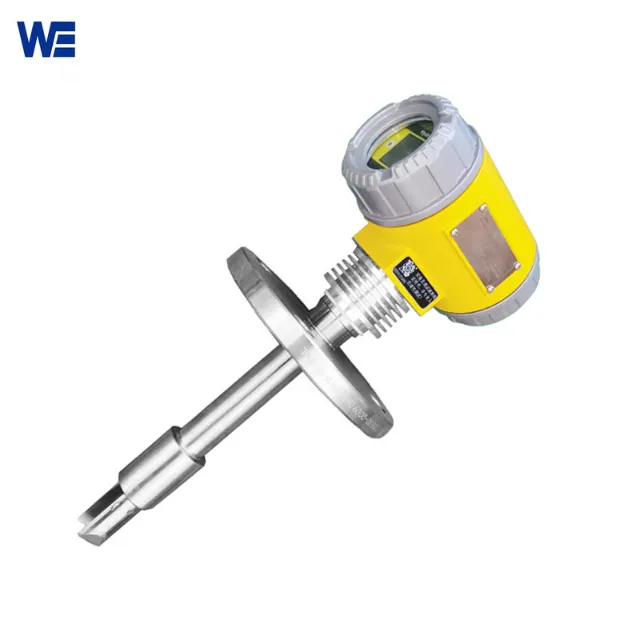
Density measurement serves as a vital parameter in many industries. Fluids, slurries, oils, chemicals, and even food manufacturing all exhibit density. Consider how it impacts everything from ultimate product quality to combining ratios.
Temperature plays a big role here. It naturally shifts liquid properties, making density readings tricky without adjustments. Accurate density leads to stable quality and tighter process control. That’s the bottom line.
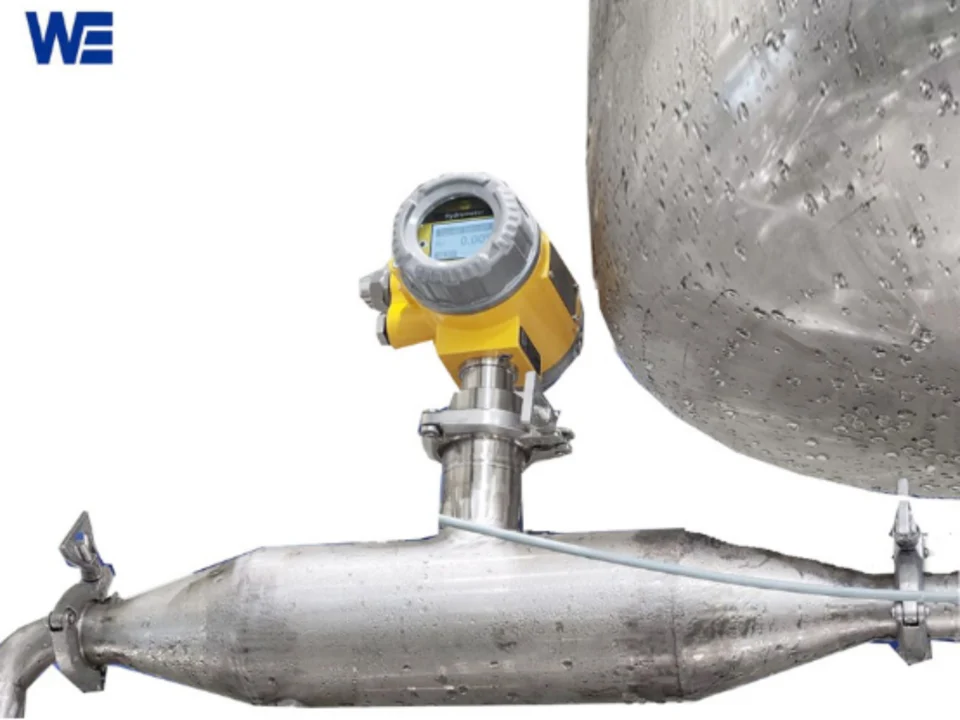
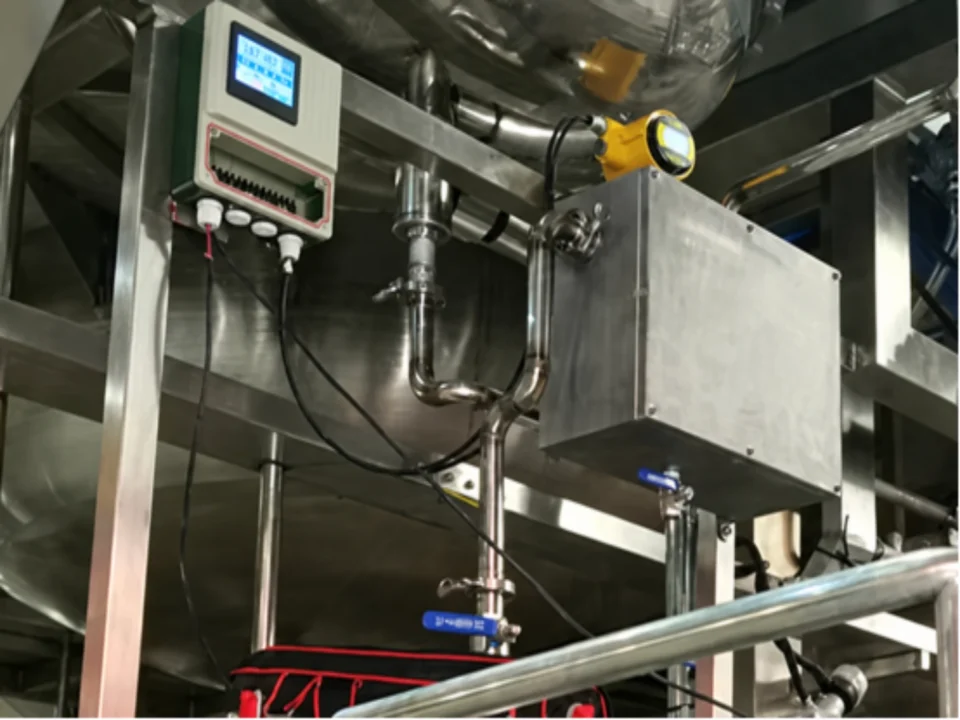
Modern Density Meters such as those provided by Wepower Electronic increasingly integrate temperature compensation to ensure accuracy.
1)How Temperature Affects the Density of Liquids
Thermal Expansion and Contraction Basics
Liquids expand when heated. That’s thermal expansion in action. The molecules move faster, spreading out more. Contraction happens when things cool down. Everything packs tighter.
Density Changes with Temperature
Density drops as temperature rises. More volume for the same mass means lower density. It works the other way too. Cooler temperatures boost density.
Real World Examples
Take fuel. In hot weather, its density decreases, affecting how much you actually pump at the station. Sugar syrup in food processing shifts during heating. What starts thick can thin out, messing with recipes if ignored.
Ever noticed how oil behaves differently in summer versus winter? Same idea.
2)What Is Temperature Compensation in Density Measurement?
Density readings are adjusted by temperature changes using temperature compensation. It brings everything back to a standard reference point. Uncompensated density is raw, straight from the meter. It fluctuates with heat.
Temperature compensated density, or reference density, corrects that. It standardizes the value. Common reference temperatures include 20°C for general use, 25°C in labs, and 15°C in the oil industry.
Many industrial meters, including those from Wepower Electronic, offer automatic temperature compensation to convert measurements to a standard reference.
3)Why Temperature Compensation Is Essential
1. Ensures Accuracy Across Changing Process Conditions
Processes aren’t static. Heat builds from pumps or friction. Seasonal shifts add to the mix. Outdoor tanks feel the weather. Liquids in pipelines? They rarely hold a fixed temperature. Compensation keeps readings reliable.
2. Critical for Quality Control & Consistency
Formulations stay on point with accurate density. Batch to batch variation drops. No more surprises in production. It’s similar to having a consistency safety net.
3. Needed for Regulatory Compliance in Certain Industries
Fuel and petrochemicals have strict standards. Density must meet them. In food and beverages, concentration control follows rules too. Skip compensation, and compliance slips away.
4. Enables Real Time Process Optimization
Compensated density feeds straight into control loops. Adjustments happen on the fly. Efficiency climbs. Picture a system tweaking itself without constant babysitting.
4)Methods of Temperature Compensation
1. Software Based Compensation Algorithms
Algorithms handle the math in real time. They pull in temperature data and apply corrections. Fluid specific curves make it precise. Water behaves differently from oil.
2. Built In Temperature Sensors
Sensors embedded in the meter catch the temperature right where it matters. Placement counts a lot. Close to the measuring element avoids errors. Single point sensing works for basics. Multipoint covers uneven flows better.
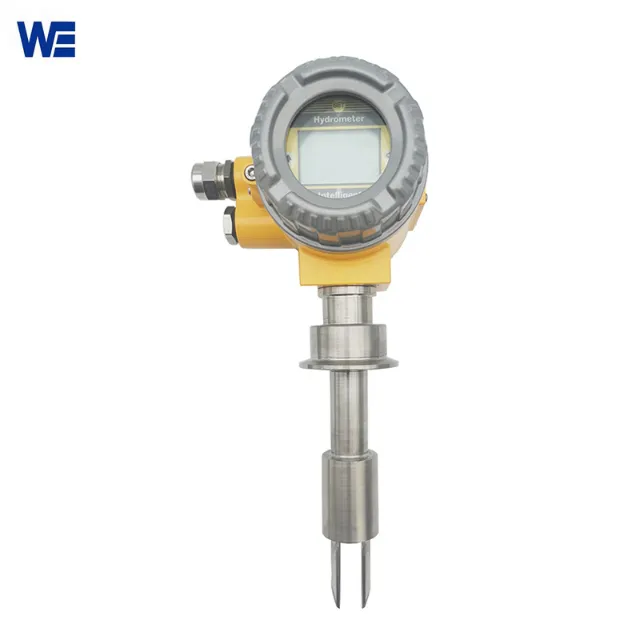
Some advanced meters, such as Wepower’s Density Meter Online, use integrated temperature probes located near the measuring element.
3. Calibration Against Known Reference Values
Calibration starts with known standards. Water is a classic example. Density tables guide for alcohol, oils, and chemicals. Regular checks keep everything aligned. It’s straightforward but effective.
5)Applications Where Temperature Compensation Is Critical
1. Petroleum & Fuels
The oil industry sticks to density at 15°C as standard. Compensation ensures fair trading and accurate blending. Without it, volume calculations go off track.
2. Chemical Production
Here, concentration control relies on precise density. Reactions get monitored closely. Small shifts signal big issues. It’s all about keeping processes humming along.
3. Food & Beverage
Sugar syrups need watching as they heat. Sauces and dairy liquids change too. Density guides thickness. Ever had inconsistent yogurt batches? Temperature plays a part.
4. Pulp & Paper / Slurry Handling
Slurries in pulp and paper vary wildly with temperature. Process changes amplify the effect. Compensation steadies the readings. Handling thick mixtures demands this reliability.
6)What Happens If You Don’t Use Temperature Compensation?
Drifted density readings become the norm. Everything looks off. Decisions on concentration turn faulty. Mixes end up wrong. In oil or fuel transfer, billing inaccuracies pile up. Overpay or underpay, either way it’s a hassle.
QC reports lose credibility. Regulators might flag issues. Waste increases. Rework eats into profits. It’s a chain reaction, really. Sometimes, operators catch it early, but why risk it?
7)How to Choose a Density Meter With Proper Temperature Compensation
Look for key features first.
- Integrated temperature sensor: Essential for on the spot data.
- Fast response time: Keeps up with dynamic flows.
- Automatic compensation algorithms: Handles the heavy lifting.
- Compatibility with PLC / DCS: Think 4-20mA, HART, RS485 for easy hookup.
Modern density technologies from Wepower include temperature compensated outputs to simplify integration. Don’t overlook durability either. Harsh environments test meters hard.
Check user reviews. Real feedback highlights strengths. Ease of maintenance matters too. Quick calibrations save downtime.
Conclusion
Temperature compensation isn’t optional. It’s essential. It locks in accuracy and meets compliance needs. Process efficiency gets a boost. Quality holds steady. It ultimately results in fewer headaches and more seamless operations.
FAQ
Q: What does temperature compensation mean when measuring density?
Even when the real liquid is hotter or colder, this automatic correction sets the density value to what it would be at a conventional reference temperature (such as 15°C or 20°C).
Q: Why can’t I just use the raw density value from the meter?
Because temperature changes make the raw value drift up and down all day. Without compensation, the same liquid can show different density numbers just because the weather or process heat changed.
Q: Which industries need temperature-compensated density the most?
Petroleum and fuels (must report density at 15°C), chemical production, food & beverage (sugar syrups, dairy, sauces), and pulp & paper slurries are the main ones.
Q: Do all densitometers have built-in temperature compensation?
No. Cheaper or older meters often give only raw density. Modern industrial meters, like those from Wepower, include automatic compensation and integrated temperature sensors.
Q: What happens if I skip temperature compensation?
Readings drift, batches become inconsistent, quality control fails, billing in fuel transfers can be wrong, and you risk breaking regulatory standards. Basically, a lot of expensive headaches.