- Have any questions?
- +86 15953537010
- admin@wepower-electronic.com

Introduction
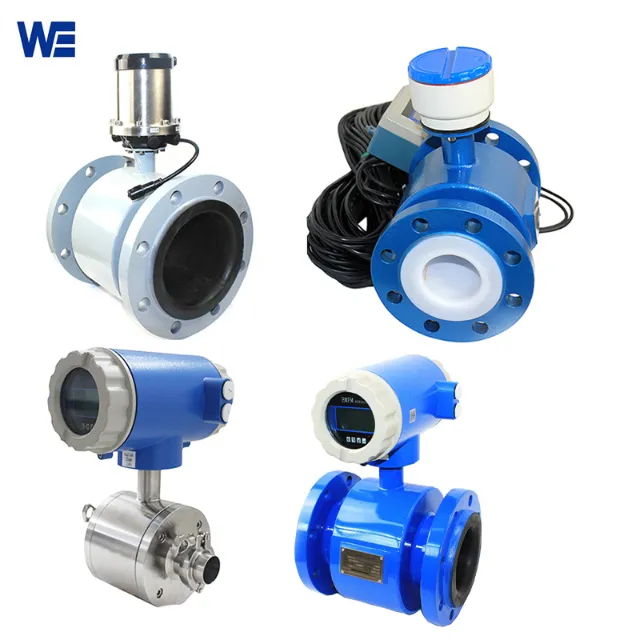
Accurate Flow Measurement keeps industrial processes running smoothly. Factories rely on it for everything from mixing chemicals to monitoring water usage. But Magnetic Flow Meters often face glitches that throw off readings. Two big culprits? Electromagnetic interference and pulsating flow. These issues pop up in noisy environments or with uneven fluid movement. This post dives into spotting and fixing them.
1)Understanding EMI and Its Effects on Magnetic Flow Meters
Do You Know What Electromagnetic Interference Is?
EMI happens when unwanted electrical signals mess with equipment. In factories, it comes from all sorts of places. Motors hum and create fields. Variable frequency drives switch power fast, kicking out noise. Welding gear sparks and sends pulses through the air. Power lines nearby carry currents that leak interference. Even radios or cell towers can add to the mix sometimes.
How EMI Impacts Flow Meter Signals
Magnetic Flow Meters work by sensing voltage from fluid moving through a magnetic field. EMI sneaks in and warps that signal. Readings jump around erratically. Sometimes they drift slowly off course. Noise overlays the true flow data, making it hard to trust. In bad cases, the meter might show zero flow when there’s plenty rushing through.
Identifying EMI Related Errors
Look for wild swings in readings that don’t match process changes. Diagnostic tools on modern meters flash error codes for noise. Hook up an oscilloscope to see waveforms, spikes mean EMI. Monitor over time; patterns tied to nearby equipment starting up point to interference. Sometimes, just walking the floor reveals a loose cable near a drive. Catch it early to avoid downtime.
2) Pulsating Flow and Its Impact on Measurement Accuracy
Causes of Pulsating Flow
Pumps are the usual suspects. Positive displacement types push fluid in bursts. Centrifugal pumps surge if throttled wrong. Valves that open and close quickly amplify pulses. Pipeline bends or restrictions build pressure waves. Even air pockets in lines create uneven flow. It’s not always obvious, sometimes a distant compressor echoes through the system.
Effects on Magnetic Flow Meter Readings
Pulsations make flow spike and dip rapidly. Magnetic Flow Meters average these, but fast ones slip through, causing shaky outputs. Data logs show wobbly lines instead of steady curves. Inconsistent readings lead to over or under dosing in batches. Over time, this wears on control systems.
Detecting Pulsation Related Errors
Spot patterns like readings that sync with pump strokes. Compare meter data to pressure gauges; mismatches scream pulsation. Use flow straighteners upstream to test if smoothing helps. Process logs often reveal ties to valve tweaks or load changes. Don’t overlook seasonal shifts, colder fluids might pulse more. Quick checks save headaches later.
3)Troubleshooting Strategies for EMI
Proper Installation Practices to Minimize EMI
Start with location. Keep magnetic flow meters away from motors or transformers. Mount them on grounded metal frames. Use short sensor cables to cut noise pickup. Insulate pipes if they’re conductive. A little planning here goes a long way. Skimping eventually results in countless adjustments.
Shielding, Grounding, and Cable Routing Techniques
Shield cables with foil or braid to block external fields. Ground everything properly, one common point avoids loops. Route signal wires away from power lines; cross at right angles if needed. Twist pairs to cancel noise. It’s basic stuff, but overlooked often. In one plant, rerouting fixed 80% of issues overnight.
Using Signal Filters and Noise Compensation Features
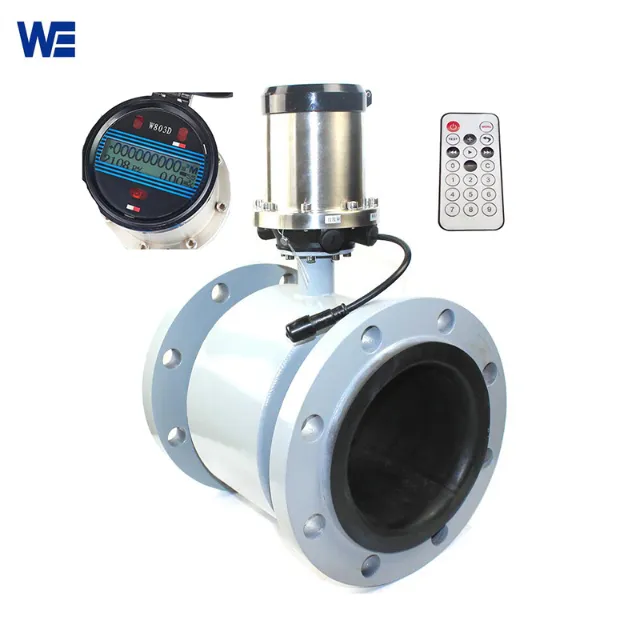
Many Electromagnetic Flow Meters have built in filters. Low pass ones smooth high frequency noise. Adjust cutoff based on flow rate. Some units auto compensate, learning normal signals. Add external suppressors for tough spots. Test settings in quiet times first. Filters aren’t magic, but they tame most EMI beasts.
4)Mitigating Pulsating Flow Issues
Pipeline Design and Installation Recommendations
Design straight runs upstream and downstream, 10 diameters up, 5 down minimum. Avoid sharp elbows near the meter. Size pipes right to keep velocities steady. Install in vertical lines if possible; gravity helps even flow. Small changes like this cut pulsations big time. Retrofits aren’t fun, but worth it.
Flow Conditioning Devices
Dampeners absorb shocks like car suspensions. Bladder types work well for liquids. Straighteners with vanes break up swirls. Orifices smooth minor pulses. Pick based on fluid type, corrosive stuff needs special materials. They’re not cheap, but downtime costs more. One site added dampeners and saw accuracy jump 15%.
Signal Averaging and Smart Flow Meter Algorithms
Average signals over longer periods to iron out bumps. Some meters let you set damping times. Advanced algorithms detect pulses and adjust on the fly. Pair with digital outputs for cleaner data. It’s like noise canceling headphones for flow. Tweak carefully; too much damping hides real changes.
5)Advanced Solutions and Smart Technology
Smart Magnetic Flow Meters with Noise and Pulsation Compensation
Newer models pack smarts. They sense EMI and filter it automatically. Pulsation modes average cleverly without lag. Diagnostics flag issues before they bite. Integration with apps shows real time health. Wepower Electronic provides the most advancede electromagnetic flow meters to ensure reliable measurement
Integration with Industrial Automation Systems
Hook magnetic flow meters to PLCs for centralized control. SCADA dashboards highlight anomalies. Alarms trigger on noise thresholds. Data flows to historians for trends. It’s seamless in modern setups. Older systems might need adapters, but the insight is gold.
Predictive Maintenance and Data Analytics to Detect Signal Issues
Analytics spot patterns early. Machine learning flags drifting signals. Schedule checks based on usage data. Vibration sensors tie in for full pictures. It’s proactive, not reactive. Plants using this cut failures by half sometimes. Data doesn’t lie.
6)Long Term Accuracy
Maintenance Tips to Extend Meter Lifespan
Clean the electrodes of magnetic flow meter regularly, buildup skews readings. Check grounds yearly; corrosion creeps in. Calibrate every six months or per regs. Inspect cables for wear. Store spares properly. Simple habits keep meters humming for years. Skip them, and accuracy tanks fast.
Conclusion
Tackling EMI and pulsating flow boils down to smart installs, shields, and filters. Spot symptoms quick, use dampeners, and lean on smart tech. Proper upkeep locks in reliable measurements. Wepower Electronic commits to precision and reliability in their automation instruments.
FAQ
Q: How can I tell if EMI is affecting my magnetic flow meter?
A: Watch for erratic jumps in readings that tie to nearby equipment like motors or welders. Error codes or noisy waveforms on diagnostics confirm it.
Q: What are common signs of pulsating flow errors?
A: Look for wobbly data logs syncing with pumps or valves. Inconsistent outputs despite steady processes are a giveaway.
Q: Can signal filters fully eliminate EMI problems?
A: Not always, they handle most noise but tough sources might need better shielding or relocation too.
Q: How often should meters in pulsating pipelines be checked?
A: Every three months works for starters, but bump to monthly if pulses are severe or processes change often.
Q: Are there smart meters that automatically compensate for these issues?
A: Yes, many modern magnetic flow meters auto filter EMI and average pulsations with built in algorithms.