- Have any questions?
- +86 15953537010
- admin@wepower-electronic.com

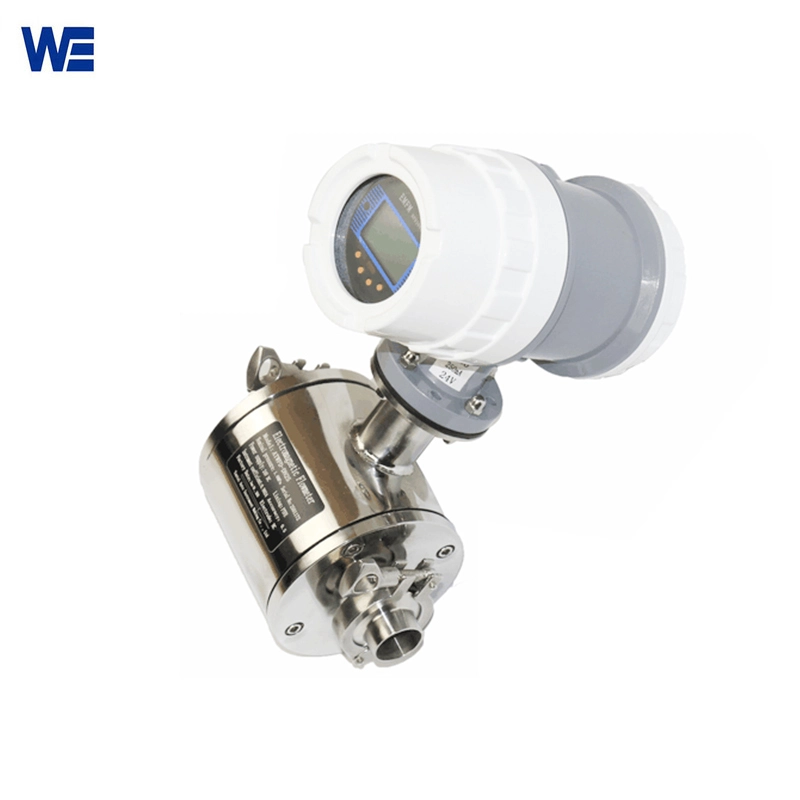
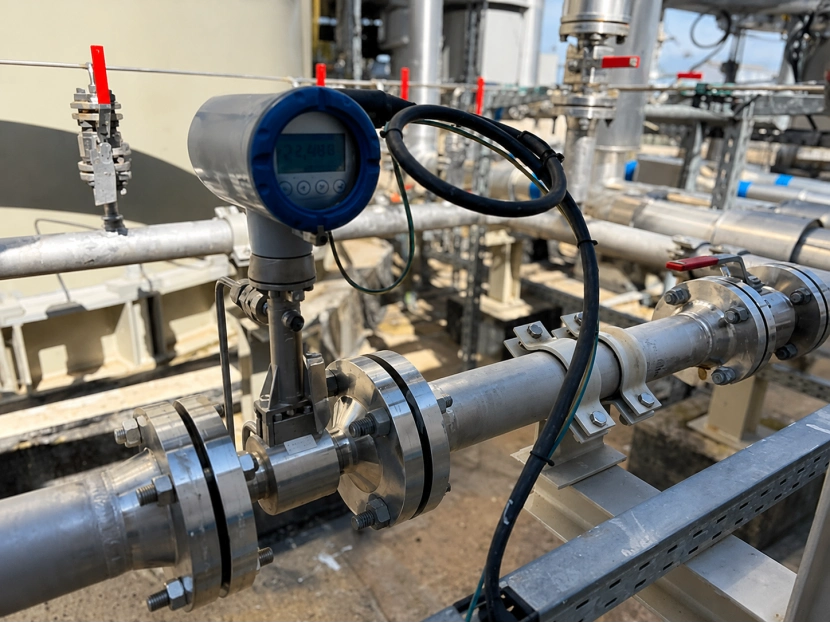
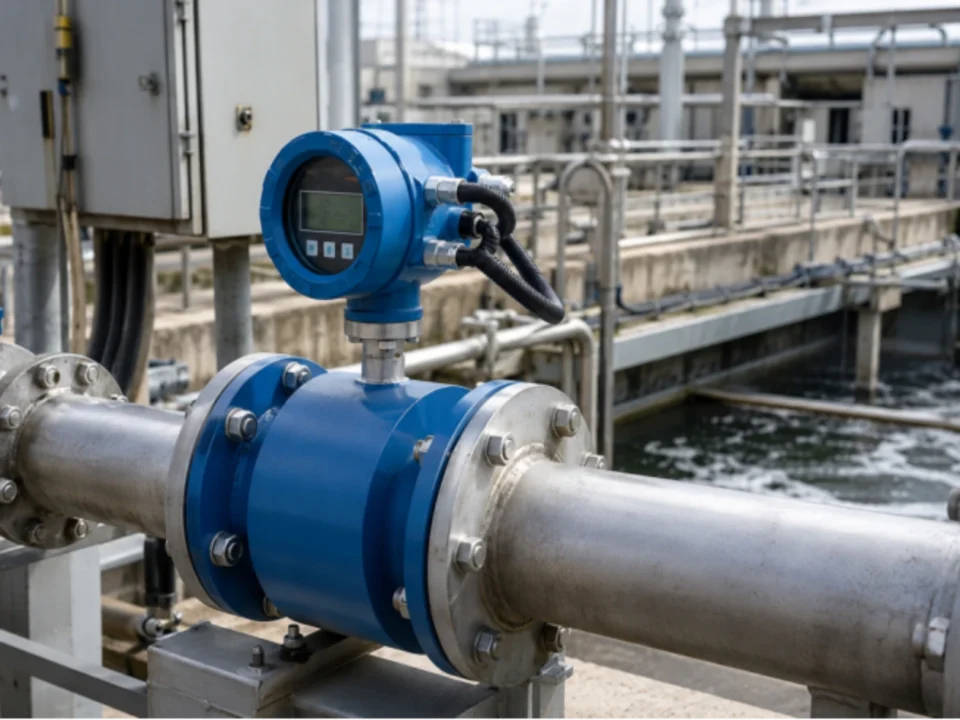
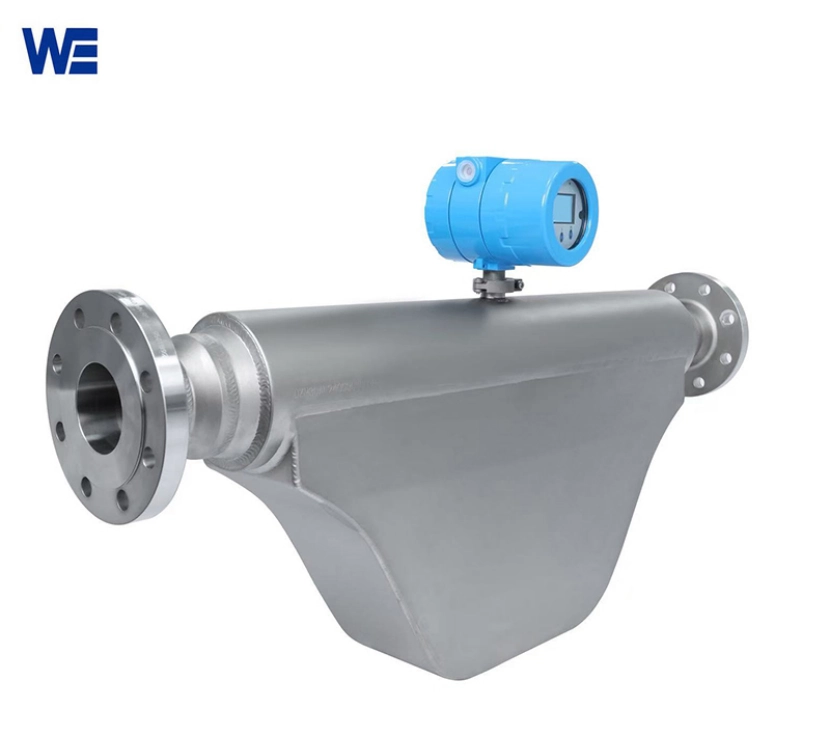
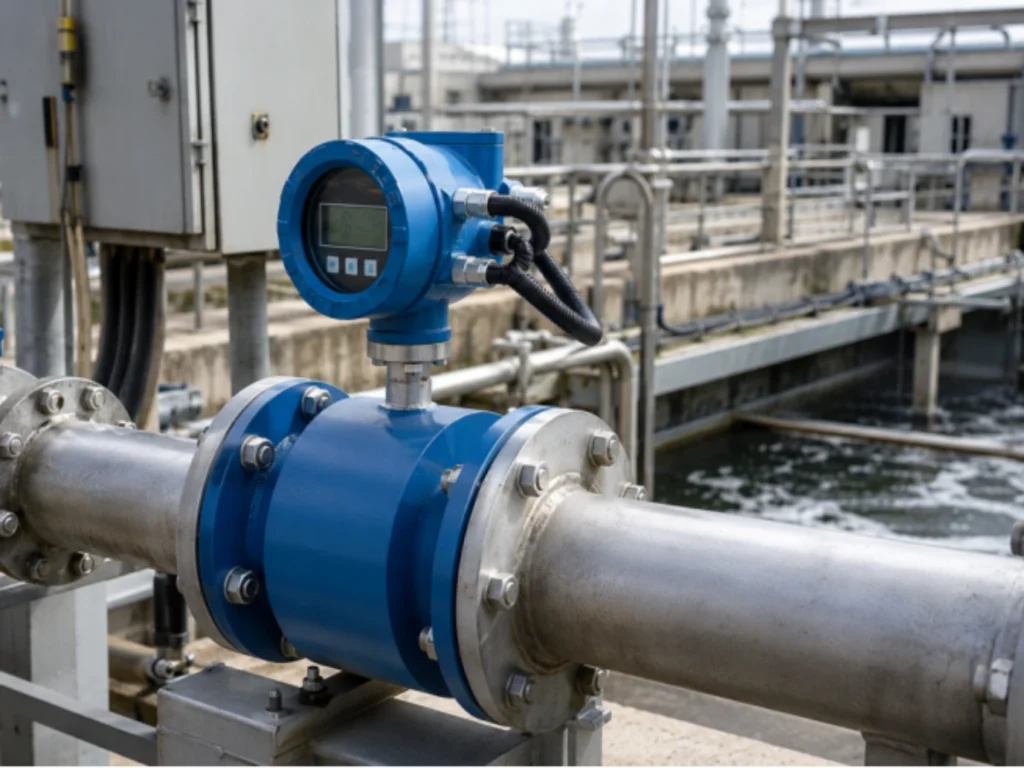
Selecting the proper electromagnetic flow meter can seem like working through a puzzle of tech details, setup limits, and job needs. The main point is to fit the meter’s features with your real working setup. In brief: get to know your flow stuff, understand your pipes, and stick with good precision and strength.
1)Key Factors to Consider When Choosing The Suitable Electromagnetic Flow Meter
Flow Characteristics and Measurement Requirements
Before you buy a water flow meter or any kind of liquid flow meter, you need to grasp the fluid movement in your setup. The electromagnetic flow meters work on Faraday’s Law. therefore, they require liquids that conduct electricity to do their job.
- For right readings, look at the conductivity of your fluid. Most electromagnetic meters want at least 5 µS/cm.
- Figure out the lowest and highest flow speeds your work will have. This makes sure the meter does not fail at slow flows or get too much at fast ones.
- Whether you track steady flow in a line or batch mixing in chemical work, pick a tool that fits your way of running things.
Compatibility with Fluid Properties
Not every liquid is the same. Beyond conductivity, think about physical and chemical traits.
- Bits floating around or air pockets can mess up readings if you do not handle them right.
- Harsh liquids call for tough lining stuff like PTFE or PFA that fights chemicals.
- Know your fluid’s pressure and heat levels. A wrong match can cut short the tool’s life or mess up info.
For instance, in wastewater handling, flow meters have to stand up to dirt and changing mixes. On the other hand, very pure water in drug making needs super clean materials and smooth insides.
2)Pipe Configuration and Material Selection
Your current pipe system is more than just a tube. It sets how well your meter fits and works.
- Meter size must line up with the pipe’s inside width to stop rough flow or wrong measures.
- Sensor material should match pipe build to avoid rust from different metals. For example, stainless steel sensors pair well with metal pipes.
- Electromagnetic meters usually need some straight pipe ahead (often 5D) and behind (3D).
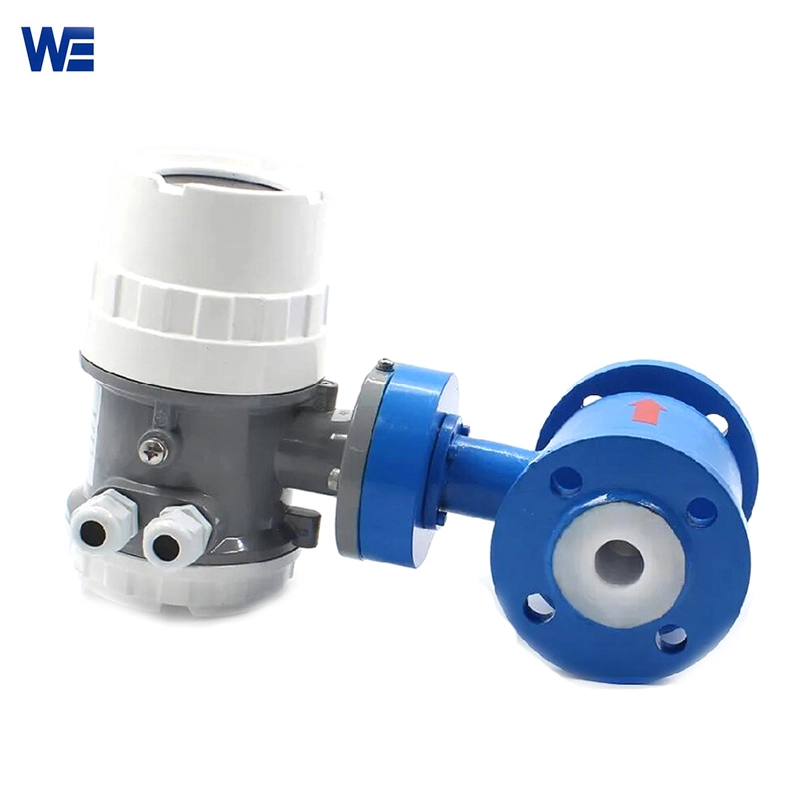
Wepower Electronic is a magnetic flow meter manufacturer that offers various installation options , making it easier to adapt to your plant layout.
3)Performance Expectations and Accuracy Standards
Accuracy Levels and Repeatability Criteria
Accuracy is not just a figure. It shapes product quality, cost handling, and rule following.
- Usual accuracy groups include ±0.5% for everyday meters and ±0.2% for topnotch ones.
- Repeatability gives steady results in the same setup—a key for mixing batches or handing over goods.
- Pick a basic or highprecision type based on how vital the flow check is in your work.
If you add chemicals to drinking water, you cannot have big errors. But for watching cooling water comeback, ±1% could be fine.
Signal Processing and Output Capabilities
Modern electromagnetic meters are not only simple sensors. They act as info links too.
- Basic outputs like 4–20 mA, pulse signals, and HART work with most PLCs and SCADA systems.
- Seek meters with screen displays or faroff checking for simple data reach.
- Better signal cleaning cuts out noise, but it might slow down reaction time. Find a good mix for your work pace.
Wepower Electronic provides industrial automation sensors and field measurement solutions that support integration with modern control platforms, ideal for industries moving toward IoT enabled infrastructure.
4)Environmental and Operational Conditions
Installation Environment Constraints
Where you put the meter affects how long it lasts.
- Tough spots with lots of dust, chemical fumes, or shaking need strong build.
- Pick a right IPrated cover—IP65 for inside dry areas, IP68 for underwater spots.
- For risky zones, use models that won’t blow up.
Meters outside in chemical spots often deal with strong sun and changing heat. A shield cover is key there.
Power Supply Options and Integration Flexibility
Power access often sets limits on setup choices.
- Know if your spot has 24V DC or 220V AC. Some types handle both.
- Check if it works with your current control setups to skip pricey changes.
- Wireless info sending is getting common—handy for far spots like pump areas or moving gear.
5)Maintenance Requirements and Long Term Usability
Installation Complexity and Initial Setup Needs
Some magnetic flow meter transmitter are easy to set up. Others need careful placing.
- Flanged meters give safe links but might want more space.
- Insertion types are simpler to put in big pipes without stopping the flow.
- Look for models with builtin checks to confirm work during start
Proper grounding is also essential to prevent signal noise. Always follow manufacturer guidelines during setup.
Ongoing Maintenance and Calibration Intervals
Although electromagnetic meters are generally low maintenance due to no moving parts:
- Selfdiagnostics help detect buildup or signal drift early.
- Insitu calibration allows recalibration without removing the meter—a huge time saver.
- Strong aftersales support from the manufacturer improves long term reliability.
Wepower Electronic offers dependable service support, making it easier for users to maintain optimal performance over years of use.
6)Industry Compliance and Application Suitability
Regulatory Standards and Certifications
Flow meters in ruled fields must hit certain marks.
- Confirm ISO or IEC compliance for global projects.
- Look for CE marking for Europe or ATEX certification if used in explosive atmospheres.
- Documentation matters—especially during audits or quality checks.
A certified liquid flow meter is not just about legal compliance—it’s about ensuring safety and process integrity.
Application Specific Recommendations
Different fields need different traits.
| Industry | Special Requirements |
| Groundwater Treatment | IP68 protection, corrosion resistance |
| Food & Beverage | Hygienic design, FDA compliant lining (e.g., PTFE) |
| Chemical Processing | Acid resistant linings, explosion proof casing |
| Pharmaceuticals | High precision, cleanable surfaces |
Choose linings like rubber for abrasive slurries or PTFE for aggressive chemicals. In food grade applications, sanitary fittings are non negotiable.
FAQ
Q1: Can electromagnetic flow meters measure non conductive fluids like oil?
A1: No, they require a minimum level of electrical conductivity to function properly.
Q2: How much straight pipe length is needed before installation?
A2: Generally 5 times the pipe diameter upstream length and 3 times downstream.
Q3: What’s the typical lifespan of an electromagnetic flow meter?
A3: With proper maintenance, they can last over 10 years.
Q4: Do these meters require regular calibration?
A4: They’re stable but periodic calibration ensures accuracy, especially in critical applications.
Q5: Are electromagnetic meters suitable for slurry applications?
A5: Yes, as long as the solids don’t interfere with electrode performance or cause buildup.