- Have any questions?
- +86 15953537010
- admin@wepower-electronic.com

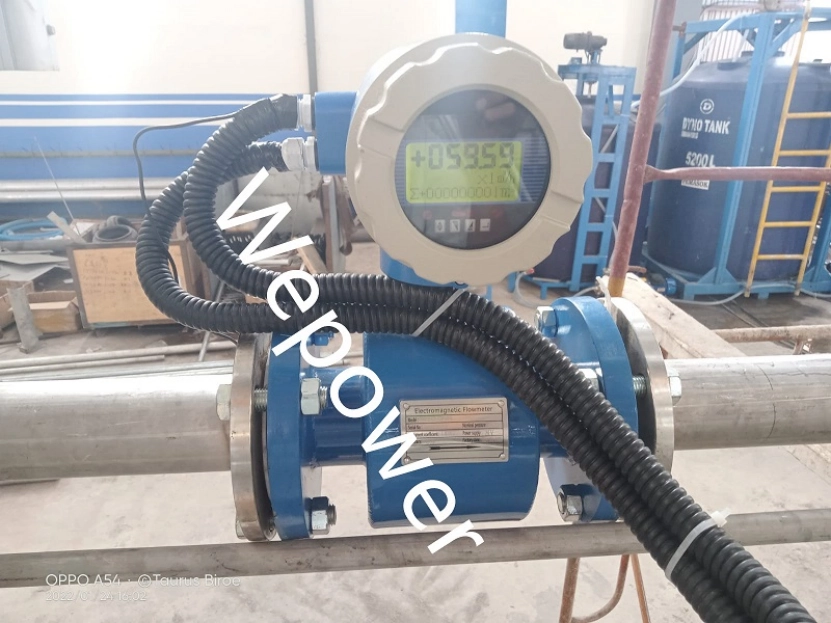
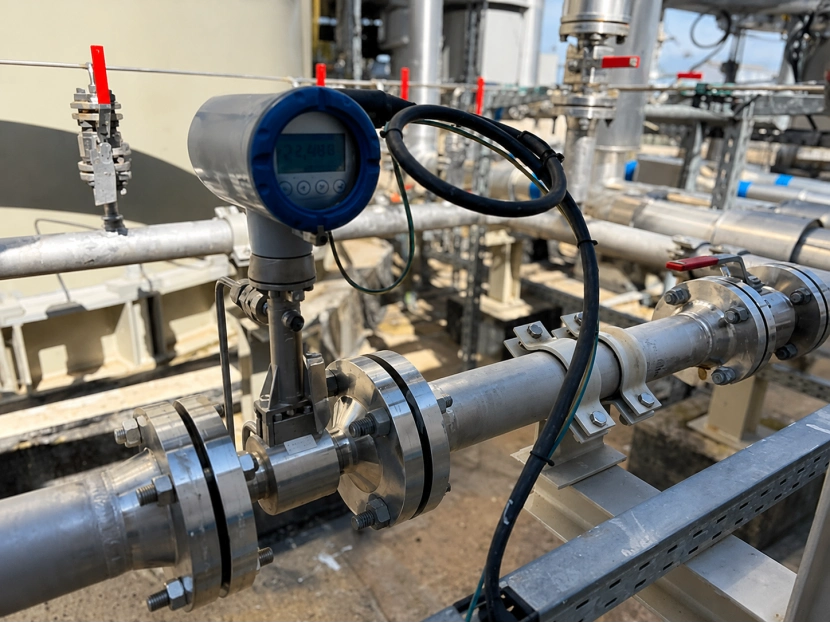
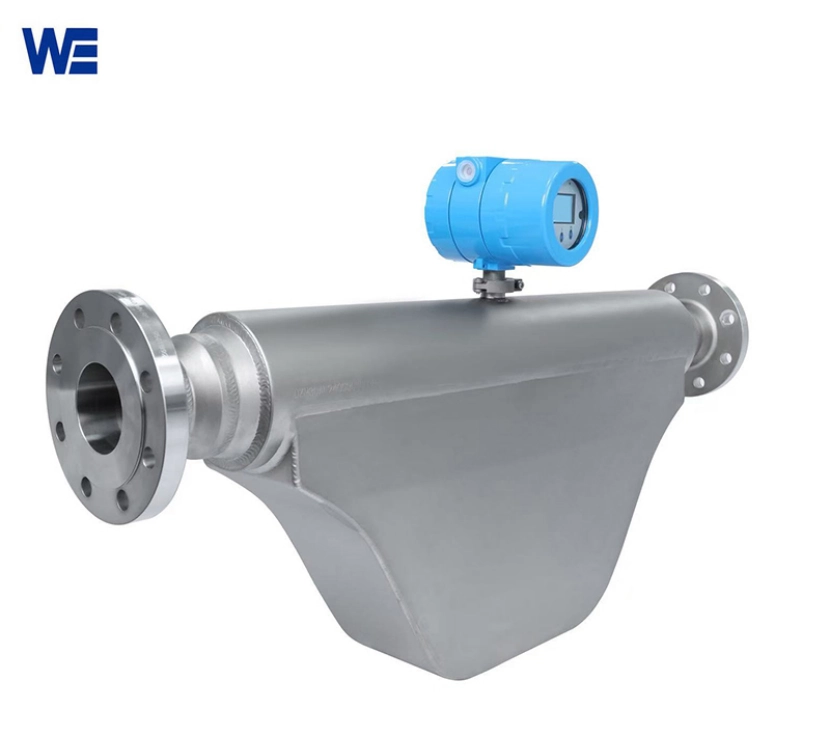
When choosing flow meters for corrosive chemical applications, you need consider more than just price and brand reputation. More significantly, you should make sure that every part of the flow meter system can function accurately and steadily over an extended length of time in challenging conditions. A superior choice can completely enhance the safety and dependability of production processes, reduce the possibility of equipment failure, and remove the possibility of media leakage.
What Makes a Chemical Application Corrosive
Corrosive chemicals harm usual materials in standard flow meters. They slowly break down the inner parts. The level of corrosion depends on several things. pH level, temperature, and concentration all matter a lot. When you pick a corrosion-resistant meter system, engineers need to check how each material acts with the process fluid. If the fluid’s chemical type does not fit the meter’s wet parts, it can cause pits or cracks from stress.
Common Industrial Uses for Corrosive Flow Meters
Corrosive flow meters are vital in many industries:
- Chemical plants use flow meters to monitor acids, alkalis, and solvents, precisely controlling feed rates.
- Water treatment plants rely on flow meters to precisely control proportions when adding chlorine, sodium hypochlorite, or caustic soda, preventing excessive byproducts.
- Distillation columns use flow meters to control reflux, ensuring stable reactor operation.
- Pharmaceutical and food production lines use them in precision chemical dosing systems with extremely high hygiene and accuracy requirements, ensuring the purity of the final product meets standards.
Comparing General and Corrosion-Resistant Flow Meters
Before looking at certain technologies, it helps to know how special designs differ from everyday meters.
The Difference Between Standard and Specialized Designs
Everyday flow meters often break down in harsh conditions. This happens because their metal parts react with strong fluids. Models that resist corrosion fight this by using better materials like PTFE (polytetrafluoroethylene) or PVDF (polyvinylidene fluoride). These plastics stand up well to acids and bases. They also keep their shape under pressure.
Key Features That Improve Resistance to Corrosion
New corrosion-resistant meters include:
- Non-metallic wet parts that block chemical damage.
- Hermetically sealed electronics shielding sensors from vapor entry.
- Protective coatings or linings made for certain chemicals.
These choices together make the meter tougher. They do this without losing the ability to sense flow well.
Major Flow Meter Technologies for Corrosive Chemicals
Flow meter types fit different jobs. Knowing their strong points helps pick the right one for harsh uses.
Ultrasonic Flow Meters: Non-Intrusive and Low Maintenance
Ultrasonic flow meters check fluid speed with sound waves. They do not touch the liquid directly. Clamp-on types work great for chemicals. They stick to the outside of the pipe. So, there is no chance of rust or dirt. They install easily. You do not need to cut pipes or stop work. This makes them perfect for adding to old setups.
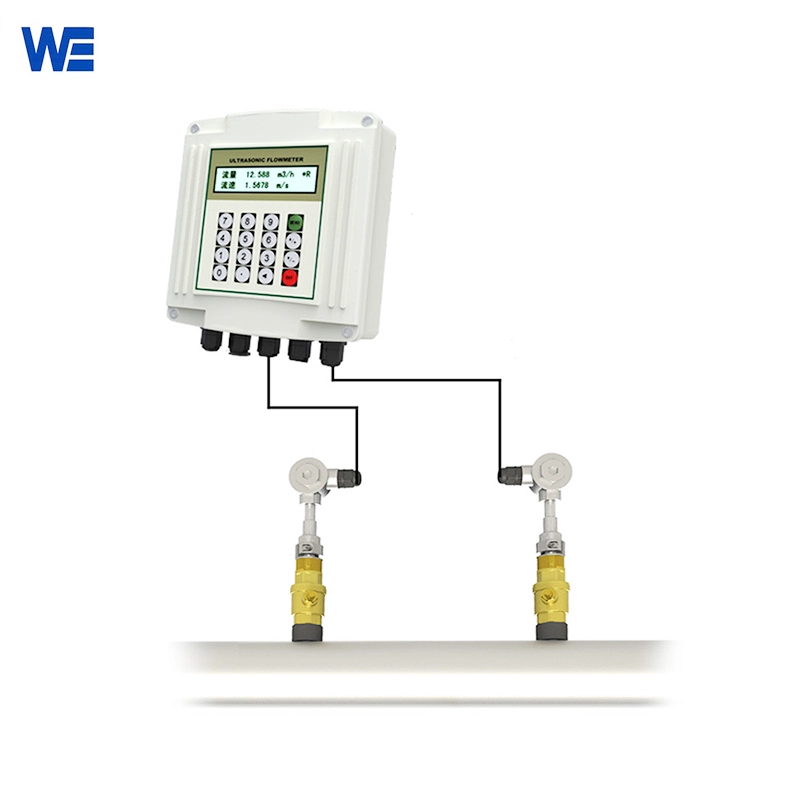
Digital Electromagnetic Flow Meter: Reliable for Conductive Fluids
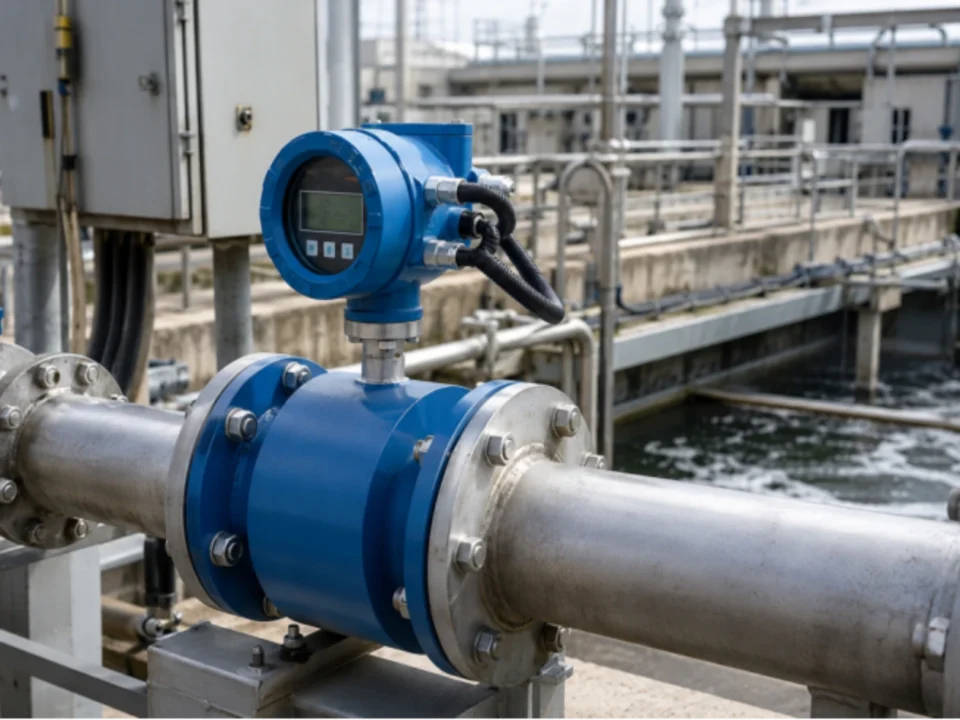
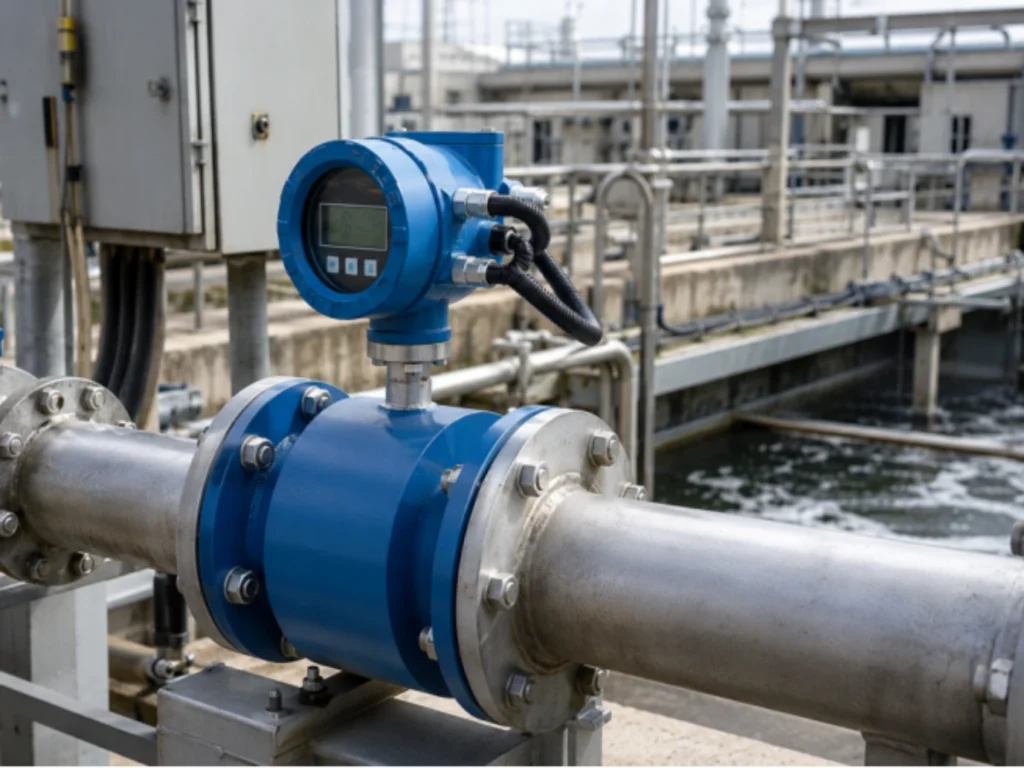
Digital Magnetic flowmeters use Faraday’s law of electromagnetic induction. They suit liquids that conduct electricity, like acids, caustics, or brines, etc. There are no moving parts in the pipe. So, wear stays low. Liners from PTFE or PFA match chemicals well, even at high heat. Their strong build means a long life. They need little recalibration too.
Turbine Flow Meters: Accurate for Clean Chemical Streams
Turbine flow meters stay common in clean liquid jobs. They give high accuracy and good repeat results. LWGY series turbine flow meters have the features: high accuracy, good repeatability, convenient installation/maintenance, simple structure etc. They turn fluid speed into rotor spin. But they fit less well for thick or particle-filled corrosive fluids. Bits can block the rotor. Yet, with non-reactive chemicals in good settings, they provide fine precision.
The following table summarizes typical performance data:
| Parameter | Standard Range | Extended Range | Pressure Rating |
| DN25 | 0.6–6 m³/h | 0.4–8 m³/h | 2.5–25 MPa |
| DN50 | 4–40 m³/h | 2–40 m³/h | 2.5–25 MPa |
| DN100 | 20–200 m³/h | 10–200 m³/h | 1.6–25 MPa |
Material Selection Considerations for Corrosive Applications
Materials that fit the process chemicals decide if a flow meter lasts a short time or many years.
Plastic Materials (PVC, PFA ,PVDF, PTFE,F46)
Plastics such as PTFE and PFA hold up against strong acids like hydrochloric acid. They also work with bases like sodium hydroxide. PTFE resists almost all factory chemicals. These are light and cheap. But they suit low- to medium-pressure spots best.
Stainless Steel Alloys (SS316L, Duplex)
For higher pressures or heat, where chemicals are not too bad, stainless steels like 316L offer a good mix of strength and resistance. Treatments on the surface, like passivation, make them last longer. They form oxide layers that stop rust as time goes on.
Evaluating Flow Meter Manufacturers for Corrosive Environments
Picking a manufacturer means more than just specs. It is about their know-how and steady service.
Technical Expertise and Customization Capabilities
A good manufacturer gives clear charts on chemical fits. They suggest the best materials for your fluids. Custom choices, like special linings or sensor setups, show they can adjust to your plant’s needs.
Quality Assurance and Compliance Standards
Find suppliers that follow ISO-certified making processes. Also, look for CE or ATEX rules. These make sure the gear works safely in blast-risk spots or tough places.
After-Sales Support and Maintenance Services
Good follow-up help covers calibration, spare parts, and tech aid when starting up. All this keeps performance steady over time.
How to Match the Right Manufacturer to Your Application Needs
Before picking vendors, engineers should line up their needs with what products can do.
Assessing Application Requirements Before Selection
Set out details like fluid kind, heat range, pressure level, pipe size, and outside conditions (inside or out). For risky chemicals or bad vapors, no-touch tech like ultrasonic sensors might be safer. They avoid direct contact unlike in-pipe tools.
Comparing Manufacturer Portfolios
Check the tech they offer. Ultrasonic flow meter systems for no-touch jobs. Magnetic types for fluids that conduct. Turbine models where clean matters most. Variable area meters when basic works. Look at full life costs, not just the buy price. Repairs affect the true worth a lot.
Ensuring Long-Term Reliability in Corrosive Chemical Measurement Systems
Even top tools fail early if set up wrong or ignored while running.
Importance of Proper Installation and Calibration
Right spot for sensors cuts errors from rough flow near bends or valves at the meter entry. Flow altering device such as elbows, valves and reducers can affect accuracy. Use the advised straight pipe lengths before (10× pipe diameter). This gives steady reads. Check calibration often, at least once a year. It keeps exactness as conditions shift. For best results, calibrate the meter at least 1 time per year.
Ongoing Maintenance Practices
Check seals, lining, and wire links now and then. This stops slow damage that hides until it breaks. Clean dirt near sensors to avoid wrong readings. A little work like that brings steady results over years.
Wepower Electronic stands out as an experienced provider of industrial automation instruments offering solutions across level measurement, pressure sensing, temperature monitoring, viscosity detection—and notably high-performance flow metering systems tailored for corrosive environments. Our engineering expertise encompasses both conventional turbine designs and cutting-edge ultrasonic technology appropriate for challenging chemical processes across the globe. Wepower Electronic continues to be a reliable partner in guaranteeing precise fluid measurement under challenging industrial settings because to its extensive customization choices, ISO-certified manufacturing quality control, and attentive global support teams.
FAQs
Q: Which flow meter type is ideal for harsh acid media?
Electromagnetic flow meters lined with PTFE are widely used, since their liner provides excellent chemical resistance to strong acids.
Q: Are plastic-bodied meters reliable in high-pressure systems?
They perform well at low pressures; however stainless steel alloys are safer choices above moderate pressure levels.
Q: What maintenance steps extend a turbine flow meter’s lifespan?
Keep rotors clean from debris buildup and ensure proper backpressure to prevent cavitation damage during operation.