- Have any questions?
- +86 15953537010
- admin@wepower-electronic.com

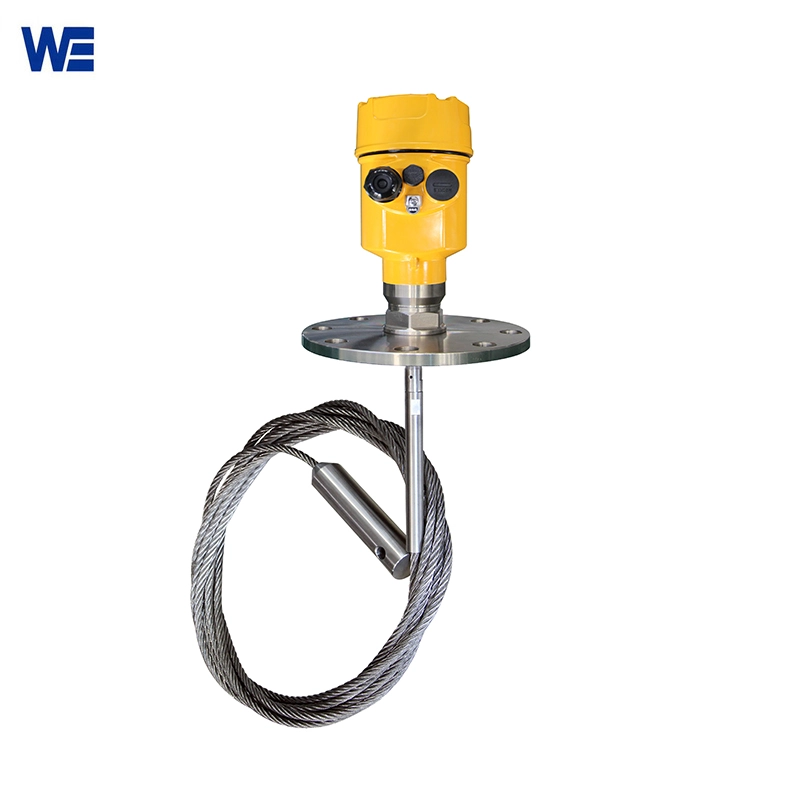
Maintaining precise level readings becomes little difficult when industrial processes deal with extremely hot temperatures, high pressure, or dirt. But guided wave radar level sensors have shown they can handle these situations well. They provide steady results, even with steam, bubbles, or particles in the way. This turns them into a go-to option for engineers who want trust in hard times.
Understanding Guided Wave Radar Sensors
Before we check their work in rough places, we should learn what guided wave radar (GWR) level sensors are. Also, we need to see how they operate in a factory setup.
What Are Guided Wave Radar Sensors?
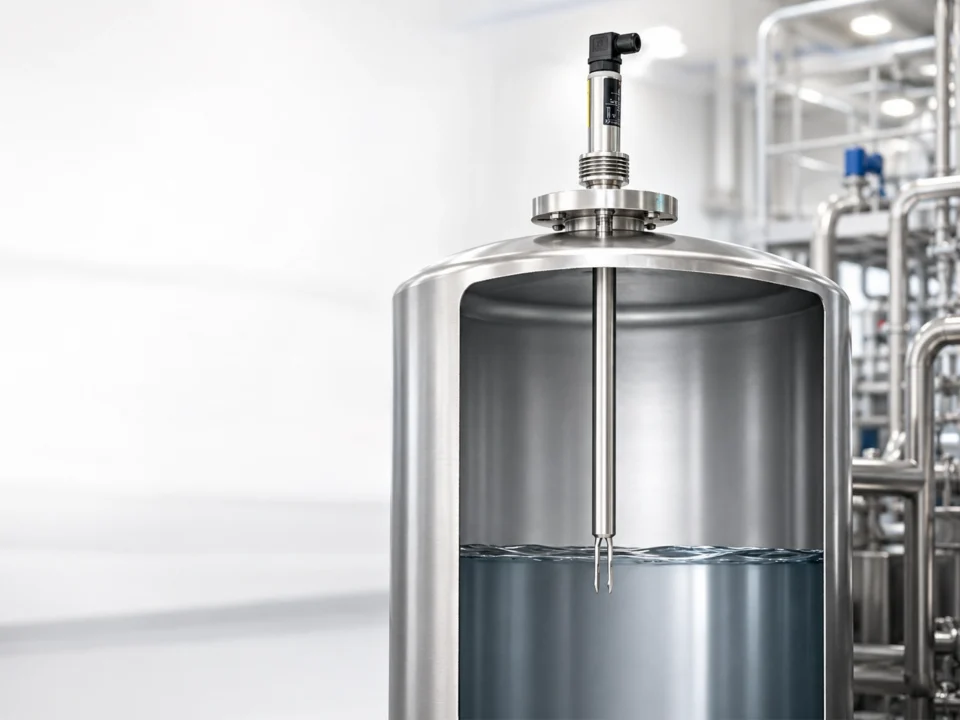
A guided wave radar sensor finds levels of liquids or solids. It uses microwave signals sent down a probe. The signal goes along the probe. It bounces back at the surface of the stuff being checked. The wait time from send to bounce sets the distance to the level. This no-touch way gives good exactness. Plus, it skips wear from moving parts.
People use these sensors a lot in areas like oil and gas, chemical work, food making, and water cleaning. What makes them handy is their skill at checking liquids, thick mixes, fine powders, and lumpy stuff all the same.
How Do Guided Wave Radar Sensors Work?
Guided microwave radar level transmitters work on time-domain reflectometry (TDR). They fire a fast microwave burst along a wire or stick probe. This leads the signal to the item’s top. When the burst hits a switch in dielectric constant, for example air to liquid, it bounces back to the sender.
Then the parts inside figure the distance. They time how long the bursts take to go and come back. Microwaves don’t mind pressure or steam thickness. So GWR sensors keep their exactness. This holds true even if factory conditions shift a bunch.
Challenges in Tough Conditions
Factory spots hardly ever give perfect spots for measuring. Hot temps, wetness, dirt, or bubbles can twist the numbers if you don’t watch them close.
Environmental Factors Affecting Sensor Accuracy
Wild temperature swings can make stuff in the sensor probe grow or shrink. This can change how fast the signal moves just a tad. New GWR units fix this on their own with heat fix formulas. Yet, long time in heat might still hurt how steady they stay over years.
Wetness and drips bring dangers too. In tanks or bins where steam turns to water on probes, drops can make wrong bounces or weaken signals. To fight back, sensors usually have coatings that push away water. These keep wetness from piling up and hold the signal strong.
Dealing with Dust, Vapors, and Foam
Floating dust bits in air can spread out microwave power and cut signal force. In the same way, steam over hot liquids can tweak dielectric traits close to the edge. Bubble layers bring yet another problem. They soak some microwaves instead of sending them back clear.
To make sure readings stay solid:
- Choose probes designed for high-dust or foaming applications.
- Use advanced echo processing algorithms that filter out noise.
- Install sensors away from filling streams where turbulence is greatest.
These steps aid in keeping output even. They do this when outside meddling can’t be dodged.
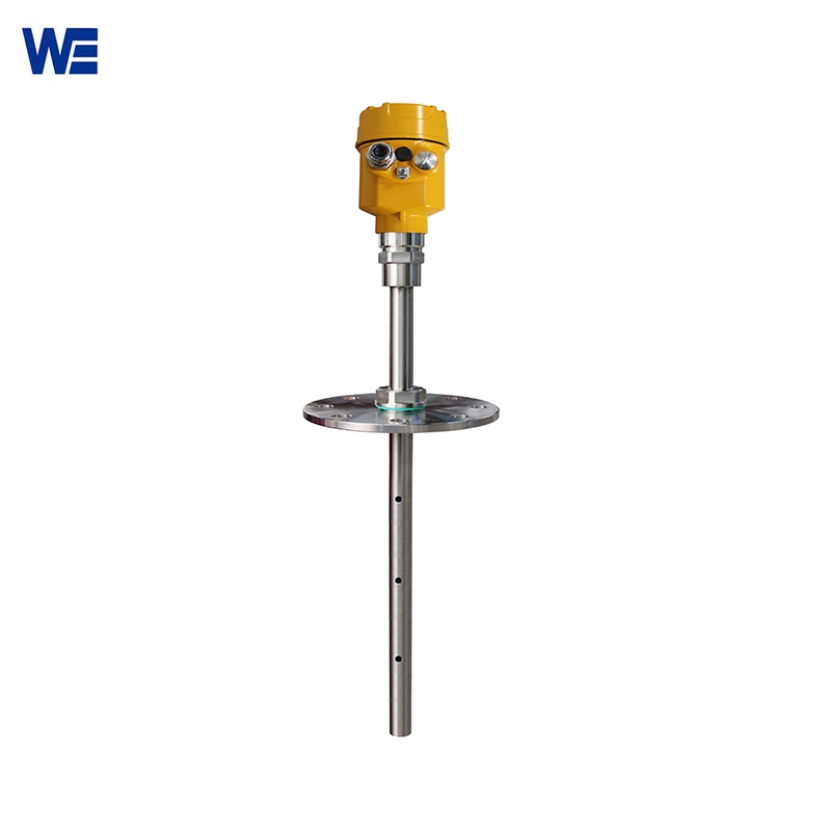
Advantages of Using Guided Wave Radar Type Transmitters in Tough Conditions
Even with these hurdles, guided wave radar sensors keep being one of the surest ways for level checks in tricky spots.
Reliability Under Extreme Conditions
They run on electric waves, not on moving bits or float slides. For that reason, GWR level transmitters mostly dodge wear and jams. They keep giving right numbers if hit with high pressure in reactors or cold in freeze tanks. Their closed build cuts down on fix-ups, and that’s a key win for plants that never stop.
Versatility Across Different Applications
High performance Guided radar level sensors deal with conducting and non-conducting stuff without fuss. You can set them for liquids with different dielectric constants or solids such as seeds and dusts. This bendiness fits them for many fields, from oil refineries to waste water spots. There, setups vary a ton, but steady work counts most.
Enhancements in Sensor Technology for Improved Accuracy
Fresh changes have made guided wave radar tech even stronger as a main answer for hard measuring jobs.
Innovations in Sensor Design
Manufacturers now use materials that fight rust, like probes coated in PTFE and steel shells. These stretch out how long they last in eating-away settings. Better signal parts let them tell real bounces from fake ones from gunk or blocks in containers.
A few types add clean-yourself tricks that stop gunk from building on probes, a useful bit when handling sticky liquids or hardening stuff.
Integration with Automation Systems
New GWR sensors hook up easy to factory control webs through digital talk ways like HART, Modbus, or Profibus. This hookup lets watch in real time via control setups. There, workers can follow changes and spot weird spots fast. Number crunch tools also aid in bettering process speed by tying level facts to heat or pressure shifts as time goes.
Choosing the Right Sensor for Your Needs
Picking a fitting guided wave radar sensor goes beyond just size fit, it calls for knowing your work space inside out.
Factors to Consider When Selecting a Sensor
Key factors include:
- The type of medium (liquid vs solid)
- Dielectric constant range
- Operating temperature and pressure
- Tank geometry (narrow vessel vs open silo)
Going over these details makes sure you pick a type that brings steady outcomes. It skips often re-sets or fix breaks.
Recommendations for Optimal Sensor Performance
Right setup matters a lot: put probes up straight with no curves and skip spots by stirrers or in-flows that make swirls. In setup checks, double-check base points against sure levels to set starting exactness.
Normal looks-over, such as testing wire strength and wiping probe faces, aid in keeping long-run work. At the same time, they cut costs from surprise stops.
Wepower Electronic offers industrial-grade guided wave radar level sensors engineered precisely for such demanding scenarios. Wepower is a producer that specializes in field instruments, such as level, pressure, temperature, density/viscosity, and flow solutions. It offers comprehensive field measurement systems that are customized to meet process control needs in a variety of global sectors. The sturdy designs facilitate smooth integration into contemporary automation frameworks and guarantee dependable operation even in harsh climatic conditions.
FAQs
Q: Can the GWR level meter measure both liquids and solids?
Yes of course, the GWR level gauge can accurately measure levels of liquids, slurries, powders, and granular solids.
Q: How do I prevent condensation from affecting readings?
Use hydrophobic-coated probes and ensure proper ventilation around sensor installations.
Q: Are guided wave radar sensors maintenance-free?
They require minimal maintenance but periodic inspection helps sustain accuracy over time.
Q: What communication options do modern GWR sensors support?
The majority of models provide digital protocols for automation system integration, such as Profibus, Modbus, or HART.